


Golden Berries: Nutrition, Benefits, Uses and Safety
Golden berries are small, bright orange fruits wrapped inside delicate, paper-like husks. Their sweet-tart flavour, attractive colour and refreshing texture have helped them move beyond specialty markets and into supermarkets, health-food shops and modern recipes around the world.
These fruits are commonly known as cape gooseberries, Inca berries, Peruvian ground cherries, uchuva and rasbhari. Their scientific name is Physalis peruviana, and they belong to the nightshade family alongside tomatoes, peppers, eggplants and potatoes.
Golden berries provide vitamin C, dietary fibre, carotenoids and a variety of naturally occurring plant compounds. Although they can contribute to a balanced diet, they should not be viewed as a treatment for disease or a replacement for varied, nutritious meals.
This guide explains golden berry nutrition, potential benefits, possible side effects and practical ways to enjoy the fruit. It also covers how to identify ripe berries, store them correctly and avoid the potentially harmful unripe fruit and non-edible plant parts.
What Are Golden Berries?
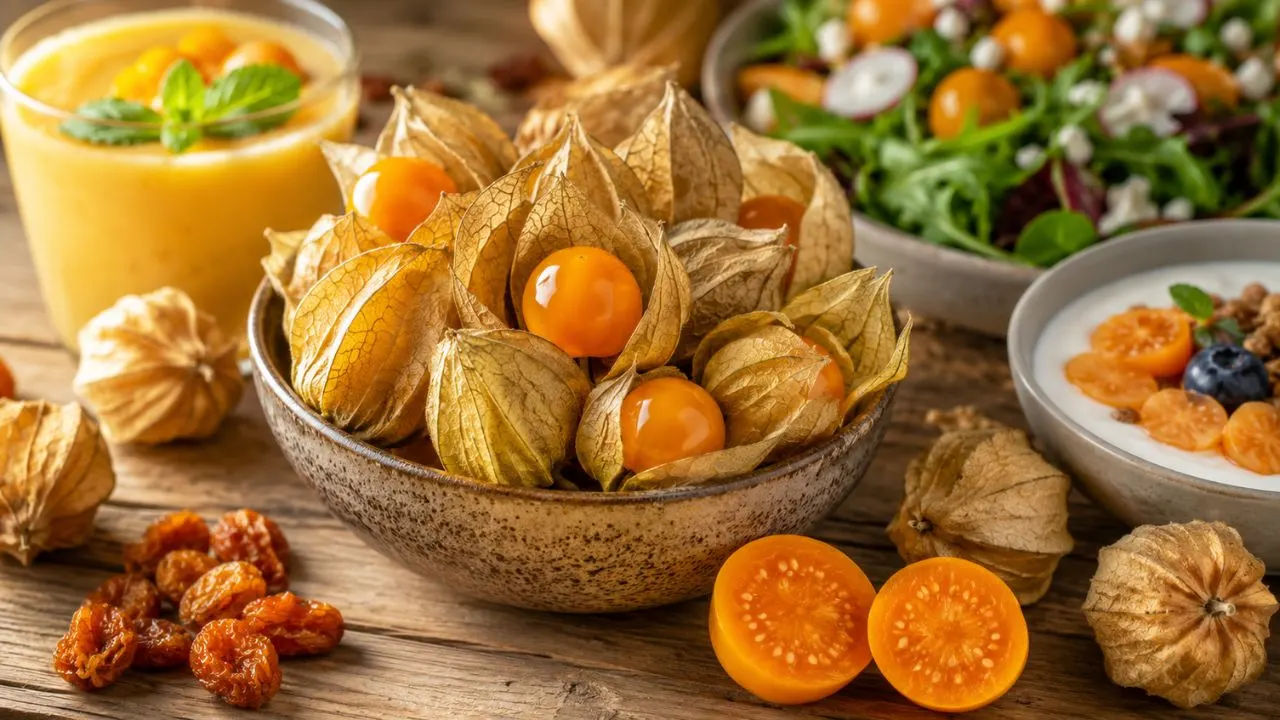
Golden berries are round fruits that grow inside protective husks resembling tiny paper lanterns. Once the husk is removed, the smooth berry underneath usually has a golden-yellow or orange colour and contains numerous small, edible seeds.
The fruit is native to parts of South America, particularly the Andean region, but it is now cultivated in several warm and temperate areas. Commercial production has expanded because the fruit travels relatively well when protected by its natural husk.
Golden berries are related to other Physalis fruits, including ground cherries and tomatillos. However, their flavour and typical culinary uses are different, so the names should not automatically be treated as interchangeable when purchasing ingredients or following recipes.
Fresh golden berries are often sold in small containers with their husks attached. Dried golden berries are also widely available and have a chewier texture, more concentrated flavour and greater natural sugar density per serving than the fresh fruit.
What Do Golden Berries Taste Like?
Golden berries have a distinctive flavour that combines sweetness with noticeable acidity. Many people describe the taste as a mixture of pineapple, passion fruit, citrus, tomato and ripe berries, although the exact flavour changes with ripeness and growing conditions.
A fully ripe golden berry should taste bright, fruity and pleasantly tart rather than sharply sour. The skin provides a gentle snap, while the inside is juicy and filled with tiny seeds that are soft enough to eat.
Unripe berries are usually greener, firmer and more bitter than mature fruit. Their unpleasant flavour is an important warning sign, and green golden berries should not be eaten in an attempt to reduce waste or ripen them through cooking.
Dried golden berries taste sweeter and more intense because much of their water has been removed. Their concentrated tartness works well in trail mixes and baked foods, but portion awareness is helpful because dried fruit is easier to consume quickly.
Golden Berry Nutrition
Golden berries are relatively light, water-rich fruits that provide carbohydrates, fibre and small amounts of protein and fat. Their precise nutritional content can vary according to the variety, ripeness, growing environment, storage conditions and whether the fruit is fresh or dried.
Vitamin C is one of the nutrients commonly associated with golden berries. This vitamin supports normal immune function, collagen formation and antioxidant protection, although the fruit should be consumed as part of a varied diet containing multiple vitamin C sources.
Golden berries also contain carotenoids and polyphenolic compounds responsible for some of their colour and antioxidant activity. These plant compounds are being studied for their biological properties, but laboratory findings should not automatically be interpreted as proven medical benefits in humans.
The fruit contains dietary fibre, which can support digestive regularity and contribute to fullness. Golden berries also provide smaller amounts of minerals and other micronutrients, but they should not be promoted as a complete source of everything the body needs.
Fresh vs Dried Golden Berries
Fresh golden berries have a high water content and provide a refreshing, juicy texture. They can be eaten individually, sliced into salads, blended into smoothies or used as a colourful topping for breakfast bowls and desserts.
Dried golden berries have a more concentrated sweet-and-sour flavour. They are convenient for travel, lunchboxes and pantry storage, but a smaller serving contains more calories and natural sugars than the same weight of fresh berries.
Some packaged dried fruit products contain added sugar, oil or preservatives. Checking the ingredient list can help you choose plain dried golden berries when you want the flavour and nutrition of the fruit without unnecessary sweeteners.
Neither form is automatically better for everyone. Fresh fruit may be more filling for its calorie content, while dried golden berries offer portability and a longer shelf life when consumed in a sensible portion.
Potential Benefits of Golden Berries
Golden berries can support a healthy eating pattern by adding fruit, fibre and plant compounds to meals. Their strong flavour may also make nutritious dishes more appealing without requiring large amounts of syrup, refined sugar or heavy sauces.
Many claims about golden berry benefits are based on their vitamin, carotenoid and polyphenol content. These nutrients and compounds have recognised roles in normal body functions, but the benefits of the whole diet matter more than any single “superfood.”
Early research has explored the antioxidant and anti-inflammatory potential of Physalis peruviana. However, much of the available evidence comes from laboratory, animal or small human studies, so strong claims about disease prevention are not yet justified.
The most realistic benefit is that golden berries provide another enjoyable way to eat a diverse range of fruits. Regularly choosing different colours and varieties can create a broader nutrient intake than repeatedly depending on one fashionable food.
Golden Berries Provide Antioxidant Compounds
Antioxidants help the body manage unstable molecules generated during normal metabolism and exposure to environmental stressors. Golden berries contain vitamin C, carotenoids and polyphenolic compounds that can contribute to the antioxidant content of the diet.
This does not mean that eating a serving will instantly “detox” the body. The liver, kidneys, lungs and digestive system already perform essential waste-processing functions, while nutritious foods support these systems rather than replacing them.
Researchers often measure the antioxidant capacity of fruit extracts in controlled laboratory settings. These results are valuable for identifying promising compounds, but they do not always predict how much of a compound the human body absorbs or uses.
Enjoy golden berries alongside vegetables, whole grains, legumes, nuts and other fruits instead of relying on them alone. A varied dietary pattern provides a wider combination of antioxidants, fibre, vitamins and minerals than one fruit can offer.
Golden Berries May Support Immune Function
Golden berries contain vitamin C, a nutrient needed for several normal immune processes. Vitamin C also contributes to collagen production, iron absorption from plant foods and the protection of cells from oxidative damage.
Eating golden berries can help increase dietary variety, but they do not prevent every infection or cure colds. Immune health also depends on adequate sleep, vaccination, physical activity, stress management and an overall nutritious diet.
Fresh fruit can be paired with iron-rich plant foods such as lentils, beans or leafy vegetables. Vitamin C can help the body absorb non-heme iron, making a colourful golden berry salad a useful addition to certain balanced meals.
People with a diagnosed nutrient deficiency or medical condition should follow personalised professional guidance. Eating more fruit can support general health, but it should not replace prescribed supplements, medicines or medical treatment.
Golden Berries May Support Digestive Health
The dietary fibre in golden berries can support normal bowel movement regularity. Fibre also contributes to fullness and provides material that interacts with the complex community of microorganisms living in the digestive system.
Increasing fibre too quickly may cause gas, bloating or abdominal discomfort in some people. Those who are not accustomed to fruit and other fibre-rich foods should increase their intake gradually while drinking enough fluids.
Golden berries are not a guaranteed remedy for constipation, irritable bowel symptoms or other digestive conditions. Their effect depends on serving size, the rest of the diet and an individual’s tolerance of seeds, fruit acids and fibre.
Anyone with persistent constipation, severe abdominal pain, unexplained weight loss, bleeding or major bowel changes should seek medical advice. Food adjustments can be useful, but concerning symptoms need appropriate evaluation rather than self-treatment with fruit.
Can Golden Berries Support Eye and Skin Health?
Golden berries contain carotenoids, a group of pigments responsible for yellow, orange and red colours in many fruits and vegetables. Certain carotenoids can contribute to normal eye function and provide antioxidant activity within the body.
Vitamin C also supports the formation of collagen, a structural protein found in skin, blood vessels and connective tissues. However, eating golden berries will not instantly remove wrinkles, clear every skin condition or replace sun protection.
Healthy skin is influenced by hydration, genetics, sleep, sun exposure, smoking, stress and overall nutrition. Golden berries can be one part of a skin-supportive diet that includes protein, healthy fats, vegetables and other fruits.
Eye health also depends on more than one food. Regular eye examinations, protection from excessive ultraviolet exposure and management of health conditions remain important, especially for people experiencing visual changes.
Are Golden Berries Good for Weight Management?
Fresh golden berries can fit into a weight-management diet because they provide water, flavour and fibre. Adding them to yoghurt, oatmeal or salads may make meals more enjoyable without relying on heavily sweetened toppings.
No fruit directly burns body fat, and golden berries do not produce automatic weight loss. Changes in body weight are affected by overall energy intake, activity, sleep, medication, health conditions and long-term eating patterns.
Dried golden berries require more attention to serving size because their calories and sugars are concentrated. Eating directly from a large package can make it easy to consume several portions without noticing.
A practical approach is to pair golden berries with protein or healthy fat for a more satisfying snack. Plain yoghurt, nuts, seeds or cottage cheese can balance the fruit and provide a mixture of nutrients and textures.
How to Eat Golden Berries
To eat fresh golden berries, remove the papery husk and inspect the fruit carefully. Wash the berries under clean running water, dry them gently and eat them whole without peeling or removing the small seeds.
Their tangy flavour makes them suitable for both sweet and savoury dishes. They can be added to fruit salads, green salads, cereal, yoghurt, oatmeal, smoothies, salsa, chutney and homemade sauces.
Golden berries also work well in baked products, jams and desserts because their acidity balances sweeter ingredients. Heating may alter some heat-sensitive nutrients, but cooked fruit can still contribute flavour and dietary variety.
Start with a small serving when trying them for the first time. This approach allows you to assess the flavour and notice any digestive discomfort or possible allergic reaction before eating a larger amount.
Easy Ways to Add Golden Berries to Meals
For breakfast, slice golden berries over oatmeal and add plain yoghurt, seeds or chopped nuts. Their acidity can brighten mild foods while adding colour and a natural fruity flavour.
For lunch, combine them with leafy greens, cucumber, avocado and a simple dressing. Their sweet-tart character pairs particularly well with creamy, salty and earthy ingredients in a balanced salad.
Golden berry salsa can be made by combining chopped ripe fruit with tomato, onion, coriander and lime. It can be served with grilled fish, beans, roasted vegetables or other foods that benefit from fresh acidity.
Dried golden berries can be mixed with unsalted nuts and seeds for a portable snack. They can also replace some raisins or cranberries in homemade granola, although their naturally tart flavour will remain noticeable.
How Many Golden Berries Should You Eat?
There is no universal serving recommendation created specifically for golden berries. A small handful of fresh fruit can be treated similarly to a modest serving of other berries within an overall balanced diet.
The suitable amount depends on personal calorie needs, digestive tolerance, blood glucose goals and the other foods being eaten. More is not necessarily better, particularly when consuming concentrated dried golden berries.
People monitoring carbohydrate intake can check the nutrition label on packaged products. Labels are especially helpful for dried berries because serving sizes, added ingredients and sugar content can differ between brands.
Eating a moderate serving also leaves room for other fruits. Rotating golden berries with citrus, apples, bananas, melons and conventional berries can make the diet more diverse and affordable.
Are Golden Berries Safe to Eat?
Ripe golden berries sold for food are generally eaten as ordinary fruit. They should be fully coloured, free from mould and separated from the husk before washing and consumption.
Green, unripe fruit should not be eaten because immature Physalis fruit may contain potentially harmful natural compounds. The leaves, stems and other plant parts should also be treated as non-edible.
Do not assume that every lantern-shaped garden plant produces safe fruit. Different Physalis species and similar-looking ornamental plants can be confused, so only consume fruit that has been correctly identified and intended for food.
Seek urgent professional advice after a suspected poisoning or a serious reaction. Symptoms such as persistent vomiting, breathing difficulty, facial swelling, confusion or severe weakness should not be managed through online dietary advice alone.
Possible Side Effects of Golden Berries
Some people may experience bloating, stomach discomfort or changes in bowel habits after eating a large quantity. The fruit’s fibre, seeds and natural acidity may be difficult for individuals with sensitive digestive systems.
Food allergy is possible even when it is uncommon. Stop eating the fruit and seek medical help if it causes hives, swelling, wheezing, throat tightness, dizziness or difficulty breathing.
People with a known allergy to related nightshade foods should approach golden berries cautiously and discuss concerns with an allergy professional. Belonging to the same plant family does not guarantee a reaction, but individual sensitivities differ.
Pregnant or breastfeeding individuals and people using medication should avoid concentrated golden berry supplements unless professionally advised. Ordinary food portions and high-dose extracts are not equivalent, and supplement safety may be less established.
Golden Berries and Blood Sugar
Golden berries contain naturally occurring carbohydrates and sugars, as other fruits do. Fresh berries also provide water and fibre, which makes them different from sweets and sugar-sweetened drinks.
People with diabetes do not necessarily need to avoid golden berries. However, portion size, total carbohydrate intake and individual blood glucose response should be considered as part of a personalised eating plan.
Dried golden berries contain more concentrated carbohydrates in a smaller volume. Checking the serving information and choosing unsweetened varieties can make carbohydrate tracking easier.
Golden berry extracts should not be used as substitutes for diabetes medication. Although early research may explore metabolic effects, evidence is not strong enough to justify changing prescribed treatment without professional supervision.
How to Choose Ripe Golden Berries
Look for fruits with an even golden-yellow or orange colour. The berries should feel firm but not hard, and the skin should appear smooth rather than severely shrivelled, split or mouldy.
The surrounding husk should generally feel dry and papery rather than wet or slimy. A dry husk helps protect the fruit, although its appearance may become faded or slightly torn during normal handling.
Avoid berries that remain distinctly green, taste strongly bitter or show signs of decay. Unripe fruit should not be sampled simply to determine whether it is safe enough to eat.
When purchasing packaged golden berries, inspect the bottom of the container for leaking juice and damaged fruit. One spoiled berry can encourage moisture and mould to spread through the package.
How to Store Golden Berries
Golden berries may last longer when their protective husks remain attached. Keep them dry and follow the storage instructions provided by the retailer or producer, especially when buying commercially packaged fruit.
For longer storage, place ripe berries in the refrigerator with enough airflow to reduce trapped moisture. Wash them shortly before eating rather than before storage, because excess water can accelerate deterioration.
Discard berries that develop mould, fermentation smells, excessive softness or leaking liquid. Removing spoiled fruit promptly can help prevent deterioration from spreading to the remaining berries.
Dried golden berries should be kept in a tightly closed container in a cool, dry location. Heat, moisture and repeated exposure to air can reduce quality and encourage clumping or spoilage.
Can You Grow Golden Berries at Home?
Golden berry plants can be grown in suitable climates and are valued for their attractive lantern-like husks. They generally prefer sunlight, warm conditions and soil that drains well rather than remaining constantly waterlogged.
Gardeners in cooler climates may start plants indoors and move them outside after frost risk has passed. The growing season, plant size and fruit production can vary according to location and cultivar.
Correct identification is essential because not every similar-looking plant should be eaten. Only harvest fruit from a known edible cultivar, and wait until the berry has fully developed its mature golden colour.
Keep children and pets away from leaves, stems and unripe berries. Growing an edible fruit does not mean that every part of the plant is suitable for consumption.
Common Myths About Golden Berries
One common myth is that golden berries can detoxify the body. They contain useful nutrients and plant compounds, but they do not remove toxins through a special cleansing mechanism or replace the body’s normal organs.
Another claim is that the fruit can cure inflammation, diabetes, cancer or other diseases. Laboratory studies can identify promising biological activity, but this is not the same as proving that eating the fruit treats a medical condition.
Golden berries are also sometimes advertised as a guaranteed weight-loss food. They may fit into a balanced calorie-conscious diet, but no individual fruit can overcome consistently unsuitable portions or an unsustainable eating pattern.
Calling golden berries a superfood can make them sound nutritionally essential. In reality, they are one useful fruit among many, and people can maintain a healthy diet without purchasing expensive or difficult-to-find products.
Should You Add Golden Berries to Your Diet?
Golden berries are worth trying when you enjoy tart fruit and want to introduce more variety into meals. Their colour, texture and tropical flavour can make familiar dishes feel more interesting.
They provide fibre, vitamin C and several naturally occurring plant compounds. Their benefits are most meaningful when they replace less nutritious toppings or become part of a varied pattern rich in whole foods.
Choose ripe fruit, remove the husks and avoid consuming leaves, stems or green berries. Begin with a moderate portion, particularly when you have a sensitive stomach or have never eaten the fruit before.
Golden berries are nutritious, but they are not miracle medicine. Enjoying them as ordinary food—rather than expecting dramatic health results—is the safest and most realistic approach.
Final Thoughts
Golden berries are vibrant, sweet-tart fruits known by names including cape gooseberry, Inca berry, uchuva and rasbhari. Their papery husks, golden colour and distinctive flavour make them different from more familiar supermarket berries.
Their nutritional profile includes vitamin C, fibre, carotenoids and polyphenolic compounds. These components can contribute to a balanced diet, although research does not support using the fruit as a cure for medical conditions.
Fresh berries can be enjoyed alone or added to salads, yoghurt, oatmeal, sauces and smoothies. Dried varieties are convenient, but their concentrated calories and natural sugars make reasonable portion sizes more important.
For safe consumption, choose fully ripe fruit intended for eating and discard green berries or non-edible plant parts. With these precautions, golden berries can provide an enjoyable and colourful addition to a varied diet.
Are golden berries the same as gooseberries?
No. Golden berries are also called cape gooseberries, but they belong to the Physalis genus and are different from traditional European or American gooseberries.
Can you eat golden berries raw?
Yes, fully ripe golden berries can be eaten raw after removing the papery husk and washing the fruit. Avoid green or bitter-tasting unripe berries.
How many golden berries can you eat daily?
There is no official daily amount specifically for golden berries. A small handful can fit into a varied diet, depending on personal needs and digestive tolerance.
Are dried golden berries healthy?
Unsweetened dried golden berries provide fibre and plant compounds, but their calories and sugars are concentrated. Check the ingredient list and keep the serving moderate.
What happens if you eat unripe golden berries?
Unripe green berries may contain potentially harmful natural compounds and should not be eaten. Seek professional advice if they cause vomiting, severe pain or other concerning symptoms.