

Apricot Seeds: Uses, Risks & Safety Concerns
Apricot seeds, more accurately called apricot kernels when referring to the edible-looking material inside the hard stone, have attracted attention as both a traditional food ingredient and a controversial alternative-health product. The kernels contain fats, protein, and naturally occurring plant compounds, but they can also contain amygdalin, a cyanogenic compound capable of releasing cyanide after ingestion. Bitter apricot kernels generally contain more amygdalin than sweet varieties, making their consumption particularly concerning. Some products have been marketed for general wellness or even cancer treatment under terms such as amygdalin, laetrile, or “vitamin B17.” Strong clinical evidence does not support these cancer-treatment claims. The potential for cyanide poisoning means apricot kernels require much more caution than ordinary nuts or seeds.
The edible flesh of an apricot is different from the kernel hidden inside its stone and does not carry the same cyanide concern during normal consumption. Problems arise when people crack open apricot stones and chew, grind, blend, or swallow the kernels inside, especially bitter kernels or concentrated products. In May 2024, the U.S. Food and Drug Administration warned consumers about specific bitter apricot seed products after testing found high levels of amygdalin capable of causing potentially fatal cyanide toxicity. Symptoms can range from headache and dizziness to breathing difficulty, seizures, cardiovascular collapse, coma, and death in severe cases. Because amygdalin content can vary greatly between kernels, judging safety by appearance is unreliable. Understanding the difference between culinary apricot fruit and concentrated kernel consumption is therefore essential.
What Are Apricot Seeds?
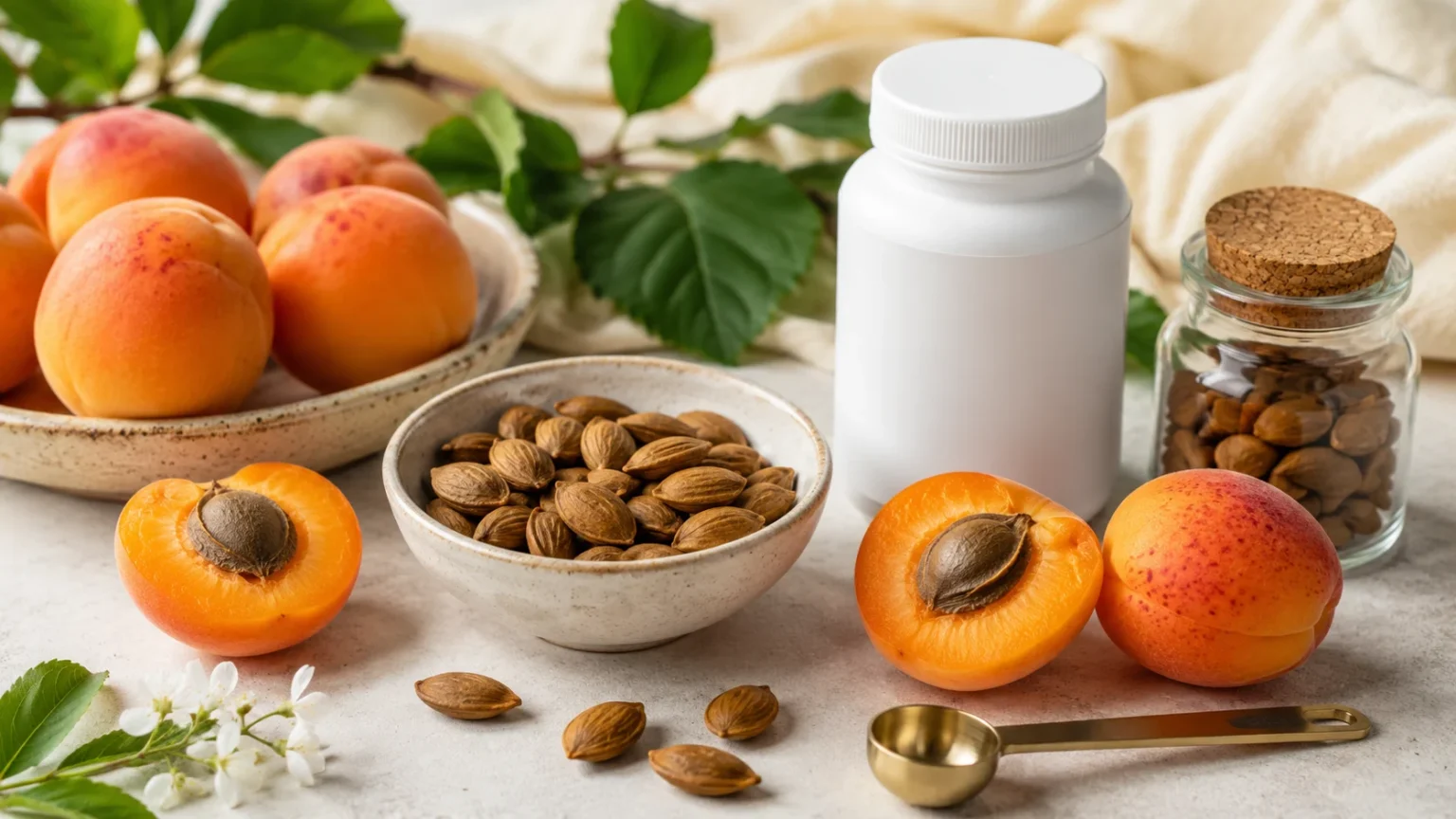
An apricot is a stone fruit containing soft edible flesh surrounding a hard central pit or stone. Inside that hard shell is a small kernel that resembles an almond in shape and appearance. In everyday conversation, people often call this inner kernel an apricot seed, even though the terminology can vary. The outer stone is hard and normally discarded when people eat fresh apricots. The kernel becomes accessible only after the stone is cracked open, which is why ordinary consumption of apricot fruit does not generally expose people to meaningful amounts of amygdalin. Confusing the edible fruit with the kernel can make online safety discussions unnecessarily difficult.
Apricot kernels can be broadly described as sweet or bitter, although appearance alone does not provide a dependable measurement of their chemical composition. Bitter kernels generally contain greater concentrations of amygdalin, the compound responsible for much of the safety concern. Amygdalin belongs to a group of plant chemicals known as cyanogenic glycosides because they can produce cyanide during metabolism. Similar compounds occur naturally in the pits of peaches, cherries, plums, and certain other plants. Their presence is part of normal plant chemistry rather than evidence that the fruit itself is inherently poisonous. The risk depends heavily on which plant part is eaten, how much is consumed, and how the material is processed.
The kernels also contain nutritional components, including oils, fatty acids, protein, and other plant substances. This nutritional profile sometimes leads sellers to describe apricot kernels as a health food comparable with almonds or other nuts. That comparison can be misleading because the amygdalin content creates a safety issue not encountered in the same way with ordinary commercial nuts. Nutritional value does not cancel out the presence of a potentially toxic compound. Many naturally occurring foods contain substances that become dangerous at particular concentrations or when prepared incorrectly. Evaluating apricot kernels therefore requires considering both their nutrients and their cyanide-producing potential rather than focusing on only one side of the picture.
Apricot kernels have been used historically in certain food traditions after processing, and apricot kernel oil has cosmetic and culinary applications. Processing methods can sometimes reduce cyanogenic compounds, but the amount removed depends on the method and cannot be judged reliably in a home kitchen. Commercial products may be roasted, ground, soaked, pressed into oil, or incorporated into flavoring preparations. A processed food containing a regulated apricot-derived ingredient is different from eating handfuls of raw bitter kernels. Consumers should therefore avoid assuming that traditional culinary use proves unrestricted raw-kernel consumption is safe. Preparation, quantity, variety, and quality control all influence potential exposure.
Interest in raw kernels expanded substantially because of alternative-health marketing rather than ordinary culinary use. Bitter apricot kernels are frequently discussed online alongside amygdalin and laetrile, compounds promoted historically as alternative cancer treatments. Amygdalin has also been called “vitamin B17,” although it is not an established vitamin required for human nutrition. The National Cancer Institute states that amygdalin has not been shown to work as a cancer treatment in human clinical trials. Laetrile is likewise not approved by the FDA as a cancer treatment in the United States. These facts are important because consuming kernels for supposed medical benefits may expose people to substantial risk without providing a demonstrated therapeutic advantage.
Why Apricot Kernels Can Release Cyanide
Amygdalin is the primary compound responsible for the cyanide concern surrounding raw apricot kernels. It is naturally present in several plants and is particularly concentrated in some bitter fruit kernels. When amygdalin is broken down by enzymes in the digestive system, it can generate hydrogen cyanide, which then contributes to cyanide exposure within the body. Cyanide is dangerous because it interferes with cells’ ability to use oxygen effectively. A person may therefore have oxygen circulating in the blood while tissues become unable to use it normally. This mechanism explains why serious poisoning can progress rapidly and affect the brain, heart, breathing, and other essential functions.
Chewing or grinding kernels can increase concern because breaking the plant material apart makes its contents more accessible during digestion. Powdered apricot kernel products can likewise deliver amygdalin without the physical barrier of an intact hard stone. Poison Control warns that the kernel inside the pit contains the relevant cyanogenic compound and advises against chewing or grinding apricot seeds. This is different from accidentally swallowing an intact apricot stone, which is less likely to release the same amount because the hard exterior may remain largely unbroken. An intact pit can still pose a choking or intestinal-obstruction concern, particularly for children. Deliberately opening and eating the inner kernel creates a different toxicological situation.
Amygdalin concentrations are not identical from one kernel to another. Variety, growing conditions, geographical origin, processing, and whether the kernel is sweet or bitter can all affect cyanogenic content. This variability makes statements such as “I always eat the same number without problems” unreliable as a safety guarantee. One batch may contain considerably more amygdalin than another even if the kernels look similar. Product packaging may also fail to provide accurate information about cyanide potential. For this reason, counting kernels does not provide the same precision as measuring a standardized medication. Natural variation is a major reason health authorities take a cautious approach toward raw bitter apricot kernels.
The FDA highlighted this concern in its May 2024 safety warning involving three bitter apricot seed products. Laboratory testing identified high concentrations of amygdalin, and the agency stated that consuming the products could lead to fatal cyanide toxicity. The FDA advised consumers to stop using and dispose of the identified products and recommended immediate medical guidance for people who had consumed them. That warning demonstrates that cyanide exposure from commercially sold kernels is not merely a theoretical laboratory possibility. Products sold online with natural or wellness-oriented branding can still contain biologically dangerous concentrations. “Natural” describes the source of amygdalin, not the safety of the resulting dose.
Cyanide risk is also why apricot kernel safety cannot be evaluated like an ordinary dietary supplement discussion about whether a product works. Even if future studies identified useful biological effects from particular apricot compounds, researchers would still need to determine how those compounds could be delivered without dangerous cyanide exposure. Pharmacology requires a favorable relationship between potential benefit and harm. Simply eating more kernels increases exposure to both desired and undesired chemicals simultaneously. People should therefore be skeptical of arguments claiming that toxicity proves the kernels are powerful medicines. A substance can have biological activity and still be too dangerous or ineffective to serve as a useful treatment.
Common Uses of Apricot Seeds and Kernels
Apricot kernels have traditional culinary uses in some regions, particularly after preparation intended to alter flavor or chemical content. Certain confectionery products and flavorings have historically used processed stone-fruit kernels because compounds within them can contribute an almond-like aroma. Commercial food production typically operates under food-safety standards that differ from eating raw bitter kernels at home. Products may undergo heating, extraction, dilution, or other processing before consumption. The presence of an apricot-derived flavor in a manufactured food therefore should not be interpreted as evidence that raw kernels can be eaten freely. Culinary context, processing, and concentration matter substantially when evaluating exposure.
Apricot kernel oil represents another common use. The oil is obtained by pressing the kernels and is used in skincare products, massage preparations, cosmetics, soaps, and occasionally food applications where permitted and appropriately processed. Cosmetic users may value the oil for its emollient properties and fatty-acid profile. Topical use is fundamentally different from chewing raw kernels because the route and amount of exposure are different. Even so, people with sensitive skin can potentially react to cosmetic ingredients, so new products should be used according to labeling. The presence of apricot kernel oil in cosmetics should not be used as evidence that whole raw kernels are safe to consume internally.
Some people purchase apricot kernel powder, extracts, or crushed seeds as wellness supplements. These products may be promoted for antioxidants, immunity, digestive health, energy, or general disease prevention. The problem is that broad health claims are frequently based on laboratory findings involving isolated compounds rather than well-designed human trials demonstrating meaningful benefit. Concentrated powders can also make it easier to ingest substantial amounts of amygdalin rapidly. Users may assume a measured spoonful is safer than eating kernels because the product resembles a conventional supplement. Unless cyanogenic content has been appropriately controlled, grinding does not remove the underlying hazard and can instead increase accessibility of the compounds during digestion.
The most controversial use involves consuming bitter apricot kernels as a supposed source of amygdalin for cancer prevention or treatment. This practice developed from historical promotion of laetrile and related substances as alternative cancer therapies. Supporters have sometimes claimed that cyanide released from amygdalin selectively targets cancer cells, but human clinical evidence has not demonstrated an effective anticancer benefit. The National Cancer Institute reports that laetrile showed little anticancer activity in animal studies and no anticancer activity in human clinical trials. Serious toxic effects resembling cyanide poisoning have also been documented. Replacing established cancer treatment with kernels can therefore create two risks at once: direct toxicity and delay of effective medical care.
Apricot kernels are also sometimes described as a natural source of “vitamin B17.” This name can make amygdalin sound like a recognized essential nutrient that people need to prevent deficiency. It is not an established vitamin, and there is no recognized human deficiency disease caused by failing to consume amygdalin. The National Cancer Institute specifically notes that amygdalin is sometimes called vitamin B17 while also explaining that it has not been shown effective against cancer. Consumers should distinguish marketing terminology from nutritional classifications supported by evidence. Apricots themselves can be part of a healthy diet, but eating the cyanogenic kernel is not necessary to obtain an essential vitamin.
Apricot Seeds, Amygdalin and Cancer Claims
The cancer-related history of apricot kernels is closely connected with amygdalin and laetrile. Amygdalin occurs naturally in apricot pits and several other plants, while laetrile refers to preparations historically promoted as cancer therapy and often associated with amygdalin. Alternative-health proponents claimed these compounds could release cyanide selectively inside cancer cells while sparing healthy tissue. That theory became popular despite lacking convincing clinical confirmation. Scientific evaluation requires demonstrating not only that a compound can affect cells under laboratory conditions but also that it safely improves survival, tumor response, symptoms, or other meaningful outcomes in people. Human research did not establish such a benefit for laetrile.
The National Cancer Institute summarizes one notable phase II study involving 175 patients with different cancers. Most participants had cancers such as breast, colon, or lung cancer and received amygdalin as part of a treatment program. Approximately half had cancer progression by the end of treatment, and all participants had experienced progression within seven months after treatment ended. Some people reported temporary improvements in symptoms or daily functioning, but those changes did not translate into durable cancer control. These findings do not support the claim that amygdalin provides an effective anticancer treatment. The NCI therefore states that laetrile has not demonstrated meaningful anticancer effectiveness in human clinical trials.
Laboratory research can sometimes be cited online as proof that apricot kernels kill cancer cells. Many compounds can damage cancer cells in a laboratory dish, including substances that would also be toxic to healthy human tissues. A useful cancer treatment must reach the tumor at an effective concentration while producing an acceptable level of harm elsewhere in the body. Cyanide is broadly toxic because it disrupts cellular oxygen utilization rather than targeting only malignant tissue. Laboratory activity therefore cannot justify eating raw kernels as therapy. Clinical evidence, dosing, pharmacokinetics, safety monitoring, and comparison with established treatment all matter before an anticancer intervention can be considered medically useful.
Using apricot kernels alongside conventional cancer therapy also deserves caution. Patients may believe complementary use is harmless because they are not replacing chemotherapy, radiation, surgery, immunotherapy, or other prescribed treatment. However, cyanide toxicity can create additional illness and complicate an already demanding treatment course. The NCI notes that oral laetrile toxicity can be worsened by certain dietary combinations and high-dose vitamin C. Cancer patients may also have reduced nutritional reserves, liver or kidney impairment, or medication regimens that make preventable toxic exposure especially undesirable. Oncologists should therefore know about supplements, kernels, extracts, or alternative products a patient is using, even when those products are described as natural foods.
People facing cancer are understandably interested in treatments that might improve their chances, especially when standard therapy is difficult or prognosis is uncertain. That vulnerability makes accurate communication particularly important. An online seller claiming that medical institutions are suppressing a simple apricot-kernel cure is making a very different type of claim from a researcher reporting experimental findings. Patients deserve evidence showing whether an intervention improves outcomes and what risks accompany it. Current clinical evidence does not establish apricot kernels, amygdalin, or laetrile as effective cancer treatments. Anyone considering them because of a cancer diagnosis should discuss the claim with an oncology team before exposing themselves to cyanide-producing products.
Apricot Seed Risks and Cyanide Poisoning
Cyanide poisoning is the central acute safety concern associated with raw apricot kernels. Cyanide interferes with the ability of cells to use oxygen, which can rapidly affect organs with high energy requirements, particularly the brain and cardiovascular system. Early symptoms may include headache, weakness, dizziness, nausea, vomiting, confusion, or difficulty breathing. Affected people can become unusually sleepy or unsteady as toxicity progresses. These symptoms are not unique to cyanide poisoning, so someone may initially mistake them for a stomach illness, anxiety, or another problem. A history of consuming bitter apricot kernels makes the possibility considerably more important and should be communicated immediately to healthcare professionals.
Severe poisoning can progress to seizures, abnormal heart rhythms, very low blood pressure, cardiovascular collapse, loss of consciousness, coma, and death. The FDA specifically lists breathing difficulty, cyanosis, weakness, and lightheadedness among mild-to-moderate toxicity effects from amygdalin-containing kernels, with severe exposures capable of causing metabolic acidosis and cardiovascular collapse. Cyanosis refers to blue or gray discoloration associated with inadequate oxygen use or circulation. Serious symptoms require emergency medical care rather than home observation. Cyanide can act quickly, and waiting for symptoms to become unmistakable may waste valuable treatment time.
Repeated exposure creates a different concern from one large acute dose. FDA information notes that chronic consumption of foods containing high concentrations of cyanogenic glycosides can contribute to neurological problems. Reported concerns include impaired vision related to optic nerve injury, hearing problems, loss of balance, and sensory or motor nerve dysfunction. Chronic toxicity can be harder to recognize because symptoms may develop less dramatically than acute poisoning. Someone taking kernels every day as a wellness routine may therefore interpret neurological symptoms as unrelated. The fact that a person has consumed kernels repeatedly without collapsing does not prove the habit is safe. Long-term exposure can produce risks that differ from a single episode.
Children face particular concern because their smaller body size means a smaller absolute amount of cyanide-producing material can represent a larger dose relative to body weight. EFSA concluded that even a small amount of raw kernel can exceed its acute reference level for young children. Kernels also resemble nuts, making accidental consumption plausible if they are stored in kitchens or supplement containers where children can reach them. The hard outer apricot stone creates an additional choking hazard if swallowed intact. Parents should therefore remove stones before giving apricots to young children and should not treat kernel products as ordinary snack foods. Safe storage matters just as much as understanding intentional adult consumption.
Another risk is delayed medical care because symptoms may not begin immediately after ingestion. Amygdalin has to be metabolized before cyanide exposure develops, so an individual can initially feel well after eating kernels. Poison Control notes that symptoms can be delayed for this reason. Someone who has eaten crushed or chewed bitter apricot kernels should not use the absence of immediate symptoms as proof that the exposure was harmless. If a potentially significant exposure has occurred, poison-control or healthcare guidance is more appropriate than waiting for dizziness or breathing problems to appear. Early consultation allows professionals to assess the amount, preparation, age, body size, symptoms, and need for urgent evaluation.
How Much Apricot Kernel Is Considered Safe?
There is no simple universal number of raw apricot kernels that can be guaranteed safe for every person. Amygdalin concentrations can vary greatly between varieties and individual kernels, especially between sweet and bitter types. Body weight also influences exposure because the same amount represents a larger dose for a small child than for an adult. Chewing, crushing, or grinding affects how easily the kernel contents are released during digestion. This variability makes household counting an unreliable way to control cyanide exposure. From a practical consumer-safety perspective, avoiding raw bitter apricot kernels is considerably more dependable than trying to identify a personal threshold through experimentation.
The European Food Safety Authority has developed an acute reference dose for cyanide exposure and used it to evaluate raw apricot kernels. Its assessment found that consuming more than three small raw kernels, or even less than half of a large kernel in some circumstances, could exceed the acute reference level for an adult. For toddlers, even a very small amount could exceed the corresponding safety benchmark. These figures are not recommended serving sizes and should not be interpreted as encouragement to consume kernels up to a numerical limit. They illustrate how little raw kernel material may be needed to raise concern and how variable kernel size complicates apparently simple advice.
A person may see online recommendations suggesting much larger quantities, particularly on websites promoting kernels for cancer treatment. EFSA specifically noted that some sellers had promoted intakes far exceeding the amounts associated with its acute safety benchmark. This is an important example of why commercial dosing advice should not be trusted automatically. A seller profits when more product is consumed and may not base recommendations on toxicological evidence. Health authorities approach the issue from a different perspective by considering cyanide exposure and population safety. When wellness marketing and toxicology conflict, consumers should prioritize evidence about harm rather than assuming that a high recommended amount proves the product is safe.
Whole intact apricot pits present a different situation from the exposed inner kernels. Poison Control explains that accidentally swallowing one or two intact, unchewed stones is less concerning for cyanide because the hard shell may prevent release of the kernel contents. That does not make swallowing pits a recommended practice, because they can still create choking or gastrointestinal problems depending on size and age. The key safety distinction is between an intact hard stone and the inner kernel obtained after cracking it open. Chewing the kernel, grinding it into powder, or adding it to smoothies eliminates the protective physical barrier and increases exposure to amygdalin-containing material.
Consumers should therefore avoid using a “safe number of kernels” as the main decision tool. Unlike standardized medicines, raw kernels do not come with predictable concentrations of active and toxic compounds. A more useful rule is to eat the apricot flesh, discard the pit, and avoid raw bitter kernels marketed for medicinal use. People who encounter processed apricot-kernel ingredients in regulated foods should follow normal serving information rather than assuming those products are equivalent to raw kernels. Anyone considering concentrated kernel products for a health problem should ask whether the claimed benefit has human evidence strong enough to justify cyanide exposure. For cancer treatment, that evidence has not been demonstrated.
What to Do After Eating Apricot Kernels
Someone who accidentally swallows an intact apricot stone while eating the fruit is in a different situation from someone who has chewed or consumed multiple inner kernels. Poison Control notes that a small number of intact, unchewed pits will often pass through the digestive system without releasing significant kernel contents. However, choking risk or gastrointestinal blockage can still matter, particularly for young children or anyone with swallowing difficulties. If breathing, swallowing, severe abdominal pain, or vomiting becomes a problem, medical assistance is appropriate. The person’s age, size, number of pits, and whether the hard shells were broken should all be considered when deciding what guidance is needed.
Chewed, crushed, blended, or ground kernels create greater concern because amygdalin can be more readily metabolized. If someone consumes bitter kernels intentionally or accidentally, contacting a poison-control service or healthcare professional promptly is safer than relying on online calculations. Professionals can assess the particular exposure and determine whether observation, testing, or emergency treatment is needed. People should be ready to provide the product name, amount consumed, approximate time, whether the kernels were chewed, and any symptoms. Keeping the package available can help clinicians identify what was taken. Deliberately inducing vomiting is generally not something people should do unless a poison specialist specifically directs them to do so.
Serious symptoms should be treated as an emergency. Difficulty breathing, severe weakness, confusion, fainting, seizures, blue or gray discoloration, inability to stay awake, or collapse can indicate significant toxicity. Emergency medical services should be contacted immediately rather than transporting an unstable person without assistance when emergency care is available. A healthcare team needs to know specifically that apricot kernels or amygdalin may be involved because cyanide toxicity requires rapid recognition. Describing the exposure simply as “some seeds” may not communicate the risk clearly enough. If a supplement or powder was involved, take the container or photograph of the label when this can be done without delaying emergency care.
A person who has been eating apricot kernels routinely but does not currently have severe symptoms should still tell their healthcare professional about the habit. Repeated exposure can matter, particularly if unexplained weakness, dizziness, balance changes, visual problems, numbness, or other neurological symptoms have developed. The FDA’s 2024 warning specifically recommended that consumers who had used the products of concern inform their healthcare providers, even when use was not recent. Medical professionals can evaluate whether symptoms warrant additional investigation and can document supplement exposure alongside medications and health conditions. Discontinuing a risky product is more useful than continuing it while waiting for laboratory evidence of poisoning.
People using kernels because they have cancer need another form of follow-up as well. Stopping apricot kernels should not mean abandoning all treatment or feeling that no alternatives remain. An oncologist can discuss evidence-based therapies, clinical trials, symptom management, palliative care when appropriate, and complementary strategies with more favorable safety profiles. Patients should bring supplement labels and explain exactly what they have been taking so interactions and toxicity can be considered accurately. Healthcare teams benefit from honest information and should know about alternative therapies even when they did not recommend them. The priority is keeping treatment decisions based on the best available evidence while minimizing preventable harm.
Safer Ways to Enjoy Apricots and Similar Foods
The simplest way to enjoy apricots safely is to eat the fruit and discard the hard stone. Fresh apricots provide carbohydrates, fiber, carotenoid pigments, potassium, and other nutrients without requiring consumption of the cyanogenic kernel. Dried apricots are another convenient option, although their natural sugars and calories become more concentrated when water is removed. The fruit can be added to yogurt, oatmeal, salads, baked foods, sauces, or snacks. None of these uses require cracking open the pit. People interested in apricots for nutrition can therefore obtain food-related benefits while avoiding the primary kernel safety issue.
People seeking healthy fats or plant protein have many alternatives that do not carry the same cyanide concern. Almonds, walnuts, pistachios, peanuts, sunflower seeds, pumpkin seeds, chia seeds, and other commonly consumed foods provide useful nutrients when appropriate for the individual’s diet and allergies. These options are supported by far more established food-use practices than raw bitter apricot kernels. Consumers do not need to choose a risky seed simply because it contains oil or protein. A food’s nutritional value should be judged alongside its safety and the ease with which comparable nutrients can be obtained elsewhere. Substitution is particularly sensible when the proposed benefit is general wellness rather than treatment of a specific diagnosed deficiency.
For people attracted by antioxidant claims, fruits and vegetables provide numerous naturally occurring phytochemicals without requiring concentrated cyanogenic exposure. Berries, citrus fruits, leafy greens, tomatoes, carrots, legumes, nuts, herbs, and many other foods contribute different antioxidant compounds within normal dietary patterns. Human health depends on overall diet quality rather than maximizing one laboratory antioxidant measurement. Claims that apricot kernels uniquely protect cells because of amygdalin do not establish that eating the kernels improves health outcomes. A diverse diet provides a broader mix of nutrients while reducing dependence on any one controversial ingredient. The safest food strategy is often variety rather than extreme intake of a single “superfood.”
People seeking complementary cancer support can also focus on approaches that do not involve cyanide-producing compounds. Nutrition counseling, appropriate physical activity, psychological support, symptom management, sleep care, and evidence-based integrative therapies can improve aspects of quality of life during treatment. The appropriate approach depends on the cancer type, treatment, symptoms, and medical condition. Complementary care should be coordinated with the oncology team so it supports rather than interferes with treatment. Apricot kernels are especially problematic because the proposed anticancer benefit has not been demonstrated while a clear toxicological mechanism exists. A treatment does not become safer simply because it is sold outside conventional healthcare.
Ultimately, apricot seed safety is easier to understand when separating the edible fruit from the medicinal claims surrounding the kernel. Apricot flesh is an ordinary food, while raw bitter kernels can expose the body to amygdalin that is converted into cyanide. Processed culinary products and cosmetic oils represent different forms of exposure and should be evaluated according to their intended use. Eating raw kernels to prevent or treat cancer is not supported by clinical evidence and can cause serious poisoning. Consumers should avoid assuming that bitterness, natural origin, or traditional use makes a concentrated plant product safe. When a food or supplement can produce cyanide, caution should take priority over unproven health promises.
Frequently Asked Questions About Apricot Seeds
Are apricot seeds safe to eat?
Raw apricot kernels, particularly bitter varieties, can contain amygdalin that releases cyanide during digestion. Because concentrations vary substantially, health authorities warn that even relatively small amounts can exceed safety benchmarks, making deliberate raw-kernel consumption risky.
Do apricot seeds contain cyanide?
The kernels contain amygdalin, a cyanogenic glycoside that can be converted into hydrogen cyanide in the body. The apricot fruit itself does not create the same concern during normal consumption.
Can apricot seeds cure cancer?
No reliable human clinical evidence shows that apricot kernels, amygdalin, or laetrile cure cancer. The National Cancer Institute reports that laetrile has not demonstrated effective anticancer activity in human clinical trials and is not approved as a cancer treatment in the United States.
What are the symptoms of apricot seed poisoning?
Possible cyanide-toxicity symptoms include headache, dizziness, weakness, nausea, breathing difficulty, confusion, and abnormal skin coloration. Severe poisoning can progress to seizures, cardiovascular collapse, coma, and death and requires emergency medical attention.
What should I do if I accidentally eat apricot kernels?
If an intact apricot pit was accidentally swallowed, the risk differs from chewing or consuming the inner kernel, although choking and gastrointestinal concerns can still apply. If kernels were chewed, crushed, or eaten in quantity, contact a poison-control service or healthcare professional promptly, and seek emergency help immediately if serious symptoms develop.