


Menstrual cramps are a common problem that can make everyday activities uncomfortable. Many people experience lower abdominal pain, back discomfort, and pelvic pressure during their periods. While heating pads and pain-relieving medicines are familiar options, some people wonder whether sexual activity can also help relieve menstrual cramps.
So, does sex help with cramps? Some people report temporary relief, possibly because of natural pain-relieving chemicals released during sexual arousal and orgasm. However, scientific evidence is limited, and the experience varies from person to person. Understanding what causes cramps and which treatments are effective can help you make informed decisions about menstrual health.
What Causes Menstrual Cramps?
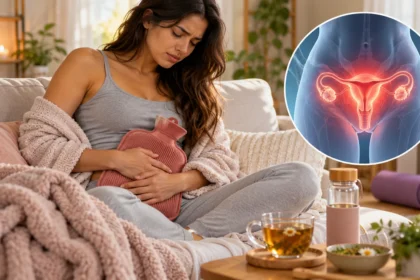
Menstrual cramps, medically known as dysmenorrhea, occur when the uterus contracts during menstruation. These contractions help the body shed the uterine lining as part of the normal menstrual cycle. Chemical compounds called prostaglandins play an important role in triggering these contractions. Higher prostaglandin activity is associated with stronger uterine contractions and more noticeable menstrual discomfort.
Period cramps commonly affect the lower abdomen, although pain can also spread to the lower back and upper legs. Some people experience additional symptoms, including nausea, headaches, fatigue, or changes in bowel habits. Discomfort often begins shortly before menstruation or during the first days of bleeding. The intensity and duration can differ significantly between individuals and menstrual cycles.
Not all menstrual pain has the same underlying cause. Primary dysmenorrhea refers to common period cramps without an identifiable pelvic condition, while secondary dysmenorrhea develops because of another health issue. Conditions such as endometriosis, adenomyosis, or uterine fibroids can contribute to painful menstruation. Understanding the possible causes is important when evaluating different approaches to menstrual cramp relief.
Does Sex Help With Menstrual Cramps?
Some people report that sexual activity temporarily reduces menstrual cramps, particularly when they experience orgasm. This possible effect may be connected to changes in pain perception, natural chemical responses, and relaxation. However, individual experiences do not establish that sex is an effective treatment. There is currently insufficient high-quality research to recommend sexual activity as a reliable remedy for period pain.
The relationship between sex and cramps is complicated because menstrual pain can change naturally throughout the day. A person might notice less discomfort afterward even when the improvement is unrelated to sexual activity. Emotional state, stress, and other physical sensations can also influence how pain feels. These factors make it difficult to identify one specific reason for temporary relief.
Importantly, sex is neither necessary nor a medically established treatment for menstrual discomfort. Effective alternatives include heat therapy, appropriate pain medication, and gentle physical activity. No one should feel pressured to engage in sexual activity to manage cramps or meet another person’s expectations. Personal comfort, consent, and health should always take priority over claims about possible pain relief.
How Orgasm May Affect Menstrual Cramp Sensations
Orgasm produces temporary changes in the nervous system and involves rhythmic contractions of certain pelvic muscles. These responses may influence how some people experience physical sensations and discomfort. The body can also release chemicals associated with pleasure, relaxation, and pain regulation. Although these effects offer possible explanations for reported relief, they do not guarantee reduced menstrual cramps.
Endorphins are natural chemicals involved in the body’s response to pain and stress. They interact with the nervous system and can contribute to feelings of well-being. Sexual activity may influence these processes, but the degree of menstrual pain relief remains uncertain. Research has not established that these responses consistently produce meaningful improvements in period cramps.
Muscle activity may also affect how pelvic discomfort feels after orgasm. Some individuals describe a temporary sense of relaxation, while others notice increased cramping or pressure. Because the uterus and pelvic floor can respond differently, it is difficult to predict the outcome. These variations help explain why an experience that feels comfortable for one person may be uncomfortable for another.
What Does Science Say About Sex and Period Pain?
Research specifically examining sexual activity as a treatment for menstrual cramps remains limited. There is no strong body of clinical evidence showing that sex consistently reduces the severity or duration of dysmenorrhea. Much of the discussion comes from personal experiences and theories about pain regulation. These explanations are interesting but should not be confused with proven medical benefits.
Studies on pain perception suggest that emotional state, relaxation, and nervous system activity can affect discomfort. However, findings from general pain research cannot automatically be applied to menstrual cramps. Period pain involves hormonal changes, prostaglandins, uterine contractions, and sometimes underlying medical conditions. Understanding these differences is necessary before making reliable claims about treatment effectiveness.
Medical approaches with better supporting evidence include nonsteroidal anti-inflammatory drugs and certain hormonal treatments when appropriate. Heat therapy can also provide meaningful relief for many people. Healthcare professionals usually consider symptom severity, medical history, and personal preferences when recommending treatment. Sexual activity should not replace established care, especially when cramps interfere with normal daily activities.
Why Cramp Relief Varies From Person to Person
Menstrual cramps vary because people have different menstrual cycles, hormone patterns, and individual responses to pain. Some experience mild discomfort, while others have symptoms that interfere with school, work, or daily routines. These differences can influence whether an activity feels relaxing or uncomfortable. A person with severe cramps may not experience the same response as someone with mild symptoms.
Stress, tiredness, and emotional well-being can also change how pain is experienced. When someone feels comfortable and relaxed, certain physical sensations may become easier to manage. However, discomfort or anxiety can make pain feel more noticeable. These relationships do not mean menstrual cramps are imaginary; they show that physical pain involves several interacting biological and psychological processes.
Underlying pelvic conditions may further affect individual experiences. Someone with pelvic floor muscle tension, endometriosis, or another painful condition might experience discomfort during sexual activity. Others may notice little difference in their symptoms. Because the causes and patterns of pelvic pain vary, personal reports of improvement should never be treated as universal medical advice.
Can Sex Make Menstrual Cramps Worse?
Sexual activity can sometimes increase pelvic discomfort instead of relieving it. Physical pressure, pelvic muscle contractions, or an existing pain condition may contribute to this response. Some people notice temporary cramping during or after sexual activity. If discomfort occurs, stopping the activity and allowing the body to rest is more appropriate than attempting to continue through pain.
Pain associated with sexual activity is not always caused by menstruation. Pelvic floor dysfunction, infections, endometriosis, and other medical issues may produce similar symptoms. Discomfort may also occur because of irritation or muscle tension. Repeated or worsening pain deserves medical attention rather than being dismissed as a normal part of the menstrual cycle.
It is important to distinguish occasional mild discomfort from symptoms that suggest an underlying problem. Persistent pelvic pain, unusual bleeding, fever, or increasing cramps should be discussed with a healthcare professional. Severe or sudden pain requires more urgent assessment, particularly when accompanied by faintness or other concerning symptoms. Recognizing these differences helps prevent potentially important health concerns from being overlooked.
Is Sex During a Period Medically Safe?
Menstruation itself does not automatically make sexual activity medically unsafe. However, individual comfort, existing health conditions, and personal preferences remain important considerations. Some people experience increased sensitivity or discomfort during their periods. There is no health requirement to engage in sexual activity during menstruation, and choosing to avoid it does not negatively affect menstrual health.
Pregnancy and sexually transmitted infections remain possible concerns during menstrual bleeding. Having a period does not eliminate pregnancy risk because ovulation timing and menstrual cycle lengths can vary. Menstrual bleeding also does not prevent sexually transmitted infections. Appropriate protection, accurate sexual health information, and access to medical advice remain important considerations for anyone who is sexually active.
People with ongoing pelvic pain, unusual bleeding, or suspected infection should seek professional guidance about their symptoms. These problems may require assessment regardless of whether discomfort occurs during menstruation. A healthcare professional can explain relevant health risks and discuss appropriate care. Decisions about sexual activity should always respect personal boundaries, informed consent, and physical comfort.
Other Causes of Cramps That May Feel Like Period Pain
Not every abdominal or pelvic cramp is directly related to menstruation. Digestive issues, constipation, urinary tract problems, and muscle tension can cause discomfort in similar areas. Some people also experience mild pelvic pain around ovulation. Identifying when symptoms occur and whether they are connected to other changes can help clarify their possible cause.
Endometriosis is one condition that may cause significant pelvic pain during or outside menstruation. It occurs when tissue similar to the uterine lining grows outside the uterus. Symptoms can include painful periods, ongoing pelvic discomfort, and pain associated with sexual activity. Because symptoms overlap with other conditions, a healthcare professional is needed to evaluate possible causes.
Pelvic inflammatory disease, urinary conditions, ovarian cysts, and other health concerns may also produce cramping sensations. Sudden or severe pain should not automatically be attributed to a normal menstrual cycle. Medical assessment is particularly important when discomfort is accompanied by fever, unusual discharge, or unexpected bleeding. Recognizing different causes supports safer and more appropriate treatment decisions.
Effective Ways to Relieve Menstrual Cramps
Heat therapy is a commonly recommended method for managing period cramps. Applying a comfortably warm heating pad or hot water bottle to the lower abdomen can help reduce discomfort. Heat may relax muscles and improve the overall sensation of comfort. Use a protective layer between the heat source and skin, and avoid temperatures that could cause burns.
Nonsteroidal anti-inflammatory drugs, such as ibuprofen and naproxen, can help relieve menstrual cramps by reducing prostaglandin production. These medications are effective for many people but are not suitable for everyone. Certain medical conditions, allergies, and other medicines can affect their safety. Follow age-appropriate package directions and consult a healthcare professional or pharmacist when unsure.
Gentle movement, adequate sleep, and stress management can also support comfort during menstruation. Walking, light stretching, or other comfortable physical activities may help some people manage symptoms. Regular exercise can benefit overall health, although it does not guarantee relief during every cycle. Combining suitable self-care approaches with medical treatment when needed often provides a more practical strategy.
When Should You See a Doctor for Menstrual Cramps?
Occasional mild menstrual cramps are common, but severe or persistent pain should not be ignored. If cramps repeatedly interfere with school, work, sleep, or everyday activities, a medical evaluation can be helpful. Pain that becomes progressively worse or begins occurring outside menstruation may need further investigation. A clinician can assess symptoms and discuss appropriate treatment options.
Certain warning signs require prompt medical attention. These include sudden severe pelvic pain, fainting, fever with pelvic pain, or unusually heavy bleeding accompanied by weakness or dizziness. Severe pain when pregnancy is possible also needs urgent assessment. These symptoms do not always indicate a serious condition, but they should not be managed through home remedies alone.
During an appointment, a healthcare professional may ask about menstrual history, pain location, symptom severity, and associated changes. Depending on the situation, additional examinations or tests may be recommended. Treatments can include medication, hormonal options, or care for an underlying condition. Seeking help early can improve symptom management and reduce the disruption caused by ongoing pelvic pain.
How to Track Cramps and Understand Your Symptoms
Tracking menstrual symptoms can help identify patterns that are difficult to notice from one cycle alone. Record when cramps begin, how long they last, and whether they interfere with daily activities. You can also note associated symptoms such as fatigue, nausea, or lower back discomfort. This information may be useful when discussing recurring pain with a healthcare professional.
A menstrual diary does not need to be complicated or time-consuming. A simple calendar or symptom-tracking application can help organize important details. Consider recording which comfort measures were helpful and whether medication provided relief. Over time, these observations may reveal changes in symptom severity or timing that deserve closer attention.
Tracking symptoms is particularly valuable when menstrual cramps suddenly change or become difficult to manage. It can also help distinguish predictable period discomfort from pain occurring at other times. However, symptom tracking should not delay medical care for severe or concerning pain. The purpose is to support informed decisions and better communication with healthcare professionals.
Conclusion
So, does sex help with cramps? Some people experience temporary relief, possibly because of changes in pain perception and the body’s natural responses to sexual activity. However, there is not enough strong scientific evidence to consider sex a dependable treatment for menstrual cramps. The effects vary, and sexual activity may increase discomfort for some individuals.
Menstrual pain is best managed through approaches that consider its underlying cause and severity. Heat therapy, appropriate pain-relieving medication, and gentle movement may help with common period discomfort. Persistent or unusually severe cramps deserve medical attention because conditions such as endometriosis and other pelvic health problems can contribute to painful menstruation.
The most important approach is to prioritize comfort, personal boundaries, and accurate medical information. No one needs to engage in sexual activity to manage menstrual cramps. Understanding your symptoms, using suitable relief methods, and seeking professional care when necessary can help you make informed decisions about your menstrual health.
Frequently Asked Questions (FAQs)
Does sex actually reduce period cramps?1
Some people report temporary cramp relief after sexual activity or orgasm. However, scientific evidence is limited, and the effect is not consistent enough to consider sex a medically established treatment for menstrual pain.
Can an orgasm help relieve menstrual pain?
Orgasm may temporarily influence pain perception through nervous system responses and changes in natural body chemicals. However, the extent of menstrual cramp relief is uncertain, and some people may experience increased discomfort.
Can sex make period cramps worse?
Yes, some people experience increased cramping or pelvic discomfort during or after sexual activity. Repeated pain, unusual bleeding, or severe symptoms should be evaluated by a healthcare professional.
What is the fastest way to relieve menstrual cramps?
Heat therapy and suitable anti-inflammatory medications can provide relief for many people. The best option depends on individual symptoms and medical history, so consult a healthcare professional when pain is severe or persistent.
When should I worry about menstrual cramps?
Seek medical advice when cramps regularly interrupt daily activities, become progressively worse, or occur outside menstruation. Sudden severe pelvic pain, fainting, fever, or unusually heavy bleeding requires prompt medical assessment.