

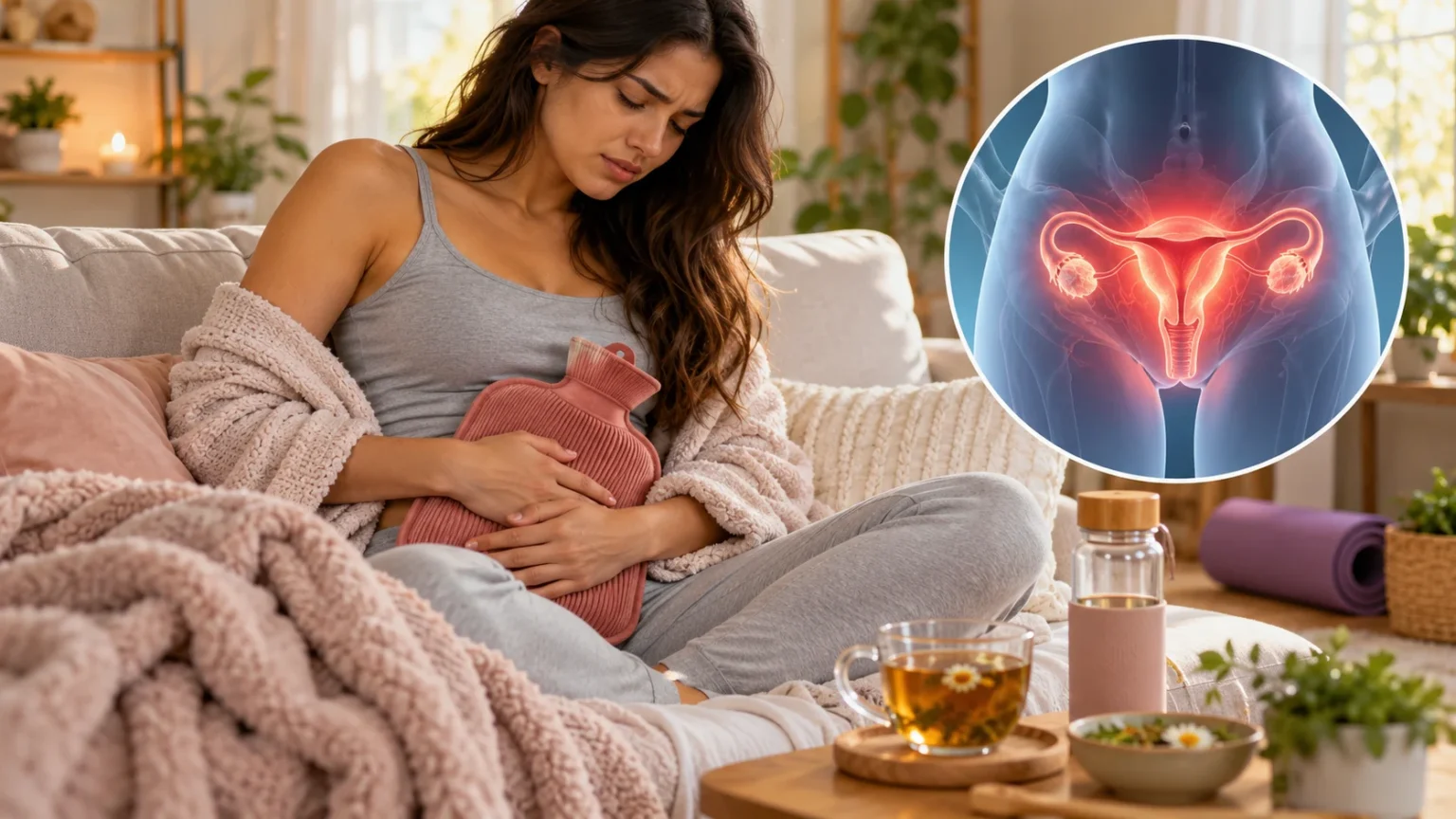

Vaginal cramps can cause uncomfortable sensations such as tightening, aching, pressure, or sudden pain in the vaginal or surrounding pelvic area. Some people experience these sensations during menstruation, while others notice them after physical activity or alongside urinary and digestive symptoms. Although occasional discomfort may have a relatively harmless explanation, recurring or severe cramps deserve medical attention.
Understanding the causes of vaginal cramps is important because discomfort that feels like it originates in the vagina may actually involve the pelvic floor muscles, uterus, bladder, or nearby reproductive organs. Hormonal changes, muscle tension, infections, and certain medical conditions can all contribute to pelvic discomfort. The appropriate treatment depends on identifying the underlying cause.
This guide explains what vaginal cramps are, their common causes, associated symptoms, treatment options, and practical relief strategies. You will also learn how healthcare professionals diagnose pelvic pain, which symptoms require urgent attention, and how to manage recurring discomfort safely.
What Are Vaginal Cramps?
Vaginal cramps describe aching, tightening, pressure, or spasmodic sensations felt inside or around the vagina. Although people commonly use this expression, it is a symptom description rather than a specific medical diagnosis. The discomfort may originate from pelvic floor muscles, reproductive organs, or surrounding structures that share nearby nerves and tissues.
Some individuals describe the sensation as a dull ache, while others experience sudden tightening or intermittent sharp discomfort. Symptoms may occur during menstruation, after prolonged sitting, or during everyday activities. The intensity and frequency vary, and the location of pain alone may not reveal which anatomical structure is responsible.
Vaginal cramps can occur occasionally or become a recurring problem that affects daily comfort. Mild symptoms may improve without treatment, depending on their cause, while persistent pain can require further investigation. Understanding associated symptoms and recognizing changes in normal patterns helps healthcare professionals identify appropriate treatment options.
Common Causes of Vaginal Cramps
Several conditions can produce cramping sensations in or around the vaginal area. Menstrual contractions, pelvic floor muscle tension, urinary problems, and reproductive health conditions are possible explanations. Because these structures are located close together, discomfort may be difficult to identify accurately without considering other symptoms.
Muscle-related discomfort may develop when pelvic floor muscles remain tense or contract involuntarily. These muscles support the bladder, bowel, and pelvic organs while contributing to normal movement and bodily functions. Excessive muscle tension can create aching, pressure, or spasms that sometimes feel like vaginal cramping.
Other potential causes include endometriosis, pelvic infections, ovarian cysts, and certain bladder conditions. Some causes produce predictable symptoms, while others involve discomfort that develops unexpectedly. A medical assessment is particularly useful when cramps repeatedly interfere with daily activities or occur alongside unusual bleeding, fever, or urinary symptoms.
Vaginal Cramps During Menstruation
Menstrual cramps occur when the uterus contracts to help shed its lining during a menstrual period. These contractions are influenced by substances called prostaglandins, which contribute to uterine muscle activity. Although menstrual discomfort usually affects the lower abdomen, some people experience pain that radiates toward the vagina, lower back, or upper thighs.
Period-related cramps often begin shortly before menstruation or during the first days of bleeding. Symptoms may include dull aching, intermittent tightening, and pressure in the lower pelvic region. The intensity varies between individuals and menstrual cycles, and discomfort that prevents normal activities should not automatically be considered unavoidable.
Gentle movement, appropriate warmth, and suitable pain relief may help manage ordinary menstrual discomfort. However, unusually severe cramps, progressive worsening, or significant changes in bleeding patterns require medical evaluation. Conditions such as endometriosis or adenomyosis can sometimes produce symptoms that resemble unusually painful menstrual cramps.
Vaginal Cramps After Your Period
Vaginal or pelvic cramping after menstruation may have several explanations, including lingering uterine discomfort or pelvic muscle tension. Some individuals notice mild sensations as their cycle progresses, while others experience symptoms unrelated to menstrual changes. The timing alone cannot establish the cause of discomfort.
Ovulation-related pain is another possibility, although it usually occurs around the middle of the menstrual cycle rather than immediately after bleeding ends. This discomfort often affects one side of the lower abdomen and may occasionally be perceived elsewhere in the pelvis. The exact timing varies because menstrual cycle lengths differ.
Persistent cramps after menstruation may also occur with urinary conditions, endometriosis, or other pelvic disorders. Additional symptoms such as fever, unusual discharge, or painful urination can provide important diagnostic information. Keeping track of symptoms and discussing recurring discomfort with a healthcare professional can help identify the underlying cause.
Pelvic Floor Muscle Spasms and Vaginal Pain
The pelvic floor consists of muscles and connective tissues that support pelvic organs and contribute to bladder and bowel control. These muscles normally contract and relax as needed during everyday activities. When they become excessively tense or have difficulty relaxing, they may contribute to painful spasms and sensations resembling vaginal cramps.
Pelvic floor dysfunction can cause discomfort during sitting, urination, bowel movements, or other activities involving the pelvic region. Some people describe persistent pressure, while others notice intermittent tightening or a deep muscular ache. Symptoms may fluctuate with stress, muscle fatigue, and physical activity, although these factors are not always responsible.
Treatment may involve pelvic floor physical therapy, relaxation techniques, and individualized movement strategies. A qualified therapist can assess muscle coordination and recommend appropriate approaches to reducing unnecessary tension. Strengthening exercises are not automatically suitable for every person because already-tight pelvic floor muscles may require relaxation-focused treatment instead.
Can Ovulation Cause Vaginal Cramps?
Ovulation occurs when an ovary releases an egg during the menstrual cycle. Some people experience temporary discomfort around this time, commonly called mittelschmerz or ovulation pain. The sensation usually occurs in the lower abdomen, but nearby pelvic structures and shared nerve pathways can make its location difficult to describe.
Ovulation pain is often mild and may last from a short period to approximately one or two days. It commonly affects one side of the lower abdomen, although the affected side can vary between cycles. Not everyone experiences noticeable ovulation symptoms, and vaginal cramping alone cannot reliably confirm that ovulation is occurring.
If discomfort is severe, persistent, or accompanied by fever or unusual bleeding, other causes should be considered. Ovarian cysts, infections, and pregnancy-related complications can sometimes produce pelvic pain. Medical assessment is important when symptoms are substantially different from a person’s usual menstrual cycle experiences.
Endometriosis and Vaginal Cramps
Endometriosis is a chronic condition in which tissue similar to the uterine lining grows outside the uterus. This tissue can contribute to inflammation, scarring, and pain affecting the pelvis. Some individuals experience discomfort that radiates toward the vagina or rectum, particularly during menstruation or other activities.
Common symptoms include painful menstrual periods, ongoing pelvic discomfort, painful bowel movements, and difficulties with certain everyday activities. Symptom patterns vary widely, and some people have significant endometriosis despite limited findings on routine examination. The severity of pain does not always correspond directly with the extent of visible disease.
Treatment may involve medications, hormonal therapies, specialist evaluation, or surgery in selected circumstances. The appropriate approach depends on symptoms, medical history, individual preferences, and treatment goals. Persistent menstrual pain or recurring pelvic cramps should be discussed with a healthcare professional rather than repeatedly dismissed as normal.
Can Infections Cause Vaginal Cramps?
Certain infections can cause pelvic discomfort that may be described as vaginal cramping. Urinary tract infections, vaginal infections, and pelvic inflammatory disease can produce overlapping symptoms. However, infections affecting the vagina more commonly cause irritation, unusual discharge, or discomfort rather than isolated muscular cramps.
A urinary tract infection may cause burning during urination, frequent urinary urgency, and pressure around the lower abdomen. Pelvic inflammatory disease can involve lower abdominal pain, fever, abnormal discharge, and other reproductive health symptoms. The presentation varies, and some infections produce relatively mild symptoms despite requiring medical treatment.
Treatment depends on the organism and location of the infection, so professional diagnosis is important. Certain bacterial infections require prescription antibiotics, while other conditions need different medications. Avoiding unnecessary self-treatment can reduce the risk of delayed diagnosis, inappropriate medication use, and potentially serious complications.
Pregnancy-Related Vaginal Cramps
Pregnancy can involve changes in pelvic tissues, muscles, and supporting ligaments that sometimes produce pressure or discomfort. Some pregnant individuals experience mild cramping as the uterus changes throughout pregnancy. However, new vaginal or pelvic pain should be assessed in the context of pregnancy stage, severity, and accompanying symptoms.
Cramping during early pregnancy can have several explanations, including conditions requiring urgent medical attention. Ectopic pregnancy, for example, occurs when a pregnancy develops outside the uterus and can become life-threatening. Severe or one-sided pelvic pain, fainting, dizziness, or significant bleeding requires immediate emergency assessment.
Later in pregnancy, pelvic pressure may relate to muscular changes, contractions, or other pregnancy-related conditions. Regular contractions, fluid leakage, vaginal bleeding, or significant pain should be evaluated promptly by maternity healthcare professionals. Pregnancy-related cramps should not be diagnosed solely through home observation or generalized advice.
Symptoms That May Occur With Vaginal Cramps
Vaginal cramps may occur alongside lower abdominal aching, pelvic pressure, back discomfort, or muscular tightening. These symptoms can overlap with menstrual pain, urinary problems, and certain reproductive conditions. Identifying when discomfort begins and which activities affect it can provide useful information during a medical assessment.
Some individuals experience urinary urgency, painful urination, constipation, or discomfort during bowel movements. These symptoms can suggest involvement of the bladder, digestive system, or pelvic floor muscles. Because multiple pelvic organs share closely related nerve pathways, symptoms may overlap even when only one structure is primarily affected.
Unusual bleeding, fever, abnormal discharge, or progressively worsening pain may indicate a condition requiring medical treatment. The absence of these symptoms does not necessarily rule out a medical problem. Recurrent cramping that changes everyday functioning or persists despite simple comfort measures should be discussed with a qualified healthcare professional.
How Doctors Diagnose Vaginal Cramps
A medical assessment generally begins with questions about pain location, frequency, severity, and associated symptoms. Healthcare professionals may ask about menstrual patterns, urinary changes, bowel symptoms, and previous pelvic health conditions. These details help distinguish muscular discomfort from reproductive, urinary, or gastrointestinal causes.
A physical examination may be recommended depending on symptoms, age, medical history, and clinical concerns. Clinicians should explain the purpose of any examination and obtain informed consent before proceeding. Patients can ask questions, discuss alternatives, and request appropriate support during the examination.
Additional tests may include urine analysis, infection testing, pregnancy testing when relevant, or pelvic ultrasound. Not every person requires imaging or extensive investigations, particularly when symptoms are mild and a clear explanation is available. Testing decisions should reflect clinical findings and the possibility of conditions that require timely treatment.
Medical Treatment Options for Vaginal Cramps
Treatment for vaginal cramps depends on the underlying cause rather than the sensation of cramping alone. Menstrual discomfort, pelvic floor dysfunction, infections, and endometriosis may require different management strategies. An accurate diagnosis helps avoid ineffective treatments and ensures that potentially important medical conditions are not overlooked.
Healthcare professionals may recommend suitable pain-relieving medications for certain types of pelvic discomfort. Hormonal treatment can be appropriate for selected menstrual or reproductive health conditions, while confirmed infections may require prescription medication. Treatment choices depend on age, medical history, potential side effects, and individual clinical needs.
Persistent pelvic pain may require coordinated care involving gynecologists, physical therapists, or other specialists. Treatment can include symptom management, targeted rehabilitation, and addressing contributing medical conditions. The objective is to improve daily comfort and functioning while managing the condition responsible for the cramps.
Home Remedies for Vaginal Cramps Relief
Mild pelvic cramps may sometimes improve with simple comfort measures while the underlying cause resolves. A comfortably warm heating pad placed over the lower abdomen can help relieve certain menstrual or muscular aches. The pad should not be excessively hot, and prolonged direct contact with the skin should be avoided.
Gentle walking, comfortable stretching, and relaxation exercises may help some individuals manage mild muscular tension. Slow breathing and resting in a supportive position can also reduce unnecessary muscle guarding. However, activities that increase discomfort should be stopped, particularly when the cause of pain has not been identified.
Drinking enough fluids, maintaining regular meals, and allowing adequate rest support general well-being during uncomfortable periods. These measures cannot treat infections, significant reproductive conditions, or pregnancy complications. If cramps are persistent, unusually painful, or accompanied by concerning symptoms, professional medical care is more appropriate than relying solely on home remedies.
Pelvic Floor Relaxation for Vaginal Cramps
Pelvic floor relaxation strategies may help when vaginal cramping is related to excessive muscle tension. The aim is to encourage comfortable muscle release rather than repeated squeezing or forceful stretching. Learning to recognize when the lower abdomen and pelvic muscles are unnecessarily tense can be a useful starting point.
Comfortable diaphragmatic breathing may support relaxation by allowing natural movement of the abdomen and pelvic floor during breathing. Practicing in a supported position can make the process easier for some people. Breathing should remain gentle, without holding the breath or straining to force a particular muscular response.
A pelvic health physical therapist can determine whether muscle tension, weakness, coordination difficulties, or another issue is contributing to symptoms. This assessment is important because pelvic floor exercises are not interchangeable. Individualized recommendations can reduce the risk of worsening discomfort through exercises that do not match the person’s specific needs.
How to Manage Recurring Vaginal Cramps
Recurring vaginal cramps can be easier to evaluate when symptom patterns are documented over time. A simple record may include the timing of discomfort, menstrual cycle changes, activity levels, and associated symptoms. This information can help healthcare professionals identify potential triggers without relying on memory during appointments.
Identifying patterns does not mean assuming that every episode has the same cause. New symptoms, increasing intensity, or changes in pain location deserve reassessment even when previous episodes were considered harmless. A balanced approach combines symptom awareness with appropriate medical advice rather than excessive monitoring or self-diagnosis.
Long-term management may involve treating a diagnosed condition, adapting aggravating activities, and following an individualized rehabilitation or medication plan. Regular follow-up can help determine whether treatment is working and whether adjustments are necessary. With appropriate care, many causes of recurring pelvic discomfort can be managed more effectively.
When Should You See a Doctor for Vaginal Cramps?
Medical evaluation is recommended when vaginal cramps are persistent, recurrent, worsening, or interfering with normal daily activities. Symptoms such as painful urination, unusual discharge, unexpected bleeding, or significant menstrual discomfort should also be discussed with a clinician. Early assessment helps identify treatable conditions before they cause further complications.
Urgent medical attention is necessary for sudden severe pelvic pain, especially when accompanied by fainting, dizziness, heavy bleeding, or possible pregnancy. Fever with significant pelvic pain or a rapidly worsening condition also requires prompt evaluation. These symptoms can indicate serious problems that should not be managed through home remedies alone.
People experiencing recurring discomfort should feel comfortable discussing pelvic symptoms with a qualified healthcare professional. Clear communication about pain patterns, associated concerns, and previous treatments can support a more accurate evaluation. Seeking appropriate care is an important part of protecting reproductive, urinary, and overall pelvic health.
Conclusion
Vaginal cramps can result from several conditions involving the pelvic floor muscles, uterus, bladder, and surrounding reproductive structures. While some episodes are mild and temporary, others may indicate infections, muscular dysfunction, endometriosis, or additional medical concerns. Understanding associated symptoms is essential because the sensation of cramping alone cannot establish an accurate diagnosis.
Treatment depends on the underlying cause and may include medication, pelvic floor physical therapy, lifestyle adjustments, or targeted medical care. Comfortable warmth, gentle movement, and relaxation techniques may provide temporary relief for certain types of mild discomfort. However, persistent symptoms should be professionally evaluated rather than repeatedly managed without understanding their source.
Recognizing changes in menstrual patterns, urinary symptoms, pain severity, and everyday functioning can help guide appropriate decisions about care. Severe pelvic pain, possible pregnancy complications, unusual bleeding, or fever requires timely medical attention. With proper evaluation and individualized treatment, many causes of vaginal cramping can be addressed while supporting better long-term pelvic health.
Frequently Asked Questions (FAQs)
What causes vaginal cramps without a period?
Vaginal cramps without menstruation may involve pelvic floor muscle tension, ovulation-related discomfort, urinary problems, infections, or reproductive conditions. Persistent or unexplained pain should be assessed to identify the underlying cause.
Are vaginal cramps normal?
Occasional mild pelvic discomfort can occur for several reasons, including menstrual changes or temporary muscle tension. However, recurring, severe, or worsening cramps should not automatically be considered normal.
How can I relieve vaginal cramps at home?
Comfortable warmth over the lower abdomen, gentle movement, adequate rest, and relaxation exercises may help certain mild cramps. Persistent pain or additional concerning symptoms require medical evaluation.
Can pelvic floor muscles cause vaginal cramping?
Yes, overly tense or poorly coordinated pelvic floor muscles can produce tightening, aching, and spasms around the vagina. Pelvic floor physical therapy may help when muscle dysfunction is identified.
When are vaginal cramps a medical emergency?
Sudden severe pelvic pain, fainting, heavy bleeding, or pain with possible pregnancy requires immediate assessment. Significant pelvic pain with fever or rapidly worsening symptoms also needs urgent medical care.