

What Does Unlocked Phone Mean? Benefits Explained
If you have ever shopped for a smartphone, you have probably seen terms such as unlocked phone, carrier-locked phone, factory unlocked, and network unlocked. These labels can be confusing, especially when two phones look identical but come with different prices or carrier restrictions. An unlocked phone is generally a device that is not restricted to one specific mobile carrier and can work with compatible networks. That flexibility can make it easier to change wireless providers, use prepaid plans, travel internationally, or insert a different physical SIM card. Modern unlocked smartphones may also support eSIM technology, giving users even more flexibility when switching plans. Understanding what unlocked phone means can therefore help you make a smarter purchasing decision and avoid unexpected network limitations.
Buying an unlocked smartphone does not automatically mean that it will work perfectly with every carrier in every country. Network compatibility still depends on supported cellular bands, technologies, carrier certification, regional models, and the phone’s hardware capabilities. A device can be fully unlocked yet still lack the frequencies required for strong 4G LTE or 5G service on a particular network. Financing status, blacklist status, and software restrictions can also affect whether a used device can be activated successfully. For this reason, checking both the unlock status and network compatibility is important before buying or switching carriers. This guide explains how unlocked phones work, their benefits and limitations, how to check your device, and what to consider before purchasing one.
What Does Unlocked Phone Mean?
An unlocked phone is a smartphone that is not restricted by a carrier lock requiring it to operate only on one mobile network. When a compatible physical SIM card or eSIM profile from another provider is added, the phone can generally connect without needing permission from the original carrier. This flexibility is especially useful for people who want to move between carriers without replacing their device. The term is commonly associated with smartphones purchased directly from manufacturers, electronics retailers, or carriers after an eligible device has been unlocked. An unlocked device is sometimes described as SIM unlocked, network unlocked, or carrier unlocked. Although the wording varies, the basic idea is that the device is free from a specific carrier restriction.
A locked phone, by comparison, has software restrictions that prevent it from accepting service from unauthorized mobile networks. Carriers may lock devices that are sold through installment plans, contracts, promotions, or financing programs. These restrictions help ensure that the device remains associated with the provider until certain eligibility requirements are satisfied. Once those conditions are met, many carriers allow the customer to request an unlock or perform the process automatically according to their policies. The exact rules can depend on the provider, account status, device type, payment history, and country. Unlocking generally changes the carrier restriction rather than physically modifying the phone or removing important operating system features.
It is important to understand that an unlocked phone is not the same thing as a phone without a mobile service plan. The device still needs active cellular service if you want to make regular carrier calls, send cellular messages, or use mobile data away from Wi-Fi. Unlocking simply gives you more freedom to choose which compatible provider supplies that service. You might use a major carrier, a prepaid company, or a mobile virtual network operator commonly called an MVNO. The ability to move between these options can make it easier to compare coverage and monthly pricing. An unlocked device therefore provides choice, but it does not provide free cellular service or automatic access to every network.
The phrase factory unlocked is often used for phones that were sold without a carrier lock from the beginning. These devices are commonly purchased directly from the manufacturer or from retailers that specifically sell unlocked models. Carrier unlocked usually describes a phone that was originally restricted to one provider but was later officially unlocked after meeting eligibility requirements. From a practical network-lock perspective, both can provide similar freedom once the unlocking process is complete. However, different regional models may still contain different network bands, software features, or carrier-specific configurations. Buyers should therefore check the exact model number and network compatibility rather than relying only on the word unlocked in a product description.
Unlocking also does not change whether a phone has been reported lost, stolen, or associated with another serious activation problem. Carriers may use the device’s IMEI number to identify smartphones and determine whether they can be activated on their networks. A device that is unlocked but appears on an industry blacklist may still be rejected by some carriers. Similarly, an unlocked phone that lacks important cellular frequencies can provide weak coverage even though the SIM card is accepted. This is particularly important when purchasing used or imported smartphones online. The best buying process checks the carrier lock, IMEI status, supported network bands, model number, and physical condition before money changes hands.
Unlocked Phone vs. Locked Phone: What Is the Difference?
The biggest difference between an unlocked phone and a locked phone is the freedom to use different compatible mobile carriers. With an unlocked device, you can usually replace your current SIM or activate another eSIM without asking the previous carrier to remove a network restriction. A locked device may reject another carrier’s SIM, display an unsupported SIM message, or prevent the new network profile from activating correctly. This difference becomes especially noticeable when someone wants to switch providers before buying a new smartphone. People with unlocked phones may be able to keep the same hardware while changing their service plan. Locked-phone users may first need to satisfy their carrier’s unlocking requirements.
Locked phones are often connected with carrier promotions, financing offers, and installment payment plans. A mobile provider may discount a new smartphone heavily when a customer activates a qualifying plan or agrees to monthly device payments. The lower upfront cost can make premium smartphones more accessible, particularly for people who prefer spreading payments over time. However, promotional terms may reduce flexibility because leaving the carrier early can affect remaining device payments or promotional credits. The phone itself may also remain network locked for a specified period or until eligibility conditions are met. Consumers should therefore evaluate the total plan commitment rather than judging a carrier deal entirely by the advertised device price.
Unlocked phones are often purchased at full retail price, although financing options may also be available through manufacturers and retailers. Paying more upfront can feel expensive, but the customer may gain greater freedom to choose lower-cost plans or switch providers later. This can be particularly valuable in competitive markets where prepaid carriers and MVNOs offer different combinations of data, coverage, and pricing. The ability to respond to better deals can potentially reduce long-term service costs. However, savings are not guaranteed because carrier promotions can sometimes make a locked device financially attractive. The better option depends on the device price, service plan, financing terms, coverage needs, and how long you expect to remain with one provider.
Software differences can also exist between carrier-branded phones and unlocked retail models, although the situation varies by manufacturer and region. Some carrier devices may include preinstalled applications, custom settings, network-specific features, or different update processes. Factory-unlocked phones may come with fewer carrier-specific applications and can sometimes provide a more neutral software experience. Nevertheless, purchasing unlocked does not guarantee faster software updates because update schedules depend on the manufacturer, device model, region, and testing requirements. Likewise, carrier-specific features such as Wi-Fi calling or advanced messaging may behave differently on imported models. Buyers should confirm important features with the intended provider if those capabilities are essential.
Another distinction involves resale and future use because unlocked phones generally appeal to a wider group of potential buyers. Someone purchasing a secondhand device is more likely to consider a phone that can operate across several compatible networks. A locked model limits the buyer pool primarily to customers of the same carrier or people willing to complete an unlocking process. This broader compatibility may help an unlocked device maintain better resale flexibility, although condition, age, storage capacity, battery health, and model popularity remain important. Unlocking also makes it easier to pass an older phone to a family member using another provider. For people who regularly upgrade smartphones, that additional flexibility can be a meaningful long-term advantage.
Benefits of Using an Unlocked Phone
Carrier freedom is the most obvious benefit of an unlocked phone because it allows you to compare wireless providers without immediately replacing your device. If your current carrier raises prices, provides weak coverage, or removes a plan you prefer, you may be able to switch to another compatible network. This can create more competition for your business and reduce the feeling of being tied to one service provider. People moving to another city may also discover that a different carrier offers stronger local coverage. An unlocked device makes that change easier when the hardware supports the new network. Instead of choosing your service around your smartphone, you have more opportunity to choose service based on price, coverage, and features.
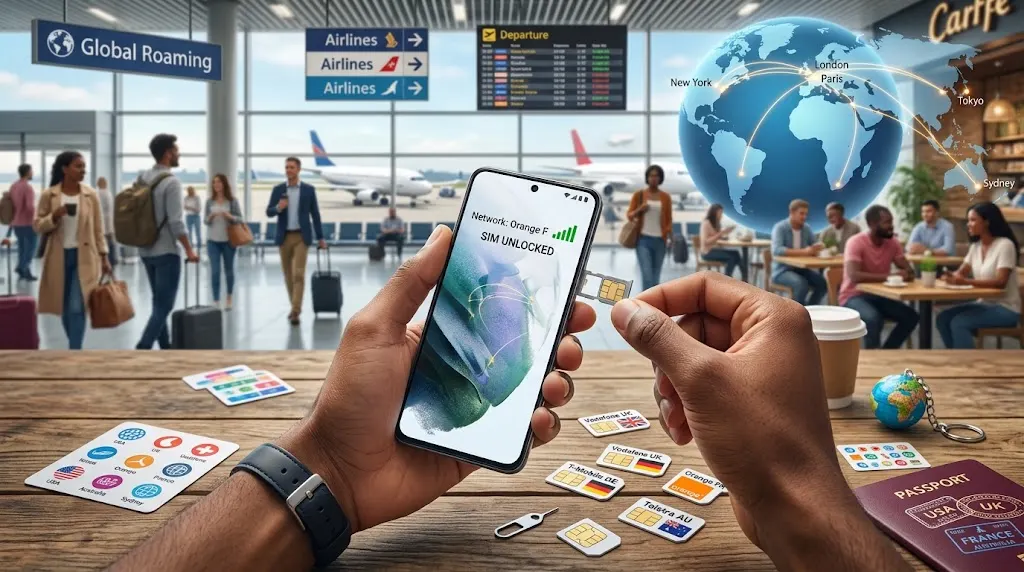
Unlocked phones can also be useful for travelers because international mobile service through a home carrier can sometimes be expensive or limited. With an unlocked device, a traveler may be able to purchase a local prepaid SIM or temporary eSIM plan after arriving in another country. Local connectivity can provide affordable mobile data for maps, transportation apps, messaging, reservations, and other travel needs. Modern eSIM-capable phones make this process even more convenient because some plans can be purchased and activated digitally without visiting a physical store. However, travelers should still confirm network frequencies, roaming rules, and regional device requirements. When compatibility is confirmed, an unlocked smartphone can significantly simplify mobile connectivity abroad.
Another advantage is access to a wider selection of mobile plans, including prepaid service and low-cost MVNO options. These providers often lease network access from larger carriers while offering their own pricing structures, data allowances, and customer service models. Someone who uses very little cellular data might save money with a basic prepaid plan, while a heavier user may choose a larger monthly package. An unlocked device allows the customer to experiment with these options more easily. Some people even maintain multiple SIM profiles for work, travel, or coverage redundancy. Flexible plan selection can therefore be valuable for users who prefer controlling their monthly wireless spending rather than staying permanently connected to one carrier.
Dual-SIM and eSIM features can become more useful when the phone is unlocked because the device is less restricted in the networks it can accept. A compatible smartphone may allow one number for personal use and another for business without requiring two separate devices. Travelers can potentially keep their regular number active while using another SIM or eSIM for local mobile data. Some phones can store multiple eSIM profiles even when only a limited number can remain active simultaneously. The exact functionality varies by device and region, so specifications should be checked carefully. For people who manage several numbers or regularly move between countries, this flexibility can simplify communication and reduce the need to carry multiple phones.
An unlocked smartphone can also provide greater long-term control over when and why you replace your device. Carrier customers sometimes upgrade simply because their service arrangement makes a new financed phone convenient, even when their current hardware still works well. With an unlocked device, it can be easier to separate the decision about phone hardware from the decision about mobile service. You can keep a reliable device while changing plans, carriers, or pricing structures around it. This approach may reduce unnecessary upgrades and extend the practical life of the smartphone. Combined with better resale flexibility, an unlocked model can be attractive for users who prefer managing their technology independently rather than tying hardware decisions closely to carrier contracts.
Are There Any Disadvantages to Unlocked Phones?
One potential disadvantage of buying an unlocked phone is the higher upfront purchase price. Carrier deals often advertise substantial discounts when customers activate expensive plans, trade in existing devices, or commit to lengthy installment arrangements. Factory-unlocked phones may not include the same promotional subsidies, especially when purchased without a trade-in or financing program. This means the customer could pay hundreds of dollars more at checkout even if the unlocked option offers greater flexibility later. Manufacturer financing can reduce the immediate burden, but not every buyer qualifies or wants another monthly payment. Before choosing, it is useful to compare the complete cost of the phone and service over the period you expect to keep both.
Carrier compatibility can also create confusion because unlocked does not mean universally compatible. Smartphones support specific combinations of cellular frequencies and network technologies, and those combinations can differ between regional variants of the same model. An imported unlocked phone might accept your SIM yet provide incomplete 4G LTE or 5G coverage because important bands are missing. Certain carriers may also require specific certification for advanced services such as Wi-Fi calling, visual voicemail, or particular 5G features. The problem is more likely when buying models designed for another country. Checking the exact model number against the intended carrier’s compatibility information is therefore essential before assuming that any unlocked phone will provide the complete network experience.
Customer support can sometimes become more complicated when the phone and mobile service come from different companies. If a network feature fails, the carrier may determine that the issue relates to the device manufacturer, while the manufacturer may suggest contacting the carrier. Carrier stores may also provide stronger hands-on support for devices that were purchased directly through their sales channels. This does not mean unlocked-phone owners receive no assistance, because manufacturer support and carrier support are still available according to their policies. However, troubleshooting responsibility may be less straightforward in unusual situations. Buyers who value extensive in-store assistance should consider how support will work before purchasing an unlocked device from a third-party retailer.
Some carrier-specific features or promotions may not work exactly the same way on every unlocked device. Network technologies have become increasingly standardized, but providers still configure certain features according to device certification and software support. An unlocked smartphone may support basic calling and data while lacking one specialized feature that would have been available on the carrier-branded version. This issue is less common with popular mainstream models specifically approved for major networks, but it can still occur with imported or less common phones. Users who depend on Wi-Fi calling, international roaming features, wearable connectivity, or specialized enterprise services should verify those capabilities. Basic compatibility and full feature compatibility are not always identical.
Finally, the term unlocked is sometimes used inaccurately by sellers in the secondhand smartphone market. A listing may claim that a phone is unlocked even though the device remains financed, blacklisted, account-linked, or restricted in another way. Some phones may also have been unofficially modified, creating uncertainty about future updates or network activation. Buyers should be particularly cautious when a premium smartphone is priced far below normal market value. Checking the IMEI, confirming activation status, reviewing the return policy, and purchasing from a reputable seller can reduce risk. An unlocked phone offers substantial freedom, but that freedom is valuable only when the device is legitimate, compatible, and free from unresolved ownership problems.
How to Check If Your Phone Is Unlocked
One of the simplest ways to check whether a phone is unlocked is to try service from another carrier. If your device uses a physical SIM card, you can insert a compatible SIM from a different provider and restart the phone if necessary. A successfully unlocked phone should generally recognize the new SIM and attempt to connect to the network once the plan is active. You may need to make a test call, send a message, or use cellular data to confirm service properly. A locked phone may display a message indicating that the SIM is unsupported or that the device is network restricted. This practical test works best when you have access to a known-working SIM from another compatible carrier.
Modern smartphones may also display carrier-lock information directly in the device settings. The wording and location differ between operating systems, software versions, and manufacturers, so users should look for sections related to network, SIM status, carrier lock, or device information. Some phones may clearly state that there are no SIM restrictions, while others provide less direct information. Settings menus should be treated as useful evidence rather than the only method when buying a used device. Software changes and regional differences can make instructions found online inconsistent with the menu on your particular phone. If the status remains unclear, the carrier or manufacturer may be able to verify it using the device information.
The IMEI number can also be useful when checking a smartphone before activation or purchase. An IMEI is a unique identifier assigned to cellular devices and is used by mobile networks for identification and eligibility checks. You can usually find it in the phone settings, on the original packaging, or through a device information screen. A carrier may use the IMEI to determine whether the phone is compatible, reported lost or stolen, or eligible for activation. However, an IMEI check and a carrier-lock check answer different questions, so one should not automatically replace the other. A clean IMEI does not necessarily prove that the device is unlocked, while an unlocked phone can still have activation problems for unrelated reasons.
Contacting the original carrier is another reliable approach when the device was previously purchased through a mobile provider. The carrier may be able to tell the account holder whether the phone is still locked and whether it meets current unlocking requirements. They may request information such as the phone number, account credentials, IMEI, purchase details, or proof of ownership. Privacy rules can limit what a carrier tells someone who is not the original account holder, which matters when buying secondhand. Sellers should ideally confirm the unlock before completing the sale rather than promising that it can be done later. If a seller cannot explain the phone’s carrier history, additional caution is appropriate.
People checking an eSIM-only smartphone should focus on whether another carrier profile can be added and activated successfully. An eSIM does not automatically mean the phone is unlocked because carriers can still apply network restrictions to devices that have no physical SIM slot. A locked eSIM phone may permit only profiles from the authorized provider until the lock is removed. Before switching, make sure the new carrier supports both your specific phone model and eSIM activation. It is also wise to keep access to Wi-Fi during the setup process because downloading a new eSIM profile may require an internet connection. Confirming both unlock status and eSIM compatibility helps prevent service interruptions during a carrier change.
How to Unlock a Carrier-Locked Phone
The safest way to unlock a carrier-locked phone is through the provider that originally placed the restriction on the device. Carrier unlocking policies vary, but common requirements include completing device payments, maintaining the account in good standing, satisfying a minimum activation period, and confirming that the phone has not been reported lost or stolen. Some providers unlock eligible devices automatically, while others require the customer to submit a request through an online portal or customer support channel. The process may also differ between prepaid and postpaid accounts. Before attempting anything else, reviewing the original carrier’s current requirements is usually the most reliable approach. Official unlocking preserves the normal software and avoids unnecessary third-party risks.
If the phone is still being financed, paying off the remaining device balance may be necessary before the carrier will approve the unlock. Promotional credits can complicate this decision because paying the device off early may affect future discounts depending on the carrier’s terms. Users should therefore understand the financial consequences before rushing to clear a balance simply to change providers. A phone obtained through a special promotion may also have minimum service requirements even after its hardware price appears fully paid. These conditions are determined by the carrier and can change over time. Checking eligibility first prevents unnecessary payments or assumptions about when the device can be moved to another network.
After an unlock request is approved, the customer may need to follow specific instructions to complete the process. Some modern devices apply the unlock remotely once they connect to the internet or communicate with the carrier’s systems. Other phones may require restarting, installing a new SIM, entering an authorized unlock code, or completing steps in a device menu. The exact process depends on the manufacturer, operating system, carrier, and age of the smartphone. Users should follow official instructions carefully rather than guessing or entering random codes found online. Too many incorrect unlock attempts on certain older devices can create additional problems that require carrier assistance.
Third-party phone unlocking services should be approached carefully because their reliability varies significantly. Some businesses provide legitimate assistance for specific devices, while others advertise unrealistic promises, request excessive personal information, or charge money without completing the unlock. Websites claiming they can instantly unlock any smartphone regardless of financing or blacklist status should raise particular concern. Users should never provide account passwords, payment credentials, or sensitive identity information to an unknown service without understanding why it is required. In many cases, the official carrier remains the safest and most transparent route. If you are buying secondhand, it is better for the current owner to complete the official unlocking process before you purchase the phone.
Unlocking a phone also does not remove other security features such as a screen passcode, manufacturer account lock, or activation lock. These protections are designed to prevent unauthorized use if a device is lost or stolen and are separate from a carrier SIM lock. A used phone should be removed from the previous owner’s account and reset correctly before being transferred to someone else. Otherwise, the new owner may discover that the device is network unlocked but still unusable because activation requires the previous owner’s credentials. This distinction is extremely important when purchasing secondhand smartphones. A safe transaction confirms carrier unlock status, account removal, IMEI condition, and successful activation before the buyer relies on the device.
How to Buy and Use an Unlocked Phone Safely
When buying a new unlocked phone, start by confirming that the exact model supports the network you intend to use. Manufacturer websites and carrier compatibility tools can provide information about supported technologies, bands, and activation requirements. This is particularly important for 5G because a phone may support 5G generally without supporting every frequency used by every carrier. Regional variants can also differ even when the phone has the same marketing name. If you frequently travel internationally, checking broader band support can provide additional flexibility. Choosing a mainstream unlocked model officially designed for your region usually reduces compatibility problems compared with importing a device intended for another market.
Buying directly from a phone manufacturer can be one of the simplest ways to obtain a factory-unlocked device. Retail electronics stores and reputable online sellers also commonly offer unlocked models, but product listings should be read carefully. Terms such as unlocked, international version, renewed, refurbished, and carrier unlocked do not necessarily mean exactly the same thing. An international version may have different warranty coverage or network bands even when it is technically unlocked. Refurbished phones can provide good value but should come with clear condition descriptions and return policies. The seller should also specify whether the device is fully paid off and eligible for activation on the networks being advertised.
Used unlocked phones require additional checks because ownership history can affect activation. Ask for the IMEI when appropriate and verify whether the device is accepted by the carrier you intend to use. Confirm that the smartphone has been removed from the previous owner’s Apple, Google, or manufacturer account before completing the transaction. Inspect battery health, cameras, charging ports, microphones, speakers, buttons, display condition, and wireless connectivity whenever possible. A phone that appears cosmetically perfect can still contain expensive technical problems. Purchasing through a marketplace with buyer protection and a clear return window provides additional security if activation fails after the sale.
Once you have an unlocked phone, activating service is usually straightforward when the carrier supports your model. A physical SIM can often be inserted directly, while an eSIM may require scanning a QR code, using the carrier’s app, or completing activation through its website. Some networks automatically configure internet and messaging settings, while others may require additional configuration. Keep your old service active until the new line is working properly if maintaining uninterrupted connectivity is important. Test calls, messaging, cellular data, voicemail, hotspot functionality, and other essential services after activation. If anything fails, confirming device compatibility and carrier settings is more useful than assuming the phone has somehow become locked again.
For international travel, an unlocked phone can give you several options, including local SIM cards, travel eSIM plans, and roaming through your home provider. The cheapest choice depends on destination, trip length, data usage, and whether you need to keep your usual phone number available. Dual-SIM phones can be particularly convenient because you may keep your primary line active while using another plan for local data. Travelers should review roaming settings carefully to avoid unexpected charges from the home carrier. It is also important to verify that the travel provider operates on network bands supported by your device. With a little preparation, an unlocked smartphone can make staying connected abroad considerably easier and more affordable.
Frequently Asked Questions About Unlocked Phones
Does unlocked mean the phone works with any carrier?
Not necessarily. An unlocked phone is free from a specific carrier restriction, but it must still support the network bands, technologies, and activation requirements of the carrier you want to use.
Is it better to buy an unlocked phone?
An unlocked phone can be better if you value carrier flexibility, international travel, prepaid plans, or easier resale. A carrier-locked phone may still be attractive when a provider offers a valuable financing or promotional deal that fits your needs.
Can I put any SIM card in an unlocked phone?
You can generally use a SIM card from another provider when the phone supports that carrier’s network and the SIM is active. Regional frequency differences and carrier certification can still prevent some unlocked phones from working fully on certain networks.
Does unlocking a phone delete anything?
An official carrier unlock normally does not erase your photos, applications, contacts, or personal data because it changes the network restriction rather than resetting the phone. You should still maintain a backup before making major device or carrier changes.
Is an unlocked phone the same as a factory-unlocked phone?
Not exactly. A factory-unlocked phone was generally sold without a carrier restriction from the beginning, while a carrier-unlocked phone started out locked and was later officially released from that restriction.