

Tailbone pain can make sitting, standing up, driving, exercising, or even using the bathroom uncomfortable. The pain usually develops around the coccyx, the small bone at the bottom of the spine. Depending on the cause, it may feel like a dull ache, sharp tenderness, pressure, or soreness that becomes worse when you sit for too long.
Exercise can sometimes help when tailbone pain is related to stiffness, muscle tension, poor movement habits, or weakness around the hips and pelvis. However, not every painful coccyx should be stretched or strengthened immediately. Recent injuries, severe pain, neurological symptoms, or unexplained symptoms may require professional evaluation before beginning a home exercise routine.
The right approach usually combines gentle movement, pressure reduction, breathing, hip mobility, and gradual strengthening. The goal is not to force the coccyx into movement but to improve the surrounding tissues and reduce unnecessary tension. This guide explains common causes, useful tailbone pain exercises, relief strategies, and warning signs that should not be ignored.
What Causes Tailbone Pain?
Tailbone pain, also known as coccydynia, can develop after a fall directly onto the buttocks, prolonged sitting, childbirth, or repeated pressure over the coccyx. Hard chairs, long car journeys, cycling, and sitting with the pelvis tilted backward may increase discomfort. Some people develop symptoms gradually without remembering a specific injury.
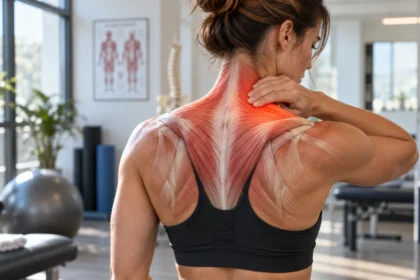
Muscles and ligaments surrounding the coccyx can also contribute to pain. The pelvic floor, glutes, hip rotators, and lower-back muscles all connect or influence structures around the pelvis. If these tissues become tight or irritated, the discomfort may feel as though it comes directly from the tailbone.
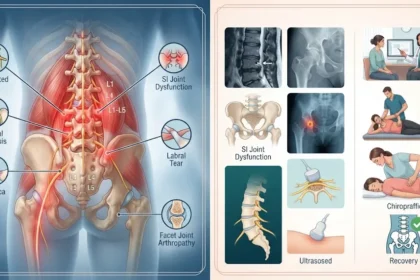
Less commonly, persistent coccyx pain can be related to infection, inflammatory conditions, joint changes, or other medical problems. This is why severe, unexplained, or worsening pain should not automatically be blamed on posture or weak muscles. Understanding the likely cause helps determine whether exercise is appropriate.
Can Exercises Help Tailbone Pain?
Exercises may help when tailbone discomfort is associated with muscle tension, reduced hip mobility, prolonged sitting, or poor movement tolerance. Gentle activity can improve circulation, reduce stiffness, and help the body move more comfortably. Strengthening surrounding muscles may also improve support for the pelvis during daily activities.
The best exercises usually do not involve direct pressure on the coccyx. Movements performed lying on your side, standing, or in supported positions may feel better than exercises requiring long periods of sitting. The intensity should remain manageable and should not cause sharp or progressively worsening pain.
Exercise is not a universal cure for coccydynia. A bruised or fractured coccyx may need time and pressure reduction, while pelvic floor tension may require relaxation before strengthening. If symptoms increase after exercise and remain elevated afterward, the routine may need to be modified or reviewed by a professional.
Diaphragmatic Breathing for Pelvic Relaxation
Diaphragmatic breathing is a gentle starting exercise because it can help reduce unnecessary tension around the abdomen, hips, and pelvic floor. Lie comfortably on your back with your knees bent or supported. Place one hand on your lower ribs and allow them to expand gently as you inhale.
Try to keep your shoulders relaxed and avoid forcing the belly outward. During exhalation, let the ribs and abdomen return naturally rather than squeezing the pelvic floor or tightening your glutes. Slow, controlled breathing can help reduce guarding that sometimes develops when the tailbone has been painful for a while.
Practice for several minutes once or twice daily if the position feels comfortable. This exercise should not create tailbone pressure or pain. If lying on your back is uncomfortable, try side-lying with a pillow between your knees to reduce direct contact with the coccyx.
Pelvic Tilts for Gentle Lower-Back Mobility
Pelvic tilts can help introduce gentle movement through the lower back and pelvis without aggressive stretching. Lie on your back with your knees bent and feet supported. Slowly tilt your pelvis so your lower back gently moves toward the floor, then return to a neutral comfortable position.
Keep the movement small and controlled. You do not need to flatten your back forcefully or lift your hips away from the floor. The goal is to explore comfortable pelvic movement and reduce stiffness rather than create a large range or intense muscular effort.
Perform eight to twelve slow repetitions if the exercise feels comfortable. Stop if pressure directly over the coccyx increases or if the movement causes sharp pain. People with a recent tailbone injury may prefer to delay this exercise until direct pressure on the area becomes more tolerable.
Knee-to-Chest Stretch
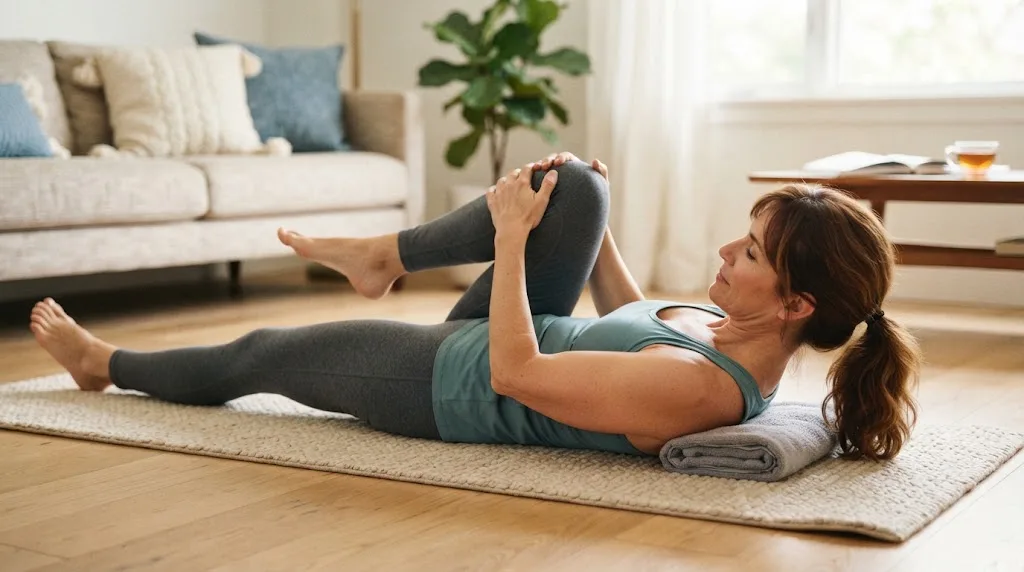
A gentle knee-to-chest stretch can help loosen the lower back and gluteal area around the pelvis. Lie on your back and slowly bring one knee toward your chest while keeping the other leg bent or extended comfortably. Hold behind the thigh rather than pulling aggressively on the knee.
Keep your shoulders and neck relaxed while breathing slowly. You should feel mild stretching through the lower back, hip, or buttock rather than direct pain over the tailbone. Hold for about 20 to 30 seconds, then repeat on the opposite side if both directions feel comfortable.
You can also bring both knees toward the chest if that position does not increase coccyx pressure. Avoid forcing the legs closer simply to create a stronger stretch. Gentle mobility is more useful than aggressive pulling when tissues around the pelvis are already sensitive.
Pigeon Stretch for Hip Tightness
Hip tightness can sometimes increase tension around the pelvis and contribute to uncomfortable sitting patterns. A modified pigeon stretch may help lengthen the gluteal and deep hip muscles. Choose a supported version rather than forcing your hip into a deep position if flexibility is limited.
If you are unfamiliar with the movement, this guide to the pigeon stretch can help you understand the basic position and form. The stretch should remain focused around the hip and glute rather than creating pressure or sharp discomfort near the coccyx.
You can also perform a lying figure-four stretch if floor pigeon feels too intense. Bring one ankle across the opposite thigh and gently draw the legs toward you. Hold only within a comfortable range and stop if symptoms around the tailbone increase afterward.
Hip Flexor Stretch for Pelvic Mobility
Tight hip flexors can influence pelvic position and may contribute to stiffness after long periods of sitting. Begin in a half-kneeling position with one knee supported on a cushion and the opposite foot in front. Gently tuck the pelvis and shift forward until you feel a mild stretch at the front of the hip.
Avoid arching your lower back excessively to increase the stretch. Keep your ribs stacked over your pelvis and move only as far as you can while staying comfortable. A small range is often enough, especially if you spend many hours seated throughout the day.
Hold the stretch for 20 to 30 seconds and repeat on the other side. If kneeling is uncomfortable, perform a standing version instead. The goal is to improve hip mobility without creating compensatory movement through the lower back or increasing pressure around the tailbone.
Glute Bridge for Pelvic Support
Glute bridges strengthen the buttock muscles, which play an important role in hip and pelvic stability. Lie on your back with your knees bent and feet flat on the floor. Gently tighten your glutes and lift your hips until your body forms a comfortable line from your shoulders toward your knees.
Do not lift as high as possible if doing so creates lower-back compression or tailbone discomfort. Pause briefly at the top, then lower your hips slowly. Keep the movement controlled and avoid pushing your hips upward through momentum.
Start with eight to twelve repetitions for one or two sets. If the exercise feels comfortable and symptoms remain stable, gradually increase the volume. Stop if direct coccyx pressure becomes worse, particularly if the area is still tender from a recent fall or injury.
Bird Dog for Core and Hip Stability
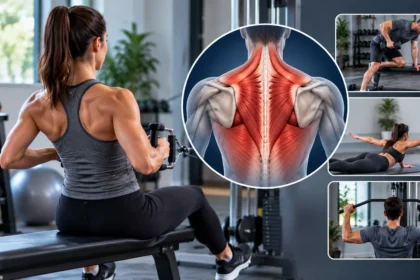
Bird dog strengthens the core, hips, and back without requiring sitting directly on the coccyx. Begin on your hands and knees with your spine in a comfortable neutral position. Slowly extend one arm forward and the opposite leg backward while keeping your pelvis relatively level.
Avoid twisting your hips or lifting the leg excessively high. The movement should come from controlled hip extension rather than arching through your lower back. Pause briefly, return to the starting position, and repeat on the opposite side.
Begin with six to ten repetitions per side depending on your comfort and control. This exercise can help improve trunk coordination and pelvic stability as symptoms settle. Use padding beneath your knees if needed and stop if the movement unexpectedly reproduces sharp coccyx pain.
Gentle Walking for Tailbone Pain
Walking can be one of the simplest ways to stay active without placing continuous direct pressure on the tailbone. Start with short, comfortable walks rather than trying to maintain your normal distance immediately. A gentle pace can reduce stiffness and help restore confidence in movement.
Pay attention to whether walking changes your symptoms during or after the activity. Mild awareness may be acceptable, but increasing sharp pain or a strong flare that lasts afterward suggests you should reduce the duration. Gradually increase walking time as your tolerance improves.
Walking also breaks up long periods of sitting, which commonly aggravate coccydynia. Even a few minutes of movement every hour can be helpful for desk workers. Alternating between sitting, standing, and walking may be more comfortable than relying on one position for the entire day.
Sitting Tips That Can Reduce Tailbone Pressure
Exercise is only one part of managing tailbone pain. If you continue sitting directly on the coccyx for many hours, the area may remain irritated even with a good mobility routine. Try sitting slightly forward so more weight rests through the sitting bones rather than the very bottom of the spine.
A coccyx cushion with a cutout at the back can help reduce direct pressure. Avoid extremely soft surfaces that allow your pelvis to sink deeply, because this may make standing up more difficult. The best support is usually firm enough to distribute weight while leaving space around the painful area.
Take regular breaks before discomfort becomes severe. Standing and walking briefly every 30 to 60 minutes may help if your work involves long periods at a desk. Frequent position changes are often more useful than trying to find one perfect sitting posture and maintaining it all day.
Exercises to Avoid When Tailbone Pain Is Severe
Avoid exercises that place direct pressure on the coccyx if the area is highly sensitive. Sit-ups, certain seated abdominal exercises, rowing machines, and prolonged floor sitting may increase symptoms. Cycling can also be uncomfortable because the saddle places repeated pressure through the pelvis.
Deep stretches should also be approached carefully when pain is acute. Forcing squats, deep hip positions, or aggressive hamstring stretches may increase guarding rather than provide relief. Start with smaller ranges and focus on movements that leave you feeling the same or better afterward.
Heavy lifting may need temporary modification as well, especially if bracing or bending triggers pain. This does not mean you must stop all strength training indefinitely. Reduce the load, choose more comfortable variations, and gradually return to normal training once symptoms become more manageable.
When Tailbone Pain Needs Medical Attention
Seek medical evaluation if tailbone pain follows a significant fall, accident, or direct impact and remains severe. Visible swelling, major bruising, inability to sit, or difficulty walking normally may indicate more than simple muscular irritation. A clinician can determine whether additional assessment or imaging is needed.
Urgent attention is important if pain occurs with new bowel or bladder problems, numbness around the groin, significant leg weakness, fever, or rapidly worsening neurological symptoms. These signs are not typical of uncomplicated tailbone pain and should not be treated only with home exercises.
You should also seek professional help if the pain persists for several weeks, repeatedly returns, or significantly interferes with sleep, work, or daily activity. A physical therapist or pelvic health specialist can assess mobility, pelvic floor tension, posture, and movement patterns before building a more individualized exercise plan.
Conclusion
Tailbone pain can develop after injury, prolonged sitting, childbirth, or tension in the muscles surrounding the pelvis. Gentle exercises may help when stiffness, reduced mobility, or muscle guarding contributes to symptoms. Breathing, pelvic tilts, hip stretches, bridges, bird dog, and walking can all be useful when performed within a comfortable range.
The best routine depends on what caused your pain and how sensitive the coccyx currently feels. Avoid aggressive stretching and exercises that place direct pressure on the painful area during a flare. Combine movement with sitting modifications, regular breaks, and gradual progression rather than trying to fix the problem through one exercise alone.
Most importantly, pay attention to symptoms that suggest something more serious than ordinary coccydynia. Significant trauma, neurological changes, fever, or bowel and bladder problems require medical attention. If the pain simply does not improve, a professional assessment can help identify the contributing factors and guide safer rehabilitation.
FAQs
What is the best exercise for tailbone pain?
Gentle walking, diaphragmatic breathing, hip mobility, and light glute strengthening can be useful for many people. The best exercise depends on the cause and should not increase direct coccyx pain.
Can stretching make tailbone pain worse?
Yes. Aggressive hip, hamstring, or pelvic stretches may worsen symptoms when the area is already irritated. Stretch gently and stop if pain increases during the movement or remains worse afterward.
Is walking good for tailbone pain?
Walking can help reduce stiffness and avoid prolonged sitting pressure. Start with short, comfortable distances and gradually increase activity if symptoms remain stable rather than pushing through worsening pain.
Should I exercise with a bruised tailbone?
Gentle movement may be appropriate, but avoid activities that directly pressure or repeatedly irritate the coccyx. Significant injuries should be professionally evaluated before returning to more demanding exercise.
When should I worry about tailbone pain?
Seek care for severe pain after trauma, fever, bowel or bladder changes, groin numbness, or significant leg weakness. Persistent pain that does not improve over several weeks also deserves professional evaluation.