

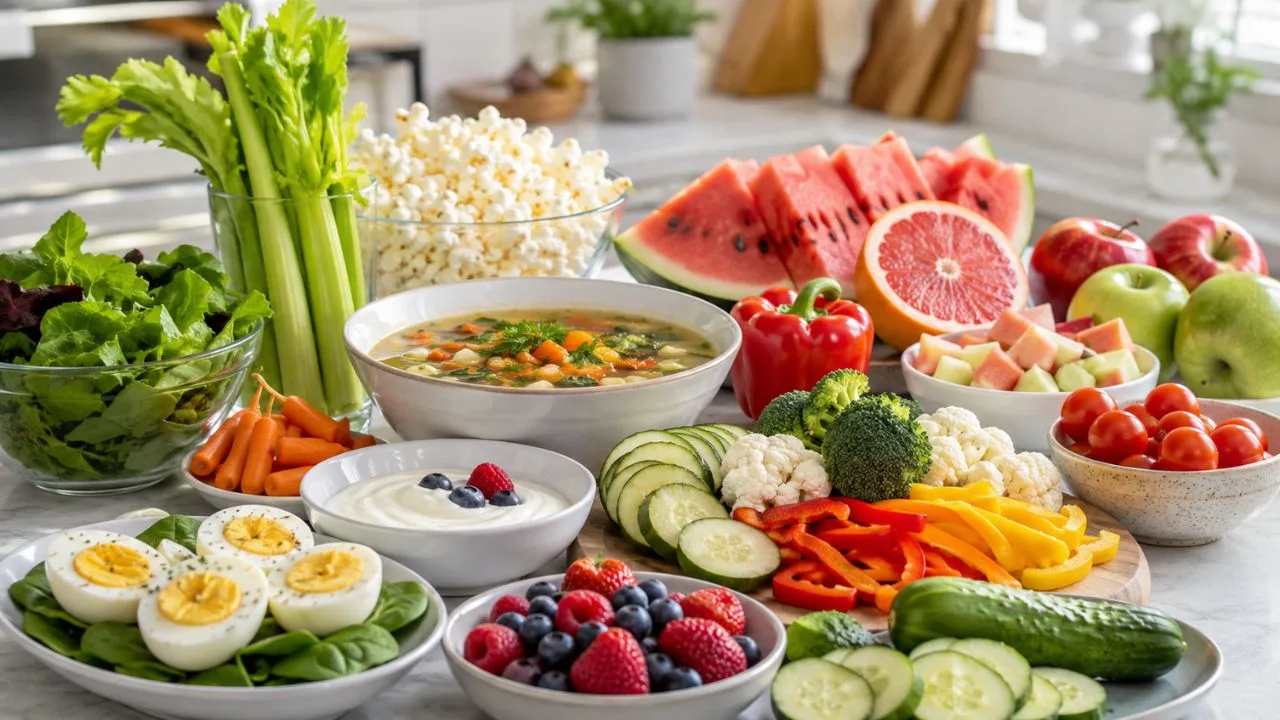

Lowest Calorie Foods That Help You Feel Full
The lowest calorie foods can make meals larger, fresher and more satisfying without adding excessive energy. Vegetables, fruits, lean proteins and broth-based dishes are especially useful because they offer water, fiber or protein. These qualities can help you feel comfortably full while following a balanced eating plan.
However, choosing food based only on the smallest calorie number is not always healthy or practical. Your body also needs protein, carbohydrates, healthy fats, vitamins and minerals. A plate containing only lettuce may be low in calories, but it is unlikely to provide enough energy or keep hunger away for long.
A better approach is to use high-volume, low-calorie foods as the foundation of meals and combine them with nutrient-dense ingredients. For example, vegetables can add volume, while chicken, fish, eggs, beans or yogurt provide protein. A measured portion of healthy fat can add flavor and improve satisfaction.
The calorie amounts in this guide are approximate because varieties, serving sizes, brands and cooking methods differ. Use food labels when precise tracking is important. The goal is not to eat as little as possible, but to build meals that support your health, energy and appetite.
Key Takeaways
Most of the lowest calorie foods are vegetables with a high water content. Cucumbers, lettuce, celery, zucchini, mushrooms and tomatoes provide considerable volume for relatively few calories. They can make salads, soups, sandwiches and cooked meals feel more substantial.
Fruits generally contain more calories than leafy vegetables, but they provide natural sweetness, fiber and important nutrients. Strawberries, watermelon, grapefruit, peaches and cantaloupe are among the lighter fruit choices. Whole fruit is usually more satisfying than juice because it retains its fiber.
Lean protein foods are not always the absolute lowest in calories, but they can improve fullness and support muscle maintenance. Egg whites, white fish, shrimp, skinless chicken breast and fat-free Greek yogurt can make a low-calorie meal more balanced and satisfying.
Preparation matters as much as the food itself. Frying, heavy sauces, butter, oil, cheese and sugary dressings can quickly turn a low-calorie ingredient into a calorie-dense dish. Steaming, grilling, roasting, air-frying and seasoning with herbs can keep meals lighter.
What Makes a Food Low in Calories?
Calories measure the energy supplied by food and drinks. Foods containing large amounts of water usually provide fewer calories for their weight because water contains no calories. This is why cucumber, lettuce and watermelon take up more space than an equal-calorie amount of oil, nuts or chocolate.
Fiber can also make low-calorie foods more satisfying. It adds bulk, takes time to chew and may slow digestion. Fruits, vegetables, beans and whole grains are useful fiber sources, although beans and grains contain more calories than watery vegetables because they also supply carbohydrates and protein.
Protein requires more calories than most non-starchy vegetables, yet it plays an important role in a satisfying meal. Protein foods help support muscles and may control hunger more effectively than eating plain vegetables alone. Combining protein with high-volume produce creates a more practical meal.
The term low energy density describes foods that provide relatively few calories for their volume or weight. Fruits and vegetables often fit this description because their water and fiber add volume. Replacing some calorie-dense ingredients with produce can lower a meal’s calories without dramatically reducing its size.
Lowest-Calorie Leafy Greens
Lettuce is one of the lowest calorie foods available. A cup of shredded iceberg, romaine or leaf lettuce generally provides fewer than 10 calories, depending on the variety. It creates a large base for salads, wraps and bowls, but the toppings determine whether the final meal remains light.
Spinach contains roughly 7 calories per cup when raw. It can be added to scrambled eggs, soups, pasta sauces, smoothies and sandwiches without greatly increasing the calorie total. Cooking reduces its volume, so a cup of cooked spinach contains more calories than a cup of raw leaves.
Arugula provides approximately 5 calories per cup and has a peppery flavor that makes simple meals more interesting. It works well in salads, wraps, flatbreads and grain bowls. Combining it with tomatoes, cucumber and a lean protein creates a more complete meal than eating leaves alone.
Watercress, cabbage and mixed salad greens are also low-calorie choices. Cabbage is particularly useful because it has a firm texture and works in slaws, stir-fries, soups and tacos. Choose lighter seasonings because creamy dressings and large amounts of oil can contain far more calories than the greens.
Lowest-Calorie Watery Vegetables
Cucumber contains approximately 10 calories per one-third of a medium cucumber, making it one of the lightest crunchy foods. Its high water content makes it refreshing in salads and snacks. Try it with yogurt dip, lemon, herbs or a small portion of hummus for greater satisfaction.
Celery provides around 15 calories for two medium stalks. It is easy to pack for work and can add texture to soups, salads and sandwiches. Celery alone may not satisfy hunger for long, so pairing it with cottage cheese or another protein source is often more effective.
Zucchini generally contains fewer than 25 calories per cup when sliced raw. It can be grilled, roasted, spiralized or added to soups and stir-fries. Zucchini absorbs oil easily, which means generous pouring during cooking can substantially raise the final calorie count.
Radishes contain roughly 20 calories per cup and provide a sharp, crisp bite. They can replace some chips or crackers when you want crunch, although they are not nutritionally identical. Slice them into salads, pickle them lightly or serve them alongside a protein-rich dip.
Low-Calorie Cruciferous Vegetables
Cauliflower supplies around 25 calories per typical raw serving. It can be roasted, steamed, mashed or chopped into a rice-like texture. Cauliflower is lower in calories than rice or potatoes by volume, but sauces, butter and cheese can remove much of that difference.
Broccoli contains approximately 30 to 45 calories in a common serving, depending on its size and whether it is raw or cooked. It offers fiber and enough texture to make meals feel substantial. Steaming or roasting it with spices can create flavor without relying on a heavy sauce.
Green cabbage provides about 25 calories per small serving and works well in high-volume meals. It can be shredded into salads, cooked with lean protein or added to broth-based soups. Its mild flavor makes it easy to use in many recipes without making meals feel repetitive.
Asparagus contains about 20 calories in five medium spears. It can be grilled, roasted or steamed and served with fish, eggs or chicken. FDA serving data show that many raw vegetables, including cucumber, celery, cauliflower and asparagus, provide only about 10 to 25 calories per listed serving.
Other Low-Calorie Vegetables Worth Eating
Mushrooms generally contain around 15 to 25 calories per cup, depending on the variety and preparation. Their savory flavor can make lighter meals feel more substantial. Add them to omelets, soups, stir-fries or pasta dishes, but remember that mushrooms absorb butter and oil readily.
Tomatoes provide approximately 20 to 30 calories in a medium tomato or a cup-sized serving. They add moisture, acidity and natural sweetness to salads, sandwiches and cooked dishes. Fresh salsa is often a lighter topping than cheese sauce, mayonnaise or creamy dressing.
Bell peppers contain around 25 to 40 calories depending on their size and color. Their sweetness and crunch make them useful for snacks, fajitas, salads and stir-fries. A sliced pepper with yogurt-based dip can provide more volume than many packaged snacks.
Green beans contain about 20 calories in a three-quarter-cup raw serving, although cooked portions may vary. They provide more bite than leafy vegetables and pair well with lean meat or fish. Avoid assuming that every vegetable dish is light, especially when it is fried or prepared as a creamy casserole.
Lowest-Calorie Fruits
Strawberries contain approximately 45 to 50 calories per cup and are among the lightest commonly available fruits. Their sweetness can help satisfy a dessert craving. Serve them fresh, mix them into unsweetened yogurt or freeze them for a cold snack without adding sugar.
Watermelon provides roughly 45 calories per cup because much of its weight comes from water. It is refreshing during hot weather and can add sweetness to salads. Watermelon is easy to eat quickly, so portion awareness may still matter when consuming several large slices.
Cantaloupe and honeydew melon generally provide around 50 to 65 calories per cup. They supply more food volume than dried fruit for the same calorie amount. Pairing melon with yogurt or cottage cheese can add protein and make the snack last longer.
Grapefruit contains approximately 50 calories per half of a medium fruit, although size varies. It can be eaten alone or added to salads. Grapefruit interacts with some medicines, so people taking prescription drugs should ask a pharmacist whether it is safe for them.
More Light and Filling Fruit Choices
Peaches usually contain about 55 to 65 calories each, making them an easy portion-controlled snack. Fresh peaches are generally lighter than peaches canned in heavy syrup. When buying canned fruit, choose products packed in water or their own juice where possible.
Raspberries contain around 60 to 65 calories per cup and provide more fiber than many fruits. Their texture helps them work well in oatmeal, yogurt and fruit bowls. They are slightly higher in calories than strawberries but may feel more filling because of their fiber content.
Oranges and mandarins are also relatively low-calorie options. A medium orange commonly contains around 60 calories and takes time to peel and chew. Whole citrus fruit retains fiber that is largely missing from juice, making it a more filling choice for most people.
Papaya provides roughly 60 calories per cup and has a soft, sweet texture. It can be combined with lime juice, yogurt or other fruits. Although fruit contains natural sugar, it also contributes fiber, water and nutrients, so it should not be treated like sweets containing added sugar.
Lowest-Calorie Protein Foods
Egg whites contain approximately 15 to 20 calories each while providing several grams of protein. They can increase the volume of scrambled eggs and omelets without adding many calories. Using one whole egg with extra whites provides some yolk nutrients while keeping the meal relatively light.
Cod and other lean white fish can provide around 90 to 120 calories per cooked serving, depending on the species and portion. They supply considerably more calories than cucumber or lettuce, but they also provide protein that helps turn vegetables into a complete meal.
Shrimp contains approximately 100 calories in a typical cooked serving when prepared without added fat. Grilled, steamed or boiled shrimp can work in salads, tacos and stir-fries. Breaded, fried shrimp or shrimp served in butter sauce will contain substantially more calories.
Skinless chicken or turkey breast generally offers lean protein for a moderate number of calories. The exact amount depends on the cut and serving size. Removing the skin and choosing grilled, roasted or poached preparations can keep the calorie content lower than frying.
Low-Calorie Plant Protein Options
Tofu is not as low in calories as leafy vegetables, but it can be a lighter protein choice depending on the variety. Silken tofu is generally lower in calories than extra-firm tofu because it contains more water. It works in soups, stir-fries, sauces and blended desserts.
Edamame contains more calories than most vegetables but also supplies protein and fiber. A measured serving can be a satisfying snack or meal addition. It is often more filling than choosing the same calories from crackers, sweets or a sugary drink.
Beans and lentils are not among the absolute lowest calorie foods, yet they offer a useful combination of protein, fiber and slow-digesting carbohydrates. Adding a moderate portion to a vegetable soup or salad can create a meal that controls hunger better than vegetables alone.
Unsweetened soy milk can provide protein for fewer calories than some sweetened drinks. Calories vary widely by brand, so check the Nutrition Facts label. Plant-based products labeled “vanilla” or “original” may contain added sugar even when they appear to be healthy choices.
Low-Calorie Dairy Foods
Fat-free Greek yogurt often contains around 80 to 110 calories per single serving, depending on the brand and portion. It provides protein and can be used for breakfast, snacks or sauces. Choose plain yogurt and add fresh fruit when you want sweetness without excessive added sugar.
Low-fat cottage cheese generally contains about 80 to 110 calories per half-cup serving. Its protein makes it more satisfying than many foods with a similar calorie total. Combine it with cucumber, tomato, berries or melon for a balanced sweet or savory snack.
Skim milk contains fewer calories than whole milk while still supplying protein and several important nutrients. Unsweetened fortified milk alternatives may also be relatively low in calories, but their protein levels differ. Almond milk, for example, usually contains less protein than dairy or soy milk.
Reduced-fat cheese may be lower in calories than full-fat cheese, but portions are still important because cheese is energy-dense. Using a smaller amount of a strongly flavored cheese can provide more satisfaction than adding a large amount of a mild variety.
Low-Calorie Snacks That Feel Satisfying
Air-popped popcorn contains roughly 30 calories per cup before butter, sugar or oil is added. Three cups create a larger-looking snack than a small handful of chips. Season it with herbs or spices rather than pouring on butter if keeping calories low is the goal.
Vegetable sticks with a measured dip combine volume with flavor. Cucumbers, celery, radishes, carrots and bell peppers work well with salsa, yogurt dip or hummus. The dip may contain more calories than the vegetables, so placing a portion in a small bowl can prevent accidental overeating.
Berries with plain yogurt offer sweetness, fiber and protein in one snack. Frozen berries can be useful when fresh fruit is unavailable or expensive. Choose products without syrup or added sugar, and allow them to thaw slightly for a softer texture.
Broth-based vegetable soup can be a filling starter or snack because it combines liquid and solid food. Calories vary depending on noodles, meat, beans and oil. CDC guidance specifically suggests broth-based vegetable soup as a lighter alternative to calorie-dense cream soups.
Lowest-Calorie Drinks
Water contains no calories and remains the simplest drink for hydration. Sparkling water and unsweetened flavored water can offer variety without added sugar. Check labels because products marketed as “water beverages” may still contain sweeteners, juice or calories.
Plain tea is almost calorie-free before sugar, honey, cream or milk is added. Black, green and herbal teas can be served hot or cold. Bottled tea is often sweetened, so it may contain far more calories than freshly brewed unsweetened tea.
Black coffee provides very few calories, but flavored syrups, whipped cream and large amounts of creamer can transform it into a dessert-like drink. People who are sensitive to caffeine should consider timing and quantity, regardless of the beverage’s calorie content.
Seltzer, sparkling water, plain coffee and unsweetened tea are recognized as low- or no-calorie beverage choices. Sugary sodas, energy drinks and sweetened coffees can contribute significant calories without producing the same fullness as solid food.
How to Build a Filling Low-Calorie Breakfast
Begin with a protein source rather than building breakfast only around fruit or toast. Eggs, egg whites, Greek yogurt or cottage cheese can form the base. Protein can improve satisfaction and may help you avoid feeling hungry again shortly after finishing the meal.
Add low-calorie produce to increase volume. Spinach, mushrooms, tomatoes and peppers work well in an omelet, while berries or peaches can be added to yogurt. These ingredients contribute flavor and texture without requiring large amounts of sugar, butter or cheese.
Include a sensible portion of a higher-energy food when needed. Oats, whole-grain toast, nuts or seeds provide useful nutrients but contain more calories than vegetables. Measuring a portion can help you enjoy them without unintentionally turning breakfast into a very high-calorie meal.
A practical breakfast might combine one whole egg, additional egg whites and cooked vegetables. Another option is plain Greek yogurt with strawberries and a small amount of oats. The best choice is one that fits your appetite, nutritional needs and daily routine.
How to Build a Filling Low-Calorie Lunch
Use vegetables to occupy a large part of the plate, bowl or wrap. Lettuce, cabbage, cucumber, tomatoes, peppers and mushrooms add bulk and crunch. Eating a large vegetable portion can make lunch feel generous without relying entirely on bread, cheese or fried ingredients.
Next, include a clear protein source such as grilled chicken, tuna, shrimp, tofu, beans or eggs. A salad without protein may leave you hungry, even when the bowl is large. Protein helps transform a side salad into a balanced meal.
Choose sauces and dressings carefully. A few spoonfuls of creamy dressing can contain more calories than all the vegetables beneath it. Try lemon juice, salsa, vinegar, herbs, mustard or a measured amount of dressing rather than pouring directly from the bottle.
A broth-based soup with vegetables and lean protein is another useful option. You can pair it with fruit or a small whole-grain serving. The aim is not to remove every carbohydrate or fat but to keep the meal balanced and appropriately portioned.
How to Build a Filling Low-Calorie Dinner
Make vegetables the largest visual part of dinner. Broccoli, cauliflower, green beans, asparagus, zucchini and cabbage can create a high-volume base. Using several colors and textures prevents the plate from feeling like a restrictive diet meal.
Add lean protein according to your needs and preferences. White fish, shrimp, chicken breast, tofu or beans can all work. Protein portions do not need to be enormous, especially when the meal also contains vegetables, whole grains or legumes.
Include a moderate serving of rice, potatoes, pasta or another carbohydrate when desired. Replacing part of a large starch portion with vegetables can lower calories without removing the food completely. This approach may feel more sustainable than banning favorite foods.
Use spices, garlic, citrus, vinegar and fresh herbs for flavor. A measured amount of olive oil can be part of a healthy meal, but free-pouring may add several hundred unnoticed calories. CDC guidance recommends including protein, produce, healthy fats and fiber-rich foods rather than focusing on one food group alone.
How Cooking Can Increase Calories
Raw broccoli, cauliflower, mushrooms and zucchini are naturally low in calories. Roasting them with several tablespoons of oil adds significant energy because each tablespoon of oil contains roughly 120 calories. The vegetables remain nutritious, but the finished dish is no longer exceptionally low-calorie.
Frying creates a similar issue because food can absorb oil during cooking. Fried zucchini, onion rings and tempura vegetables are much more calorie-dense than their steamed or grilled versions. The word “vegetable” does not automatically make a restaurant dish light.
Sauces can also change the nutritional profile. Cream, cheese, mayonnaise, coconut milk and sugary glazes may add flavor, but they can contribute more calories than the main ingredients. Ask for sauces on the side when eating out so you can control the amount.
Steaming, boiling, grilling, baking and air-frying with limited oil can keep calories more predictable. Nonstick cookware, broth and small amounts of cooking spray may also help. The best method is one that produces food you enjoy enough to eat regularly.
Common Mistakes With Low-Calorie Foods
The first mistake is eating only vegetables and expecting them to prevent hunger for hours. Vegetables provide valuable fiber and volume, but most contain little protein or fat. Without a balanced meal, you may become hungry quickly and compensate later with unplanned snacks.
Another mistake is ignoring serving size. A food can be described as low-calorie per serving, but consuming several servings changes the total. Nutrition labels usually show information for one serving, not necessarily the entire bottle, bag or package.
People also underestimate toppings and drinks. Salad dressing, cheese, nuts, oil, sweetened coffee and juice can quietly add hundreds of calories. These foods do not need to be eliminated, but measuring calorie-dense additions can make the meal easier to understand.
Finally, some people believe that the lowest-calorie option is always the healthiest. A zero-calorie drink does not provide the same nutrients as milk, and plain lettuce does not replace a balanced meal. Nutrition quality, satisfaction and sustainability still matter.
Are Lowest-Calorie Foods Good for Weight Loss?
Low-calorie foods can support weight management when they replace some foods that are more energy-dense. Adding vegetables without changing anything else may not lower total intake, especially if they are covered in oil or consumed alongside the usual portions.
Weight loss generally requires consuming less energy than the body uses over time. However, calorie needs differ according to age, sex, body size, activity, health and other factors. A standard 2,000-calorie intake is only a general labeling reference, not a personalized target.
A sustainable approach usually includes satisfying portions of vegetables, fruit, protein, whole grains and healthy fats. Extremely restrictive plans may produce rapid early changes but can be difficult to maintain. They may also leave a person tired, distracted by food or unable to meet nutritional needs.
Instead of searching for foods you can eat in unlimited amounts, focus on patterns you can maintain. Use high-volume foods to make meals larger, but include enough energy and nutrients to support work, exercise, sleep and normal daily life.
Who Should Be Careful With Very Low-Calorie Diets?
Children and teenagers need adequate energy and nutrients for growth and development. They should not be placed on a highly restrictive low-calorie diet without guidance from an appropriate healthcare professional. Family meals should focus on nourishing habits rather than fear of calories.
Pregnant and breastfeeding people also have specific nutritional needs. Intentionally pursuing the lowest possible calorie intake can affect energy, nutrient intake and health. A doctor or registered dietitian can help design an eating pattern appropriate for the individual and stage of pregnancy.
People with diabetes, kidney disease, digestive disorders or other medical conditions may need to limit or prioritize certain foods. For example, a food can be low in calories while still being unsuitable for a prescribed diet because of its potassium, fiber or carbohydrate content.
Anyone with a current or previous eating disorder should avoid using low-calorie food lists as a reason to restrict excessively. Feeling afraid of normal meals, skipping food despite hunger or becoming obsessed with calorie numbers deserves compassionate professional support.
A Sample Day Using Low-Calorie Foods
Breakfast could include an omelet made with one whole egg, additional egg whites, spinach, mushrooms and tomatoes. Add a slice of whole-grain toast or fruit based on your appetite. This provides more balance than eating only egg whites or fruit.
For lunch, prepare a large salad with lettuce, cabbage, cucumber, peppers and tomatoes. Add grilled chicken, tuna, tofu or beans, followed by a measured dressing. A piece of fruit can provide a simple sweet finish without requiring a heavily processed dessert.
A snack could combine strawberries with plain Greek yogurt or sliced vegetables with hummus. These combinations include more than one food group, which often makes them more satisfying. Plain popcorn can also work when you want a higher-volume crunchy snack.
Dinner might include grilled cod or tofu, roasted cauliflower, green beans and a moderate serving of rice or potatoes. Season the meal with herbs, lemon and a controlled amount of oil. This example is flexible rather than a fixed meal plan and can be adapted to personal needs.
Final Thoughts
The lowest calorie foods include leafy greens, cucumber, celery, zucchini, mushrooms, cauliflower, berries and melon. These foods provide useful volume, flavor and nutrients for relatively few calories. They can make everyday meals feel larger without relying on oversized portions of energy-dense ingredients.
Lean protein foods such as egg whites, white fish, shrimp and plain Greek yogurt contain more calories than most vegetables, but they add greater staying power. A satisfying meal usually combines produce with protein rather than choosing one category alone.
Preparation and portion size remain important. A low-calorie vegetable can become a high-calorie dish when fried or covered in butter, oil and creamy sauce. Measuring calorie-dense additions allows you to enjoy them while keeping the overall meal aligned with your goal.
Most importantly, healthy eating is not a competition to find the smallest possible number. Choose nutrient-dense foods, eat enough to support your body and build habits you can maintain. The best low-calorie foods are those that help you create balanced meals you genuinely enjoy.
Frequently Asked Questions
What food has the fewest calories?
Leafy greens, cucumber and celery are among the lowest calorie solid foods. Water, plain tea and black coffee contain almost no calories before sweeteners or cream are added.
What low-calorie foods keep you full?
Foods combining volume, fiber or protein are usually more filling. Good options include vegetable soup, berries with Greek yogurt, eggs with vegetables and salads containing lean protein.
Can I eat unlimited low-calorie vegetables?
Vegetables can be eaten generously in most balanced diets, but no food needs to be treated as unlimited. Cooking oil, dressing, cheese and sauce can greatly increase the meal’s calories.
What is the best low-calorie snack for weight loss?
There is no single best snack, but fruit with plain yogurt, vegetables with hummus and air-popped popcorn are practical choices. Select one that satisfies your hunger and fits your daily intake.
Are zero-calorie foods healthy?
Water and unsweetened drinks can be healthy low-calorie choices, but few solid foods contain truly zero calories. A food’s nutritional quality matters more than whether its calorie count is extremely low.