

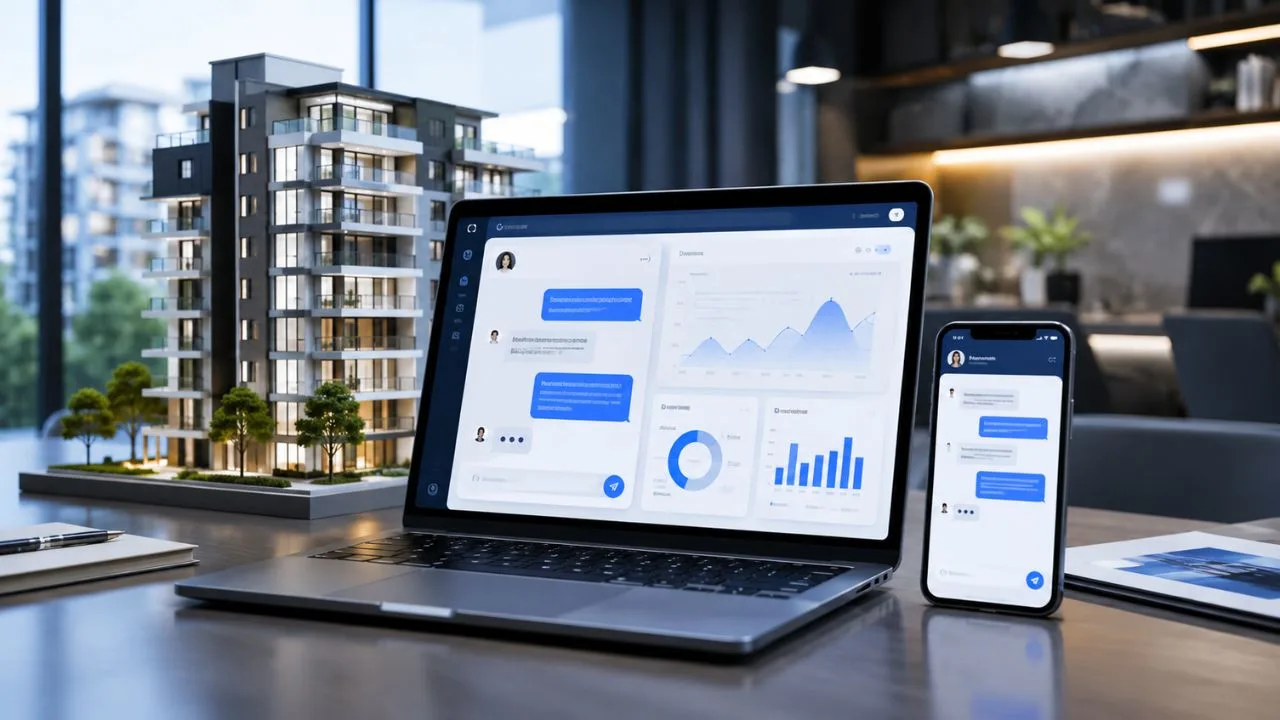

Elise AI, officially styled as EliseAI, is a conversational artificial intelligence platform designed to automate complex communication and administrative workflows. It initially became known as an AI leasing assistant for multifamily property managers, but its capabilities have expanded into resident services, maintenance, renewals, collections, customer relationship management and healthcare administration.
Unlike a basic website chatbot that only answers a limited collection of questions, EliseAI connects conversations with operational data and business workflows. It can respond to enquiries, schedule appointments or property tours, send follow-ups, create tasks and transfer complicated cases to a human employee. This makes the platform more useful for organisations managing high volumes of repetitive communication.
Property management companies can use EliseAI throughout the renter journey, from a prospect’s first enquiry to move-in, maintenance, renewal and payment communication. Healthcare practices can use the technology for appointment scheduling, patient calls, reminders and non-clinical enquiries. The platform communicates through channels such as voice, text messaging, email and website chat.
However, EliseAI is not a simple self-service tool that individuals can purchase with a fixed monthly subscription. It is primarily designed for property portfolios, management companies and healthcare organisations that require integrations, configuration and structured implementation. This guide explains how Elise AI works, its main features, potential benefits, pricing approach and important limitations.
What Is Elise AI?
EliseAI is a vertical AI platform, meaning its products are built for particular industries rather than every possible business use. The company focuses mainly on housing and healthcare, where conversations must connect with specialised records, scheduling rules, compliance requirements and operational processes. This industry-specific approach separates it from general AI writing tools and ordinary customer-service chatbots.
The company was founded in 2017 by Minna Song and Tony Stoyanov, originally operating under the name MeetElise. Its early product focused on improving communication between apartment prospects and multifamily leasing teams. The system was created to respond quickly to enquiries that property employees could not always answer immediately, especially during evenings, weekends and periods of high demand.
EliseAI later expanded its housing products beyond lead responses and tour scheduling. Its current platform can support leasing, move-ins, resident communication, maintenance requests, lease renewals, delinquency workflows and portfolio reporting. These functions are supported by EliseCRM, an AI-first customer relationship management platform built specifically for multifamily property operations.
The company has also developed HealthAI products for medical practices. These tools automate non-clinical patient interactions, including appointment booking, rescheduling, reminders, routine billing questions and outbound calls. Although the housing and healthcare products serve different users, both are based on the same goal: reducing administrative friction through purpose-built conversational automation.
How Does Elise AI Work?
EliseAI works by connecting conversational AI with an organisation’s existing information and operational systems. When a prospect, resident or patient asks a question, the platform identifies the person’s intent, retrieves relevant information and determines which approved action should happen next. It can then respond directly, update records, schedule an activity or involve a team member.
In property management, the platform may connect with a property management system, CRM, calendar, availability database or touring solution. This allows it to answer questions about apartment availability, amenities, pricing policies and tour times using the organisation’s current information. It can also save prospect details and maintain a record of previous conversations.
The AI communicates through multiple channels, including phone calls, SMS, email and web chat. A prospect might begin a conversation through a property website, continue by text and later call the leasing office. When systems are configured correctly, the communication history can remain connected rather than becoming several separate interactions that employees must manually combine.
EliseAI also uses escalation and handoff workflows when a request requires human judgement. Instead of attempting to automate every possible situation, the system can create a task containing the conversation details and assign it to the appropriate employee. The team member can review the context and continue the interaction without asking the customer to repeat everything.
Main Elise AI Features
One of the platform’s most important features is continuous conversational support. EliseAI can respond outside normal business hours, helping organisations avoid missed leads and unanswered routine questions. Its ability to work across voice, text, email and web chat also allows customers to use the communication method they find most convenient.
Automated scheduling is another major capability. In housing, the system can arrange property tours and coordinate available times. In healthcare, it can book, cancel or reschedule appointments according to provider calendars and scheduling rules. Automated confirmations and reminders can then be used to reduce forgotten appointments or missed leasing visits.
The platform also includes automated follow-up tools. Leasing prospects can receive reminders after an enquiry or tour, while residents can receive communications about renewals, outstanding balances and service updates. Healthcare organisations can use outbound communication for appointment reminders, patient recall campaigns, cancellation-filling and other approved administrative outreach.
Reporting and workflow management are also included in the wider platform. Teams can review communication activity, lead sources, conversion performance, resident engagement and other operational data. The software can create tasks, maintain conversation histories and centralise information that might otherwise be divided among separate communication and property management tools.
LeasingAI for Prospects and Property Tours
LeasingAI is designed to support the journey from a renter’s first enquiry to an application or signed lease. It can answer common questions about availability, floor plans, pricing, pet policies, amenities and qualification requirements. Fast responses are particularly valuable because apartment prospects often contact several properties during the same search.
The AI leasing assistant can also gather information about a prospect’s preferences. It may ask about the desired move-in date, budget, number of bedrooms, pets or preferred location. Based on available property data and configured policies, it can recommend suitable options and guide the prospect towards the next appropriate action.
Tour scheduling is another central LeasingAI function. Prospects can view suitable times and arrange appointments without waiting for a leasing employee to respond. The system can send confirmations, reminders and follow-up messages, reducing the manual communication required from onsite teams while keeping the prospect engaged throughout the process.
EliseAI also offers technology for AI-guided and self-guided touring experiences. Depending on the property’s setup and integrated access-control tools, prospects may be able to visit at more flexible times. These options can increase convenience, although operators must carefully configure identity verification, building access, unit availability and safety procedures.
ResidentAI for Maintenance, Renewals and Payments
ResidentAI extends automation beyond leasing by supporting people who already live at a property. Residents can use familiar channels to ask questions, report issues or request information without always needing to visit the management office. This can reduce repetitive calls while giving employees more time to handle sensitive or complicated resident concerns.
For maintenance, EliseAI can collect details about a problem, categorise the request and route it to the appropriate workflow. The system may ask follow-up questions that help determine the location, severity and type of issue. Urgent situations can be escalated according to the operator’s rules rather than remaining in an ordinary queue.
Renewal automation helps property teams begin conversations before a lease expires. The platform can send reminders, explain available options and follow up with residents who have not responded. Employees can then concentrate on negotiations, exceptions and retention conversations that require personal judgement instead of manually sending every routine message.
Delinquency tools support communication about overdue balances, payment reminders, late fees and promises to pay. Consistent outreach may help property managers contact residents earlier and maintain clearer records. However, organisations must configure these workflows carefully to ensure that communications remain accurate, respectful and consistent with applicable housing, debt-collection and consumer-protection requirements.
EliseCRM and Centralised Property Management
EliseCRM is the company’s AI-first customer relationship management system for multifamily housing. It centralises communications and operational records rather than using AI as an isolated add-on. The CRM can store prospect and resident interactions, communication histories, tasks, calendar information and reporting data within a shared operational environment.
The system supports omnichannel communication across calls, texts, emails and web chat. Both employees and the AI can work within the same communication threads, helping reduce fragmented records. When the AI cannot complete a request, it can create a task containing relevant details and transcripts so a human agent can continue efficiently.
EliseCRM also includes scheduling and calendar-management capabilities for multiple properties. Teams can manage tour availability, blocked times, agent assignments and other scheduling conditions. This is useful for centralised leasing departments that serve several communities and need to coordinate staff availability across different locations.
Reporting features can help managers review conversion rates, communication performance, lead sources and resident-related workflows. These insights may reveal where prospects lose interest, which marketing sources produce stronger leads and where employees need additional support. The value of these reports depends on accurate integrations, sensible performance measures and consistent use by the organisation.
VoiceAI and Automated Phone Support
VoiceAI allows EliseAI to communicate with prospects, residents and patients through natural-language phone conversations. It can answer inbound calls immediately, reducing dependence on voicemail, hold queues or traditional answering services. The system can also make outbound calls for approved reminders, follow-ups and communication campaigns.
In property management, VoiceAI can answer leasing questions, book tours, provide resident information and collect maintenance details. It can operate outside office hours, when a potential renter might otherwise reach voicemail. Calls that require negotiation, emotional support or specialised knowledge can be transferred or escalated to human employees.
Healthcare organisations can use VoiceAI to schedule appointments, manage cancellations, deliver reminders and answer routine billing or coverage questions. The platform can connect with electronic health record systems to keep scheduling information current. Healthcare workflows require stricter controls because patient identity, privacy and clinical escalation must be handled appropriately.
Although AI voice technology can improve availability, it should not be treated as a complete replacement for trained employees. Callers may have unusual accents, complicated questions, urgent situations or emotional concerns that require human understanding. Organisations should test call quality, escalation accuracy and accessibility before relying heavily on automated phone support.
Elise AI for Healthcare Practices
EliseAI’s healthcare platform focuses on administrative and non-clinical patient communication. It is intended to reduce the workload created by repeated scheduling calls, reminders, basic enquiries and outbound campaigns. Medical staff can then spend more time on patient care and complex administrative cases that require professional attention.
Online scheduling tools can apply more detailed rules than a simple calendar widget. The platform may consider appointment type, provider availability, location, insurance restrictions and other configured requirements. It can also support cancellations and rescheduling, helping practices give patients more self-service options outside standard reception hours.
Patient engagement features include appointment confirmations, recall campaigns, reminders and follow-up communication. Automated outreach can help practices contact people who are due for care or fill appointment slots created by cancellations. The system can communicate through voice, text, email and web-based interactions, depending on the practice’s setup.
The healthcare products are designed to integrate with electronic health record, practice management and revenue-cycle systems. EliseAI states that its healthcare platform supports HIPAA-aligned workflows and holds SOC 2 Type II certification. Even so, each provider remains responsible for evaluating privacy, permissions, vendor agreements, configuration and local regulatory requirements.
Elise AI Integrations and Communication Channels
Integrations are essential because EliseAI needs reliable business data to provide useful answers and complete actions. For housing operators, the platform can connect with property management systems, CRMs, leasing tools, access-control systems, touring platforms and rental marketplaces. The exact options available may depend on the customer’s existing technology and chosen EliseAI products.
The company lists integrations and partnerships involving platforms used for leasing forms, property records, lead management, virtual tours and smart access. Examples include Blue Moon, Brivo, ButterflyMX, Engrain, Funnel, PERQ, Realync, Rent Manager, ResMan, Tour24 and Zillow Rentals. Availability and functionality should be confirmed during the sales process.
In healthcare, EliseAI supports integrations with several electronic health record and medical practice platforms. Its published options include systems such as athenahealth, ModMed, eClinicalWorks, Nextech and AdvancedMD. Integration depth may vary, so practices should confirm which records, appointment rules and communication activities can be synchronised.
Across both industries, EliseAI communicates through voice calls, SMS, email and web chat. Omnichannel support can make customer interactions more convenient, but organisations should avoid sending excessive or repetitive messages. Communication preferences, consent requirements, opt-out processes and channel-specific regulations must be included in the implementation plan.
Benefits of Using Elise AI
The most immediate benefit of EliseAI is faster response time. Prospects, residents and patients do not always contact an organisation during office hours, and employees may be busy when an enquiry arrives. Automated support can provide an immediate response, capture the person’s information and begin the appropriate workflow.
EliseAI can also reduce the amount of repetitive administrative work handled manually. Scheduling, reminders, routine questions, follow-ups and basic request collection can consume many staff hours. Automating suitable tasks allows employees to focus on property tours, resident relationships, patient care and cases requiring empathy or professional judgement.
Consistency is another potential advantage. An AI system follows configured policies and can deliver the same approved information across multiple properties or practice locations. This may reduce differences caused by rushed responses, missed messages or inconsistent training, although the information source must be updated whenever policies, prices or schedules change.
The platform may also provide clearer operational data by centralising conversations and outcomes. Managers can review activity across locations rather than relying on disconnected inboxes and call logs. These insights can support staffing, marketing and workflow decisions, but organisations should evaluate meaningful business outcomes instead of focusing only on message volume.
Elise AI Pricing Explained
EliseAI does not publish a simple public pricing table for its complete housing or healthcare platform. Prospective customers are directed to request a demonstration or contact the sales team. This means the final price is likely to depend on the organisation’s size, selected products, operational complexity and implementation requirements.
Property management AI platforms commonly use per-unit monthly pricing, tiered packages or enterprise agreements. A housing operator may therefore receive a proposal based on the number of apartment units, properties or portfolios being supported. Additional products such as VoiceAI, ResidentAI, EliseCRM or specialised touring workflows may affect the total cost.
Healthcare pricing may be influenced by practice size, call volume, locations, providers, integrations and the range of workflows being automated. A small specialist practice and a large multi-location healthcare group are unlikely to need the same configuration. Implementation, data connections, training and ongoing support should also be included when evaluating the total investment.
Because no universal Elise AI price is publicly guaranteed, buyers should request a detailed written proposal. It should identify licensing charges, implementation fees, integration expenses, support, contract length, usage limits and potential price increases. A useful comparison should measure the total cost against staff time saved, improved conversions, reduced missed calls and other realistic outcomes.
How EliseAI Is Implemented
Implementation normally begins with an assessment of the organisation’s communication and operational workflows. The customer and EliseAI team identify which enquiries should be automated, what information the AI can access and when a human employee must take control. Clear boundaries are essential because not every process should be fully automated.
The next stage involves connecting EliseAI with relevant systems. Housing customers may connect property records, prospect information, tour calendars and resident workflows. Healthcare customers may connect appointment schedules and approved patient-management systems. Data quality should be reviewed before launch because inaccurate source information can produce inaccurate answers.
The organisation must then configure policies, communication rules, escalation paths and approved content. Employees should test common questions as well as unusual or difficult scenarios. Testing should include after-hours contacts, emergency language, unavailable appointments, changing prices, accessibility needs and requests that fall outside the AI’s authorised responsibilities.
After launch, teams should review conversation quality, task handoffs and business outcomes. Early monitoring can identify missing information, confusing answers and workflows that require adjustment. Implementation is therefore not a one-time software installation; it is an ongoing process of training employees, maintaining data and refining operational rules.
Possible Limitations and Concerns
The first limitation is the absence of transparent standard pricing. Custom pricing is common for enterprise software, but it makes quick comparisons difficult for smaller organisations. Buyers may need to complete a sales demonstration before learning whether the product matches their available budget or minimum portfolio requirements.
Another concern is dependence on accurate integrations and business data. The AI cannot reliably explain apartment availability, fees or appointment times when connected information is incomplete or outdated. Organisations need clear ownership of data maintenance so that pricing, policies, calendars and contact details remain current.
Automated conversations can also struggle with emotionally sensitive, highly unusual or ambiguous situations. A resident facing hardship, a patient describing a complex concern or a prospect requesting a special exception may need human support. Effective escalation should therefore be treated as a core feature rather than evidence that the AI has failed.
Implementation may require significant organisational change. Employees need to understand which tasks are automated, how to review AI-created tasks and when to intervene. Without training and internal support, teams may duplicate the system’s work, ignore valuable information or become frustrated by processes that were not aligned with their daily responsibilities.
Who Should Consider Elise AI?
EliseAI is most relevant to medium-sized and large property management organisations handling substantial enquiry volumes. Multifamily owners, fee managers, student housing operators, affordable housing providers and single-family rental portfolios may benefit when communication and administrative tasks are spread across multiple locations.
The platform may also suit organisations developing centralised leasing or resident-service teams. EliseCRM, task routing and omnichannel communication can help one team support several properties. The business case becomes stronger when existing processes involve missed calls, inconsistent follow-up, duplicated software or excessive manual data entry.
Healthcare practices may consider EliseAI when reception teams face high call volumes, long hold times or repetitive scheduling work. Multi-location groups in areas such as women’s health, dermatology, ophthalmology and orthopaedics may find specialised workflows useful. Clinical care decisions, however, should remain with qualified healthcare professionals.
Very small landlords, individual property owners and small businesses may find the platform more complex than necessary. A basic CRM, scheduling tool or chatbot could be more affordable when communication volume is limited. The right decision depends on operational needs, integration requirements, available staff and the measurable value automation can create.
Is Elise AI Worth It?
EliseAI may be worth considering when repetitive conversations are preventing employees from completing higher-value work. Its strongest advantage is not simply answering questions but connecting those conversations with scheduling, records, follow-ups and operational workflows. That depth makes it more capable than many standalone chatbots.
Housing operators can potentially use one platform across leasing, maintenance, renewals, collections and resident communication. Healthcare organisations can automate scheduling and other non-clinical interactions while preserving human involvement for complex situations. The value becomes greater when several disconnected tools or manual processes can be consolidated.
However, organisations should not purchase EliseAI simply because artificial intelligence is popular. A successful implementation requires reliable data, clearly defined workflows, integration support, employee training and ongoing quality monitoring. Without these foundations, even advanced conversational AI can create confusion instead of improving the customer experience.
The best approach is to request a demonstration based on real operational scenarios and obtain a detailed pricing proposal. Buyers should test common and difficult conversations, examine escalation controls and calculate expected returns using their own data. EliseAI is most valuable when it solves a documented business problem rather than becoming technology added without a clear purpose.
Final Thoughts
EliseAI has developed from an AI leasing assistant into a wider automation platform for housing and healthcare. Its current products cover prospect communication, tours, resident services, maintenance, renewals, delinquency outreach, CRM workflows, voice calls, patient scheduling and administrative healthcare communication.
Its combination of industry knowledge, system integrations and omnichannel conversations gives it an advantage over basic chatbots. The platform can take approved actions rather than only producing written answers. This allows organisations to connect customer communication more closely with everyday operational processes.
The main drawback for buyers researching Elise AI pricing is the lack of a fixed public price list. Organisations must contact the company for a customised quote and evaluate the full cost of implementation. Integration complexity, product selection and business scale are likely to influence the final proposal.
For suitable property portfolios and healthcare groups, EliseAI may reduce repetitive work, improve availability and create more consistent communication. It should still be implemented as a support system for trained employees, not an unquestioned replacement for human judgement, empathy or professional responsibility.
Frequently Asked Questions
What does Elise AI do?
EliseAI automates conversations and administrative workflows for housing and healthcare organisations. It can answer enquiries, schedule tours or appointments, manage follow-ups and escalate complex requests.
How much does Elise AI cost?
EliseAI does not provide a universal public price list. Pricing is customised according to factors such as portfolio size, selected products, integrations, locations and implementation requirements.
Is EliseAI only for property management?
No. EliseAI began with multifamily property management but now also offers healthcare automation for patient calls, appointment scheduling, reminders, billing enquiries and other non-clinical workflows.
Does EliseAI integrate with property management software?
Yes. EliseAI supports integrations with property management, CRM, leasing, touring and access-control systems. Available connections and integration depth should be confirmed before signing a contract.
Can EliseAI replace human employees?
EliseAI can automate many repetitive communications, but it should not replace human judgement in complex or sensitive situations. Strong handoff and escalation processes remain essential.