

iPhone Titanium: See Why It’s Worth the Upgrade
The arrival of the titanium iPhone changed how Apple’s premium smartphones looked and felt in everyday use. Titanium gave selected iPhone models a refined appearance while reducing some of the weight associated with earlier stainless-steel Pro devices. For many users, the difference became noticeable as soon as they held the phone.
However, titanium is not the only reason to upgrade an iPhone. The models built with this premium metal also introduced faster processors, improved cameras, USB-C connectivity, customisable controls and stronger gaming capabilities. Buyers should therefore consider the complete experience instead of treating the frame material as the only important feature.
The titanium iPhone range has also changed over time. Apple introduced titanium on the iPhone 15 Pro series, continued using it for the iPhone 16 Pro lineup and later brought a polished titanium frame to the slim iPhone Air. The current iPhone 17 Pro models use aluminium rather than continuing the same titanium construction.
This means choosing an iPhone with titanium in 2026 requires a little more research than simply purchasing the newest Pro model. Depending on your priorities, an iPhone 15 Pro, iPhone 16 Pro or iPhone Air may provide the design and comfortable feel you want. This guide explains whether that upgrade is genuinely worthwhile.
What Is an iPhone Titanium Design?
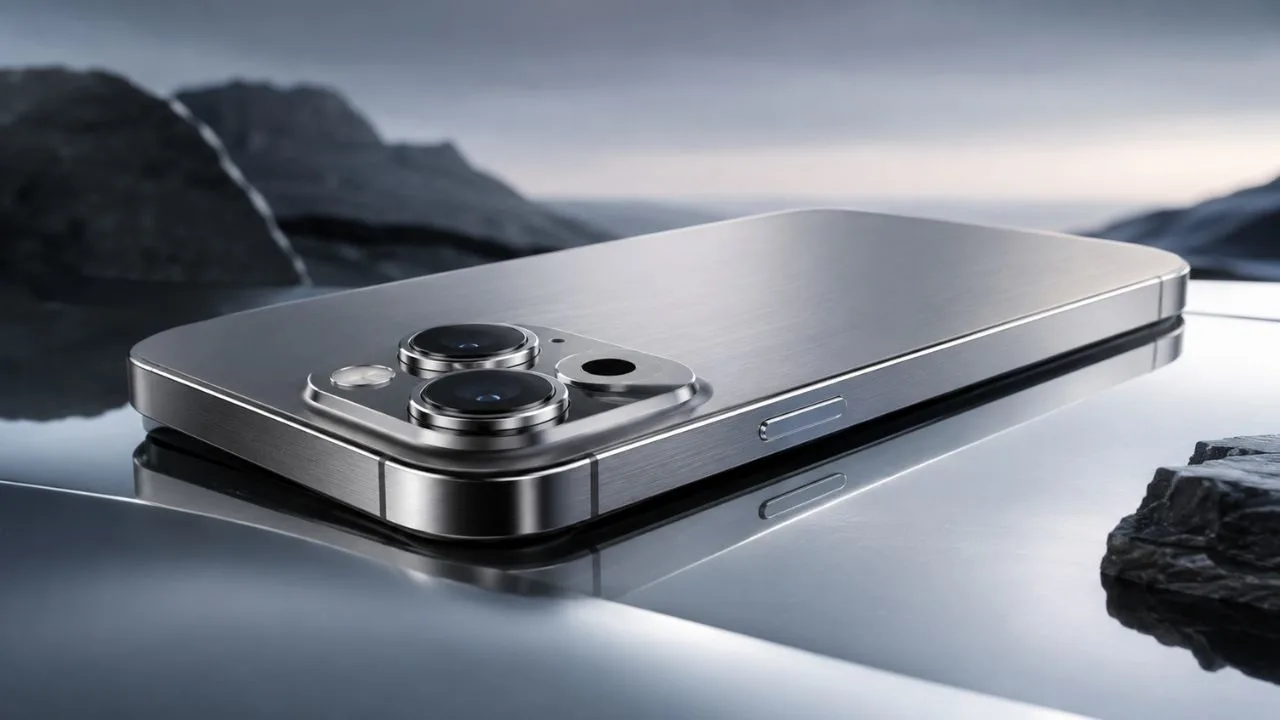
An iPhone titanium design uses titanium around the exterior frame instead of relying entirely on aluminium or stainless steel. Titanium is valued for its impressive strength-to-weight ratio, which means it can provide considerable strength without adding as much weight as some other premium metals. It also gives the device a distinctive high-end finish.
The iPhone 15 Pro and iPhone 15 Pro Max did not use a solid block of titanium for their complete bodies. Apple bonded external titanium bands to an internal aluminium substructure through a specialised manufacturing process. This approach combined the appearance and strength of titanium with the heat-management and structural benefits of aluminium.
Apple continued using a titanium design with the iPhone 16 Pro and iPhone 16 Pro Max. These models were available in Black Titanium, White Titanium, Natural Titanium and Desert Titanium. The finishes created a more understated appearance than the highly polished stainless-steel edges used on some earlier Pro generations.
The newer iPhone Air also features a polished titanium frame, although its overall purpose is different from that of the older Pro devices. It focuses on providing a thin and lightweight design rather than the most advanced possible camera system. Titanium helps support that slim construction while maintaining a premium appearance.
Which iPhone Models Are Made with Titanium?
Apple first introduced titanium to the iPhone lineup with the iPhone 15 Pro and iPhone 15 Pro Max in 2023. The standard iPhone 15 and iPhone 15 Plus continued using aluminium frames. This made titanium one of the most visible design differences between the standard devices and Apple’s premium Pro models.
The iPhone 16 Pro and iPhone 16 Pro Max also use titanium frames. These phones increased the screen sizes while retaining a premium construction, advanced processors and professional camera features. The iPhone 16 Pro generation may appeal to users who want a titanium model with newer performance capabilities than the iPhone 15 Pro.
In 2025, Apple introduced the iPhone Air with a polished titanium frame. This device is thinner and lighter than a traditional Pro Max model, but it uses a simpler rear camera system. It is aimed at people who value portability, appearance and a large display more than multiple professional camera lenses.
The iPhone 17 Pro and iPhone 17 Pro Max do not use titanium frames. Apple moved to a heat-forged aluminium unibody with a vapour chamber to support cooling and sustained performance. Therefore, shoppers specifically searching for a current titanium iPhone should look at the iPhone Air or consider an earlier Pro model.
Why Did Apple Introduce Titanium?
One of the main reasons for using titanium was to reduce the heavy feeling of previous stainless-steel Pro iPhones. Stainless steel produced an attractive and durable exterior, but large models could feel tiring during extended one-handed use. Titanium provided an opportunity to maintain a premium frame while improving comfort.
The change was particularly noticeable when comparing the iPhone 15 Pro with the iPhone 14 Pro. The stainless-steel iPhone 14 Pro weighed 206 grams, while the titanium iPhone 15 Pro weighed 187 grams. That 19-gram reduction made the newer phone easier to hold, carry and use for longer periods.
The difference was equally clear on the larger models. The iPhone 14 Pro Max weighed 240 grams, while the iPhone 15 Pro Max reduced the weight to 221 grams. Although both remained substantial devices, the titanium version placed less pressure on the hand during photography, reading, gaming and video streaming.
Titanium also helped Apple create a different visual identity for its professional iPhones. The brushed texture looked softer and less reflective than polished stainless steel. Combined with contoured edges, it made the devices feel less sharp in the hand and gave the Pro lineup a practical yet premium appearance.
Titanium iPhone vs Stainless-Steel iPhone
Stainless steel has a polished and luxurious appearance, which helped older Pro iPhones stand apart from standard aluminium models. However, the glossy frame could attract fingerprints and visible marks. It also contributed to the considerable weight of devices such as the iPhone 13 Pro Max and iPhone 14 Pro Max.
Titanium has a warmer and more muted appearance than highly polished stainless steel. Its brushed finish can hide fingerprints more effectively, although darker titanium colours may still show oils, dust or minor surface marks. Natural Titanium is particularly popular because its neutral finish works well with many case colours and accessories.
From a practical perspective, the main advantage of titanium is not that it makes an iPhone indestructible. Its greater benefit is the balance between strength and weight. The device can maintain a solid frame while becoming more comfortable to carry, especially for people who use a Pro Max phone throughout the day.
Stainless-steel models can still offer excellent durability and premium build quality. A well-maintained iPhone 14 Pro remains a capable device despite being heavier. The titanium upgrade becomes more meaningful when reduced weight, curved edges and newer internal features solve specific problems you experience with an older phone.
Does Titanium Make the iPhone More Durable?
Titanium is a strong material, but the durability of an iPhone depends on more than its exterior frame. The front glass, rear panel, internal structure, camera lenses and corners all respond differently to impacts. A titanium edge cannot guarantee that the display or back glass will survive every accidental fall.
The metal frame may resist certain forms of bending and structural stress, but cosmetic marks can still develop. Coated finishes may show scratches differently from Natural Titanium, particularly when the phone regularly contacts keys, rough surfaces or dust trapped inside a case. Titanium should therefore be viewed as durable rather than damage-proof.
Apple combines the titanium frame with Ceramic Shield technology on the front of compatible models. The iPhones also carry water- and dust-resistance ratings under controlled test conditions. However, water resistance can decrease with normal wear, and liquid damage is not generally treated as a guaranteed warranty-covered event.
Users who frequently drop their phones should still use a protective case and screen protector. Titanium may strengthen the premium construction, but it does not remove the need for sensible protection. A raised camera edge, secure grip and impact-absorbing corners can preserve the phone more effectively than the frame material alone.
A Lighter Phone Makes a Real Everyday Difference
Smartphone weight can seem unimportant when comparing specification sheets, but it becomes noticeable during repeated use. People may hold their phones while commuting, reading articles, watching videos, recording events or scrolling in bed. Even a modest reduction can improve comfort when these activities continue for long periods.
A lighter Pro iPhone is also easier to use for photography. Holding a heavy phone steadily while framing a subject can strain the fingers and wrist, particularly when using the larger Max model. Titanium helped reduce that burden without requiring buyers to give up the advanced camera system associated with the Pro range.
The weight difference may also matter to users who carry several devices. A phone often shares a bag or pocket with chargers, earbuds, keys and other personal items. Reducing the phone’s weight does not transform the complete load, but it can make daily carrying feel more balanced and convenient.
Not everyone will consider the difference significant. Someone who always uses a large protective case may notice less of the weight reduction. Nevertheless, people moving from a stainless-steel Pro Max to a titanium device are more likely to appreciate the change than users upgrading from an already lightweight standard aluminium iPhone.
Premium Design Without an Overly Shiny Finish
The titanium iPhone design offers a more subtle form of luxury than polished stainless steel. Instead of reflecting light like jewellery, the brushed surface creates a restrained and professional appearance. This can appeal to buyers who want a premium phone that does not look excessively glossy or attract constant fingerprints.
Natural Titanium became one of the most recognisable colours because it highlights the character of the metal. Its neutral grey-beige appearance can look slightly different under warm indoor lighting and cooler daylight. It also pairs naturally with clear, black, brown, blue and earth-toned protective cases.
Black Titanium provides a more traditional and understated look, while White Titanium creates a cleaner appearance. Blue Titanium was available on the iPhone 15 Pro range, and Desert Titanium appeared with the iPhone 16 Pro generation. Colour availability therefore depends on the exact model and year being purchased.
The rounded or contoured edges also influence how the device feels. Earlier flat-sided iPhones could press firmly against the palm during extended use. Titanium models introduced softer transitions between the frame and glass, creating a phone that can feel more comfortable even before its lower weight is considered.
The Upgrade Includes More Than a Titanium Frame
Buying a titanium iPhone is not simply purchasing a different metal. The iPhone 15 Pro introduced the A17 Pro processor, hardware-accelerated ray tracing and the ability to run demanding console-style games. It also replaced the traditional mute switch with the customisable Action button and moved the iPhone to USB-C.
The iPhone 16 Pro generation advanced the experience with the A18 Pro chip, larger displays and Camera Control. It also improved photographic and video capabilities while supporting Apple Intelligence features. These upgrades may have a greater effect on daily use than the titanium frame itself.
The iPhone Air combines titanium with a very different set of priorities. It provides an exceptionally thin body, a large ProMotion display and an A19 Pro chip, but it does not include the complete three-camera system found on the latest Pro devices. Buyers must decide whether portability matters more than camera versatility.
A titanium model is therefore worth buying when its complete feature set matches your needs. Selecting a phone based only on the frame can lead to disappointment if the battery, display size, camera arrangement or storage does not suit you. Materials should support the buying decision rather than control it entirely.
Better Cameras Can Make the Upgrade Worthwhile
The iPhone 15 Pro and iPhone 15 Pro Max introduced major camera advantages over many older iPhones. Both models included a 48-megapixel main camera, while the Pro Max added a 5x telephoto option. These improvements gave users more flexibility when photographing portraits, travel scenes, events and distant subjects.
The iPhone 16 Pro brought the longer 5x telephoto camera to both Pro sizes. It also offered a 48-megapixel Ultra Wide camera and more advanced video recording capabilities. This made the smaller Pro model more attractive to people who wanted powerful cameras without carrying the largest available phone.
Camera Control provided another way to access and adjust photography features. Users could quickly launch the camera and interact with selected settings from a dedicated control on the side of the device. Some people find this convenient, while others may continue preferring the familiar on-screen camera interface.
The iPhone Air takes a simpler approach with one 48-megapixel Fusion Main camera that can also provide a 2x optical-quality view. It is capable enough for everyday photography, but serious photographers may miss dedicated Ultra Wide and Telephoto lenses. A titanium frame should not be mistaken for a complete Pro camera system.
USB-C Makes the Titanium Pro Models More Convenient
The iPhone 15 family was the first iPhone generation to replace the Lightning connector with USB-C. This change allows many users to charge their phone, tablet, laptop, headphones and other accessories using the same type of cable. It can reduce the number of separate cables needed for work or travel.
The Pro models also support faster USB data-transfer capabilities when used with appropriate equipment and cables. This is particularly useful for photographers and video creators who regularly move large files to external storage or a computer. Standard charging cables may not always support the fastest available transfer speed.
USB-C also makes it easier to connect selected displays, storage devices, microphones and creative accessories. The experience still depends on compatibility, power requirements and software support, but the connection is more flexible than the older Lightning port. This feature can deliver practical value long after the excitement of the titanium finish fades.
Users upgrading from an iPhone 14 or an older model should remember that their existing Lightning cables may no longer serve as their main charging accessories. Replacing cables creates a small initial inconvenience, but households that already use USB-C devices may find the transition simpler and more organised.
The Action Button Adds Useful Personalisation
The Action button first appeared on the titanium iPhone 15 Pro and iPhone 15 Pro Max. It replaced the physical ring and silent switch that had been part of the iPhone for many years. By default, it can still control silent mode, but users can assign it to other supported actions.
The button can open the camera, activate the flashlight, begin a voice recording, launch a Focus mode or trigger an accessibility feature. It can also run a Shortcut, which creates many additional possibilities. A carefully designed Shortcut can open an app, begin navigation or perform several connected actions.
Its value depends on whether the owner takes time to customise it. Someone who leaves it assigned to silent mode may experience only a small change from the traditional switch. A user who connects it to a frequent task may save time several times throughout the day.
Newer iPhone generations have expanded the availability of the Action button beyond the original titanium Pro models. Therefore, it is no longer a reason to buy titanium by itself. It remains an important part of the overall upgrade when moving from an older iPhone without customisable physical controls.
Titanium iPhones and Apple Intelligence
Apple Intelligence support depends mainly on the processor and available hardware rather than the titanium frame. The iPhone 15 Pro and iPhone 15 Pro Max were the earliest iPhones built to support Apple’s personal intelligence features. Standard iPhone 15 models do not offer the same level of compatibility.
The iPhone 16 Pro, iPhone 16 Pro Max and iPhone Air also support Apple Intelligence. Compatible features can assist with writing, notification summaries, image creation, visual searches and selected Siri interactions. Availability may vary according to language, region, software version and the exact feature being used.
This makes the processor an important consideration when comparing titanium iPhones. An iPhone 15 Pro may offer strong value on the refurbished market, while an iPhone 16 Pro provides newer hardware and potentially greater long-term performance headroom. The iPhone Air adds a newer A19 Pro chip within a thinner design.
Buyers should not upgrade only because of future software promises. The phone should already improve tasks that matter to them, such as photography, battery life, display quality or performance. AI features can add value, but they should complement a practical upgrade rather than become the only justification for replacing a working device.
Is the iPhone Air the Best Titanium iPhone in 2026?
The iPhone Air is currently the most direct choice for someone who wants a new titanium-framed iPhone from Apple. Its polished frame supports an extremely thin 5.64-millimetre body, while the complete device weighs 165 grams. This makes it noticeably lighter than earlier Pro and Pro Max titanium models.
Its 6.5-inch display offers a large viewing area without creating the same heavy feel as a traditional large-screen Pro device. ProMotion provides smooth scrolling and responsive animations, while the A19 Pro chip delivers strong everyday performance. The design is particularly attractive for reading, communication, travel and media use.
The main compromise is the rear camera system. The iPhone Air does not provide separate Ultra Wide and Telephoto cameras, which limits framing flexibility. Its slim body may also produce different battery and heat-management trade-offs from the thicker iPhone 17 Pro and iPhone 17 Pro Max.
The iPhone Air is therefore the best titanium iPhone for users who prioritise thinness, low weight and a premium large display. It is not automatically the best option for professional photography, long-distance zoom or the most demanding sustained gaming. The ideal choice depends on which benefits matter most.
iPhone 15 Pro vs iPhone 16 Pro vs iPhone Air
The iPhone 15 Pro is the most affordable entry point into Apple’s titanium Pro era when purchased from a reputable refurbished or used seller. It remains powerful, supports Apple Intelligence and includes a versatile three-camera system. Its compact 6.1-inch size also appeals to people who find newer phones increasingly large.
The iPhone 16 Pro offers newer performance, a larger 6.3-inch display and a 5x telephoto camera within the smaller Pro format. It also includes Camera Control and improved camera capabilities. It is a strong choice for buyers who want a traditional titanium Pro phone with fewer compromises than the iPhone 15 Pro.
The iPhone Air provides the newest titanium-based design among these options. It is lighter and thinner, with a 6.5-inch screen and a newer processor. However, its single rear camera arrangement makes it less versatile than either Pro model for photography and video production.
The right decision depends on priorities. Choose the iPhone 15 Pro for compact value, the iPhone 16 Pro for a more complete titanium Pro experience or the iPhone Air for maximum portability. None is universally better because each model balances design, cameras, performance and comfort differently.
Is Titanium Worth Upgrading from an Older iPhone?
Upgrading from an iPhone 11, iPhone 12 or another older model can provide a substantial overall improvement. A titanium Pro device may deliver a brighter ProMotion display, improved cameras, faster performance, USB-C, stronger gaming features and newer software support. In this situation, titanium becomes one benefit within a much larger upgrade.
Owners of an iPhone 13 Pro or iPhone 14 Pro may notice the reduced weight and more comfortable edges immediately. The newer device can feel easier to hold even before its software features are explored. USB-C, upgraded cameras and Apple Intelligence support may provide additional reasons to make the change.
Moving from an iPhone 15 Pro to an iPhone 16 Pro is a smaller step. The newer model improves display size, processing, cameras and controls, but the core titanium experience remains familiar. Many iPhone 15 Pro owners can comfortably keep their phones unless a specific new feature solves an important need.
Upgrading from a recent standard aluminium iPhone requires a different calculation. Titanium may feel more premium, but a Pro model can still be heavier because of its additional cameras and internal hardware. Buyers should compare complete device weights rather than assuming every titanium phone is lighter than every aluminium model.
Who Should Upgrade to a Titanium iPhone?
A titanium iPhone is a strong option for someone who finds an older stainless-steel Pro model too heavy. The reduced weight of the iPhone 15 Pro generation can improve comfort without sacrificing the premium camera and display features associated with Apple’s Pro range. This benefit becomes more noticeable with frequent one-handed use.
Content creators may also benefit from a titanium Pro model. Advanced cameras, Pro video formats, USB-C data transfers and powerful processors can support mobile photography and production. For these users, the titanium frame improves handling while the internal technology provides the main professional value.
The iPhone Air is suitable for travellers, commuters and users who want a large screen without carrying a heavy device. Its thin titanium construction feels distinctive and portable. It can be a particularly attractive choice for people who take ordinary photographs and do not depend on multiple rear lenses.
Users keeping their phones for several years may also appreciate the premium construction and modern processors. A carefully selected titanium iPhone can provide long-term performance and software support. However, expected longevity also depends on battery care, physical protection, storage capacity and future repair requirements.
Who May Not Need the Titanium Upgrade?
People who always use thick protective cases may receive less visual benefit from titanium. The frame’s finish and texture remain mostly hidden, while the case adds some of the weight the material helped reduce. In this situation, processor, camera and battery improvements should carry more importance than exterior design.
A user satisfied with an iPhone 15 Pro may not need to move to another titanium device. It already offers strong performance, USB-C, a ProMotion display, capable cameras and Apple Intelligence compatibility. Replacing it primarily for a different titanium colour would provide limited practical value.
Budget-conscious buyers may receive better value from a standard iPhone. Aluminium iPhones can be lighter than Pro models and still provide excellent performance, dependable cameras and long software support. Paying more for titanium makes sense only when the device’s additional features are genuinely useful.
Anyone wanting the most advanced current Pro performance should also consider the aluminium iPhone 17 Pro rather than insisting on titanium. Its design supports vapour-chamber cooling, higher sustained performance and improved battery capacity. The best technical upgrade in 2026 is not necessarily the model made from the most premium-sounding metal.
Buying a Used or Refurbished Titanium iPhone
Buying a refurbished iPhone 15 Pro can make titanium more accessible without paying the original launch price. Choose a reputable seller that clearly explains the phone’s condition, warranty and return policy. Extremely low prices can indicate hidden damage, replaced components or devices with unresolved activation restrictions.
Battery health deserves close attention because it directly affects daily usability. A phone with a heavily degraded battery may require charging several times a day or an early battery replacement. The lower purchase price should leave enough room for possible maintenance when comparing it with a newer model.
Inspect the titanium frame for deep marks, dents or signs of impact near the corners. Minor cosmetic scratches may not affect operation, but significant damage could indicate a serious fall. Check the cameras, Face ID, speakers, microphones, buttons, charging port and wireless connections before the return period ends.
Confirm that the storage capacity fits your long-term needs. Photos, high-resolution video, games and offline media can quickly consume space. Saving money on a 128GB model may become frustrating when storage management turns into a constant task throughout the phone’s remaining life.
How to Protect a Titanium iPhone
Use a case that provides grip without making the phone unnecessarily bulky. Raised edges around the display and camera area can reduce direct contact with surfaces. A clear case can preserve the titanium appearance, while an opaque case may provide better resistance to visible yellowing or discolouration.
A screen protector can help prevent scratches caused by sand, grit and other hard particles. Ceramic Shield is designed to improve durability, but no smartphone display is completely scratch-proof. Replacing a protector is much easier and less expensive than replacing the complete screen.
Remove the case occasionally and clean trapped dust from the frame. Fine particles can rub against the surface and create small marks over time. Use a soft, slightly damp, lint-free cloth and avoid harsh household cleaners that could damage coatings or enter openings.
Avoid assuming that the water-resistance rating makes underwater use risk-free. Resistance can decrease after impacts, repairs and ordinary ageing. Keep the charging port dry, follow Apple’s care instructions and allow the device to dry fully before connecting a cable after accidental exposure to liquid.
Final Verdict: Is iPhone Titanium Worth It?
An iPhone titanium upgrade can be worthwhile because the material improves the balance between premium construction and everyday comfort. The iPhone 15 Pro generation demonstrated this clearly by reducing weight compared with stainless-steel predecessors. The contoured edges and brushed finish also created a more comfortable, understated design.
The strongest reason to upgrade is the combination of titanium with meaningful technology. Fast processors, advanced camera systems, ProMotion displays, USB-C, the Action button and Apple Intelligence support can transform the experience for someone using an older iPhone. Titanium alone should not carry the entire decision.
In 2026, buyers should remember that Apple’s newest Pro models have moved back to aluminium, while the iPhone Air carries the current titanium design. Earlier iPhone 15 Pro and iPhone 16 Pro devices remain valuable options, especially when purchased at sensible refurbished or remaining-stock prices.
Ultimately, titanium is worth the upgrade when you want a phone that feels lighter, more refined and more comfortable while also delivering features you will use. When material is the only improvement you care about, keeping your current iPhone may be wiser. The best upgrade solves real problems rather than simply following a design trend.
Frequently Asked Questions
Which iPhones have a titanium frame?
The iPhone 15 Pro, iPhone 15 Pro Max, iPhone 16 Pro, iPhone 16 Pro Max and iPhone Air use titanium designs. The iPhone 17 Pro models use an aluminium unibody instead.
Is a titanium iPhone stronger than an aluminium iPhone?
Titanium offers an excellent strength-to-weight ratio, but complete durability depends on the glass, internal structure and design. Neither titanium nor aluminium makes an iPhone completely resistant to damage.
Is the Natural Titanium iPhone actually unpainted?
Natural Titanium highlights the metal-inspired appearance more clearly than darker finishes, although the complete manufacturing and finishing process involves more than simply leaving raw titanium exposed.
Does titanium make an iPhone lighter?
Titanium helped make the iPhone 15 Pro models lighter than their stainless-steel predecessors. However, the complete weight also depends on screen size, cameras, battery capacity and internal components.
Is the titanium iPhone worth buying in 2026?
It can be worthwhile for buyers who value lower weight, premium design and modern features. Compare the iPhone 15 Pro, iPhone 16 Pro and iPhone Air according to cameras, performance and price.