

High Protein Meals for Muscle Gain: 10 Easy Ideas
Building muscle requires more than completing hard workouts and drinking an occasional protein shake. Your body also needs enough calories, protein, carbohydrates and other nutrients to repair the muscle fibers challenged during resistance training. Well-planned meals make these nutritional requirements much easier to meet consistently.
The best high protein meals for muscle gain combine a quality protein source with energizing carbohydrates, colorful vegetables and healthy fats. This balanced approach supports workout performance, muscle recovery and general health. It is usually more sustainable than building every meal around plain chicken and protein powder.
Your ideal meals will depend on your body weight, appetite, training schedule, dietary preferences and muscle-building goals. A smaller beginner and a larger experienced lifter will not require identical portions. Meal ideas should therefore be adjusted rather than treated as fixed prescriptions for everyone.
This guide provides ten practical muscle-building meals alongside advice on protein intake, meal timing, calorie surplus and preparation. It includes meat, fish, dairy and plant-based options so you can create a high-protein diet that fits your budget, lifestyle and food preferences.
Key Takeaways
Protein provides amino acids that your body uses to repair and build muscle tissue after resistance training. However, protein cannot produce meaningful muscle growth without a suitable training stimulus. Progressive strength training, adequate food intake and recovery must work together.
Many healthy adults who lift weights can use approximately 1.4 to 2.0 grams of protein per kilogram of body weight daily as a practical range. Around 1.6 grams per kilogram is a useful starting target for many people, although individual requirements and medical circumstances vary.
Spreading protein across three to five meals can make your target easier to reach. Aiming for approximately 25 to 40 grams at each main meal is practical for many adults. Larger individuals and highly active athletes may require bigger servings.
Carbohydrates should not be removed from a muscle-gain diet. Rice, oats, potatoes, pasta, fruit and whole grains provide energy for demanding workouts. Healthy fats and sufficient total calories also support recovery, hormones and the absorption of fat-soluble nutrients.
How Protein Helps You Build Muscle
Resistance training challenges muscle fibers and signals the body to begin repair and adaptation. Dietary protein supplies the amino acids required for this process. When training and recovery remain consistent, the repaired muscles can gradually become stronger and larger.
Muscle protein synthesis is the process through which the body creates new muscle proteins. Protein-rich meals stimulate this process, particularly when consumed during the recovery period surrounding resistance exercise. The effect continues beyond the first hour after your workout.
Eating more protein does not automatically produce unlimited muscle growth. Once your needs are met, additional protein may be used for energy or other body functions rather than converted directly into muscle. Training quality and total energy intake remain essential.
Protein also supports enzymes, hormones, immune function and many tissues beyond skeletal muscle. For that reason, your intake should come from varied, nutrient-rich foods when possible. Chicken, eggs, fish, dairy, beans, lentils, soy and whole grains can all contribute.
How Much Protein Do You Need for Muscle Gain?
A person weighing 70 kilograms may begin with approximately 112 grams of protein daily when using a target of 1.6 grams per kilogram. Someone weighing 85 kilograms would consume approximately 136 grams. These figures are starting points rather than rigid requirements.
People new to resistance training may progress without consuming the highest end of the recommended range. Experienced lifters, athletes dieting for fat loss and people completing demanding training may benefit from adjusting their intake. Appetite and total calorie needs should also be considered.
The protein recommendation for a generally inactive adult is lower than the amount commonly used for muscle gain. Simply meeting the minimum requirement may not maximize adaptations from regular resistance training. This is why active individuals frequently plan additional protein-rich meals and snacks.
People with kidney disease, liver disease or another condition affecting protein metabolism should seek personalized guidance before increasing their intake. Pregnant adults, teenagers and older people may also have different nutritional considerations. A dietitian can calculate a suitable target when needs are complex.
What Makes a Good Muscle-Building Meal?
A muscle-building meal begins with a meaningful serving of high-quality protein. Examples include chicken breast, lean beef, salmon, eggs, Greek yogurt, cottage cheese, tofu, tempeh, lentils or beans. The serving should be large enough to contribute substantially toward your daily target.
The meal should also provide carbohydrates that support exercise and restore muscle glycogen. Brown or white rice, quinoa, potatoes, pasta, oats, bread and fruit are useful choices. The best option is one you digest comfortably and can eat consistently.
Vegetables add fiber, vitamins, minerals and protective plant compounds. They may not contain as much protein as meat or dairy, but they improve the overall nutritional value of the meal. Frozen vegetables are convenient and can be as useful as fresh produce.
Healthy fats increase calories and make meals more satisfying, which can help people who struggle to gain weight. Olive oil, avocado, nuts, seeds and natural peanut butter are easy additions. Portions still matter because fats provide considerable energy in a small amount.
1. Chicken and Rice Muscle-Building Bowl
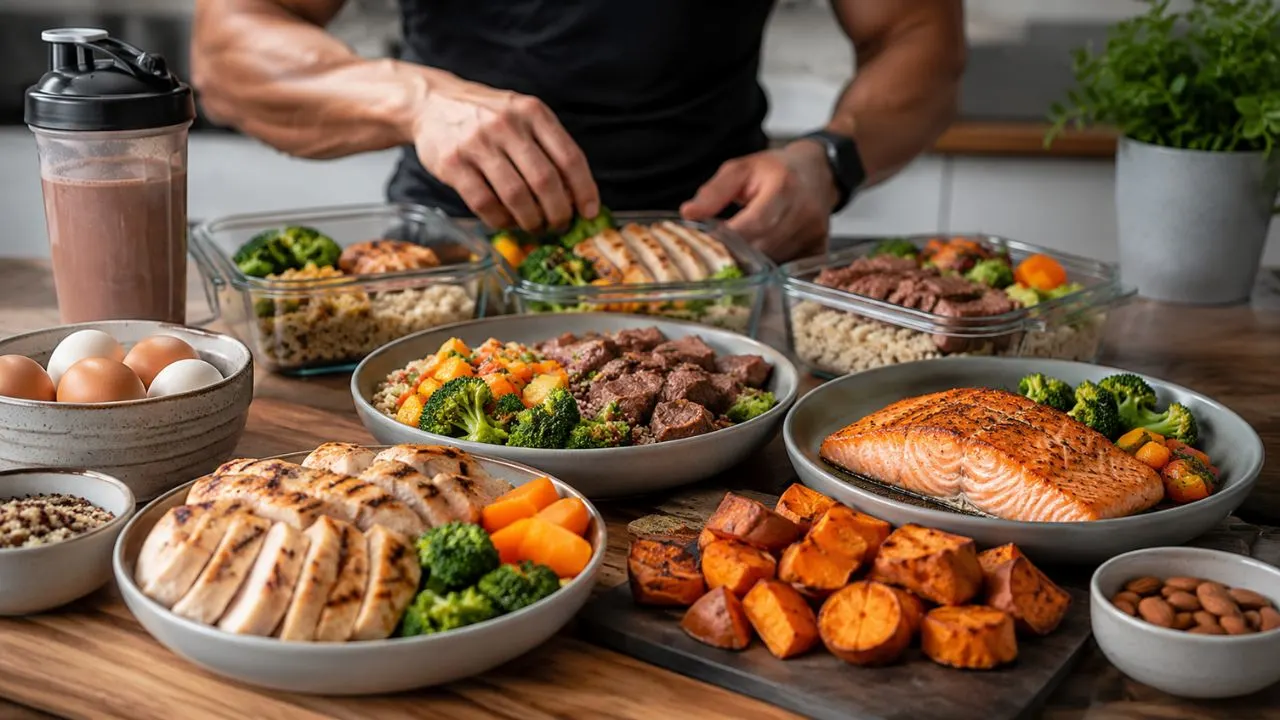
A chicken and rice bowl is one of the simplest high protein meals for muscle gain. Combine approximately 150 to 180 grams of cooked chicken breast with rice and vegetables. Depending on the serving, the meal may provide roughly 45 to 55 grams of protein.
Season the chicken with paprika, garlic, black pepper, lemon or your preferred spice blend. Grill, bake or pan-cook it using a small amount of oil. Add broccoli, peppers, carrots or mixed frozen vegetables to increase fiber and micronutrients.
White rice is easy to digest and can be useful before or after training. Brown rice provides more fiber and may keep you satisfied for longer. Adjust the rice serving according to your calorie needs, training volume and current appetite.
Add avocado, olive oil, yogurt sauce or seeds when you need more calories. For a lower-calorie version, use extra vegetables and a lighter sauce. Preparing several portions together makes this meal particularly useful for busy training weeks.
2. Lean Beef and Potato Skillet
Lean beef provides protein, iron, zinc and vitamin B12, making it a useful food for active people who eat meat. Cook lean ground beef with diced potatoes, onions and vegetables. A generous serving can provide approximately 35 to 45 grams of protein.
Begin by cooking the potatoes until they become tender and lightly browned. Add the beef, onion, garlic and seasonings before mixing in spinach, peas or peppers. Using one pan reduces cleaning and makes this a convenient weekday meal.
Potatoes provide carbohydrates and potassium while adding satisfying volume. Keep the skin when you enjoy its texture and want additional fiber. Sweet potatoes can also be used, although their muscle-building effect is not inherently better than ordinary potatoes.
Choose leaner beef when you want to control saturated fat and total calories. People trying to gain weight can add cheese, olive oil or a larger potato serving. Ground turkey or chicken can replace beef without changing the basic preparation method.
3. Salmon and Quinoa Recovery Bowl
Salmon offers complete protein and beneficial omega-3 fats alongside several vitamins and minerals. Pair a salmon fillet with cooked quinoa and roasted vegetables for a balanced recovery meal. Depending on portion size, it may supply approximately 35 to 45 grams of protein.
Bake or air-fry the salmon with lemon, garlic, herbs and black pepper. Prepare quinoa in water or low-sodium stock, then add cucumber, spinach, tomatoes or roasted broccoli. A yogurt and lemon dressing can provide extra protein and flavor.
Quinoa contains carbohydrates, fiber and more protein than many common grains. However, it does not need to replace rice in every meal. Rotating rice, quinoa, potatoes and other carbohydrate sources can keep your diet affordable and enjoyable.
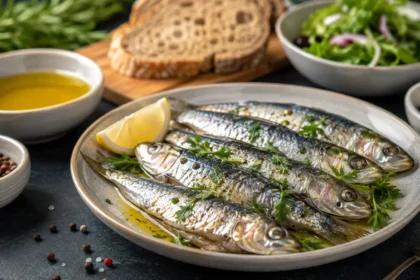
Salmon can be expensive, so frozen fillets or canned salmon are practical alternatives. Tuna, sardines or another available fish may also work. Watch the sodium content of canned products when you have been advised to limit salt.
4. Turkey and Whole-Wheat Pasta
Turkey pasta combines lean protein with carbohydrates that can fuel high-volume resistance workouts. Cook lean ground turkey with whole-wheat pasta and a tomato-based sauce. A suitable serving can provide approximately 40 to 50 grams of protein.
Add onions, mushrooms, courgette, spinach or peppers to increase the meal’s volume and nutrient content. Herbs, chili flakes and garlic can create flavor without requiring a heavy sauce. A small amount of grated cheese adds more protein and richness.
Whole-wheat pasta supplies more fiber than standard pasta, but either option can fit a muscle-gain plan. Standard pasta may feel more comfortable before training because it is sometimes easier to digest. Choose according to taste and digestive tolerance.
Make a large batch and divide it into several containers for lunches or dinners. Add a splash of water before reheating to prevent the pasta from drying out. Store portions properly and refrigerate them soon after cooking.
5. Eggs and Greek Yogurt Breakfast Plate
Eggs are a versatile source of complete protein, fats and important micronutrients. Prepare three eggs with a side of thick Greek yogurt, whole-grain toast and fruit. Together, these foods can provide approximately 35 to 45 grams of protein.
Scramble the eggs with spinach, tomatoes, mushrooms or peppers for additional volume. Greek yogurt can be served with berries, sliced banana, oats or a small amount of honey. This combination offers both savory and sweet foods in one filling breakfast.
Whole eggs contain nutrients in the yolk, while egg whites provide additional protein with fewer calories. You can combine whole eggs with extra whites when you need more protein without greatly increasing fat. There is no need to discard every yolk.
This breakfast also works after a morning workout because it provides protein and carbohydrates. Increase the toast, oats or fruit when your session was demanding. Reduce the portions slightly when you prefer a lighter meal before exercising.
6. Cottage Cheese Protein Oats
Oats are commonly viewed as a carbohydrate food, but they can become a high-protein breakfast when combined with cottage cheese, milk and seeds. A well-portioned bowl may provide approximately 30 to 40 grams of protein without requiring protein powder.
Cook oats with dairy milk or fortified soy milk, then mix in cottage cheese after removing the pan from the heat. Add berries, banana, cinnamon and a small spoonful of nut butter. Blending the cottage cheese first creates a smoother texture.
Overnight oats are another convenient option. Combine oats, cottage cheese, milk and fruit in a sealed container before refrigerating them overnight. The meal can be eaten cold or warmed gently the following morning.
Choose lower-fat cottage cheese when you need to control calories or a higher-fat variety when gaining weight is difficult. Lactose-free products may be more comfortable for people with lactose intolerance. Soy yogurt can be used for a dairy-free version, although protein content varies.
7. Tuna and Chickpea Wrap
Tuna and chickpeas provide a combination of animal and plant protein alongside carbohydrates and fiber. Mix canned tuna with chickpeas, chopped vegetables and a yogurt-based dressing before placing it in a whole-grain wrap. The meal may contain approximately 35 to 45 grams of protein.
Mash part of the chickpeas to help the mixture hold together. Add cucumber, celery, red onion, lettuce, lemon juice and black pepper. Greek yogurt can replace much of the mayonnaise while increasing protein and keeping the filling creamy.
Choose tuna canned in water or oil according to your calorie needs. Oil-packed tuna provides more energy, while water-packed products make a lighter meal. Drain the can before combining it with the remaining ingredients.
Tuna should be part of a varied diet rather than the only protein eaten every day. Rotate it with salmon, chicken, eggs, beans and dairy foods. Pregnant people and others concerned about mercury exposure should follow local guidance on fish choices and serving frequency.
8. Tofu and Edamame Stir-Fry
Tofu and edamame make a satisfying plant-based meal with a substantial amount of protein. Stir-fry firm tofu with shelled edamame, vegetables and rice or noodles. Depending on the quantities used, the meal may deliver approximately 30 to 40 grams of protein.
Press excess water from the tofu before cutting it into cubes. Cook the pieces until lightly crisp, then add broccoli, peppers, carrots and edamame. Finish with garlic, ginger, reduced-sodium soy sauce and a small amount of sesame oil.
Soy foods provide all essential amino acids and can effectively support a muscle-building diet. Edamame also contributes fiber, iron and other nutrients. Pairing the stir-fry with rice increases calories and provides energy for training.
Use a larger portion of tofu or add more edamame when your protein requirement is high. Tempeh can replace tofu and usually has a firmer texture. Check sauces carefully because sodium and added sugar can vary considerably between brands.
9. Lentil and Bean Protein Chili
Lentil and bean chili is a budget-friendly meal that can be prepared in a large batch. Combine lentils, kidney beans, black beans, tomatoes, onions and peppers. A large serving may provide approximately 25 to 35 grams of plant protein.
Use cumin, paprika, garlic, oregano and chili powder to develop a rich flavor. Serve the chili with rice, quinoa or whole-grain bread for additional carbohydrates. Soy mince can be added when you want to raise the protein content further.
Beans and lentils supply fiber, which supports digestive health and helps create a filling meal. Increase them gradually if you are not accustomed to eating much fiber. Rinsing canned beans may reduce some sodium and improve digestive comfort.
Add Greek yogurt and cheese for a vegetarian meal with extra protein, or use avocado and nutritional yeast for a vegan option. Prepare multiple servings and freeze some for later. This makes the recipe useful for affordable muscle-gain meal preparation.
10. Greek Yogurt Protein Smoothie Bowl
A smoothie bowl can provide a convenient high-protein meal when you have limited time or a reduced appetite. Blend Greek yogurt with milk, banana, berries and oats. Depending on the ingredients, it may provide approximately 30 to 45 grams of protein.
Add whey, casein, soy or pea protein powder when food alone does not meet your target. Protein powder is optional rather than essential. Choose a product with clear labeling and independent quality testing whenever possible.
Pour the thick smoothie into a bowl and top it with fruit, cereal, seeds or nut butter. These additions increase carbohydrates, fiber and calories. People aiming for gradual weight gain can use full-fat yogurt, whole milk and a more generous nut-butter serving.
Liquid or blended meals may be easier to consume when a large solid breakfast feels uncomfortable. However, they can be less filling for some people. Use a smoothie as one part of a varied diet rather than replacing every meal with drinks.
High-Protein Meals Before a Workout
A pre-workout meal should provide usable energy without causing digestive discomfort. Combining protein with carbohydrates can prepare you for training and support recovery afterward. A chicken and rice bowl, turkey sandwich or yogurt with oats can work well.
Eat a larger meal approximately two to three hours before training when possible. This allows time for digestion while making amino acids and carbohydrates available. Very fatty or extremely high-fiber meals may feel heavy when consumed too close to exercise.
When you have less time, choose a smaller snack such as Greek yogurt with fruit, milk and cereal or a simple protein smoothie. The ideal choice depends on your tolerance. Some people train comfortably after eating, while others require more time.
Pre-workout protein is useful, but the exact minute is not critical. Your total daily intake and consistency matter more than chasing a narrow anabolic window. Choose a routine that helps you train hard without nausea, bloating or hunger.
High-Protein Meals After a Workout
Eating protein after resistance training supports the repair process stimulated by the session. A meal containing approximately 25 to 40 grams can work for many adults. Larger people may benefit from a serving toward the upper end of that range.
Add carbohydrates to replenish the energy used during training. Rice, potatoes, pasta, bread, oats and fruit are practical choices. The amount should reflect the duration and intensity of your workout as well as your overall calorie target.
You do not need to consume a shake immediately after the final repetition. A balanced meal within the next few hours is generally practical, especially when you ate protein before training. A shake becomes useful when a full meal is not convenient.
Hydration should also be part of post-workout recovery. Drink enough fluid to replace normal losses, particularly after training in warm conditions. Extremely large amounts of plain water are unnecessary and can be harmful when consumed rapidly.
How to Create a Calorie Surplus Without Excess Fat Gain
Muscle gain usually occurs more effectively when your body receives enough energy to support training and recovery. Many people use a small calorie surplus, meaning they consume slightly more energy than they expend. This does not require uncontrolled overeating.
Begin by adding approximately one small meal or snack to your normal intake. Examples include yogurt with fruit, toast with eggs or a smoothie containing milk and oats. Monitor your body weight, strength and waist measurement over several weeks.
A very large surplus may increase body weight faster, but more of that gain may come from fat. Muscle growth has a biological limit and cannot be forced by eating unlimited calories. Slow, measurable progress is usually easier to manage.
People with higher body-fat levels may build muscle without intentionally gaining much weight, particularly when they are new to resistance training. Their approach may focus on adequate protein and calories around maintenance. Individual goals should determine whether a surplus is appropriate.
How to Spread Protein Across the Day
Eating nearly all your protein at dinner can make the daily target difficult to reach and leaves earlier meals relatively low in amino acids. A more even distribution provides several opportunities to stimulate muscle protein synthesis. It can also improve meal satisfaction.
Begin with a protein-rich breakfast rather than relying only on cereal or toast. Eggs, Greek yogurt, cottage cheese, milk, tofu and beans can raise the protein content. A breakfast containing 25 to 35 grams is practical for many active adults.
Build lunch and dinner around a clear protein source before selecting the side dishes. This simple habit reduces the chance of ending the day far below your target. Protein snacks can fill smaller gaps rather than carrying the entire diet.
There is no need to eat every two hours or wake during the night for protein. Three to five balanced eating occasions work for many people. Choose a pattern that fits your work, training, sleep and digestive comfort.
Budget-Friendly Protein Foods for Muscle Gain
Eggs, milk, canned fish, lentils, chickpeas and beans can provide protein without a high food bill. Frozen chicken, ground turkey and larger yogurt containers may cost less per serving than individually packaged products. Prices vary, so compare cost per kilogram rather than package price alone.
Dry lentils and beans are particularly economical, although canned versions save time. Combining them with rice, bread or potatoes creates satisfying meals. Soy foods such as tofu can also be affordable depending on local availability.
Buying in bulk is useful only when you can store and consume the food safely. Freeze meat in meal-sized portions and label cooked meals with the preparation date. Avoid wasting money by purchasing large quantities of foods you do not enjoy.
Protein bars and ready-made shakes are convenient but often cost more than ordinary food. Reserve them for situations where portability truly matters. A homemade yogurt bowl, egg sandwich or tuna wrap may provide similar protein at a lower cost.
High-Protein Meal Preparation Tips
Choose two or three protein sources for the week rather than trying to prepare ten different recipes. You might cook chicken, lentil chili and boiled eggs, then use them in different meals. Repeating ingredients saves money and preparation time.
Cook carbohydrates in batches by preparing rice, pasta, quinoa or potatoes ahead of time. Roast a tray of mixed vegetables or keep frozen vegetables available. These components allow you to assemble a balanced meal within minutes.
Store cooked food in shallow, sealed containers and refrigerate it promptly. Reheat meals until they are hot throughout, following local food-safety recommendations. Freeze portions you will not eat within the safe refrigeration period.
Use sauces, herbs and seasonings to prevent meal fatigue. The same chicken and rice can taste different with a curry sauce, yogurt dressing or Mexican-inspired seasoning. Enjoyable food is easier to eat consistently than a repetitive plan you dislike.
Can You Build Muscle on a Vegetarian or Vegan Diet?
A well-planned vegetarian or vegan diet can support muscle gain. Useful protein sources include tofu, tempeh, edamame, lentils, beans, chickpeas, seitan, soy milk and higher-protein grains. Vegetarians may also use eggs, Greek yogurt, cottage cheese and milk.
Plant foods vary in their amino acid profiles and protein density. Eating varied sources throughout the day helps provide all essential amino acids. You do not need to combine particular proteins within every individual meal.
Plant-based lifters may require larger food portions because beans and lentils also contain considerable fiber and water. Soy foods, seitan and protein powders can make high targets easier to reach without creating excessive fullness. Digestive tolerance should guide increases.
Vegans should pay attention to nutrients such as vitamin B12, iron, calcium, iodine, vitamin D and omega-3 fats. Protein is only one part of a complete diet. A registered dietitian can help when restrictions, allergies or very high training demands make planning difficult.
Are Protein Shakes Necessary for Muscle Gain?
Protein shakes are not required when you can meet your nutritional needs through food. Chicken, fish, eggs, dairy, soy and legumes can provide enough protein for muscle growth. Whole foods also contribute vitamins, minerals, fiber and other useful nutrients.
Powders offer convenience when you have a small appetite, limited preparation time or a high protein target. Whey is quickly digested, while casein tends to digest more slowly. Soy, pea and blended plant powders provide dairy-free alternatives.
A shake should support the diet rather than replace balanced meals throughout the day. Blend powder with fruit, milk and oats when you need a more complete meal. Mixing it only with water produces protein but relatively little energy or micronutrient variety.
Choose reputable products with transparent ingredient labels and third-party testing. Supplements may contain inaccurate doses or undeclared ingredients. People who compete in tested sports should select products certified for sport to reduce contamination risk.
Common Mistakes When Eating for Muscle Gain
Focusing on protein while ignoring total calories is a common mistake. A person may reach a high protein target but remain in a large energy deficit. Without adequate energy, workout performance and muscle gain may be limited.
Another mistake is removing carbohydrates because of fear of fat gain. Carbohydrates fuel demanding training and support glycogen restoration. The total calorie surplus matters more than whether a reasonable serving of rice or potatoes appears in the meal.
Relying heavily on processed meat, fried foods and supplements can make a diet high in protein but poor in overall quality. Include vegetables, fruit, whole grains and healthy fats. Muscle gain should support long-term health rather than undermine it.
Changing the meal plan every few days can also prevent consistency. Select simple foods you enjoy, monitor progress and adjust portions gradually. A sustainable routine generally works better than a perfect-looking plan that lasts only one week.
Training and Recovery Still Matter
High-protein meals cannot compensate for a training program without progression. Your muscles need repeated resistance that becomes more challenging over time. You may progress by increasing weight, repetitions, sets or movement quality.
Train all major muscle groups rather than focusing only on visible areas such as the chest and arms. Squats, hinges, presses, rows and pulling movements create a balanced foundation. Beginners often progress with two or three full-body sessions each week.
Weekly training volume influences muscle growth, but more exercise is not always better. Muscles and joints need enough time to recover. Add training gradually instead of copying the routine of an experienced athlete.
Sleep is another essential part of recovery. Consistently poor sleep may reduce performance, appetite control and training quality. Aim for a routine that gives you sufficient rest alongside food and progressive resistance training.
A Sample High-Protein Day for Muscle Gain
Breakfast could include three eggs, Greek yogurt, whole-grain toast and fruit. Depending on serving sizes, this meal may provide approximately 35 to 45 grams of protein. Add oats or another slice of toast when you need more calories.
Lunch could be a chicken rice bowl containing vegetables and a yogurt-based sauce. A suitable chicken serving may contribute 40 to 50 grams of protein. Olive oil or avocado can increase calories without creating a dramatically larger meal.
After training, you might have a smoothie containing milk, Greek yogurt, fruit and optional protein powder. This can provide approximately 25 to 40 grams of protein. Adjust the ingredients according to how soon you plan to eat dinner.
Dinner could include salmon, potatoes and roasted vegetables, followed by cottage cheese if needed. The full day may provide approximately 130 to 170 grams of protein depending on portions. Your own plan should be scaled to your body size and target.
Final Thoughts on High Protein Meals for Muscle Gain
The best high protein meals for muscle gain are balanced, enjoyable and easy enough to prepare repeatedly. Chicken bowls, beef skillets, salmon, turkey pasta, eggs, dairy, tofu and lentils can all contribute to a successful muscle-building diet.
Aim for an appropriate daily protein intake and spread it across several meals. Include enough carbohydrates to fuel training and enough total calories to support growth. Vegetables, fruit and healthy fats should remain part of the plan.
Muscle growth happens gradually, even when nutrition and training are well designed. Monitor your strength, body measurements, recovery and weight over several weeks. Increase portions only when progress has genuinely stalled.
Avoid believing that one food, shake or meal timing trick will transform your body. Consistent resistance training, adequate nutrition and sufficient recovery create the strongest foundation. Choose meals that support both your physique goals and long-term health.
Frequently Asked Questions
What are the best high protein meals for muscle gain?
Chicken and rice bowls, lean beef with potatoes, salmon with quinoa, turkey pasta, egg breakfasts and tofu stir-fries are strong options. The best meal is one that fits your protein needs, calorie target and preferences.
How much protein should I eat at each meal?
Approximately 25 to 40 grams per main meal is practical for many adults building muscle. Your ideal serving depends on your body size, daily target, age and number of meals.
Can I gain muscle without protein powder?
Yes. Meat, fish, eggs, dairy, tofu, lentils and beans can provide enough protein. Powder is simply a convenient option when food alone does not fit your schedule or appetite.
Should I eat protein before or after working out?
Protein can be useful both before and after resistance training. Your total daily intake and regular meal pattern matter more than consuming it within a few minutes of exercise.
How many high-protein meals should I eat daily?
Three to five protein-rich meals or snacks work well for many people. Spread your daily target across a schedule that supports your training, appetite and lifestyle.