

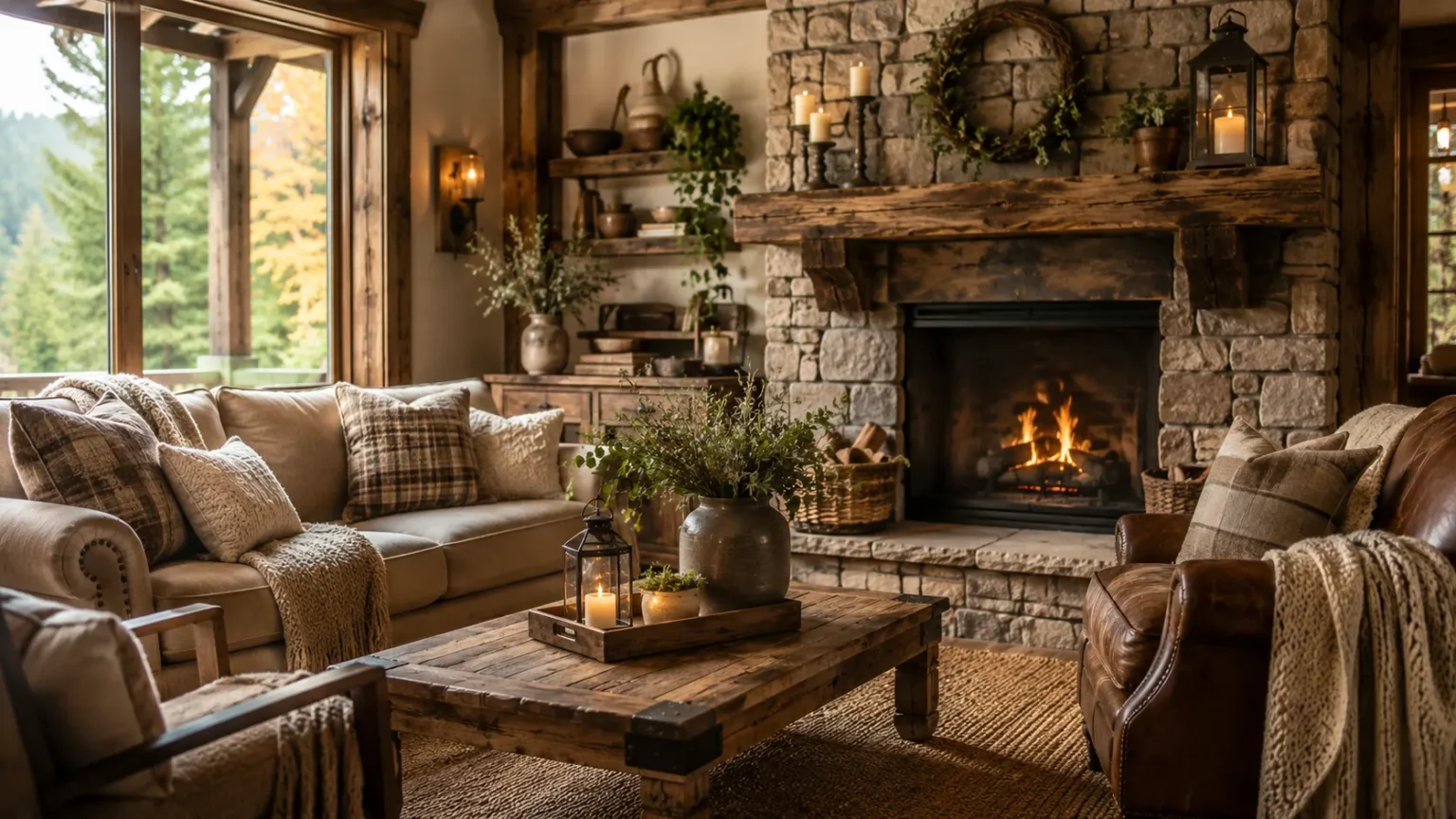

Rustic Home Decor Ideas for a Cozy Interior
Rustic home decor has a special ability to make a house feel comfortable, personal, and lived-in without looking overly decorated. Instead of focusing on perfect finishes or highly polished surfaces, the rustic style celebrates natural textures, warm materials, simple furniture, and pieces that develop character over time. Wood grain, stone, linen, woven baskets, aged metals, and handmade details can instantly introduce warmth into an interior. When these elements are combined thoughtfully, even a modern home can gain the inviting atmosphere associated with traditional country houses and peaceful countryside retreats.
One of the biggest advantages of a rustic interior design is its flexibility. You do not need exposed timber beams, a stone fireplace, or an old farmhouse to create the look successfully. Rustic styling can work in apartments, suburban homes, modern properties, cottages, and even smaller rooms when the right materials and colors are used. A reclaimed wood coffee table, textured rug, ceramic vase, or warm neutral paint color can introduce rustic character without requiring a complete renovation. This makes the style practical for both homeowners and renters.
Modern rustic interiors have also evolved beyond the heavy, dark decorating schemes that were once associated with traditional country design. Today’s approach often combines natural materials with cleaner furniture lines, lighter color palettes, uncluttered layouts, and carefully selected vintage pieces. The result feels warmer than minimalism but more refined than an overly themed farmhouse room. By mixing old and new thoughtfully, you can achieve a home that looks comfortable, timeless, and appropriate for everyday living.
The best rustic home decor ideas are ultimately about creating an atmosphere rather than following strict design rules. Every room should feel welcoming enough to relax in while still reflecting the people who live there. Choosing tactile fabrics, authentic materials, practical furniture, soft lighting, and meaningful accessories can make a major difference. Whether you want to completely transform your interior or introduce only a few rustic touches, the following ideas will help you create a cozy home with character, warmth, and lasting visual appeal.
What Makes Rustic Home Decor Feel So Warm and Inviting?
Rustic home decor is strongly connected to nature, which is one reason it tends to feel instantly relaxing. Natural materials such as solid wood, stone, clay, wool, leather, cotton, and linen introduce visual imperfections that make a room feel less formal. Knots in timber, irregular ceramic surfaces, woven fibers, and aged finishes provide texture that cannot easily be reproduced through glossy manufactured surfaces. These small variations give the interior depth while making furniture and accessories feel more authentic and comfortable.
Another important characteristic is the use of warm and earthy colors. Rustic interiors frequently include shades inspired by the natural landscape, such as cream, oatmeal, beige, tan, warm gray, brown, olive green, terracotta, and muted charcoal. These colors tend to work harmoniously rather than competing for attention. A neutral background also allows the natural grain of wooden furniture and the texture of fabrics to become more noticeable. This creates a layered atmosphere without making the room feel visually busy.
Comfort also plays an important role in cozy rustic decor. Furniture is usually selected for practicality and relaxation rather than appearance alone. Deep sofas, sturdy dining tables, cushioned chairs, soft rugs, and generous throws encourage people to use the room naturally. Decorative pieces often have practical value as well, including wooden trays, baskets, ceramic pitchers, lanterns, or storage chests. This balance between usefulness and beauty gives rustic spaces the relaxed character that makes them feel welcoming rather than overly styled.
Rustic interiors also benefit from their connection to personal history. Vintage furniture, inherited pieces, handmade accessories, flea-market finds, and objects collected over time can give a home a story that newly purchased matching furniture often cannot provide. You do not need actual antiques to achieve this feeling, but selecting items with visible texture and character can help. The goal is to create a space that feels gradually developed rather than completely purchased and installed at once.
Start With a Warm and Natural Rustic Color Palette
A successful rustic interior usually begins with a calm neutral foundation. Warm white, cream, beige, greige, soft taupe, and light brown are particularly effective because they complement natural wood and textured fabrics. Unlike bright white, which can sometimes feel sharp or clinical, warmer neutrals make the space feel softer and more comfortable. Walls in these shades also provide flexibility, allowing you to change accessories, furniture, and seasonal decorations without needing to repaint the entire room.
Earth-inspired accent colors can then be introduced to prevent the neutral palette from feeling flat. Olive green, forest green, rust, burnt orange, deep brown, muted mustard, clay red, and dusty blue all work beautifully in rustic interiors. These colors can appear through cushions, rugs, artwork, pottery, curtains, or occasional furniture. Rather than using every earthy color at once, choose two or three complementary shades and repeat them subtly throughout the room for a balanced appearance.
Natural wood contributes its own color to the interior, so it should be considered part of the overall palette. Honey-toned oak can create a lighter country feel, while walnut and dark-stained timber introduce depth and richness. Reclaimed wood often contains several tones at once, making it especially useful for connecting different shades within the room. Mixing wood tones can look beautiful when there is enough contrast between the pieces rather than attempting to match every wooden surface perfectly.
Black or dark metal accents can provide helpful visual structure within a soft rustic palette. Iron curtain rods, black-framed windows, metal light fixtures, cabinet handles, or fireplace tools can create contrast without making the room feel too modern. The key is moderation. Rustic spaces generally feel more comfortable when darker accents frame the design instead of dominating it. A thoughtful combination of warm neutrals, natural wood, earthy colors, and subtle dark details creates an inviting foundation for the entire home.
Use Natural Wood as the Heart of Rustic Interior Design
Few materials define rustic home decor as strongly as natural wood. Its grain, texture, imperfections, and warmth immediately create a connection to nature while adding visual character. Large wooden pieces such as dining tables, coffee tables, bed frames, benches, and cabinets can anchor a room and establish the rustic theme. Furniture does not need to look distressed or extremely old; even a simple solid-wood piece with a visible grain can bring substantial warmth into the space.
Reclaimed wood is particularly appealing because it carries visible marks, variations, and irregularities that make each piece unique. It can be used for shelving, dining tables, headboards, wall panels, mantels, or decorative beams. However, reclaimed wood should be used selectively so the room does not become overly themed. One or two statement features are often enough to create a strong rustic impression while allowing other materials and furnishings to keep the interior balanced and contemporary.
You can also use wood architecturally rather than relying entirely on furniture. Exposed ceiling beams, wooden doors, wall paneling, window frames, and flooring can dramatically change the personality of a room. If structural beams are not available, decorative beams can sometimes create a similar visual effect. Vertical or horizontal timber paneling can also add texture to plain walls, particularly in bedrooms, dining areas, entryways, and living rooms where you want to introduce additional warmth.
When choosing wooden finishes, avoid making every surface identical. A rustic room often looks more natural when several complementary wood tones are present. For example, a medium-oak dining table can sit comfortably beside darker chairs and lighter wooden shelving. The differences create depth and prevent the space from appearing like a furniture showroom. As long as the undertones work together, mixed wood finishes can make a rustic interior feel richer, more authentic, and gradually collected.
Layer Soft Textures for a Cozy Rustic Living Room
Texture is one of the easiest ways to turn a visually attractive room into one that actually feels comfortable. Rustic living rooms benefit from a combination of knitted throws, linen curtains, wool rugs, cotton cushions, leather furniture, and woven accessories. These materials soften harder surfaces such as wood, stone, or metal while giving the space more dimension. Layering multiple textures within a similar color palette can create richness without requiring bold patterns or excessive decorative items.
Start with larger textile elements that influence how the entire room feels. A substantial area rug can visually connect seating furniture while adding softness underfoot, particularly when the room has wooden or stone flooring. Curtains made from linen, cotton, or textured fabric can soften windows while filtering natural light beautifully. Upholstered seating in neutral fabrics provides another comfortable base that can be refreshed easily with different cushions and throws throughout the year.
Smaller layers can then be added gradually. A chunky knit blanket placed casually over a sofa, patterned cushions on an armchair, or a sheepskin-style rug near a reading corner can make the space feel immediately more inviting. Woven baskets are especially useful because they provide storage while contributing natural texture. They can hold blankets, magazines, firewood, toys, or everyday household items, helping the room remain functional without sacrificing its rustic character.
The goal is not to cover every surface with fabric. Too many textures can make a room feel cluttered, particularly when multiple strong patterns are competing at once. Instead, vary the materials while maintaining a relatively controlled palette. A linen sofa, wool rug, leather chair, wooden table, and woven basket already provide several distinct textures. By balancing softness with natural hard surfaces, you can create a cozy rustic living room that feels comfortable throughout the year.
Bring Character Into the Room With Stone and Brick
Stone introduces another natural element that works beautifully alongside timber in rustic interiors. A stone fireplace can become a dramatic focal point, but smaller applications can also create significant impact. Stone can appear around a fireplace surround, kitchen backsplash, entryway floor, bathroom vanity, or decorative wall feature. Its irregular texture provides a strong contrast against smoother fabrics and furniture, helping the room feel grounded and connected to natural surroundings.
Exposed brick offers a slightly different rustic character. Original brick walls can add warmth, history, and architectural interest, particularly in older properties. If the brick is visually heavy, painting or limewashing it can soften the appearance while preserving the texture underneath. Warm white or muted gray finishes work especially well in modern rustic interiors because they brighten the room while allowing the irregular brick pattern to remain visible.
Homes without original stone or brick features can still introduce these materials carefully. Thin stone veneers, brick slips, and textured tiles can recreate some of the visual appeal without the weight or expense of full masonry. However, quality matters because unrealistic imitations can weaken the natural feeling that makes rustic decorating appealing. Concentrating the material on one architectural feature usually produces a more convincing result than covering several walls unnecessarily.
Stone and brick should also be balanced with softer materials. A rough stone fireplace can feel more inviting when surrounded by an upholstered sofa, wool rug, timber mantel, and warm lighting. Similarly, an exposed brick dining wall can become more comfortable when paired with curtains, upholstered chairs, and greenery. Rustic interiors work best when rough and smooth surfaces support each other, creating visual contrast without making the home feel harsh or unfinished.
Choose Rustic Furniture That Feels Comfortable, Not Overly Themed
Rustic furniture should feel sturdy, practical, and relaxed. Look for pieces made from solid wood, natural fabrics, leather, cane, rattan, or aged metal rather than overly glossy finishes. A large wooden dining table, comfortable linen sofa, leather armchair, or simple timber bench can create a strong foundation. Furniture with visible craftsmanship, such as turned legs, exposed joinery, or handmade finishes, can introduce extra character without needing decorative embellishment.
Avoid buying every piece from the same rustic furniture collection. Matching sets can sometimes make an interior look artificial because real homes naturally develop through a mixture of pieces collected over time. Instead, combine furniture with different shapes and materials while keeping the overall palette consistent. A contemporary sofa can work alongside a vintage wooden table, while traditional dining chairs can sit comfortably beneath a cleaner modern light fixture.
Scale is equally important. Oversized farmhouse furniture may look beautiful in a spacious home but can overwhelm a small apartment or compact living room. Choose furniture based on the proportions of the space rather than the style alone. In smaller interiors, look for narrow wooden consoles, open-leg tables, compact armchairs, and multifunctional benches that preserve the rustic character without restricting movement or making the room feel visually crowded.
Comfort should guide every furniture decision. Rustic homes are designed to feel welcoming, so seating should invite relaxation and tables should support everyday life. Decorative furniture that looks authentic but feels uncomfortable will quickly become frustrating. Prioritizing usability also prevents the interior from becoming a themed display. When rustic furniture combines natural materials, thoughtful proportions, and genuine comfort, the room feels timeless rather than designed around a temporary decorating trend.
Create a Cozy Rustic Bedroom With Simple Layers
A rustic bedroom should feel calm, comfortable, and protected from the busyness of everyday life. Start with a warm neutral wall color and introduce wood through the bed frame, bedside tables, flooring, or decorative furniture. A timber headboard can become a beautiful focal point, especially when the rest of the room remains relatively understated. The natural grain adds enough detail that you do not need excessive wall decorations or complicated patterns.
Bedding should feel generous and layered rather than perfectly arranged. Linen sheets, cotton quilts, wool blankets, textured throws, and soft cushions can create the relaxed appearance associated with rustic bedroom decor. Stick mainly to cream, beige, warm gray, olive, brown, or muted earthy colors for a cohesive effect. Small patterns such as checks, stripes, or subtle botanicals can be added if you want more traditional country character.
Lighting makes a particularly noticeable difference in bedrooms. Instead of relying only on a bright ceiling light, combine bedside lamps, wall sconces, and softer ambient lighting. Fixtures made from ceramic, wood, glass, linen, or aged metal work naturally within rustic interiors. Warm-toned light creates a more comfortable atmosphere during the evening while highlighting the texture of wooden surfaces, bedding, and wall finishes.
Keep accessories relatively simple so the room continues to feel restful. A vintage mirror, woven basket, ceramic lamp, framed landscape artwork, or small vase of dried branches may be enough. Natural materials already provide substantial visual interest, so rustic bedrooms generally do not need large quantities of decorative objects. Giving furniture and textures enough breathing space helps create the calm, uncluttered atmosphere that makes the room genuinely relaxing.
Give the Kitchen a Warm Farmhouse-Inspired Rustic Feel
The kitchen is an ideal place to introduce rustic character because practical materials can also become decorative features. Wooden cabinets, open shelving, stone counters, ceramic tiles, and aged-metal hardware can create a warm and functional environment. You do not need a full farmhouse renovation to achieve the effect. Even changing cabinet handles, adding wooden shelves, displaying ceramic dishes, or introducing a vintage-style pendant light can noticeably change the atmosphere.
Open shelving works particularly well when it is used selectively. A few timber shelves can display everyday bowls, mugs, glass jars, cookbooks, or serving dishes while making the kitchen feel more relaxed. However, covering every wall with open shelves may create visual clutter and require more frequent cleaning. Combining closed cabinetry for practical storage with one attractive open-shelf area usually provides a good balance between usefulness and rustic styling.
A farmhouse-style table or butcher-block island can add another strong natural focal point. Wood softens the harder materials usually found in kitchens, including appliances, stone surfaces, and tile. If a complete wooden island is impractical, stools with timber seats or a wooden chopping surface can provide a similar visual connection. Mixing aged brass, black iron, or antique-inspired hardware with these wooden elements adds another subtle layer of rustic detail.
Avoid sacrificing modern convenience just to make the kitchen look traditional. Contemporary appliances, efficient storage, durable surfaces, and good lighting can fit comfortably within a rustic design when finishes are chosen carefully. The most successful rustic kitchen decor combines old-world warmth with modern functionality. A practical kitchen with natural materials and a few thoughtfully selected farmhouse elements will usually feel more authentic than a space filled with decorative objects that serve no useful purpose.
Style a Rustic Dining Room for Relaxed Gatherings
The dining table naturally becomes the center of a rustic dining room. Solid wood works particularly well because it develops character through everyday use and creates a warm foundation for gatherings. A table does not need to be heavily distressed to look rustic; visible grain, natural edges, or a slightly matte finish may be enough. Pairing the table with chairs that are comfortable and visually simple keeps attention on the natural materials rather than elaborate decoration.
Mixing seating styles can create the relaxed feeling associated with country interiors. A wooden bench on one side of the table can be paired with individual chairs on the other, or vintage chairs can be combined with newer pieces in similar finishes. Upholstered end chairs may introduce extra comfort and softness. The seating does not have to match perfectly as long as there is some visual connection through color, wood tone, shape, or material.
Lighting should provide both atmosphere and practical illumination. A large pendant, simple chandelier, or iron-framed fixture centered above the table can visually define the dining zone. Warm bulbs help make meals feel more intimate, particularly during the evening. Candles can add another layer of atmosphere for special occasions, while daylight should remain unobstructed whenever possible so the natural materials continue to feel fresh rather than heavy.
Table styling can remain simple and flexible. A linen runner, ceramic bowl, wooden tray, fresh greenery, or seasonal branches can make the table feel finished without creating unnecessary clutter. Rustic dining areas work particularly well when decorations appear easy and natural rather than carefully staged. Leaving enough empty surface for meals, conversations, and everyday activities keeps the room practical while reinforcing the welcoming quality that defines rustic living.
Decorate With Vintage and Handmade Accessories
Vintage accessories can add character that is difficult to achieve with mass-produced decorations. Old pottery, wooden boxes, framed artwork, weathered mirrors, candlesticks, baskets, glass bottles, and antique-inspired clocks can all contribute personality. The key is choosing objects that genuinely suit the room rather than buying something simply because it appears old. A few meaningful vintage pieces usually have more impact than shelves filled with unrelated decorative items.
Flea markets, antique stores, secondhand shops, family collections, and local markets can be excellent sources of rustic accessories. Look for objects with interesting materials, useful functions, or personal meaning. A vintage wooden stool might become a side table, an old ceramic pitcher can hold flowers, and a traditional basket can provide storage. Repurposing practical objects is especially appropriate for rustic style because it celebrates usefulness and materials that improve with age.
Handmade pieces provide similar warmth. Hand-thrown pottery, woven textiles, carved wood, hand-forged metal, and locally produced artwork introduce small imperfections that make an interior feel individual. These objects also pair naturally with manufactured furniture by preventing the room from appearing overly uniform. Even one handmade vase or woven wall hanging can provide a distinctive focal point when it is surrounded by simpler furnishings.
Decorating gradually often produces the best result. Instead of trying to fill every shelf immediately, leave room for pieces you may discover later. A rustic home should feel like it has evolved naturally, and allowing the collection to develop over time supports that impression. This approach can also reduce unnecessary purchases because you become more selective about what enters the space. Thoughtful objects with texture, history, or personal meaning give rustic interiors their strongest sense of authenticity.
Add Warm Rustic Lighting Throughout Your Home
Lighting can completely change how rustic materials are perceived. Bright, cool-toned lighting can make wood, stone, and textiles feel less inviting, while warm layered light enhances their natural colors and textures. Instead of depending entirely on overhead fixtures, combine ceiling lights with table lamps, floor lamps, sconces, and task lighting. Several smaller sources of light allow you to adjust the atmosphere according to the time of day.
Materials such as aged brass, black iron, ceramic, wood, glass, and woven fibers suit rustic lighting particularly well. A metal pendant can add structure above a dining table, while ceramic lamps with linen shades provide softer light in bedrooms and living areas. Woven pendants can introduce texture in relaxed coastal-rustic interiors. Choose fixtures that complement the room without making every light look deliberately vintage or farmhouse-inspired.
Candles can also contribute to a cozy atmosphere, particularly when used safely in dining rooms, living spaces, and entryways. Lantern-style holders, simple glass containers, or traditional candlesticks can introduce gentle evening light. Battery-operated alternatives may be practical in households where open flames are unsuitable. The objective is to create small pockets of illumination that make the room feel comfortable once natural daylight begins to fade.
Do not overlook natural light during the daytime. Heavy curtains can sometimes make rustic interiors feel darker than necessary, especially when substantial wooden furniture is present. Linen curtains, woven shades, or light-filtering blinds can provide privacy while allowing daylight into the room. When natural light combines with warm evening lighting, rustic spaces feel welcoming around the clock instead of becoming gloomy or visually heavy.
Bring Nature Indoors With Plants and Organic Decorations
Plants naturally complement rustic interiors because they reinforce the connection between the home and the outdoors. Large leafy plants can soften empty corners, while smaller herbs, trailing plants, or succulents work beautifully on shelves and windowsills. Greenery also provides a refreshing contrast against warm wood and neutral walls. Choose plants according to the actual light conditions in your home rather than selecting them purely for appearance.
Containers can contribute to the rustic style as much as the plants themselves. Terracotta pots, aged ceramic planters, woven baskets, simple stone containers, and galvanized metal pots can all work effectively. Mixing several complementary materials creates a more relaxed appearance than using identical planters throughout the house. Keep the overall palette restrained so the greenery remains the main visual focus rather than competing with overly decorative containers.
Dried and seasonal natural materials offer alternatives for spaces where living plants are difficult to maintain. Branches, dried grasses, seed heads, pinecones, eucalyptus, or simple flower arrangements can introduce organic shapes without requiring constant care. A tall ceramic vase containing a few sculptural branches can sometimes make a stronger decorative statement than a large collection of small accessories. Seasonal arrangements also provide an easy way to refresh the interior throughout the year.
Natural decorations should still be used with restraint. Rustic style does not require every room to be filled with leaves, flowers, branches, or botanical patterns. One well-positioned plant or organic arrangement can be enough to soften a room and provide a connection to nature. By selecting greenery that fits the available space, light, and maintenance routine, you can make your rustic interior feel fresh rather than artificially decorated.
Use Rustic Wall Decor Without Creating Visual Clutter
Rustic wall decor works best when it complements the architecture and furniture rather than covering every empty surface. Large landscape paintings, botanical prints, vintage-style photography, woven pieces, wooden frames, mirrors, or simple shelves can introduce personality while preserving a calm atmosphere. Larger pieces are often more effective than many small decorations because they create a clear focal point without making the wall appear fragmented.
Mirrors are particularly useful in smaller rustic spaces because they reflect light and make rooms feel more open. Wooden frames, antique-inspired metal frames, or simple aged finishes fit naturally with the style. Placing a mirror opposite a window can increase the sense of daylight while creating visual depth. Choose a size that suits the wall rather than selecting an overly small mirror that becomes lost among larger furniture.
Gallery walls can work in rustic interiors when they are carefully planned. Combine family photographs, artwork, landscapes, botanical illustrations, or meaningful objects using frames that relate to one another without matching exactly. Wooden, black metal, and muted vintage-style frames can create a collected appearance. Maintaining consistent spacing between the pieces helps prevent the arrangement from becoming chaotic, particularly when several frame sizes are used.
Empty wall space is also important. Rustic interiors already contain texture through timber, fabrics, stone, plants, and furniture, so every wall does not need decoration. Leaving some areas visually quiet gives the eye somewhere to rest and makes important artwork feel more intentional. A balanced approach creates a home that feels layered and personal without crossing into clutter, which is especially important when combining rustic character with modern interior design.
Create a Modern Rustic Look by Mixing Old and New
Modern rustic design combines the warmth of traditional materials with the simplicity of contemporary interiors. Rather than recreating an old farmhouse exactly, the style uses natural wood, stone, linen, leather, and vintage accents alongside clean-lined furniture and uncluttered layouts. This approach is particularly useful for newer homes where traditional rustic furniture may feel disconnected from the architecture. The contrast between modern shapes and organic materials creates a sophisticated but comfortable atmosphere.
For example, a streamlined neutral sofa can sit beside a reclaimed wood coffee table, while a modern kitchen can include oak cabinets and handmade ceramic accessories. Contemporary black-framed windows may work beautifully with exposed beams, and a minimalist bed can be softened with linen bedding and a vintage rug. These combinations allow rustic details to stand out without making the entire room feel themed or nostalgic.
Keeping the color palette relatively simple helps connect old and new furniture. Warm white, beige, taupe, gray, brown, and muted green can provide a common background for different design periods. Natural textures then become the primary source of visual interest. This prevents ornate vintage pieces from competing with modern furniture and allows each element to contribute something different to the overall composition.
The modern rustic approach is also easier to maintain over time because it is not dependent on one decorating trend. Furniture can be updated gradually without redesigning the whole room. As long as the interior retains its emphasis on natural materials, comfort, texture, and balanced proportions, new pieces can integrate successfully. This flexibility is one reason modern rustic home decor continues to work across many different types of properties.
Rustic Home Decor Ideas for Small Spaces
Rustic decorating can work beautifully in small homes, but heavy furniture and dark finishes should be used carefully. Begin with light neutral walls and introduce wood through smaller furniture, shelving, or decorative details. Lighter oak, pine, or medium-toned timber often feels less visually demanding than very dark wood. Keeping floors and larger surfaces relatively simple can make the room feel spacious while still providing the warmth associated with rustic interiors.
Choose furniture that provides more than one function whenever possible. A wooden bench with storage can offer seating and organization, while nesting tables can provide additional surface space without permanently occupying the room. Wall-mounted shelves introduce timber without using valuable floor area. Furniture with visible legs also allows more of the floor to remain visible, helping the interior feel lighter and more open.
Vertical decorating can make excellent use of limited space. Tall shelving, wall hooks, narrow mirrors, and hanging plants draw attention upward rather than filling the floor. In kitchens, a short section of open shelving can hold attractive everyday items while freeing cabinet space. Bedrooms can use wall-mounted bedside lights instead of large table lamps. These small adjustments preserve functionality while providing enough rustic texture to give the room character.
Avoid using too many small decorative accessories because they can quickly make compact rooms feel crowded. Instead, choose fewer pieces with stronger visual impact, such as one vintage mirror, a textured rug, a substantial ceramic vase, or a well-proportioned wooden table. A controlled palette and consistent materials will help everything feel connected. Small rustic interiors often look best when warmth is created through quality and texture rather than quantity.
Budget-Friendly Rustic Home Decor Ideas
Creating a rustic home does not require expensive designer furniture. Some of the most effective rustic elements can be found secondhand or created using objects you already own. Older wooden furniture can often be cleaned, refinished, painted, or repurposed instead of replaced. A simple wooden stool can become a bedside table, while unused crates can sometimes provide attractive storage when they are structurally sound and properly finished.
Textiles offer another affordable way to transform a room. Adding a textured throw, replacing cushion covers, introducing an area rug, or hanging simple linen-look curtains can immediately make the space feel warmer. Neutral textiles are particularly useful because they can move between rooms and adapt to changing decor. Instead of purchasing large quantities of accessories, focus on a few tactile materials that noticeably improve comfort.
Secondhand stores and flea markets can provide excellent decorative pieces at relatively low cost. Baskets, mirrors, frames, ceramic pots, lamps, wooden trays, and small furniture often become more appealing precisely because they show some age. Look beyond the current finish and consider whether an item can be cleaned or updated. Avoid buying something simply because it is inexpensive, however, because unnecessary objects can quickly create clutter and undermine the relaxed rustic atmosphere.
DIY projects can also add character when they are kept relatively simple. Floating wooden shelves, framed botanical prints, repurposed jars, handmade cushion covers, or basic furniture refinishing can introduce personal details without requiring a large budget. The strongest rustic interiors are rarely defined by expensive products. They gain their charm through thoughtful materials, comfortable arrangements, and objects that feel meaningful, making this decorating style particularly accessible at different price points.
Common Rustic Decorating Mistakes to Avoid
One common mistake is turning the home into an exaggerated farmhouse theme. Too many signs, distressed decorations, artificial antiques, and matching rustic accessories can make the interior feel staged rather than authentic. Rustic design is primarily about natural materials, comfort, and texture, not filling every surface with objects that announce the style. Reducing decorative themes and focusing on genuine materials usually creates a more timeless result.
Using too much dark wood can also make a room feel heavy, especially when natural light is limited. Dark furniture can be beautiful, but it often benefits from lighter walls, soft textiles, pale rugs, and reflective surfaces. Mixing wood tones can also prevent the interior from looking visually dense. If the room begins to feel dark or old-fashioned, introducing lighter fabrics and cleaner furniture lines can restore balance without removing its rustic character.
Another mistake is prioritizing appearance over comfort. A rustic chair may look attractive but offer little support, while a heavily distressed table may be difficult to clean and maintain. The home should continue to function effectively for everyday living. Select durable surfaces, comfortable seating, adequate storage, and practical lighting first, then use decorative details to strengthen the style. Functionality makes rustic interiors feel genuine rather than designed purely for photographs.
Finally, avoid overcrowding the room. Because rustic materials naturally contain strong textures, relatively few elements may be needed to create visual richness. Leaving space between furniture, limiting decorative accessories, and giving statement pieces room to stand out will produce a more sophisticated interior. A rustic home should feel welcoming and layered, but it should also remain easy to move through, clean, and enjoy during everyday life.
Final Thoughts on Creating a Cozy Rustic Interior
A successful rustic home begins with comfort and natural materials rather than strict decorating rules. Wood, stone, linen, wool, leather, ceramics, woven fibers, and greenery can all contribute to the relaxed atmosphere that makes the style appealing. These elements do not have to appear in every room. Selecting a few materials and repeating them naturally throughout the home creates continuity without making the design feel repetitive or overly coordinated.
Color is equally important. Warm neutrals and earthy accents provide an adaptable background that allows furniture and textures to become the main attraction. Rather than relying on bright colors or complicated patterns, rustic interiors achieve depth through subtle differences in material, tone, and surface. This creates a home that feels visually interesting while remaining peaceful enough for everyday living.
The strongest rustic interiors also contain a mixture of old and new. Vintage accessories, inherited furniture, handmade ceramics, modern sofas, contemporary lighting, and practical storage can coexist successfully when they share compatible materials and colors. Avoid feeling that everything needs to match perfectly. Small differences often provide the character that makes the room look genuine and personally assembled rather than purchased as a complete collection.
Ultimately, rustic home decor ideas for a cozy interior should help your home feel warmer, more comfortable, and more connected to the natural world. Start with one room, introduce natural textures gradually, and keep the pieces that genuinely improve how the space looks and functions. When comfort, practicality, and personality guide your choices, rustic decorating can create a timeless interior that remains inviting long after individual design trends have changed.
Frequently Asked Questions About Rustic Home Decor
What colors are best for rustic home decor?
Warm white, cream, beige, taupe, brown, olive green, terracotta, and muted gray work especially well. These earthy shades complement wood, stone, and natural fabrics while keeping the interior cozy.
How can I make my home look rustic without renovating?
Introduce wooden furniture, woven baskets, linen fabrics, vintage accessories, warm lighting, ceramic pieces, and earthy colors. Even a few carefully chosen natural elements can significantly change the atmosphere.
What is the difference between rustic and farmhouse decor?
Rustic decor focuses broadly on natural materials, texture, simplicity, and aged character. Farmhouse style shares many of these elements but often includes stronger references to traditional rural homes and agricultural design.
Can rustic decor work in a modern home?
Yes. Modern rustic design combines contemporary furniture and clean layouts with wood, stone, warm neutrals, natural textiles, and vintage accents, creating a comfortable interior without making it feel old-fashioned.
How do I make rustic decor look expensive?
Choose fewer high-impact pieces, use authentic natural materials, layer quality textiles, keep the color palette consistent, and avoid excessive themed accessories. Balanced styling usually looks more refined than filling every space.