

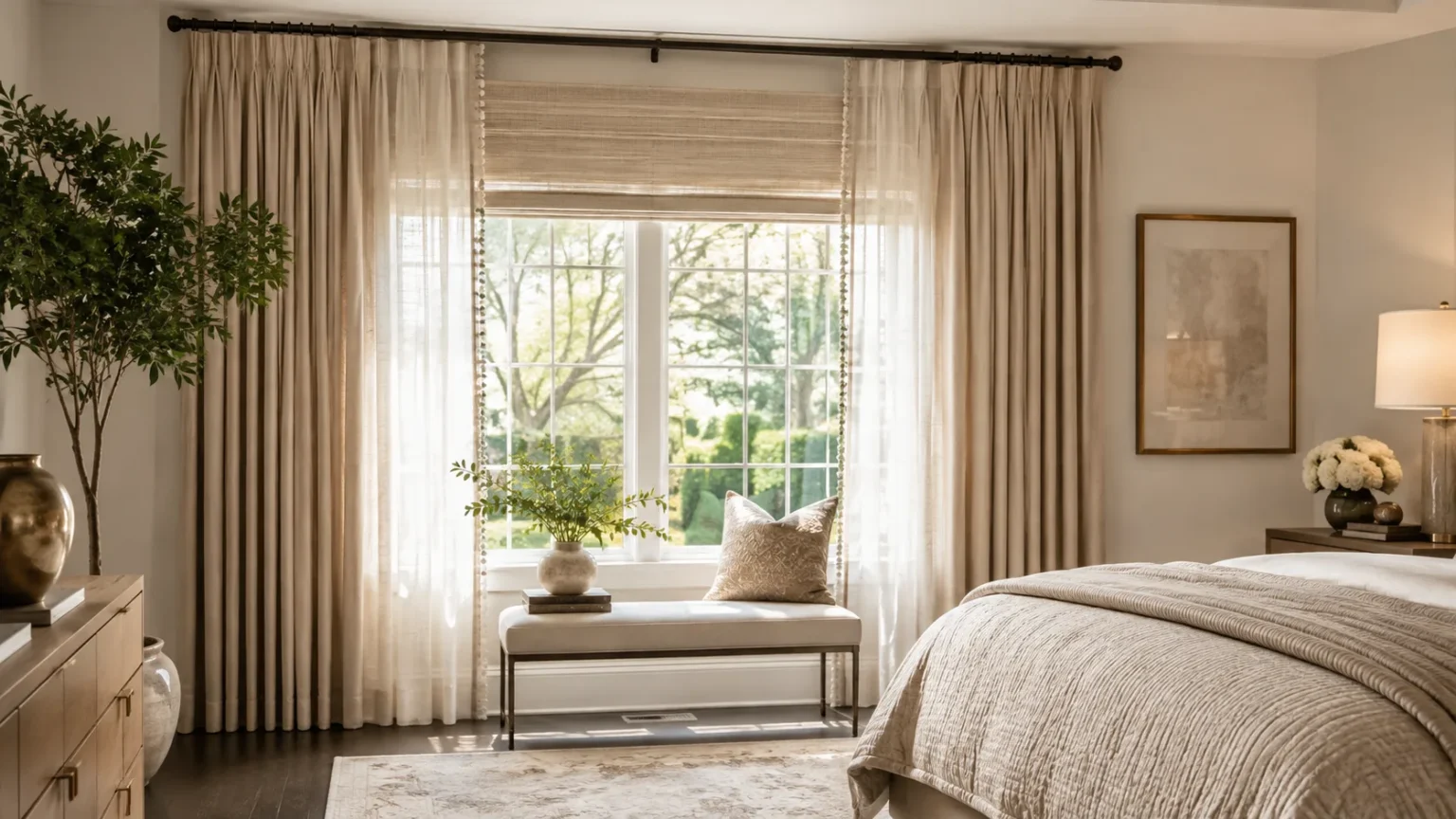

How to Decorate Windows So Every Room Feels More Finished
Windows do much more than bring natural light into a room. They influence privacy, temperature, furniture placement, visual balance, and even how large a space feels. Thoughtful window decor ideas can turn an ordinary opening into an architectural feature while making the room more comfortable to use every day. The right treatment may soften harsh sunlight, frame an outdoor view, add color, or improve privacy without making the interior feel dark. Good window styling therefore combines beauty with practical decisions rather than treating curtains or blinds as an afterthought.
The best approach begins with understanding what you need from each window. A bedroom may require blackout curtains for better light control, while a living room might benefit from sheer panels that preserve brightness. Kitchens often need easy-to-clean treatments, and bathrooms require greater privacy and moisture resistance. Instead of using the same window coverings throughout the entire house, adapt them to the function of each space. This makes your window treatments feel intentional while still maintaining visual consistency through color, fabric, or hardware.
Scale has a major influence on whether window decor looks polished. Curtains that are too short can make walls appear smaller, while rods placed directly above the frame may visually compress the window. Hanging drapery higher and extending it beyond the sides can make the opening look larger and allow more daylight when the curtains are open. Similarly, blinds and shades should fit neatly within or around the frame. Paying attention to proportion can make affordable treatments look significantly more refined.
Material selection is equally important because fabric, wood, woven fibers, and metal all contribute different textures to the room. Linen curtains create softness and relaxed movement, while velvet can add richness and stronger light control. Woven shades introduce natural warmth, and streamlined roller blinds suit contemporary interiors. Mixing materials can create depth, particularly in neutral rooms where texture becomes more noticeable. The strongest modern window decor usually combines practical performance with materials that complement the surrounding furniture and finishes.
Most importantly, windows should feel connected to the rest of the interior. Look at wall color, flooring, furniture, rugs, lighting, and architectural details before choosing treatments. Curtains do not need to match the sofa exactly, and blinds do not have to disappear completely. Instead, select colors and textures that support the overall mood of the room. With careful planning, window decor can improve light, privacy, comfort, and style at the same time while making the entire space feel more complete.
Start With the Right Window Treatment for the Room
Before choosing colors or decorative details, decide what the window treatment needs to accomplish. Privacy, sunlight control, insulation, ease of cleaning, and accessibility can all influence the best option. Curtains provide softness and flexibility, while blinds offer precise control over light. Shades create a clean appearance and are available in numerous materials and opacity levels. Shutters can add architectural character and long-term durability. Matching the treatment to the room’s actual requirements prevents you from choosing something attractive but impractical.
Living rooms often benefit from treatments that preserve natural light while reducing glare. Sheer curtains, light-filtering shades, or layered combinations can soften direct sunlight without making the space feel enclosed. If the room faces a busy street, however, privacy may become equally important. Pairing a translucent shade with decorative curtain panels can provide flexibility throughout the day. This layered approach allows you to adjust the window according to changing sunlight, activity, and privacy needs.
Bedrooms typically require stronger light control, particularly for people who are sensitive to early morning sunlight. Blackout curtains, lined drapery, or room-darkening shades can create a more comfortable sleeping environment while adding visual softness. Layering blackout panels with sheers gives you privacy during the day without keeping the room unnecessarily dark. Choosing treatments that are easy to open and close also matters because the window will likely be adjusted frequently.
Kitchens and bathrooms require more practical materials. Fabric positioned near sinks, cooking areas, or moisture may require frequent cleaning and can absorb odors or humidity. Roller shades, faux wood blinds, shutters, and washable café curtains can work well depending on the style of the room. In bathrooms, prioritize privacy without completely eliminating daylight. Frosted films, top-down shades, or moisture-resistant blinds can allow light to enter while protecting the interior from outside views.
Home offices may require glare control more than complete darkness. Bright sunlight reflecting off computer screens can make working uncomfortable, even when the room otherwise feels pleasant. Adjustable blinds, solar shades, and layered curtains allow you to reduce glare without creating a dim environment. By thinking about how the room functions at different times of day, you can select window covering ideas that improve both the appearance and everyday usability of the space.
Hang Curtains Higher and Wider for a Designer Look
One of the easiest ways to make curtains look more sophisticated is to position the rod higher than the top of the window frame. Hanging drapery closer to the ceiling draws the eye upward and can make the room appear taller. This technique works particularly well in rooms with standard ceiling heights where windows may otherwise feel visually compressed. Instead of emphasizing the exact boundaries of the window, higher curtains create a longer vertical line that gives the wall a more elegant proportion.
Extending the curtain rod beyond both sides of the frame can also make the window look wider. When the panels are open, they can rest mostly against the wall instead of covering valuable glass. This allows more natural light to enter and makes the actual window opening feel larger. The exact extension depends on wall space and curtain fullness, but the principle remains the same. Curtain placement ideas should visually expand the window rather than unnecessarily conceal it.
Curtain length also affects the overall result. Panels that stop several inches above the floor can look accidentally short, particularly in living rooms and bedrooms. Curtains that just touch or lightly skim the floor usually create a clean, tailored appearance. A slight break can feel more relaxed, while dramatic pooling suits certain traditional or luxurious interiors but may require more maintenance. Choose the finish that matches your interior style and daily routine rather than following one rule for every room.
Width matters because narrow panels can appear flat and inexpensive when fully closed. Curtains generally look more substantial when enough fabric is used to create generous folds across the window. Even when panels remain open most of the time, fullness makes them feel softer and more intentional. If you are using curtains primarily as decorative framing rather than for privacy, you still need enough fabric for the panels to have visual presence rather than hanging like narrow strips.
Hardware provides the finishing detail. Black rods can add clean contrast in modern interiors, while brass introduces warmth and works beautifully with traditional or transitional spaces. Wooden rods can reinforce natural materials, and discreet tracks create a minimal architectural look. Choose hardware that relates to nearby lighting, handles, or furniture finishes without feeling excessively coordinated. Thoughtful curtain rod placement and hardware can elevate inexpensive drapery and make the entire window treatment look more considered.
Layer Curtains and Shades for Better Style and Function
Layering is one of the most versatile ways to decorate a window because it allows two treatments to perform different roles. A woven shade can provide privacy and texture while curtain panels add softness and color. Sheer curtains can filter daylight while blackout panels create darkness when needed. Roman shades paired with decorative drapery produce a tailored, polished appearance. Combining treatments gives you greater flexibility than relying on a single layer throughout the day.
The key is ensuring that the two materials complement rather than compete with each other. If the shade contains strong woven texture, you may want curtains in a relatively simple fabric. If the drapery has a bold pattern, a solid-color blind or shade usually creates better balance. Neutral layers can still feel visually rich when materials are different. Linen, bamboo, wood, cotton, and woven fibers can create beautiful contrast without requiring bright colors.
Layered window treatment ideas are especially useful in bedrooms. A room-darkening roller shade can provide practical light control, while outer curtains make the room feel softer and more decorative. During the day, the shade can be raised to maximize natural light while the curtain panels frame the window. At night, both layers can be closed for greater privacy and darkness. This flexibility makes layering particularly valuable in rooms where lighting needs change significantly between day and evening.
Living rooms also benefit from layering because privacy and sunlight conditions can change throughout the day. A light-filtering shade can reduce glare during bright afternoons, while curtain panels remain open to preserve the architectural width of the window. In the evening, the curtains can close for added privacy and visual warmth. Layering allows the window to adapt to real life instead of remaining either fully open or completely covered.
Avoid adding layers simply because the look is popular. Small windows or minimal interiors may feel unnecessarily heavy with multiple treatments. If a simple shade already provides privacy and complements the room, additional curtains may not improve the design. Layering should solve a practical or visual problem. When used thoughtfully, layered window treatments create depth, flexibility, and a more finished appearance without making the wall feel overly decorated.
Use Sheer Curtains to Keep Rooms Bright and Airy
Sheer curtains are ideal when you want to soften daylight without blocking it completely. Their lightweight fabric creates movement and reduces the visual hardness of window frames, making rooms feel calmer and more inviting. White, ivory, beige, and other soft neutral sheers work especially well in contemporary, Scandinavian, coastal, and minimalist interiors. Because they allow daylight to pass through, they can make smaller rooms feel brighter while still offering a limited degree of daytime privacy.
Fabric density affects how much privacy a sheer curtain provides. Very transparent voile may mainly serve a decorative role, while linen-look sheers can offer greater visual screening. If your windows face neighbors or a busy street, sheers alone may not provide enough privacy at night when interior lights are switched on. Pairing them with blinds, shades, or heavier outer curtains gives you more control. Understanding this limitation helps prevent a beautiful treatment from becoming impractical after sunset.
Floor-length sheers can create a particularly elegant appearance because they emphasize vertical lines and move gently with airflow. Hanging them from ceiling-mounted tracks can make walls feel taller and create a soft hotel-inspired look. This approach works especially well across large windows and sliding doors. When the fabric extends across a wider wall rather than following the window frame exactly, it can visually unify several openings and make the architecture appear more intentional.
Sheers are also useful when your outdoor view deserves attention. Heavy curtains can hide attractive landscaping, city views, or architectural features outside the window, while translucent fabrics preserve a sense of connection. During bright parts of the day, they can reduce harsh contrast without eliminating the scenery. This balance makes sheer curtain ideas particularly suitable for living rooms, dining rooms, sunrooms, and bedrooms overlooking private outdoor areas.
Keep the surrounding styling relatively simple when using very light fabrics. Natural wood, woven textures, neutral upholstery, and soft rugs complement the relaxed quality of sheers beautifully. If the rest of the room contains rich color, choose a subtle sheer that supports rather than competes with those elements. The goal is to use the curtains as a gentle frame for natural light. When chosen carefully, they can make an ordinary window feel graceful without dominating the room.
Choose Roman Shades for a Clean and Tailored Look
Roman shades are a popular choice because they combine the softness of fabric with the compact shape of a shade. When raised, they create neat folds near the top of the window, while lowering them provides privacy and light control. Their structured appearance works beautifully in contemporary, traditional, transitional, and cottage-style interiors. Because the fabric remains closely connected to the window, Roman shades are especially useful where full-length curtains would interfere with furniture or limited floor space.
Fabric selection changes the character of the shade significantly. Linen and cotton blends create a relaxed appearance, while patterned fabrics can turn the window into a decorative feature. Neutral Roman shades offer a quieter solution and allow artwork or furniture to remain the main focal points. Consider how sunlight will affect the fabric as well. Some materials may look lighter when backlit, so samples should ideally be viewed against the window before making a final decision.
Different lining options provide varying levels of light control. Light-filtering Roman shades soften sunlight while preserving brightness, whereas room-darkening or blackout linings work better in bedrooms and media spaces. Adding lining can also improve the appearance of the shade from outside the home. Choosing the right opacity according to the room’s needs is more important than automatically selecting the darkest option available.
Roman shades can be mounted inside the frame for a clean architectural look or outside the frame to visually increase the size of the window. An outside mount may also help reduce small gaps around the edges, depending on the design. The correct choice depends on frame depth, molding, and whether you plan to layer curtains around the shade. Roman shade ideas work best when installation details are considered before ordering.
For a designer-inspired effect, pair a simple Roman shade with full-length side panels. The shade handles everyday privacy and light control while the curtains create height and softness. This combination can make an ordinary window feel more substantial without requiring overly elaborate decoration. Keep colors coordinated through undertones or repeated hues rather than matching everything exactly. A thoughtfully layered Roman shade arrangement can suit both relaxed and polished interiors.
Bring Natural Texture In With Woven Wood Shades
Woven wood shades are an excellent way to introduce warmth into rooms dominated by smooth painted walls and upholstered furniture. Bamboo, grasses, reeds, and similar woven materials create subtle variation that catches natural light beautifully. Their organic texture works especially well with modern farmhouse, coastal, bohemian, Scandinavian, and organic-modern interiors. Even in a simple neutral room, a woven shade can provide enough visual interest to make the window feel intentionally styled.
Natural materials often contain slight variations in tone and weave, which contribute to their relaxed appearance. Instead of expecting perfect uniformity, treat these differences as part of the design. Warm tan shades can complement wooden flooring and furniture, while paler woven materials suit lighter interiors. Darker weaves create stronger contrast and can make the window more visually prominent. Choose a tone that relates to at least one other natural material in the room.
Privacy should be considered carefully because some woven shades are more open than others. Light may pass easily through looser weaves, which can be beautiful during the day but less suitable for bedrooms or street-facing windows. A privacy liner or blackout backing can provide greater coverage while preserving the textured appearance from inside. Selecting the right lining allows woven window shades to work in more functional spaces without sacrificing their natural character.
These shades also layer particularly well with linen or cotton curtains. The woven material provides texture near the glass, while soft fabric panels frame the window and add height. Keeping both elements relatively neutral allows the difference in texture to create depth. This combination is especially effective in living rooms and bedrooms where you want warmth without relying on bold patterns or strong color.
Avoid introducing too many competing natural textures in the same small area. A woven shade, heavily textured curtain, patterned wallpaper, and multiple rattan accessories can become visually busy when used together. Let one or two materials lead the composition and use the others more subtly. The most sophisticated natural window decor ideas often rely on restraint, allowing texture to create interest without overwhelming the surrounding architecture.
Add Color or Pattern With Curtains Without Overwhelming the Room
Curtains offer an easy way to introduce color because they occupy a significant vertical area without requiring permanent changes to walls or furniture. Soft blue, green, terracotta, mustard, or muted rose can bring personality to a neutral room while remaining relatively easy to update later. If your space already contains several strong colors, choose drapery that repeats one existing tone rather than introducing an entirely unrelated hue. This helps the window treatment feel integrated with the overall palette.
Patterned curtains can also create a strong decorative feature. Florals suit traditional and cottage interiors, while stripes can feel classic or contemporary depending on scale and color. Geometric prints work well in modern rooms, and small organic patterns can add subtle movement without dominating the space. Consider the size of the room when choosing pattern scale. Large motifs can make a bold statement, while smaller patterns generally feel quieter and easier to layer.
When using patterned curtain ideas, keep nearby elements relatively balanced. If the curtains are visually strong, a simpler rug or wall treatment may help prevent competition. Conversely, patterned drapery can work with patterned upholstery when colors and scales are carefully coordinated. Mixing patterns is not inherently a mistake; the challenge is ensuring that they share enough visual connection to feel intentional rather than accidental.
Color can also influence how large or intimate a room feels. Curtains close to the wall color can visually blend into the architecture, creating a calm and expansive appearance. Dark or richly colored panels create stronger contrast and may make the window more dramatic. In bedrooms or formal dining rooms, deeper tones can contribute to a cozy atmosphere. In smaller living areas, lighter treatments often maintain a more open feeling.
Always consider how the fabric looks in both daylight and artificial lighting. A color that appears muted in a showroom may become much brighter when sunlight passes through it. Likewise, evening lighting can change undertones significantly. Bringing home a fabric sample allows you to evaluate it beside paint, flooring, and furniture. Thoughtful testing helps ensure that colorful window treatments enhance the room rather than introducing an unexpected visual conflict.
Decorate Window Sills With Plants and Simple Accessories
A wide window sill can become a useful display surface when styled thoughtfully. Small plants are a natural choice because they benefit from nearby daylight while softening the architecture. Herbs can work beautifully in kitchen windows, while succulents, trailing plants, or compact foliage can suit bedrooms and living rooms. The goal is not to fill the entire ledge. A few carefully spaced objects usually create a cleaner and more intentional result.
Before placing plants on the sill, consider how much direct sunlight the window receives. Some species thrive in bright conditions, while others can scorch under intense afternoon sun. Temperature changes near glass may also affect sensitive plants during very hot or cold periods. Matching greenery to the actual environment helps maintain a healthy display. Good window sill decor ideas should be practical enough to remain attractive over time.
Decorative objects can be combined with plants when the sill is deep enough. A small ceramic vase, candle, framed photograph, or sculptural object can add personality. Varying heights creates visual rhythm without making the arrangement crowded. Avoid placing fragile pieces where curtains, pets, or frequent window opening could knock them over. Practical positioning matters just as much as visual styling.
Kitchen window sills can serve a functional purpose by holding frequently used herbs or a small collection of attractive containers. Bathroom sills can display one or two moisture-tolerant plants, provided privacy and cleaning remain easy. Bedroom sills may benefit from simpler arrangements that maintain a calm atmosphere. Adapting the decor to the room ensures the window does not feel like a generic display surface.
Keep the glass itself easy to access for cleaning. Overfilled window ledges quickly become inconvenient if every item has to be removed whenever the window needs maintenance. A limited collection is easier to care for and usually looks more sophisticated. When styled with restraint, window ledge decor can add charm and personality without competing with the view or reducing natural light.
Turn Bay Windows Into Beautiful and Functional Features
Bay windows offer more architectural depth than standard openings, making them ideal for seating, storage, or layered window treatments. Instead of treating each glass panel separately, consider how the entire bay can function as one zone. A built-in bench can create a reading nook, while a freestanding chair and small table may provide a less permanent alternative. The additional floor area gives you an opportunity to make the window both decorative and useful.
Window seats are particularly appealing when the bay overlooks a garden, street, or scenic view. Add a fitted cushion and several comfortable pillows, then include concealed storage underneath if possible. Drawers or lift-up compartments can hold blankets, books, or household items without taking up additional room. This combination makes bay window decor practical while emphasizing the architectural feature rather than hiding it behind furniture.
Curtain placement can be more complicated around bay windows because the angles require thoughtful hardware. Custom tracks can follow the shape of the bay, while individual shades can provide independent control over each section. Another option is hanging curtains across the front of the entire bay, which creates a softer enclosure when closed. The right choice depends on how you use the space and how much of the architectural shape you want to emphasize.
Plants also work beautifully in bay windows because several angles may provide abundant natural light. A large plant in one corner can add height, while smaller pots can sit on a bench or sill. Keep enough glass unobstructed so the view and natural brightness remain central. The bay itself already creates visual interest, so excessive accessories are rarely necessary.
If the space is too small for seating, use it as a simple decorative zone. A narrow console, sculptural floor lamp, or carefully selected plant can highlight the architecture without overcrowding it. The best bay window ideas respond to the actual dimensions rather than forcing a standard arrangement into an unusual shape. Treating the window as part of the room’s layout can make it one of the most attractive features in the home.
Use Café Curtains for Privacy Without Losing Daylight
Café curtains cover only the lower portion of a window, making them useful when you need privacy while still allowing daylight through the upper glass. They are particularly popular in kitchens, breakfast areas, bathrooms, and casual dining rooms. Their compact size creates a softer look than full-length drapery and works especially well with traditional, cottage, farmhouse, and European-inspired interiors. They can also suit modern rooms when made from simple linen or cotton.
Placement determines how much privacy the curtains provide. Hanging them around the midpoint of the window usually blocks direct views into the lower portion while leaving the top open. If your home sits close to neighboring properties, you may need slightly greater coverage. Test the outside sightline before deciding exactly where to position the rod. Practical privacy should guide the height rather than appearance alone.
Fabric choice can make café curtains feel either relaxed or decorative. Lightweight linen creates a casual, airy effect, while gingham, stripes, or subtle florals add more personality. In minimalist spaces, solid white or beige fabric can provide privacy without becoming a strong visual feature. Small-scale patterns work particularly well because the curtain area is limited and does not overwhelm the room.
Simple rods generally suit café curtain ideas best. Slim brass, black metal, or tension-style hardware can keep the focus on the fabric and window. If drilling is undesirable, tension rods may work in some window frames, provided they fit securely. Keep the curtain folds soft and proportional rather than excessively full, since a very dense treatment can reduce the lightweight character that makes café curtains appealing.
You can combine café curtains with a simple upper shade if you occasionally need complete privacy or stronger light control. During the day, the shade can remain open while the lower curtain provides screening. In the evening, the additional layer can close fully. This flexible combination is especially useful in bathrooms and street-facing kitchens where privacy requirements change between daytime and night.
Use Window Film When Curtains or Blinds Feel Too Heavy
Decorative or privacy window film can be useful when you want to preserve daylight without adding fabric or bulky treatments. Frosted film diffuses views through the glass, making it particularly practical for bathrooms, entrance doors, and windows facing nearby properties. Because it sits directly on the glass, it does not occupy visual or physical space. This makes it valuable in small rooms where curtains or blinds might feel unnecessarily heavy.
Different levels of opacity provide varying degrees of privacy. Fully frosted film offers greater screening, while patterned or lightly textured designs allow more visual variation. Some films imitate etched glass or subtle geometric designs, which can add decorative interest without permanent architectural changes. Choose patterns carefully because very elaborate designs may date faster than simpler options. Neutral textures generally integrate more easily with changing interiors.
Window film can also be combined with curtains when you want both privacy and softness. The film handles constant screening, allowing curtains to remain open more frequently during the day. This works well in bedrooms or living spaces located close to neighboring buildings. The room receives more natural light while still feeling protected. Privacy window ideas do not always require covering the entire opening with opaque materials.
Application quality matters because bubbles, uneven edges, or poorly trimmed sections can reduce the polished effect. Measure the glass accurately and follow the manufacturer’s installation instructions. Removable options are useful for renters or anyone who wants a temporary solution. Before applying film to specialty glass, always confirm that the product is suitable for that particular window type.
Although film is practical, it does reduce the clarity of the outdoor view. Avoid using it on windows where scenery is an important part of the room unless privacy genuinely requires it. Consider covering only the lower portion instead of the entire pane. Strategic use can protect privacy while preserving daylight and some visual connection to the outside.
Match Window Decor to Your Interior Style
Minimalist interiors usually benefit from uncomplicated window treatments with clean lines and restrained colors. Roller shades, simple Roman blinds, ceiling-mounted curtains, or sheer panels can provide privacy without adding unnecessary decoration. Choose fabrics close to the wall color when you want the treatment to visually recede. Quality texture and proportion become particularly important because fewer decorative elements are competing for attention.
Modern organic interiors work beautifully with linen curtains, woven shades, warm wood, and soft neutral colors. Natural-looking materials create warmth while maintaining the calm atmosphere associated with the style. Layering bamboo-inspired shades with off-white curtains can add depth without making the room feel busy. Repeating similar natural tones in rugs, furniture, and accessories creates continuity across the space.
Traditional rooms can support richer drapery, decorative rods, patterned fabrics, and more structured Roman shades. Pleated curtains can create formality, while layered treatments add visual depth. Choose patterns and colors that connect with upholstery, rugs, or artwork without reproducing them exactly. Traditional window decor looks most timeless when details feel elegant rather than excessively ornate.
Scandinavian interiors often prioritize daylight, which makes lightweight curtains particularly suitable. White or warm-neutral sheers can soften the window while allowing maximum brightness. Simple roller blinds may provide privacy when required. Pale woods, muted colors, and natural fabrics complement the understated atmosphere. Avoid very heavy treatments unless stronger light control is genuinely needed.
Eclectic and bohemian interiors allow more freedom with pattern, color, and texture. Printed curtains, woven blinds, tasseled details, or layered fabrics can create personality. Even so, maintain some connection with the broader room through repeated colors or materials. Successful window decor styles support the identity of the interior rather than acting like an unrelated decorative layer added at the end.
Common Window Decorating Mistakes to Avoid
One of the most common mistakes is hanging curtains too low. Positioning the rod directly above the window frame can visually shorten the wall and make the opening appear smaller. When architecture allows, placing the rod higher can create a more elongated effect. This small adjustment often makes a noticeable difference without requiring more expensive fabric or hardware.
Curtains that are too short create another awkward proportion. Panels ending somewhere between the sill and floor can look unfinished when they are intended to be full-length. Measure carefully from the intended rod position to the floor before buying or ordering drapery. Flooring thickness, rings, and curtain headers can all influence the final length. Accurate measurements prevent an otherwise attractive treatment from appearing accidental.
Using too little fabric is another common issue. Narrow curtain panels may not create enough fullness when closed, causing them to hang flat across the window. Generous folds make fabric look softer and more substantial. This does not mean every curtain should be extremely heavy, but the width should relate appropriately to the window and desired style. Proper fullness is one of the simplest ways to improve the appearance of curtain decor.
Ignoring practical needs can also cause frustration. Delicate linen may look beautiful near a busy kitchen sink but require more maintenance than expected. Sheer curtains may provide insufficient nighttime privacy, while heavy blackout panels can make a bright living room unnecessarily dark. Always consider cleaning, privacy, sunlight, and how often you need to operate the treatment before prioritizing appearance.
Finally, avoid covering attractive windows simply because you feel every opening requires dramatic decoration. Architectural frames, garden views, and beautiful natural light may already provide enough visual interest. A minimal blind or no decorative curtain at all may be the best choice in some spaces. Successful window styling enhances the room rather than hiding features that were already working well.
Conclusion: Use Window Decor to Balance Light, Privacy, and Style
Well-designed window decor can transform the atmosphere of a room because it influences both natural light and visual proportion. Begin by identifying practical needs such as privacy, glare reduction, darkness, insulation, or easy maintenance. Once those requirements are clear, choosing between curtains, shades, blinds, shutters, film, or layered treatments becomes much easier. Function provides the foundation for styling decisions that will remain useful over time.
Proportion is one of the simplest ways to elevate the final appearance. Hanging curtains higher, extending rods wider, using adequate fabric fullness, and selecting the correct length can make windows appear larger and ceilings feel taller. These details often matter more than choosing expensive fabrics. Good installation allows even relatively simple treatments to look polished and intentional.
Texture gives window decor depth. Linen, woven shades, soft cotton, wood, and other tactile materials can make neutral rooms feel warmer without relying on bold colors. Pattern and stronger hues can then be added when the room needs greater personality. Rather than following trends automatically, select materials that relate naturally to your furniture, flooring, wall colors, and lifestyle.
Remember that windows are also opportunities to connect with the outdoors. Avoid covering beautiful natural light or views unnecessarily. Sheers, adjustable blinds, partial privacy treatments, and layered solutions allow you to control visibility without completely closing the room. The best designs remain flexible throughout the day, responding to changing sunlight and privacy requirements.
Ultimately, the best window decor ideas that elevate any room combine appearance with comfort and everyday practicality. Whether you prefer elegant floor-length curtains, woven shades, Roman blinds, café curtains, or a simple minimalist treatment, thoughtful scale and material choices can make the entire room feel more complete. Style the window as part of the interior rather than an isolated feature, and it can become one of the most effective design elements in your home.
Frequently Asked Questions
What is the best way to decorate a window?
The best approach depends on privacy, light control, and room style. Curtains, blinds, Roman shades, woven shades, plants, and layered treatments can all work when matched to the function of the space.
How can I make my windows look more expensive?
Hang curtains higher and wider, use full-length panels with enough fabric, choose quality-looking textures, and keep hardware proportionate. Simple treatments often look luxurious when they are measured and installed correctly.
What can I use instead of curtains on windows?
Roman shades, roller blinds, woven wood shades, shutters, café curtains, and privacy film are popular alternatives. Choose based on how much privacy and sunlight control the room requires.
Should curtains touch the floor?
Full-length curtains generally look most polished when they just touch or lightly skim the floor. A slight break can create a relaxed appearance, while pooling works better in more formal interiors.
How do I decorate a small window without making it look smaller?
Use light fabrics, mount treatments slightly higher and wider than the frame, and avoid bulky layers. Simple shades or airy curtains can visually expand the opening while preserving natural light.