


Rubbing Alcohol: Uses, Safety Risks and Alternatives
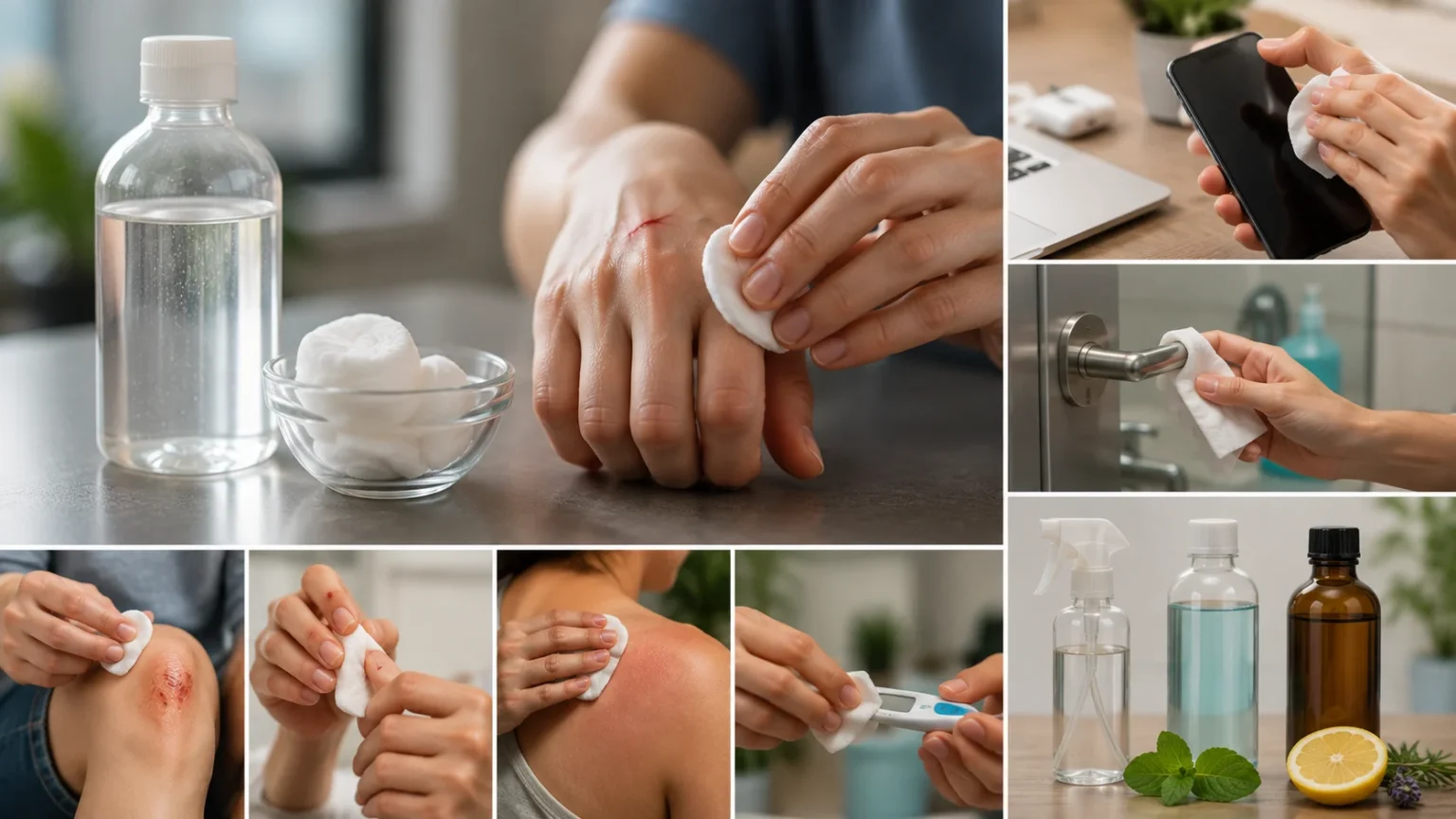
Rubbing alcohol is a familiar household product used for cleaning, disinfecting surfaces, removing residue, and preparing skin before certain procedures. The term usually refers to isopropyl alcohol mixed with water, although some products may contain ethanol instead. Common strengths include 70% and 91% isopropyl alcohol, and each concentration behaves somewhat differently. Although rubbing alcohol can be useful, it is not harmless simply because it is sold over the counter. It is highly flammable, can irritate the skin and eyes, should not be swallowed, and can cause dangerous symptoms if inhaled or ingested in large amounts. Safe use depends on understanding both what the product does well and where it should not be used.
One of the most important misconceptions is that stronger alcohol always disinfects better. In many everyday situations, a 70% solution can work more effectively than a very concentrated product because the added water slows evaporation and allows more contact time with microorganisms. Rubbing alcohol can be useful on certain hard, nonporous surfaces, but it is not appropriate for every material or every cleaning job. It can damage finishes, dry out skin, discolor some plastics, and should never be mixed casually with other cleaning chemicals. Understanding rubbing alcohol uses, safety risks and alternatives helps you use it more effectively while avoiding unnecessary exposure and preventable household accidents.
What Is Rubbing Alcohol?
Rubbing alcohol is a liquid antiseptic and solvent usually made from isopropyl alcohol, also called isopropanol, diluted with water. In many stores, the label may list 70%, 91%, or occasionally 99% isopropyl alcohol. The percentage indicates how much of the product is alcohol rather than water or other ingredients. A bottle labeled 70% therefore contains roughly 70 parts isopropyl alcohol and 30 parts water by volume. Some formulations also include small amounts of denaturants, bittering agents, fragrances, or other additives. Because formulations vary, reading the label matters before using the product on skin, electronics, or household surfaces.
The word “rubbing” reflects the product’s historical use as a topical preparation rather than a beverage alcohol. Rubbing alcohol is deliberately manufactured as a non-drinkable product and should never be consumed. Isopropyl alcohol is metabolized differently from drinking alcohol and can cause significant poisoning. Even products based on denatured ethanol may contain additives that make them unsafe to drink. The fact that the liquid looks clear and smells familiar does not make it equivalent to vodka or another beverage. It should be stored with household chemicals rather than food or drinks.
Isopropyl alcohol works partly by disrupting proteins and lipid membranes in many microorganisms. This is why it can reduce bacteria and some viruses on appropriate surfaces. Its effectiveness depends on concentration, contact time, the type of microorganism, and how clean the surface is before application. Dirt, grease, and organic material can interfere with disinfection. Rubbing alcohol is therefore often more effective when a visibly dirty surface is first cleaned with soap or detergent. Disinfection and ordinary cleaning are related but not identical tasks.
Rubbing alcohol is also a useful solvent. It dissolves oils, adhesives, ink residues, and certain cosmetic products better than plain water. This property explains why people use it to remove sticker residue, clean some electronics, and wipe down tools. However, the same solvent action can strip protective coatings or dry out materials. Acrylic, varnished wood, leather, and some painted or plastic surfaces may be damaged. Testing a small hidden area before wider application is a sensible precaution when material compatibility is uncertain.
Evaporation is another reason rubbing alcohol is popular for cleaning. It dries quickly and usually leaves little residue behind. This can be useful on glass, metal, and certain electronics when moisture needs to evaporate rapidly. Fast evaporation also means fumes can accumulate in poorly ventilated areas, particularly when large amounts are used. Rubbing alcohol should therefore be used with airflow and kept far from sparks, open flames, cigarettes, heaters, or hot surfaces. Its convenience is closely tied to the same chemical properties that create its safety risks.
What Is Rubbing Alcohol Used For?
One of the most common rubbing alcohol uses is disinfecting small hard surfaces. People often use it on thermometers, tweezers, scissors, grooming tools, doorknobs, phone cases, and other nonporous objects. For disinfection to work properly, visible dirt should be removed first and enough product should be applied to keep the surface wet for an appropriate period. Simply giving a quick swipe and immediately drying the surface may reduce effectiveness. Because materials differ, rubbing alcohol should not be assumed safe for every coating or finish. Manufacturer instructions should take priority when cleaning expensive or sensitive items.
Another common use is cleaning electronics. Isopropyl alcohol is valued because it dissolves oils and dries rapidly, making it useful for keyboards, computer components, and certain electronic contacts. Higher concentrations are sometimes preferred for internal electronics because less water is present, but this does not mean a device should be soaked. Power should be disconnected before cleaning, and the liquid should be applied sparingly to a cloth or swab rather than poured directly onto equipment. Screens deserve special caution because alcohol can damage anti-glare, oleophobic, or other protective coatings depending on the device.
Rubbing alcohol can also remove adhesive residue. Price stickers, tape, labels, and some glues leave sticky films that water does not remove easily. A small amount of isopropyl alcohol can dissolve many of these residues, making them easier to wipe away. However, alcohol can also dissolve paint, ink, sealants, and finishes. Test the product on an inconspicuous spot before treating furniture, painted walls, plastics, or decorative surfaces. A safer adhesive remover may be preferable for delicate materials.
Some people use rubbing alcohol to clean makeup tools or grooming equipment. Metal tweezers, nail tools, and certain reusable cosmetic tools can often be wiped with alcohol after appropriate cleaning. Brushes, sponges, and porous tools are different because alcohol may not penetrate them evenly and can damage adhesives or fibers. Soap and water are usually more appropriate for many washable beauty tools. Disinfection methods should match the material rather than relying on one product for everything.
Rubbing alcohol is also commonly kept in first-aid cabinets, but its medical uses are narrower than many people assume. It may be used to disinfect intact skin before an injection or certain minor procedures, but routine application to open cuts is generally unnecessary and can irritate tissue. Modern wound care usually favors gentle cleaning with clean running water and mild soap around the wound. The idea that a product must sting to prove it is killing germs can lead people to over-treat minor injuries. Effective first aid should protect healing tissue rather than repeatedly damage it.
Is 70% or 91% Rubbing Alcohol Better?
Many people assume that 91% rubbing alcohol must be better because it contains more alcohol. For some technical cleaning tasks, particularly where rapid evaporation and minimal water are important, that higher concentration can be useful. Electronics repair is one example where technicians may prefer high-percentage isopropyl alcohol for certain components. However, higher concentration does not automatically make a better disinfectant. Alcohol needs enough contact time with microorganisms to disrupt them effectively, and a solution that evaporates too quickly can reduce that contact. This is one reason 70% is widely used for routine disinfection.
The water in a 70% solution is not simply filler. It slows evaporation and supports the protein-denaturing process involved in antimicrobial activity. A surface stays visibly wet longer, which can improve practical disinfection under ordinary conditions. By comparison, very concentrated isopropyl alcohol may evaporate almost immediately, especially in warm or dry environments. This rapid drying can be useful for electronics but less useful when the goal is keeping a countertop wet long enough to disinfect it. Concentration should therefore be chosen according to purpose.
For household surface disinfection, around 70% is often a practical choice. It provides strong antimicrobial action while remaining easier to use than highly concentrated products. It can still damage sensitive materials and remains highly flammable. The presence of more water does not eliminate the need for ventilation or fire precautions. Users should also remember that alcohol does not clean heavy dirt effectively by itself. Soap or detergent may need to come first.
For electronics and precision cleaning, 91% or higher can sometimes make sense because there is less water to remain on components. Even then, not every screen or plastic is alcohol-safe. Internal circuit boards may tolerate high-purity isopropyl alcohol, while coatings on consumer screens may not. Using the same bottle for every device can therefore create costly damage. The device manufacturer’s cleaning recommendations are more important than general internet advice.
Choosing between 70% and 91% should also consider skin exposure. Higher concentrations can be more drying and irritating because they remove protective oils efficiently. Neither concentration should be used repeatedly as a moisturizer, deodorant, or treatment for large skin areas. When alcohol is used on intact skin for a legitimate reason, excessive frequency should be avoided. The best concentration is the one appropriate for the task, not simply the strongest product available.
Can You Use Rubbing Alcohol on Cuts and Wounds?
Using rubbing alcohol on a fresh cut is a long-standing home remedy, but it is usually not the best choice for routine wound care. Alcohol can kill microorganisms, yet it can also damage healthy cells involved in tissue repair. The burning sensation many people associate with “cleaning” a wound actually reflects irritation of exposed tissue and nerve endings. A painful sting does not indicate that healing is improved. For uncomplicated minor cuts, rinsing with clean running water is generally gentler and sufficient for removing dirt and debris.
Mild soap can be used around a wound, particularly if the surrounding skin is dirty. The goal is to reduce contamination without repeatedly exposing the damaged tissue to harsh chemicals. After rinsing, the area can be gently patted dry and covered with an appropriate clean dressing if needed. Keeping certain wounds slightly moist and protected can support healing better than repeatedly drying them with alcohol. The specific approach depends on wound depth, contamination, and location.
Rubbing alcohol may still be useful on intact skin before some procedures. For example, healthcare settings often use alcohol-based preparations to reduce microorganisms before injections or blood draws. This is different from pouring alcohol into an open wound. Intact skin tolerates short exposure much better because the outer barrier remains present. Once that barrier is broken, the balance between disinfection and tissue damage changes.
Deep cuts, puncture wounds, animal bites, heavily contaminated injuries, and wounds with uncontrolled bleeding need more than home cleaning. These injuries may require medical assessment, tetanus vaccination review, stitches, antibiotics, or other treatment. Pouring rubbing alcohol over a serious wound can create pain without addressing the real risk. Anyone with diabetes, poor circulation, or immune suppression should also take wounds more seriously because healing can be slower.
Signs of wound infection include increasing pain, swelling, warmth, pus, spreading redness, and fever. These symptoms should not be treated by repeatedly adding more rubbing alcohol. An infected wound may require professional evaluation and targeted treatment. The safest general rule is that alcohol is more appropriate for disinfecting certain intact surfaces and tools than for repeatedly treating open tissue. Gentle wound care usually produces less irritation and better comfort.
Can Rubbing Alcohol Be Used on Skin?
Rubbing alcohol can be used briefly on intact skin in certain situations, but frequent or widespread use can cause dryness and irritation. Isopropyl alcohol dissolves natural oils that help maintain the skin barrier. Repeated exposure may leave the skin tight, flaky, cracked, or sensitive. People with eczema or naturally dry skin can react more strongly. The product should therefore not be used as a general skin cleanser simply because it feels cooling or removes oil.
Some people apply rubbing alcohol to acne because it removes surface oil and temporarily dries pimples. This can make skin feel cleaner initially, but the irritation can worsen redness and disrupt the skin barrier. Acne develops through a combination of clogged follicles, oil production, inflammation, and bacteria, so aggressively stripping the skin does not address the entire process. Gentler acne treatments are usually more effective and less irritating. Dryness itself can also make the skin feel uncomfortable and trigger more product use.
Rubbing alcohol is sometimes used after shaving to prevent razor bumps. Although it may reduce some microorganisms, it can sting freshly shaved skin and increase dryness. Fragrance-free post-shave products, gentle moisturizers, and improved shaving technique are generally more comfortable alternatives. People prone to folliculitis may need targeted treatment rather than routine alcohol application. Razor hygiene is important, but the razor itself can be cleaned separately without soaking irritated skin.
Applying rubbing alcohol to large areas of skin is not a good idea. Significant exposure can increase absorption and inhalation of vapors, especially in children. The cooling sensation occurs because alcohol evaporates rapidly, but this does not make it a safe method for reducing fever. Traditional practices involving alcohol rubdowns are particularly risky in young children because toxic exposure can occur through skin and inhalation. Fever should be managed with safer methods appropriate to age and medical condition.
If alcohol causes persistent burning, redness, swelling, or rash, wash the area with water and stop using it. Some reactions result from irritation rather than true allergy, but the practical response is similar: remove the trigger. Moisturizer can help restore dryness when the skin barrier has been stripped. A healthcare professional should evaluate severe or widespread reactions. Safe use means limiting alcohol to situations where its benefits outweigh its tendency to dry and irritate the skin.
Rubbing Alcohol for Cleaning and Disinfecting Surfaces
Rubbing alcohol can be effective for disinfecting hard, nonporous surfaces when used correctly. Examples include certain metal tools, handles, countertops, and small household objects. The surface should be visibly clean before disinfection because dirt and grease can shield microorganisms. Apply enough alcohol to keep the surface wet for a meaningful period rather than wiping it dry immediately. Good ventilation is important because vapors can build up, especially when cleaning larger areas.
Alcohol is not an ideal cleaner for every job. It dissolves oils well but does not remove heavy soil as effectively as detergent and water. Kitchen grease, food residue, and bathroom grime often need actual cleaning before disinfection. Using alcohol alone on a dirty surface may give a false sense of cleanliness because the visible dirt remains. A two-step process of cleaning first and disinfecting when needed is usually more reliable.
Material compatibility is one of the biggest limitations. Alcohol can damage shellac, certain varnishes, painted surfaces, acrylic, some plastics, leather, and protective coatings. It may also fade dyes or leave cloudy marks. This is why rubbing alcohol should never be treated as a universal household cleaner. Testing a small hidden area first can prevent visible damage. When a manufacturer recommends only soap and water, those instructions should be followed.
Fire safety becomes more important when cleaning large areas. Isopropyl alcohol vapors can ignite, and flames may be difficult to see in bright lighting. Do not use the product around gas stoves, pilot lights, candles, cigarettes, space heaters, or electrical sparks. Allow surfaces to dry completely before exposing them to heat. Keep the bottle closed when not in use to reduce vapor release and accidental spills.
For routine home cleaning, soap, detergent, and water are often enough unless disinfection is specifically needed. Alcohol is useful for targeted jobs rather than every surface in the house. Bathrooms, kitchen counters, and frequently touched objects may benefit from an appropriate disinfectant, but the chosen product should match the material and contamination risk. Using the simplest effective cleaning method reduces chemical exposure while still maintaining good hygiene.
Can You Clean Electronics With Rubbing Alcohol?
Isopropyl alcohol is widely used in electronics because it evaporates quickly and can dissolve fingerprints, oils, flux residues, and adhesive material. Technicians often use high-purity isopropyl alcohol on circuit boards and internal components after power has been disconnected. The low water content of 91% or 99% solutions can be useful in these situations. However, the same product can damage certain consumer-facing surfaces. Electronics cleaning therefore requires more care than simply wiping everything with alcohol.
Screens are especially sensitive. Phones, tablets, laptops, and televisions often have anti-glare or oleophobic coatings that can be degraded by repeated alcohol exposure. Some manufacturers allow limited use of diluted isopropyl alcohol, while others recommend only water or a special cleaning cloth. The safest approach is to follow the device’s instructions. A cleaning method suitable for a bare glass surface may not be safe for a coated display.
When alcohol is appropriate, apply it to a lint-free cloth or cotton swab rather than pouring or spraying it directly onto the device. Excess liquid can enter openings, ports, speakers, or keyboard mechanisms. Even quickly evaporating alcohol can carry dissolved contaminants deeper into the equipment. The device should be powered off and disconnected before cleaning. Allow it to dry fully before reconnecting power.
Keyboards and computer mice can often be cleaned with small amounts of alcohol on a cloth, particularly after visible debris has been removed. External plastic should still be tested when appearance matters because some plastics can dull or discolor. Mechanical keyboards may have different cleaning requirements depending on keycap material and switch design. Again, “electronics safe” is not one universal category.
For expensive devices, manufacturer-approved cleaners are often worth using. The small savings from using household rubbing alcohol are not meaningful if a coating becomes permanently cloudy. Alcohol is an excellent technical solvent when the material and concentration are appropriate. The main risk comes from assuming that its usefulness on circuit boards automatically means it belongs on every screen, lens, casing, and coated surface.
Rubbing Alcohol for Removing Stickers, Ink and Residue
One of the most practical household uses of rubbing alcohol is removing sticky adhesive residue. Tape, labels, and price stickers often leave behind glue that resists plain water. Alcohol can dissolve many adhesive compounds and make them easier to wipe away. Apply a small amount to a cloth, gently rub the residue, and allow it a short time to soften. The surface should then be wiped clean and dried. This method works particularly well on some glass and metal surfaces.
The problem is that alcohol can also dissolve things you want to keep. Paint, printed labels, lacquer, and protective finishes may soften or discolor. Plastic can become cloudy, brittle, or stained depending on the polymer. Always test a small hidden area before treating a visible surface. If color transfers onto the cloth, stop immediately. A gentler adhesive remover or warm soapy water may be safer.
Permanent marker and ink can sometimes be lifted from hard surfaces with isopropyl alcohol. This is because many inks contain compounds that dissolve in alcohol. The technique can be useful on whiteboards, metal, or certain countertops, but the surface underneath must be alcohol-resistant. On painted walls or furniture, the alcohol may remove the finish along with the marker. Careful testing is essential.
Rubbing alcohol can also help remove some makeup or cosmetic residue from nonporous surfaces. Brushes and applicators, however, may require soap and water rather than alcohol because bristles and glue can be damaged. Cosmetics contain oils, waxes, pigments, and adhesives that behave differently. One cleaning method does not work equally well for every product. Material-specific cleaning usually gives better results.
When alcohol fails to remove residue easily, more vigorous rubbing is not always the answer. Repeated friction plus solvent exposure can damage the surface. Products based on citrus solvents, oils, or specialized adhesive removers may work better depending on the material. The safest cleaner is not necessarily the strongest one but the one that dissolves the unwanted substance without harming what is underneath.
Can Rubbing Alcohol Kill Germs?
Rubbing alcohol can kill or inactivate many bacteria and some viruses when used at an appropriate concentration and contact time. This is why alcohol-based products are common in healthcare and household disinfection. The alcohol interferes with proteins and lipid-containing structures that microorganisms need to function. However, no single disinfectant works equally well against every organism. Some spores and certain non-enveloped viruses are more resistant to alcohol than many common bacteria or enveloped viruses.
Concentration matters significantly. Around 70% alcohol is often effective because the water content supports penetration and slows evaporation. Very high concentrations can evaporate too quickly and may not improve disinfection. The surface also needs to remain wet long enough for the product to work. A quick swipe that dries almost instantly may not achieve the same result as proper application.
Organic material can interfere with disinfection. Blood, grease, food residue, and visible dirt can protect microorganisms from direct alcohol contact. Cleaning the surface first improves effectiveness. This is why healthcare environments distinguish between cleaning and disinfection rather than treating them as the same process. At home, the same principle applies to kitchen and bathroom surfaces.
Rubbing alcohol is not a substitute for handwashing when hands are visibly dirty. Alcohol-based hand sanitizers are useful when soap and water are unavailable, but rubbing alcohol from a bottle is not necessarily formulated for comfortable hand use. Repeated application can dry the skin severely, and the concentration may be inappropriate. Commercial hand sanitizers include formulations designed specifically for skin and are generally more practical.
A disinfectant should be used according to the type of contamination and surface. Bleach-based or other disinfectants may be more appropriate for certain pathogens or larger cleaning tasks. Soap and water may be entirely sufficient for routine cleaning. Rubbing alcohol is a useful tool but not a universal germ-killing solution. Understanding its limits prevents both overuse and false confidence.
Rubbing Alcohol Safety Risks
The most immediate rubbing alcohol safety risk is flammability. Isopropyl alcohol produces vapors that can ignite easily, and the fire may spread rapidly. Never use it near open flames, smoking materials, gas burners, pilot lights, heaters, or sparks. Large amounts should not be poured into open containers or used to wipe broad surfaces in enclosed rooms. The bottle should be tightly closed after use and stored away from heat.
Inhalation can cause headaches, dizziness, nausea, or irritation when vapor concentrations become high. Small household use in a ventilated room is usually well tolerated, but prolonged cleaning in a closed bathroom or small room increases exposure. Opening windows or using ventilation reduces this risk. If someone becomes lightheaded, they should leave the area and get fresh air rather than continuing to work.
Eye exposure can be painful and irritating. Splashes should be rinsed immediately with plenty of clean water for several minutes. Contact lenses may need to be removed if they come out easily. Persistent pain, blurred vision, or severe redness warrants medical advice. Using alcohol above face level or pouring from large containers increases splash risk, so careful handling matters.
Skin exposure usually causes dryness rather than serious injury, but large or prolonged exposure can irritate the skin. Cuts and damaged skin sting strongly. Children are more vulnerable to systemic effects because of their smaller body size, so alcohol should never be used for whole-body rubdowns or fever treatment. Gloves may be useful when cleaning with large amounts or when the user already has dermatitis.
Storage is another important safety issue. Rubbing alcohol should be kept in its original labeled container and out of reach of children and pets. Transferring it to a drink bottle or unmarked container creates a poisoning risk. Clear liquids are particularly easy to mistake for water or another beverage. Good labeling and locked storage are simple precautions that prevent serious accidents.
What Happens If You Drink Rubbing Alcohol?
Drinking rubbing alcohol can cause isopropyl alcohol poisoning, which is different from ordinary alcohol intoxication. Isopropyl alcohol is absorbed rapidly and is converted in the body into acetone. Symptoms can include nausea, vomiting, abdominal pain, dizziness, confusion, slowed breathing, low blood pressure, and loss of consciousness. Large amounts can be life-threatening. The product should never be consumed intentionally or used as a substitute for beverage alcohol.
A person who accidentally swallows a small amount should not automatically be forced to vomit. Inducing vomiting can increase the risk of aspiration, especially if drowsiness develops. The safest action is to contact a poison-control service or healthcare professional for guidance based on the amount, concentration, age, and symptoms. Severe drowsiness, breathing difficulty, collapse, or seizures require emergency medical attention.
Children require particular caution because even smaller volumes can represent a significant dose relative to body weight. Household cleaning accidents often occur when chemicals are left in cups, bottles, or open containers. Rubbing alcohol should always be returned to secure storage immediately after use. Leaving a clear liquid on a counter creates unnecessary risk.
Pets can also be poisoned by isopropyl alcohol. Dogs and cats may lick spills from floors or fur, especially if the odor is mixed with other substances. Cleaning products should not be applied directly to pets unless a veterinarian specifically recommends them. If a pet consumes rubbing alcohol, veterinary poison guidance is appropriate.
The fact that isopropyl alcohol resembles ethanol chemically does not mean the body handles them safely in the same way. Intentionally drinking rubbing alcohol to become intoxicated is extremely dangerous. Medical treatment may involve supportive care and monitoring of breathing, blood pressure, and other vital functions. Prevention is far easier than treatment, making secure storage essential.
What Should You Never Mix With Rubbing Alcohol?
Rubbing alcohol should not be mixed casually with household cleaning chemicals. Combining cleaners can create unexpected chemical reactions, harmful fumes, or increased fire risk. One particularly dangerous combination is rubbing alcohol with bleach. Under certain conditions, this can produce toxic compounds including chloroform and other irritating chemicals. Household cleaning should not involve improvised chemistry experiments.
Mixing rubbing alcohol with hydrogen peroxide is also generally unnecessary. Although both products may appear in first-aid cabinets, combining them does not create a superior wound treatment and can increase skin irritation. Each has specific uses when appropriate. Using multiple harsh products on one area can damage tissue and complicate healing. Simpler cleaning is usually safer.
Do not mix rubbing alcohol with vinegar or acidic cleaners unless a specific professionally formulated product instructs you to do so. The result may not necessarily create the same extreme hazard as bleach combinations, but there is rarely a practical benefit to household mixing. It can also make fumes more irritating and create unpredictable material damage. Commercial cleaners are formulated with controlled ingredients for a reason.
Alcohol should also be kept away from open flames and highly flammable products. Mixing it with aerosol sprays, fuels, or solvents can create an easily ignitable environment. Even after wiping a surface, vapors may remain for a short period. Allow the area to dry and ventilate before using heat or flame nearby.
When cleaning requires multiple products, use them separately and rinse surfaces as appropriate between steps. Read labels for compatibility and warnings. If a product says not to mix with other cleaners, that instruction should be followed literally. More chemicals do not equal better disinfection. Safe cleaning usually relies on one appropriate product used correctly rather than several combined together.
Is Rubbing Alcohol Safe for Children?
Rubbing alcohol requires extra caution around children because their smaller body size increases the risk from ingestion, inhalation, or extensive skin exposure. Products should be stored in a locked or inaccessible location. Child-resistant packaging helps but should not be considered the only protection. Children can sometimes open containers adults assume are secure. Keeping chemicals completely out of reach is more reliable.
Alcohol rubdowns were historically used to lower fever, but this practice is unsafe and should be avoided. Alcohol evaporates quickly and can make the skin feel cool, yet children can absorb or inhale significant amounts. The cooling may also trigger shivering, which can increase discomfort. Fever should be managed with appropriate fluids, clothing, and medication guidance when needed rather than whole-body alcohol application.
Using a small alcohol wipe on intact skin before certain medical procedures is very different from covering large skin areas. Limited professional use can be appropriate, but repeated home application is unnecessary. Children’s skin can become dry and irritated easily. Soap and water are usually sufficient for routine hygiene.
Accidental ingestion needs prompt guidance. A child who drinks rubbing alcohol may develop vomiting, unusual sleepiness, poor coordination, or more severe symptoms depending on the dose. Do not wait for symptoms to become dramatic before seeking poison advice. The product container can provide useful information about concentration and ingredients.
Parents should also consider how the product is used around crafts or household cleaning. Children may imitate adults and assume that clear liquids are safe. Never transfer rubbing alcohol into an unlabeled spray bottle used for water or play activities. Teaching older children that rubbing alcohol is a chemical rather than a beverage or toy helps reinforce safe handling.
Rubbing Alcohol Alternatives for Cleaning
For everyday cleaning, soap or detergent and water are often the best alternatives. They physically remove dirt, grease, and many microorganisms without the flammability and material-damage risks of alcohol. Kitchen counters, floors, and most bathroom surfaces generally benefit from ordinary cleaning before any disinfectant is considered. Routine household hygiene does not always require strong chemicals.
For disinfection, commercially formulated disinfectant sprays or wipes may be easier to use because they include clear contact-time instructions. Some are designed for specific surfaces and microorganisms. The advantage is predictability rather than necessarily greater strength. Users should still follow ventilation and material-safety instructions.
Diluted bleach can be appropriate for certain disinfection tasks when prepared and used correctly, particularly after specific contamination. However, bleach has its own risks, including irritation, discoloration, and dangerous interactions with other chemicals. It should never be mixed with ammonia, acids, alcohol, or other cleaners. One disinfectant should be used at a time.
For glass and mirrors, water with a small amount of appropriate glass cleaner can often replace alcohol. Microfiber cloths can remove fingerprints effectively without strong solvents. Electronics may require manufacturer-approved solutions. Using the gentlest effective cleaner reduces the risk of damaging coatings.
For sticker residue, warm soapy water, oil-based removers, or commercial adhesive-removal products can sometimes be safer depending on the material. Cooking oil can soften certain adhesive residues on glass or metal, although it then needs to be washed away. The best alternative depends on whether the surface is painted, porous, plastic, or sealed. Material compatibility matters more than using one cleaner everywhere.
Rubbing Alcohol Alternatives for First Aid
For minor cuts and scrapes, clean running water is one of the best alternatives to rubbing alcohol. Rinsing removes dirt and reduces contamination without irritating new tissue. Mild soap can be used around the wound, and visible debris can be removed carefully when safe. The wound can then be protected with an appropriate dressing. This approach is usually less painful than alcohol and supports normal healing.
Sterile saline can also be useful for rinsing certain wounds or piercings. It does not disinfect in the same way as alcohol, but it gently removes debris and keeps tissue clean without damaging cells. Store-bought sterile saline is preferable to homemade mixtures when sterility and concentration matter. It is particularly helpful for areas where repeated harsh antiseptic use would cause irritation.
For intact skin before certain procedures, purpose-made antiseptic wipes or solutions may be appropriate. Healthcare settings select products based on the procedure and infection risk. At home, there is rarely a need to use rubbing alcohol repeatedly unless instructed. Good hand hygiene and clean equipment often matter just as much.
For acne or oily skin, targeted skincare ingredients such as salicylic acid or benzoyl peroxide are generally more appropriate than rubbing alcohol. These products are formulated for skin and address specific acne mechanisms. Gentle cleansing and moisturizer help maintain the skin barrier. Harsh alcohol can create temporary dryness without providing balanced treatment.
For shaving irritation, fragrance-free moisturizers, proper shaving technique, and clean razors are better long-term strategies. People with recurrent folliculitis may need medical treatment rather than repeated alcohol use. The best alternative is usually one that solves the actual problem rather than simply creating a strong antiseptic sensation.
Common Rubbing Alcohol Mistakes to Avoid
One common mistake is assuming that more alcohol means better disinfection. Pouring large amounts onto a surface increases fumes and fire risk without necessarily improving results. A reasonable amount applied correctly is more effective than soaking the area unnecessarily. Proper contact time and pre-cleaning matter more than excessive volume.
Another mistake is using alcohol on every type of surface. People frequently damage acrylic, varnish, paint, leather, and electronic screen coatings because they assume quick evaporation means safety. Solvent strength is separate from drying speed. Always consider what the surface is made from before applying alcohol.
Using rubbing alcohol as a wound cleaner is another frequent error. The strong sting can feel reassuring because it seems like germs are being killed, but that same irritation can damage healing cells. Running water is usually a better first step for minor injuries. Strong antiseptics should not be used simply because the wound looks dirty.
Mixing alcohol with other cleaners is especially risky. Household chemical combinations can create toxic fumes or flammable conditions. Never improvise mixtures involving bleach or other disinfectants. Using one product according to its label is safer than creating a homemade “super cleaner.”
Finally, poor storage can turn an ordinary household product into a poisoning hazard. Leaving rubbing alcohol in an open cup, unmarked spray bottle, or drink container creates unnecessary risk for children, adults, and pets. Store it upright in the original container, away from heat and flame. Simple habits prevent most serious accidents.
The Bottom Line on Rubbing Alcohol Uses and Safety
Rubbing alcohol is a useful household disinfectant and solvent, but it works best when used for specific tasks rather than as an all-purpose chemical. It can disinfect certain hard surfaces, clean some electronics, remove adhesive residue, and prepare intact skin before selected procedures. Its quick evaporation and ability to dissolve oils make it convenient, but those same properties also create flammability, irritation, and material-damage risks.
For household disinfection, a 70% isopropyl alcohol solution is often more practical than stronger concentrations because it evaporates more slowly and maintains contact with microorganisms longer. Higher concentrations such as 91% or 99% can be useful for certain technical cleaning jobs, particularly electronics, but they are not automatically better for every purpose. The correct concentration depends on what you are trying to accomplish.
Rubbing alcohol is generally not the best choice for open cuts or routine skin care. Clean water and mild soap are usually gentler for minor wounds, while targeted skincare products are better for acne or shaving irritation. Repeated alcohol use can dry and damage the skin barrier. Children should never receive alcohol rubdowns for fever.
Safety precautions are essential. Keep rubbing alcohol away from flames, sparks, and hot surfaces, use it in ventilated areas, and never drink it. Do not mix it with bleach or other household cleaners. Keep the original label intact and store the bottle securely away from children and pets. Most serious household accidents result from misuse rather than normal targeted use.
Alternatives are available for nearly every task. Soap and water handle most routine cleaning, sterile saline works well for gentle wound care, and specialized cleaners can protect delicate surfaces. Rubbing alcohol deserves a place in many homes, but it should be treated as a chemical tool rather than a harmless universal remedy. Using the right product for the right job is the safest and most effective approach.
Frequently Asked Questions
What is rubbing alcohol mainly used for?
Rubbing alcohol is commonly used to disinfect certain hard surfaces, clean some electronics, remove adhesive residue, and prepare intact skin before certain procedures. It is also a useful solvent for oils and some inks.
Is 70% or 91% rubbing alcohol better?
For routine disinfection, 70% is often the better choice because it evaporates more slowly and provides longer contact time. Higher concentrations can be useful for certain electronics and technical cleaning tasks.
Can you put rubbing alcohol on a cut?
It is generally better to clean minor cuts with running water and mild soap around the wound. Rubbing alcohol can sting and damage healthy cells involved in healing.
What happens if you drink rubbing alcohol?
Drinking rubbing alcohol can cause serious isopropyl alcohol poisoning, including vomiting, confusion, low blood pressure, slowed breathing, and loss of consciousness. Ingestion should be treated as a poisoning concern rather than ordinary alcohol consumption.
What should you never mix with rubbing alcohol?
Do not mix rubbing alcohol with bleach or other household cleaning chemicals. Dangerous fumes or toxic compounds can form, and alcohol’s flammability creates additional risk.