

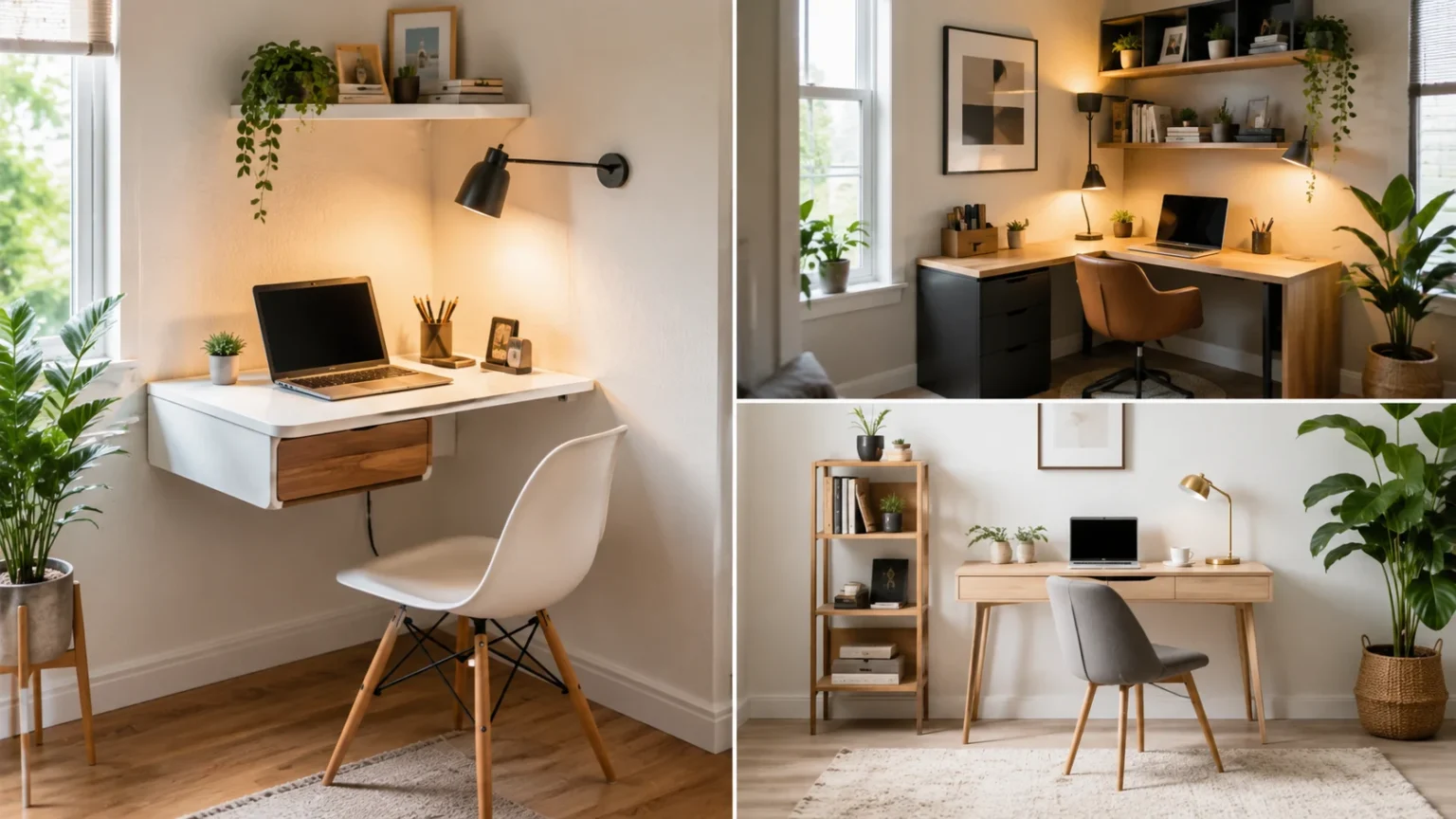

Desk Ideas: Stylish Designs for Work & Small Spaces
A well-designed desk can completely change the way a room looks, feels, and functions. Whether you work from home, study in a bedroom, manage paperwork in a living room, or simply need a place for occasional laptop use, the right desk creates a dedicated zone for focus and organization. Modern desk ideas go far beyond large traditional office furniture because today’s homes often require smarter use of limited space. Floating desks, corner desks, compact writing desks, wall-mounted workstations, and multifunctional furniture can fit into surprisingly small areas. At the same time, style matters because a desk often becomes a visible part of the room. Choosing carefully allows you to combine productivity, storage, comfort, and interior design.
Small spaces create particular challenges because a desk must provide enough room to work without making the surrounding area feel crowded. A bulky workstation can overwhelm a bedroom or apartment, while a desk that is too small may not provide enough surface area for comfortable daily use. The best approach is to match the desk to your actual tasks rather than automatically choosing the largest design available. Someone working mainly from a laptop needs less depth than a designer using multiple monitors or drawing equipment. Vertical storage can compensate for limited desktop space, while drawers and shelves keep clutter under control. Clever placement can turn unused corners, alcoves, walls, and even hallways into practical work zones.
Desk design has also become more important as home offices and hybrid work remain part of everyday life. People increasingly want workspaces that look intentional rather than temporary, especially when desks share space with bedrooms, dining areas, or living rooms. Materials such as wood, metal, glass, and engineered finishes offer different visual styles, while ergonomic features improve comfort during longer work sessions. Lighting, cable management, seating, and storage can further improve how a desk performs. The most successful setup balances appearance with function instead of prioritizing one at the expense of the other. The ideas below show how to create a stylish, practical workspace regardless of room size.
What Makes a Good Desk Setup?
A good desk setup begins with enough surface space for the tasks you perform most frequently. If you work primarily on a laptop, you may only need room for the computer, a notebook, and a few small accessories. A desktop computer setup requires more depth for a monitor, keyboard, mouse, and possibly speakers or other equipment. Creative work may require additional room for sketchbooks, tablets, craft supplies, or reference materials. Think about what normally sits on your desk during a busy day rather than what you imagine a perfect minimalist workspace should contain. Choosing dimensions based on real use prevents both overcrowding and wasted space.
Comfort is just as important as appearance because a beautiful desk becomes frustrating if you cannot sit at it properly. The desk height should allow your shoulders to remain relaxed while typing, with your elbows positioned comfortably near a right angle. Your chair should fit beneath the desk without hitting drawers or support bars. Enough legroom is especially important if you work for several hours at a time. Monitor height and distance should also be considered so you are not constantly leaning forward. A functional desk setup should support your posture while allowing you to move naturally throughout the day.
Storage helps determine whether a workspace stays organized or gradually becomes covered with papers, cables, stationery, and miscellaneous objects. Drawers are useful for items you need frequently but do not want visible. Shelves can hold books, files, baskets, and decorative pieces while keeping the desktop clearer. Small spaces often benefit from vertical storage because wall space is easier to spare than floor area. Pegboards, wall shelves, and organizers can move supplies upward instead of outward. The goal is not to eliminate everything from sight, but to give each frequently used item a logical home.
Lighting can dramatically improve both comfort and the overall appearance of a desk area. Natural light is ideal when available, especially if the desk can sit near a window without causing distracting glare on screens. A focused desk lamp provides additional illumination for evening work, reading, or detailed tasks. In darker rooms, combining ambient lighting with task lighting prevents the desk from feeling isolated or gloomy. Warm decorative lighting can also make a home workspace feel more inviting. Good lighting should illuminate the work surface without creating strong reflections or uncomfortable brightness directly in your eyes.
Cable management is another detail that separates a polished desk setup from a cluttered one. Chargers, power cables, monitor wires, headphones, and other electronics can quickly make even an attractive desk look chaotic. Cable trays underneath the desk can keep power strips off the floor, while clips guide wires along the back edge. Wireless accessories may reduce some visual clutter, although charging cables will still need a system. Desks with built-in cable holes or hidden compartments can be particularly useful. A few inexpensive cable-management accessories can make a major visual difference without requiring a completely new desk.
Small Desk Ideas for Tight Spaces
A compact writing desk is one of the simplest solutions for small rooms because it provides a useful work surface without the depth of a traditional office desk. These desks often have slim legs and minimal storage, which helps the room feel more open. They work particularly well for laptop users, students, or people who only need a workspace for a few hours each day. Choose a design with a shallow profile if the desk will sit along a narrow wall or walkway. A small drawer can provide enough storage for basic stationery. Pairing the desk with a lightweight chair prevents the setup from visually dominating the room.
Narrow desks can also fit into spaces that would otherwise remain unused, such as behind a sofa or along an empty bedroom wall. A depth of around eighteen to twenty inches may be sufficient for basic computer work depending on your equipment. Keeping the surface simple helps prevent a shallow desk from feeling crowded. Mounting a monitor on an adjustable arm can free valuable desktop space if your work requires a larger screen. Wall-mounted shelves above the desk can hold books and supplies. This vertical arrangement allows a small footprint to provide surprisingly useful storage and functionality.
Fold-down desks are especially practical when floor space needs to serve multiple purposes throughout the day. A wall-mounted panel can open into a work surface during working hours and fold closed afterward. Some designs include small internal shelves that remain accessible even when the desk is closed. This type of workspace works well in studio apartments, guest rooms, or compact bedrooms where permanent furniture would create congestion. A folding desk can also help create a psychological separation between work and relaxation. Closing the workstation at the end of the day visually signals that work has finished.
A console table can double as a compact desk when you need furniture that serves more than one purpose. These tables are usually narrower than traditional desks, making them suitable for living rooms, entry areas, and small bedrooms. During working hours, the console can hold a laptop and basic office supplies. At other times, it can function as a decorative surface for lamps, books, photographs, or plants. Choose a chair that can slide completely underneath to minimize visual clutter. Multifunctional furniture is particularly valuable when every square foot of space needs to work harder.
An unused closet can even become a hidden office sometimes called a cloffice. Removing doors or keeping them open during work hours creates a natural alcove for a compact desk or wall-mounted worktop. Shelves above the workspace can provide generous storage without expanding into the rest of the room. Lighting is important because closets rarely receive enough natural illumination on their own. A slim task lamp or under-shelf lighting can make the space much more comfortable. When work ends, doors or curtains can hide the entire setup, making this one of the smartest desk ideas for very small homes.
Stylish Home Office Desk Ideas
A wooden desk brings warmth to a home office and works with a wide variety of decorating styles. Light oak or ash can create a bright Scandinavian-inspired workspace, while walnut or darker wood produces a richer and more traditional appearance. Natural grain adds visual interest even when the desk design itself is simple. Wood also pairs easily with metal lamps, woven baskets, upholstered chairs, and neutral walls. If the room already contains several wood tones, choose finishes that complement rather than compete with one another. Keeping surrounding accessories restrained allows the desk material to remain the visual focus.
Minimalist desks are ideal for people who prefer clean lines and an uncluttered workspace. These designs typically use simple geometric shapes, slim legs, and little visible hardware. White, black, pale wood, and neutral finishes are common because they create a calm visual background for work. Minimalism does not mean eliminating practical storage entirely. A shallow drawer or concealed cabinet can preserve the clean appearance while keeping necessities nearby. Choose only a few desktop accessories, such as a lamp, notebook, and small plant, to maintain the intentional look.
Industrial desk designs combine materials such as dark metal and reclaimed or textured wood. This style works particularly well in loft-style interiors, contemporary apartments, and rooms with exposed brick or concrete details. Black metal frames create strong visual structure, while wood softens the overall appearance. Open shelving can reinforce the industrial style while providing space for books and equipment. Avoid adding too many heavy dark elements if the room is small because the setup can become visually dense. Lighter walls and good natural lighting help balance the stronger furniture design.
A statement desk can become the centerpiece of a dedicated home office. Curved edges, sculptural legs, unusual finishes, or distinctive materials create a more designer-focused appearance. This approach works best when the rest of the room supports the desk rather than competing with it. A simple rug, coordinated chair, and restrained wall art can create a polished setting around a strong central piece. Statement furniture is particularly effective when the office is visible from another room. Investing in one memorable desk can make the entire workspace feel more intentional without requiring extensive decoration.
Built-in desks provide the most integrated appearance because they can be designed specifically for the room. Cabinetry, shelves, drawers, and the work surface can all use matching materials and proportions. Built-ins are particularly useful for awkward walls, alcoves, or rooms where standard furniture leaves unused gaps. Storage can extend from floor to ceiling while maintaining a cohesive visual style. The main disadvantage is reduced flexibility because built-in furniture cannot be moved easily when your needs change. For a long-term home office, however, a custom workstation can offer exceptional storage, efficiency, and design consistency.
Corner Desk Ideas That Maximize Space
Corner desks make use of areas that are often difficult to furnish effectively. By fitting into two adjoining walls, they can provide more work surface without extending deeply into the center of a room. This arrangement works especially well for people who need two monitors, paperwork space, or separate zones for different tasks. One side might hold a computer while the other remains available for writing or creative work. L-shaped desks are the most common version of this concept. Choosing a design with slim legs can prevent the corner from looking excessively heavy.
A floating corner desk creates an even lighter appearance because it removes bulky floor supports. The desktop attaches directly to the walls, leaving the floor open underneath. This approach can make a small room appear larger and simplifies cleaning around the workspace. Floating designs work well in bedrooms, compact offices, and apartments where visual openness matters. Proper installation is essential because the wall structure must safely support the desktop and equipment. Keeping the surface relatively simple helps maintain the clean architectural effect.
Corner desks can also incorporate shelving above the work surface for additional storage. Shelves extending along both walls can hold books, files, artwork, baskets, or small plants. Staggered shelf heights create a more decorative arrangement than standard office shelving. Keep frequently used items within easy reach and reserve higher shelves for less-used storage or display pieces. If the desk faces directly into a corner, adding art or an attractive pinboard can prevent the view from feeling enclosed. Vertical decoration makes the workspace feel intentional rather than squeezed into leftover space.
A compact triangular desk can work when there is not enough room for a full L-shaped workstation. These desks fit directly into the corner and provide a small central work surface. They are best suited for laptops, tablets, writing, or occasional tasks because the usable desktop area is limited. A wall-mounted monitor can increase functionality without requiring additional depth. Narrow shelves on one or both walls can compensate for the lack of built-in storage. This solution can transform an otherwise unused corner into a practical mini office.
Positioning is especially important when choosing a corner desk because not every corner provides the same working conditions. Consider nearby windows, electrical outlets, heating vents, door swings, and walking paths before deciding where the desk should go. A corner near natural light can feel pleasant, but direct sunlight on a monitor may create glare. Outlets should be close enough to avoid visible extension cords crossing the floor. Leave enough room behind the chair to move comfortably. A well-placed corner desk should feel like part of the room rather than an obstacle added after everything else.
Floating and Wall-Mounted Desk Ideas
Floating desks are one of the best choices for modern small spaces because they provide a work surface without adding heavy furniture to the floor. A simple wall-mounted tabletop can create a minimalist workstation in a bedroom, hallway, living room, or small office. Because the floor remains visible underneath, the room often feels larger and less crowded. The height can also be customized during installation to suit the primary user. Some floating desks include hidden brackets for an especially clean look. This style works well when you want functionality without creating a traditional office appearance.
Wall-mounted desks with storage provide more functionality while maintaining a compact footprint. Shelves or cabinets can be positioned directly above the desktop to hold books, stationery, files, and decorative items. Some systems resemble modular shelving units with one shelf deep enough to function as a desk. This creates a cohesive vertical storage wall instead of several separate pieces of furniture. The design works particularly well in apartments and multipurpose rooms. Choosing matching finishes keeps the entire setup visually organized and prevents the wall from looking cluttered.
A foldable wall desk is ideal for rooms where the workspace needs to disappear after use. The desktop folds upward or downward against the wall when no longer needed, freeing walking space. Some models look like shallow cabinets or decorative panels when closed. Interior compartments can hold small supplies so the workspace remains organized between sessions. This design is particularly helpful in dining areas where the same space needs to return to another purpose at the end of the workday. A nearby folding or stackable chair can make the entire office almost disappear.
Floating desks can also create attractive vanity-and-workstation combinations in bedrooms. A single wall-mounted surface can function as a laptop desk during the day and a dressing table at other times. A mirror mounted above one side provides vanity functionality without consuming additional floor space. Drawers or small wall cabinets can store both office supplies and personal items. Keeping each category organized prevents the dual-purpose surface from becoming cluttered. This type of design is ideal when a bedroom does not have enough room for separate pieces of furniture.
Installation quality matters more with wall-mounted desks than with freestanding furniture. The desk must be attached to suitable wall framing or anchors that can support the expected weight. Monitors, books, equipment, and even the pressure of someone leaning on the desktop add substantial load. Cable routing should also be planned before installation so wires do not hang awkwardly down the wall. Outlets near the desk make the final setup much cleaner. A properly installed floating desk can feel permanent and architectural while using significantly less visual space than a conventional workstation.
Bedroom Desk Ideas for Work and Study
A bedroom desk should feel connected to the room without making the entire space look like an office. Choose a design that complements the bed, nightstands, wardrobes, and other furniture rather than introducing a completely different style. A slim wooden writing desk often works particularly well because it resembles normal bedroom furniture. Neutral finishes help the workspace blend quietly into the room. Avoid oversized executive desks that visually dominate the sleeping area. The objective is to create enough separation for productive work while preserving the bedroom’s calmer atmosphere.
Placing a desk near a window can provide natural light and a pleasant view during work or study sessions. Position the desk so direct sunlight does not constantly reflect on the screen. If the window is narrow, the desk can sit directly beneath it and make use of wall space that might otherwise remain empty. Curtains or blinds help control glare during different times of day. A small task lamp provides additional lighting after sunset. Natural light can make even a compact bedroom workstation feel brighter and more inviting.
A desk can also replace one bedside table when the bedroom is extremely small. Position a compact desk on one side of the bed and use part of its surface for a lamp or other nighttime essentials. This eliminates the need for both a nightstand and a separate workstation. Drawers can store personal items as well as office supplies. A chair that tucks fully beneath the desk keeps the walkway clear. Multifunctional furniture arrangements like this are especially effective in studio apartments, dorm rooms, and small guest bedrooms.
For shared bedrooms, visual organization becomes particularly important because the desk adds another category of belongings to an already busy room. Use drawers, wall shelves, or closed storage to keep work materials from spreading onto the bed or floor. A small rug can visually define the workspace without adding a physical divider. Headphones may also help separate work activities from someone else using the room. If possible, orient the desk away from the bed so the work area feels mentally distinct. Even subtle boundaries can make a shared bedroom function more effectively.
At the end of the workday, removing visible office clutter helps the bedroom return to a relaxing environment. Put laptops away, stack notebooks, organize cables, and clear coffee cups or paperwork. A desk with drawers makes this easier because most work items can disappear quickly. Decorative objects such as a framed print, small plant, or lamp can help the desk look like part of the bedroom once work materials are stored. Avoid leaving bright task lighting or multiple screens active late at night. A desk should support productivity without allowing work to visually take over the sleeping space.
Desk Storage and Organization Ideas
Desk drawers are one of the easiest ways to keep everyday items accessible without covering the work surface. Use small dividers to separate pens, chargers, sticky notes, clips, and other accessories. Without organizers, even a large drawer can quickly become a collection of unrelated objects that are difficult to find. Reserve the top drawer for items used most frequently and deeper drawers for less common supplies. Periodically remove objects that no longer belong in the workspace. Organized drawers reduce visual clutter while making daily work more efficient.
Wall shelves are particularly useful when desktop and floor space are limited. Installing two or three shelves above the desk creates storage without increasing the workstation footprint. Books, file boxes, baskets, and decorative objects can all be moved upward. Keep heavier items on lower shelves and ensure all shelves are installed securely. Avoid filling every inch because completely packed shelves can make a small workspace feel crowded. Leaving some negative space between objects creates a more intentional and visually calm arrangement.
Pegboards provide flexible storage that can change as your needs evolve. Hooks, shelves, cups, baskets, and clips can be repositioned without replacing the entire organization system. A pegboard works particularly well for creative desks where tools, scissors, notebooks, and small supplies need to remain visible. It can also support headphones, cables, calendars, and office accessories. Matching storage containers make the arrangement feel more polished. Because frequently used items stay within reach, pegboards combine decorative interest with practical organization.
Mobile drawer units offer storage without requiring a desk with built-in cabinets. A small rolling unit can sit beneath the workstation and move aside whenever additional legroom is needed. It can also function as an extra surface for printers, files, or equipment. This flexibility is particularly useful in rental homes where permanent wall storage may not be practical. Choose a unit that fits fully under or beside the desktop so it does not block movement. Matching the drawer finish to the desk creates a more cohesive appearance.
Desktop organizers should be used selectively because too many containers can create clutter rather than solve it. Keep only the items you regularly use within immediate reach. Pens can sit in one holder, current papers in a tray, and frequently referenced notebooks in a vertical file organizer. Less-used supplies belong in drawers, cabinets, or boxes. A clear section of desktop should remain available for active work. The most effective organization system makes frequently used items convenient while preventing storage itself from occupying the majority of the workspace.
Modern Desk Styles and Materials
Wooden desks remain popular because they offer warmth, durability, and visual versatility. Solid wood can develop character over time, while engineered wood and wood veneers provide similar aesthetics at different price points. Light woods suit Scandinavian, minimalist, and contemporary interiors, while medium and dark stains fit traditional or sophisticated spaces. Wood can also soften rooms containing many screens and electronic devices. Consider how the finish will coordinate with flooring and nearby furniture. A desk does not need to match every wood tone exactly, but the overall combination should feel intentional.
Metal desks tend to create a more streamlined or industrial appearance. Steel frames are commonly paired with wood, laminate, or glass tops to provide stability without excessive visual bulk. Black metal works well in industrial and modern interiors, while lighter metallic finishes can create a more refined effect. Powder-coated surfaces are often easier to maintain than unfinished metal. Slim metal legs also help small desks appear lighter than heavy wooden bases. This makes mixed-material desks particularly useful in compact rooms.
Glass desks can make a small workspace feel more open because transparent surfaces occupy less visual space. They work particularly well in modern interiors where clean lines and lightness are important. However, glass requires more frequent cleaning because fingerprints, dust, and cable clutter remain visible. A transparent top also means everything underneath contributes to the appearance of the setup. Strong cable management is therefore essential. Tempered glass designed for furniture use provides greater safety and durability than ordinary glass.
Laminate and engineered surfaces offer practical options for budget-conscious workspaces. These materials can imitate wood, stone, or solid colors while remaining relatively easy to clean. They are available in a huge range of finishes, making it easier to coordinate with existing interiors. High-quality laminate can provide excellent durability for daily computer work. Edges and hardware often reveal the biggest differences between inexpensive and better-made designs, so examine construction quality rather than judging the surface alone. For small-space desks that may eventually be replaced or moved, laminate can offer a sensible balance between style and cost.
Mixed-material desks combine contrasting textures to create a more layered look. A wood top with black metal legs is one of the most common combinations because it works across industrial, rustic, and contemporary styles. Stone-look surfaces with brass-tone frames can create a more elegant appearance. Cane panels, leather details, painted drawers, and textured finishes provide additional design possibilities. The key is limiting the number of materials so the furniture still feels cohesive. One strong material contrast is usually more effective than combining several competing finishes within a small workspace.
How to Choose the Right Desk for Your Space
Begin by measuring the area before looking at specific desk designs. Record the available width, depth, and height while also accounting for baseboards, radiators, windows, outlets, and door movement. Leave enough room behind the chair to sit down and move comfortably. A desk that technically fits against a wall may still make the room unusable if it blocks circulation. Marking the proposed footprint with painter’s tape can help visualize how much space the furniture will occupy. Accurate measurements prevent many of the most common desk-buying mistakes.
Next, identify how much desktop space your work actually requires. Laptop users can often work comfortably on a narrower desk, while dual-monitor setups need considerably more width. Designers, students, and artists may require space for documents or materials alongside their computer. If storage can move vertically onto shelves, you may not need an extremely large desktop. Consider whether equipment will remain permanently on the desk or be stored after each use. Matching surface size to actual tasks keeps the workstation efficient without wasting valuable room.
Storage requirements should also influence the design you choose. Someone who works almost entirely digitally may need only one small drawer, while a person handling paperwork may require file storage and several compartments. Built-in drawers provide convenience but can reduce legroom and make the desk visually heavier. Separate mobile storage offers greater flexibility. Wall shelves are another option when floor space is limited. Before choosing a desk with extensive storage, decide whether you genuinely need those compartments or simply need a better organization system.
Style should support the surrounding room rather than making the desk look like an unrelated addition. In a minimalist apartment, choose clean lines and a restrained finish. Traditional interiors may suit warmer wood and more substantial furniture shapes. Industrial rooms can accommodate black metal frames and textured timber, while contemporary spaces work well with smooth surfaces and simplified forms. Color also influences visual weight, with lighter finishes generally feeling less dominant in small spaces. The goal is not perfect matching but visual compatibility.
Finally, think about how your needs may change over the next several years. A compact laptop desk may be perfect today but become limiting if you later add monitors or work from home more frequently. Modular desks and adjustable storage can adapt more easily than highly specialized furniture. If you move often, lightweight or easily disassembled designs may be more practical than built-ins. Durability matters more when the desk will be used every day. The best desk balances your current space, work habits, storage requirements, budget, and likely future needs without overcomplicating the room.
FAQs About Desk Ideas
What type of desk is best for a small space?
Floating desks, compact writing desks, narrow console-style desks, and fold-down wall desks are excellent choices for small spaces. They provide practical work surfaces while taking up less floor area than traditional office desks.
Where should I put a desk in a small room?
Look for unused walls, corners, alcoves, space near a window, or areas beside existing furniture. The best position provides enough room for a chair while keeping walkways, doors, and storage areas accessible.
How can I make a small desk look stylish?
Keep the desktop uncluttered and use coordinated accessories, a simple lamp, one or two decorative objects, and wall storage. Choosing materials and colors that complement the surrounding room also helps the desk feel intentional rather than temporary.
Is a floating desk good for working from home?
Yes, a floating desk can work very well for remote work when it is large enough for your equipment and installed securely. It is especially useful in small homes because it leaves floor space open and can be paired with wall-mounted storage.
How deep should a desk be for comfortable work?
A compact laptop desk can often work with less depth, while setups using monitors usually benefit from additional space between the screen and user. The ideal depth depends on your equipment, preferred viewing distance, and how much writing or paperwork space you need.