
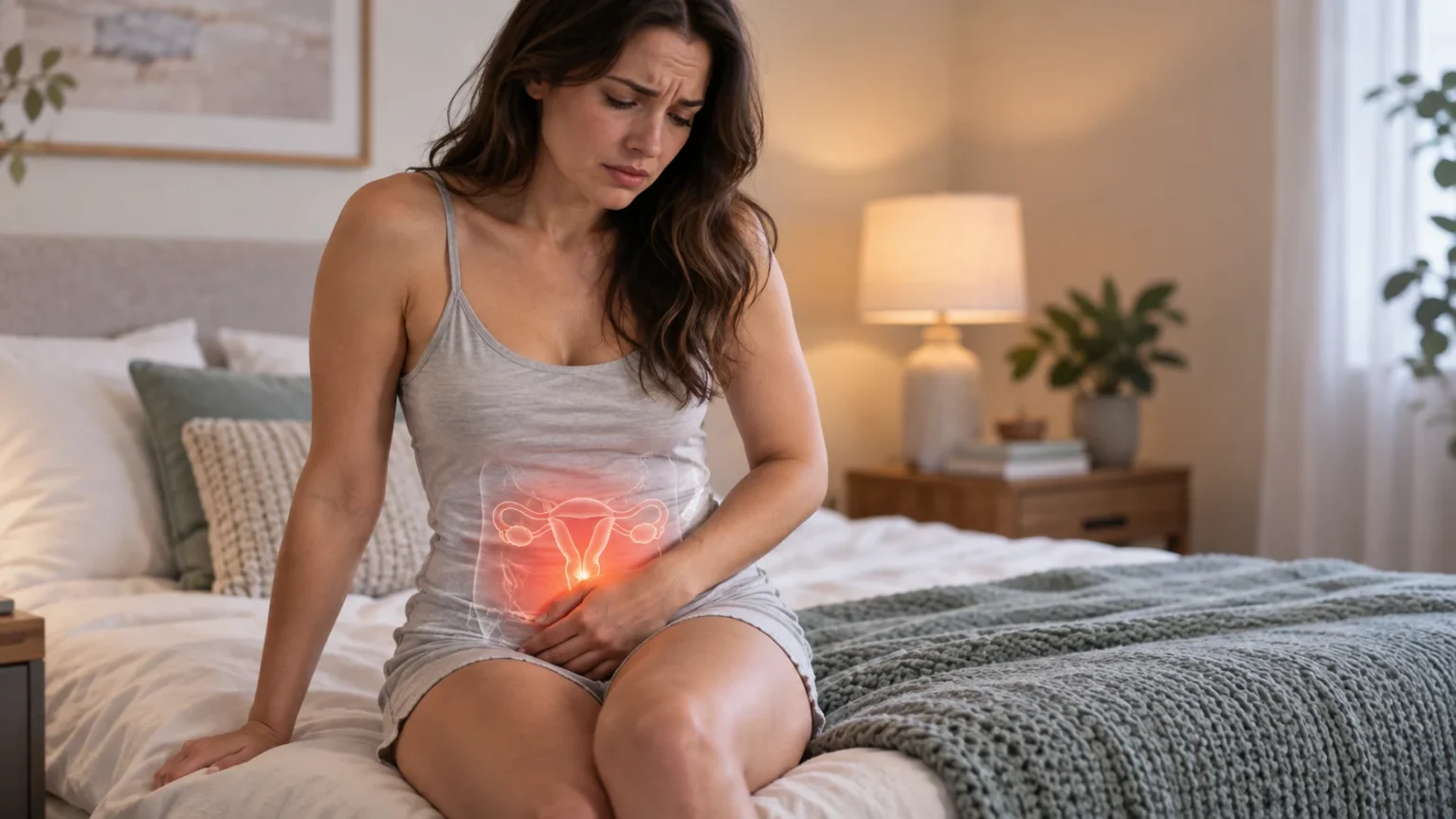

Orgasm is usually associated with pleasure, but for some people it can also cause cramping, pressure, burning, or sharp pain in the pelvis, genitals, lower abdomen, or surrounding areas. Pain may occur during orgasm, immediately afterward, or occasionally for several minutes or longer. The medical term sometimes used for pain associated with orgasm is dysorgasmia.
A single mild episode does not always mean something serious is wrong, especially when it follows muscle tension or unusually intense sexual activity. However, recurring, worsening, or severe pain should not simply be accepted as normal. Understanding the possible causes can help you decide when simple adjustments may help and when a healthcare professional should evaluate the symptoms.
What Is a Painful Orgasm?
A painful orgasm means experiencing discomfort during or shortly after climax. The sensation can vary widely, ranging from mild pelvic cramping to sharp, burning, aching, or electric pain. Some people feel discomfort deep inside the pelvis, while others notice it around the vagina, vulva, penis, testicles, rectum, or lower abdomen.
The pain may happen every time or only under certain circumstances. It can occur during partnered sex or masturbation because orgasm itself triggers rhythmic contractions of pelvic muscles and reproductive structures. This means the problem does not necessarily depend on penetration or a particular sexual position.
Painful orgasm can affect people of different sexes and ages. The underlying cause may involve pelvic-floor muscles, inflammation, infection, reproductive organs, nerves, or previous surgery. Because several different conditions can create similar symptoms, repeated orgasm-related pain is best treated as a symptom that deserves investigation rather than as one specific diagnosis.
Is Pain During Orgasm Normal?
Brief mild cramping can occasionally happen because orgasm causes strong contractions in the pelvic floor and surrounding muscles. If the discomfort is mild, happens rarely, and resolves quickly without other symptoms, it may not indicate a serious medical condition. Still, you should pay attention to whether the pattern changes over time.
Recurring pain should not be dismissed simply because it occurs only during orgasm. Pain that becomes stronger, lasts longer, or causes you to avoid sexual activity can signal an underlying issue that may be treatable. The frequency and intensity of symptoms matter more than whether another person has experienced something similar.
It is also useful to notice accompanying symptoms. Unusual discharge, bleeding, urinary pain, fever, pelvic pressure, erectile or ejaculation problems, or pain during other activities can provide important clues. Keeping track of when symptoms occur can make a medical evaluation more productive if the problem continues.
Pelvic Floor Muscle Tension and Painful Orgasm
The pelvic-floor muscles contract repeatedly during orgasm. If these muscles are excessively tight, sensitive, or prone to spasm, those contractions can become painful instead of comfortable. Some people describe deep pelvic aching, cramping, or a squeezing sensation that appears mainly during climax.
Pelvic-floor dysfunction can develop for many reasons, including chronic pelvic pain, prolonged muscle guarding, stress, injury, surgery, or previous painful experiences. Muscles may remain tense even when the person is not consciously tightening them. Repeated contraction during orgasm can then increase discomfort.
Pelvic function is also connected with the hips, trunk, and broader movement system. Understanding basic gait mechanics can be useful when learning how different parts of the body coordinate during movement, although gait changes are not a direct cause of painful orgasm. A pelvic-floor physical therapist can assess whether muscle tension is contributing to symptoms.
Common Causes in People With a Vagina
Pelvic-floor dysfunction is one possible cause, but reproductive and pelvic conditions can also contribute. Endometriosis, for example, can cause deep pelvic pain associated with sexual activity and orgasm because pelvic contractions may irritate already sensitive tissues. Some people notice the pain particularly around certain parts of their menstrual cycle.
Pelvic inflammatory conditions, ovarian problems, uterine conditions, or irritation around reproductive organs may also produce discomfort. Pain is often more meaningful when it occurs alongside abnormal bleeding, unusual discharge, persistent pelvic pressure, painful periods, or pain during penetration. These additional symptoms can help clinicians narrow the possible causes.
Changes after childbirth, pelvic surgery, or menopause may also influence sexual comfort. Scar tissue, muscle tension, dryness, and altered pelvic-floor coordination can all contribute differently. Because painful orgasm may involve several structures at once, evaluation sometimes requires considering both gynecological and musculoskeletal factors.
Common Causes in People With a Penis
Pain around orgasm in people with a penis often overlaps with painful ejaculation because ejaculation and orgasm commonly occur together. Chronic prostatitis or chronic pelvic pain syndrome can cause aching or burning in the pelvis, perineum, penis, testicles, or lower abdomen during or after climax. Symptoms may also include urinary discomfort.
Inflammation involving the prostate, urethra, or nearby reproductive structures can also contribute. Infections may be associated with urinary burning, unusual discharge, fever, or pelvic tenderness, although symptoms vary. Sexually transmitted infections are another possibility when exposure risk and other symptoms are present.
Some people develop orgasm or ejaculation pain after procedures involving the prostate or urinary tract. Pelvic-floor muscle tension can also occur in men and may produce pain even when no infection is found. Persistent symptoms should be evaluated rather than repeatedly treated with antibiotics or home remedies without a confirmed cause.
Can Infections Cause Pain During Orgasm?
Yes, certain infections involving the urinary or reproductive system can contribute to pain during sexual activity or orgasm. Depending on the infection, symptoms may include burning with urination, unusual discharge, pelvic pain, fever, genital irritation, or discomfort during ejaculation. The exact pattern varies according to the tissues involved.
Sexually transmitted infections may also produce pelvic or genital discomfort, although some cause few or no symptoms initially. If you have a new sexual partner, possible exposure, unusual discharge, or urinary symptoms, testing may be appropriate. Avoid assuming an infection is present based on pain alone because several noninfectious problems can feel similar.
Infections generally need specific treatment rather than stretching, massage, or other musculoskeletal approaches. If fever, significant pelvic pain, worsening urinary symptoms, or feeling seriously unwell accompanies orgasm-related pain, medical evaluation should not be delayed. Appropriate testing helps identify whether bacteria, inflammation, or another cause is involved.
Can Nerves Cause Painful Orgasm?
Nerve irritation can sometimes contribute to genital or pelvic pain, particularly when symptoms feel burning, electric, shooting, or unusually sensitive. Pelvic nerves carry sensory information from the genitals and surrounding tissues, so irritation can potentially make normally pleasurable stimulation or muscle contractions uncomfortable.
Nerve-related pain may occur alongside numbness, tingling, altered sensation, pain when sitting, or discomfort that changes with body position. Conditions involving the pudendal nerve and other pelvic nerves can sometimes create symptoms in the vulva, vagina, penis, rectum, or perineal region. However, these conditions require careful evaluation because symptoms overlap with many other pelvic pain disorders.
Nerve symptoms should not be self-diagnosed based on online descriptions alone. Pelvic-floor tension, spinal problems, inflammation, and nerve irritation can influence one another. A clinician experienced in pelvic pain can help determine whether neurological, muscular, urological, or gynecological factors deserve further investigation.
How Is Painful Orgasm Diagnosed?
A healthcare professional will usually begin by asking where the pain occurs, how long it lasts, and whether it happens every time. They may ask about urinary symptoms, menstrual patterns, sexual activity, previous pregnancies, surgeries, medications, infections, and other pelvic or genital symptoms. These questions help narrow the possibilities.
Depending on anatomy and symptoms, the evaluation may include a pelvic, genital, abdominal, or musculoskeletal examination. Urine testing, STI testing, blood tests, or imaging may also be considered. Not every person needs every test, and the evaluation should be based on the specific symptom pattern.
Pelvic-floor assessment can be particularly helpful when muscle tension or spasm is suspected. A trained pelvic-floor physical therapist can examine muscle coordination, relaxation, tenderness, and movement patterns when appropriate. Diagnosis sometimes takes more than one visit because chronic pelvic pain can involve several overlapping factors rather than one obvious cause.
Treatment and Relief Options
Treatment depends on the cause. Pelvic-floor dysfunction may respond to specialized physical therapy focusing on relaxation, breathing, coordination, and gradually reducing muscle sensitivity. Aggressive strengthening exercises such as repeated Kegels may actually worsen symptoms when the pelvic floor is already too tight.
Infections require appropriate medical treatment, while conditions such as endometriosis, prostatitis, or other pelvic disorders may need more specific management. Medication may also be used for inflammation or pain in certain situations. The best treatment is based on an actual diagnosis rather than trying several unrelated remedies at the same time.
While waiting for evaluation, avoid deliberately pushing through painful sexual activity. Changing positions, reducing intensity, allowing more recovery time, or temporarily avoiding activities that reliably trigger pain may help. When friction or dryness contributes to discomfort, an appropriate lubricant may improve comfort, although lubrication will not treat deeper pelvic pain.
Can Stress and Anxiety Make Symptoms Worse?
Stress does not mean that painful orgasm is imaginary or “all in your head.” However, stress can increase muscle guarding and make the pelvic floor harder to relax. People who anticipate pain may unconsciously tighten their abdominal, gluteal, and pelvic muscles, which can amplify physical discomfort.
Chronic pain can also create a cycle in which fear of symptoms leads to increased muscle tension, which then makes the next sexual experience more painful. Breaking this cycle may require addressing both the physical source of pain and the body’s protective response. Pelvic-floor therapy, relaxation techniques, and appropriate medical treatment can sometimes work together.
If sexual pain is creating significant fear, relationship stress, or avoidance, counseling with a qualified professional may also be useful alongside medical care. This does not replace investigation of physical causes. A comprehensive approach recognizes that pain can involve muscles, nerves, organs, and emotional responses simultaneously.
When Should You See a Doctor?
Schedule a medical evaluation if orgasm pain happens repeatedly, becomes progressively worse, or begins affecting your sexual activity and quality of life. Persistent pelvic pain, painful urination, abnormal bleeding, unusual discharge, or pain during ejaculation are additional reasons to seek professional advice rather than relying only on self-care.
You should also be assessed when symptoms begin after pelvic surgery, childbirth, trauma, or a new medical treatment. These details may change which causes are most likely. Sudden changes in previously comfortable sexual function deserve attention, particularly when other pelvic or urinary symptoms appear at the same time.
Seek urgent medical care for sudden severe pelvic or testicular pain, especially when accompanied by fever, vomiting, fainting, significant swelling, or inability to urinate. Sudden severe testicular pain can represent an emergency. Heavy unexpected bleeding or rapidly worsening illness should also receive prompt medical evaluation.
Conclusion
Painful orgasm can involve cramping, burning, aching, sharp pain, or pressure in the pelvis or genital area. An occasional mild episode may happen without a serious underlying problem, but repeated or severe pain should not be accepted as something you simply have to tolerate. Several treatable conditions can cause these symptoms.
Pelvic-floor muscle tension, endometriosis, infections, prostate or pelvic pain conditions, nerve irritation, and previous procedures are among the possibilities. The correct treatment depends on identifying what is actually contributing to the pain. A combination of medical evaluation and pelvic-floor assessment may be useful when symptoms are persistent.
Pay attention to when the pain occurs, where you feel it, how long it lasts, and whether other symptoms accompany it. These details can help a healthcare professional determine appropriate next steps. Seeking evaluation early can make it easier to address the cause and work toward more comfortable sexual function.
FAQs About Painful Orgasm
Is it normal for an orgasm to hurt?
Occasional mild cramping can happen, but recurring, severe, or worsening pain is not something to ignore. Persistent painful orgasm should be discussed with a healthcare professional to identify possible underlying causes.
Can a tight pelvic floor cause painful orgasm?
Yes. Pelvic-floor muscles contract during orgasm, and overly tight or sensitive muscles can cramp or become painful. Pelvic-floor physical therapy may help when muscle tension is part of the problem.
Can endometriosis cause pain during orgasm?
Yes, endometriosis can contribute to deep pelvic pain during or after orgasm in some people. Symptoms may also include painful periods, pain during sex, or other chronic pelvic discomfort.
Why does ejaculation hurt sometimes?
Painful ejaculation can occur with pelvic-floor dysfunction, chronic prostatitis, infection, inflammation, or other pelvic conditions. Recurring symptoms, urinary problems, or discharge should be medically evaluated.
When is painful orgasm an emergency?
Seek urgent care for sudden severe pelvic or testicular pain, fever, vomiting, fainting, heavy unexpected bleeding, major swelling, or inability to urinate. These symptoms can indicate conditions needing immediate assessment.