

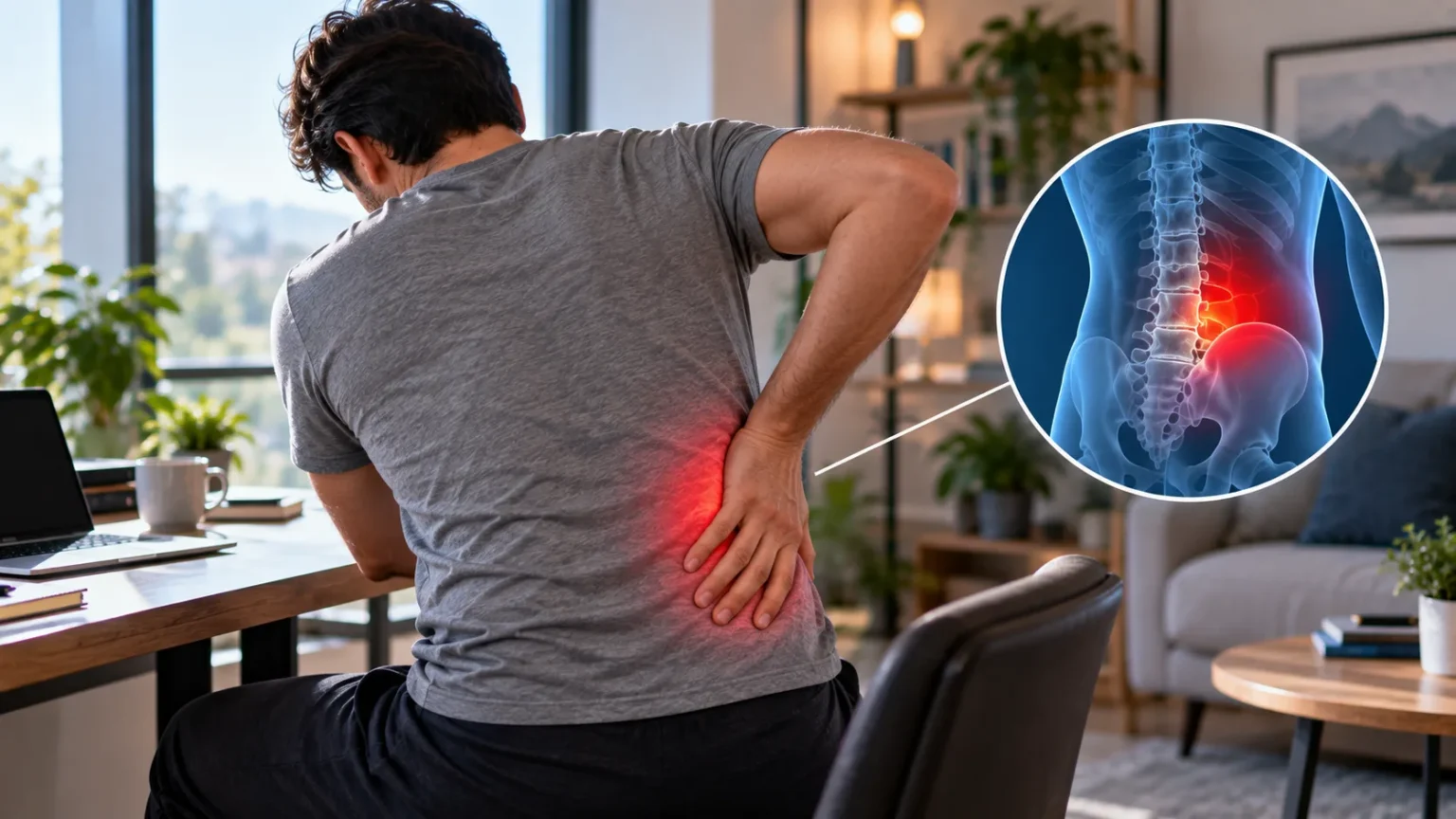

Lower back pain on the left side can come from many different sources, ranging from a simple muscle strain to irritation involving joints, nerves, or nearby organs. The discomfort may feel dull, sharp, tight, burning, or achy, and it can stay localized or spread into the hip, buttock, or leg.
In many cases, one-sided lower back pain develops after lifting, twisting, prolonged sitting, exercise, or an awkward sleeping position. However, pain on the left side can occasionally be related to kidney, digestive, or other internal problems. Paying attention to accompanying symptoms can help you understand when self-care may be reasonable and when medical evaluation is more appropriate.
The exact cause cannot always be identified from location alone. How the pain started, what makes it better or worse, whether it travels, and whether you have symptoms such as fever, urinary changes, numbness, or weakness all matter. The guide below explains common causes, practical relief options, and warning signs that deserve prompt attention.
What Can Cause Lower Back Pain on the Left Side?
Muscle strain is one of the most common causes of lower back pain on one side. The muscles supporting the lumbar spine can become irritated after lifting, bending, repetitive movement, or suddenly increasing physical activity. Pain may worsen when you twist, stand up, or move from one position to another.
Joints in the lower back can also contribute to localized discomfort. Facet joints and the sacroiliac region may become irritated and produce pain that feels stronger on one side. These problems often cause stiffness as well, particularly after sitting, standing, or remaining in the same position for a long time.
Nerve irritation, disc problems, kidney conditions, and digestive issues are other possible causes. Because several structures are located near the lower back, the same general area can produce very different symptoms. This is why pain location alone is not enough to determine exactly what is happening.
Muscle Strain and Overuse
A strained muscle can develop after lifting something awkwardly, exercising with poor form, or performing movements your body is not used to. The pain may appear immediately or become noticeable several hours later. Tightness and tenderness are common, and the affected side may feel sore when you bend or rotate.
Overuse can create similar symptoms even without one obvious injury. Long periods of sitting, standing, gardening, household work, or repetitive bending can fatigue the muscles that stabilize the lower back. One side may become more irritated if you repeatedly shift your weight or move asymmetrically.
Mild muscle strains often improve gradually with activity modification and gentle movement. Complete bed rest is usually unnecessary and can increase stiffness. If pain becomes progressively worse, remains severe, or does not improve over time, another cause may need to be considered.
Could a Disc Problem Cause Left-Sided Back Pain?
Discs sit between the bones of the spine and help absorb forces during movement. If a disc becomes irritated or bulges toward a nerve, pain may be felt more strongly on one side of the lower back. Symptoms can remain local or travel into the buttock and leg.
Disc-related pain may worsen with prolonged sitting, bending forward, coughing, sneezing, or lifting. If a nerve is involved, you may also notice tingling, numbness, burning, or weakness in part of the leg. These symptoms can vary considerably depending on which nerve structures are irritated.
A disc problem cannot be diagnosed accurately from symptoms alone. Many people have disc changes on imaging without experiencing pain, while others have symptoms with relatively subtle findings. A clinician can assess strength, sensation, reflexes, and movement patterns when nerve involvement is suspected.
Sciatica and Nerve Irritation
Sciatica refers to pain associated with irritation of the sciatic nerve or the nerve roots that contribute to it. Symptoms may begin in the lower back and travel through the buttock into the thigh, calf, or foot. The pain can feel sharp, burning, electric, or deeply aching.
Sciatica often affects one side more than the other. In addition to pain, some people experience pins and needles, numbness, or reduced strength in the leg. Sitting for long periods or certain bending movements may increase symptoms, while walking or changing position may sometimes feel better.
Mild nerve irritation can improve with time and appropriate movement, but worsening neurological symptoms should not be ignored. Seek medical assessment if numbness is spreading, weakness develops, or pain is becoming difficult to control. Sudden bladder or bowel problems require urgent evaluation.
Sacroiliac Joint and Pelvic Causes
The sacroiliac joints connect the pelvis to the lower part of the spine. Irritation around one of these joints can cause pain near the left side of the lower back, buttock, or upper hip. Symptoms may worsen when standing on one leg, climbing stairs, rolling in bed, or getting out of a chair.
Muscles around the hips and pelvis can also influence how the lower back feels. Tightness, fatigue, or weakness in the glutes and surrounding muscles may change movement patterns and place more stress on one side. This does not necessarily mean the hip muscles are the sole cause, but they may contribute.
Pain around the lower spine can sometimes overlap with discomfort closer to the coccyx. If sitting or getting up from a chair also causes pain near the bottom of the spine, this guide to tailbone pain exercises may help you understand another possible source of discomfort.
Can Kidney Problems Cause Left-Sided Back Pain?
Kidney-related pain can sometimes be felt toward the side or back below the ribs rather than directly over the spine. It may feel deeper than a typical muscle ache and can remain present regardless of movement. Kidney stones or infections are among the conditions that can cause pain in this area.
Kidney stones may cause intense waves of pain that travel toward the lower abdomen or groin. Nausea, vomiting, or blood in the urine can occur as well. Kidney infections may produce back or side pain together with fever, chills, painful urination, or a frequent urge to urinate.
If left-sided back pain occurs with urinary symptoms, fever, severe nausea, or blood in the urine, medical assessment is important. These symptoms should not be treated as ordinary muscle strain without further evaluation. Prompt care may be needed depending on the severity and cause.
Digestive and Abdominal Causes
Some digestive conditions can produce discomfort that is felt in the lower back as well as the abdomen. Constipation, gas, or bowel irritation may create pressure and aching that seems to extend toward one side. The pain may change depending on meals, bowel movements, or bloating.
More significant abdominal conditions can also refer pain toward the back. If the discomfort is accompanied by severe abdominal pain, vomiting, fever, or a major change in bowel habits, it should be assessed medically. Back pain alone does not confirm that the digestive system is responsible.
Pay attention to whether the discomfort changes with movement. Musculoskeletal pain often varies when you bend, twist, sit, or stand, while pain from an internal organ may behave differently. This distinction is not absolute, but it can provide useful information for a healthcare professional.
Sleeping Position and Left-Sided Lower Back Pain
Sleeping posture can affect how pressure is distributed through the hips and lower back. If the pelvis rotates or the spine remains twisted for several hours, existing irritation may feel worse in the morning. One-sided pain can be particularly noticeable after sleeping in an asymmetrical position.
Side sleepers may feel more comfortable with a pillow between the knees. This can reduce rotation through the pelvis and keep the hips more level. Back sleepers can experiment with a pillow beneath the knees to reduce excessive arching through the lower spine.
The mattress and pillow setup also influence comfort. A surface that is extremely soft or very firm may aggravate symptoms for some people. There is no perfect mattress for everyone, so focus on whether your sleep position supports the body comfortably without increasing pain.
Gentle Relief for Mild Left-Sided Back Pain
Gentle movement is often helpful when the pain appears to be muscular and there are no warning signs. Short walks, comfortable daily activity, and frequent position changes can prevent stiffness from building up. Avoid movements that clearly increase pain, but try not to remain completely inactive for long periods.
Heat can provide temporary relief when the muscles feel tight or sore. A warm shower, heating pad, or warm pack may help you relax before movement or sleep. Protect the skin from excessive heat and avoid leaving a heating device on while sleeping.
Gentle mobility exercises may also feel helpful. Slow pelvic tilts, knee-to-chest movements, or easy hip mobility can reduce stiffness if performed comfortably. Stop any movement that causes sharp pain, spreading numbness, or a significant increase in symptoms.
Exercises That May Help When Pain Is Muscular
A basic pelvic tilt can help you practice controlled movement through the lower back. Lie on your back with your knees bent and gently tilt the pelvis so the lower back moves slightly toward the floor. Return to a neutral position and repeat slowly without forcing the range.
Bridges can strengthen the glutes and hips, which work with the lower back during many daily movements. Lift the hips only as high as you can without creating sharp discomfort. Keep the movement smooth and avoid pushing aggressively through a painful range.
Bird dogs can also help train trunk and hip stability once acute pain has settled. From hands and knees, slowly extend one arm and the opposite leg while keeping the torso steady. If any exercise increases pain noticeably, stop and return to easier movements or seek professional guidance.
When Should You Worry About Left-Sided Back Pain?
Seek urgent medical care if lower back pain occurs with new loss of bladder or bowel control, numbness around the groin or inner thighs, or significant weakness in one or both legs. These symptoms can indicate serious nerve compression and should not be managed through home exercises alone.
Medical evaluation is also important if the pain follows a major fall or collision, is accompanied by fever, unexplained weight loss, or severe abdominal symptoms, or occurs in someone with a history of cancer or significant immune problems. Persistent pain that repeatedly wakes you from sleep also deserves attention.
You should also consider getting checked if the pain continues for several weeks without improvement or is becoming progressively worse. Most uncomplicated back pain improves gradually, so a worsening pattern can be useful information. A clinician can help determine whether imaging, physical therapy, medication, or another form of care is appropriate.
How to Reduce the Risk of Future Back Pain
Regular movement can help reduce stiffness and improve the strength of muscles that support the spine. Walking, lower-body strength training, and core exercises can all contribute when they are performed consistently. You do not need complicated routines to improve general back resilience.
Pay attention to lifting technique as well. Keep objects close to your body, use your hips and legs, and avoid twisting suddenly while carrying heavy loads. Gradually increasing training intensity can also reduce the risk of overloading tissues that are not yet prepared for higher demands.
Break up long periods of sitting whenever possible. Standing, walking briefly, or changing position every so often can reduce prolonged static loading. There is no single perfect posture, so regular movement and variation are usually more practical than trying to hold one rigid position all day.
Conclusion
Lower back pain on the left side can come from muscles, joints, discs, nerves, the sacroiliac region, or occasionally nearby organs such as the kidneys. The location alone does not identify the cause. How the pain behaves and what other symptoms occur provide more useful clues.
For mild muscular pain, gentle movement, heat, comfortable positioning, and gradual return to normal activity can often help. Avoid forcing stretches or exercises that clearly worsen symptoms. If pain travels down the leg, becomes more intense, or is associated with numbness or weakness, seek professional assessment.
Urgent care is important for new bladder or bowel problems, groin numbness, major leg weakness, fever with severe back pain, or significant trauma. Persistent or worsening symptoms also deserve evaluation. When in doubt, getting the cause assessed is safer than assuming every episode of one-sided back pain is a simple strain.
FAQs
What causes lower back pain on the left side?
Common causes include muscle strain, joint irritation, disc problems, sciatica, sacroiliac joint issues, or hip-related tension. Kidney and digestive conditions can also cause pain in the left back area.
Can kidney pain feel like lower back pain?
Yes. Kidney pain may be felt toward the side or back below the ribs and can sometimes resemble musculoskeletal pain. Fever, urinary symptoms, nausea, or blood in the urine suggest medical evaluation.
Is left-sided lower back pain usually serious?
Usually not. Many cases are related to muscle strain or joint irritation and improve with time. However, severe, persistent, or worsening pain with neurological, urinary, or systemic symptoms should be assessed.
What position is best for sleeping with left lower back pain?
Side sleeping with a pillow between the knees or back sleeping with a pillow under the knees may help. The best position is whichever reduces pain and keeps the pelvis comfortable.
When should I see a doctor for lower back pain?
Seek care for persistent or worsening pain, fever, urinary symptoms, severe abdominal pain, weakness, or spreading numbness. New bladder or bowel problems and groin numbness require urgent medical evaluation.