

What Are Hip Strengthening Exercises?
Exercises to strengthen hips are movements designed to improve the strength, control, and stability of muscles surrounding the hip joints. These exercises target important muscle groups, including the glutes, hip flexors, abductors, and adductors. Strong hip muscles support everyday activities such as walking, climbing stairs, standing, and bending. They also help maintain balanced movement during physical activity.
The hips connect the upper and lower body, making them essential for comfortable movement. When the surrounding muscles lack strength or coordination, certain activities may become more challenging. Hip strengthening exercises can improve muscular endurance and support joint function over time. However, weakness is not always the cause of hip discomfort, so persistent symptoms deserve proper assessment.
Fortunately, many effective hip strengthening exercises require little or no equipment. Beginners can start with gentle bodyweight movements and gradually progress as their strength improves. A balanced routine should target several muscle groups rather than focusing on one area. Understanding proper technique, benefits, and common mistakes can help you exercise safely and effectively.
Why Is Hip Strength Important for Everyday Movement?
Hip strength supports many movements performed throughout the day. Walking, standing from a chair, carrying objects, and climbing stairs all require coordinated activity from the muscles around the pelvis. These muscles help generate force and control leg positioning. Improving their strength can make everyday movement feel more comfortable and manageable.
Strong hip muscles also contribute to balance and lower-body stability. The gluteus medius and other hip abductors help control the pelvis when standing on one leg. This function becomes important during walking because the body repeatedly transfers weight between the legs. Adequate muscular control can support efficient movement and reduce unnecessary compensation.
Hip strengthening may also be included in rehabilitation programs for certain knee, hip, and lower-back conditions. However, the benefits depend on the underlying problem and individual exercise needs. Strengthening does not automatically prevent every injury or resolve all joint pain. A combination of appropriate movement, recovery, and professional guidance may be necessary for lasting improvement.
Understanding the Main Muscles Around Your Hips
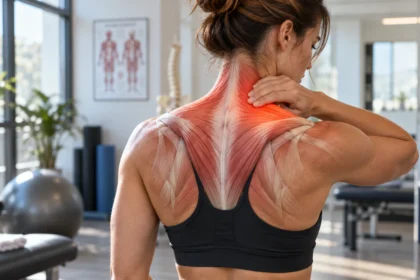
The hip region contains several muscles responsible for movement and stability. The gluteus maximus is a large muscle that helps extend the hip during activities such as standing and climbing. The gluteus medius and minimus assist with moving the leg sideways and controlling pelvic position. Together, these muscles contribute to balanced lower-body movement.
The hip flexors are another important muscle group located around the front of the hip. They help lift the thigh toward the body during walking, running, and stair climbing. Muscles such as the iliopsoas and rectus femoris contribute to this movement. Strengthening them appropriately may improve control during activities that involve lifting the legs.
The inner thigh muscles, known as adductors, help bring the legs toward the body’s center. Additional muscles assist with hip rotation and joint stability during different movements. A comprehensive hip workout should consider these functions rather than focusing exclusively on the glutes. Balanced training helps develop strength across the entire hip region.
Benefits of Doing Hip Strengthening Exercises Regularly
One important benefit of hip strengthening is improved muscular support during daily activities. Stronger muscles can make movements such as standing, walking, and climbing stairs feel easier. They may also improve endurance during longer periods of activity. These benefits generally develop through progressive training rather than a single workout or isolated exercise.
Hip exercises can also improve movement control during activities requiring balance. For example, strengthening the muscles around the pelvis may help maintain stable positioning while standing on one leg. This control is useful during walking and many recreational activities. However, balance also depends on vision, sensation, and the nervous system.
Another benefit is improved capacity for physical activities that place demands on the lower body. Appropriate hip strength can support squatting, cycling, running, and lifting movements. Some rehabilitation programs use hip strengthening to address specific movement limitations and pain conditions. Results vary, so exercises should be selected according to individual abilities and goals.
Glute Bridges for Hip Strength and Stability
Glute bridges are beginner-friendly exercises that primarily strengthen the gluteal muscles. Begin by lying on your back with your knees bent and feet resting comfortably on the floor. Keep your arms relaxed beside your body and your spine in a natural position. Engage your abdominal muscles gently before starting the movement.
Press through your feet and slowly raise your hips until your shoulders, hips, and knees form a comfortable line. Avoid lifting so high that your lower back arches excessively. Pause briefly before lowering your pelvis with control. Start with a manageable number of repetitions while maintaining steady breathing throughout the exercise.
Glute bridges can improve hip extension strength, which supports activities such as standing and stair climbing. Beginners can perform them without additional resistance, while more experienced individuals may use carefully selected progressions. Avoid pushing through sharp back or hip pain. If the movement causes discomfort, reduce the range or ask a professional about modifications.
Clamshell Exercises for Stronger Hip Abductors
Clamshell exercises focus on muscles that assist with hip rotation and pelvic stability. Begin by lying on your side with your knees bent and legs stacked together. Keep your hips aligned rather than rolling your upper body backward. Place a pillow beneath your head if additional neck support makes the position more comfortable.
Keeping your feet together, slowly lift your upper knee while maintaining control of your pelvis. Move only as far as you can without rotating your trunk or creating discomfort. Pause briefly, then lower the knee to the starting position. Repeat the movement comfortably before switching to the opposite side.
Clamshells can be useful in beginner hip strengthening routines and selected rehabilitation programs. They challenge the muscles involved in controlling outward hip rotation and supporting lower-body alignment. Resistance bands may be introduced when bodyweight repetitions become manageable. However, additional resistance is not necessary if it causes poor technique or joint discomfort.
Side-Lying Leg Raises for Outer Hip Strength
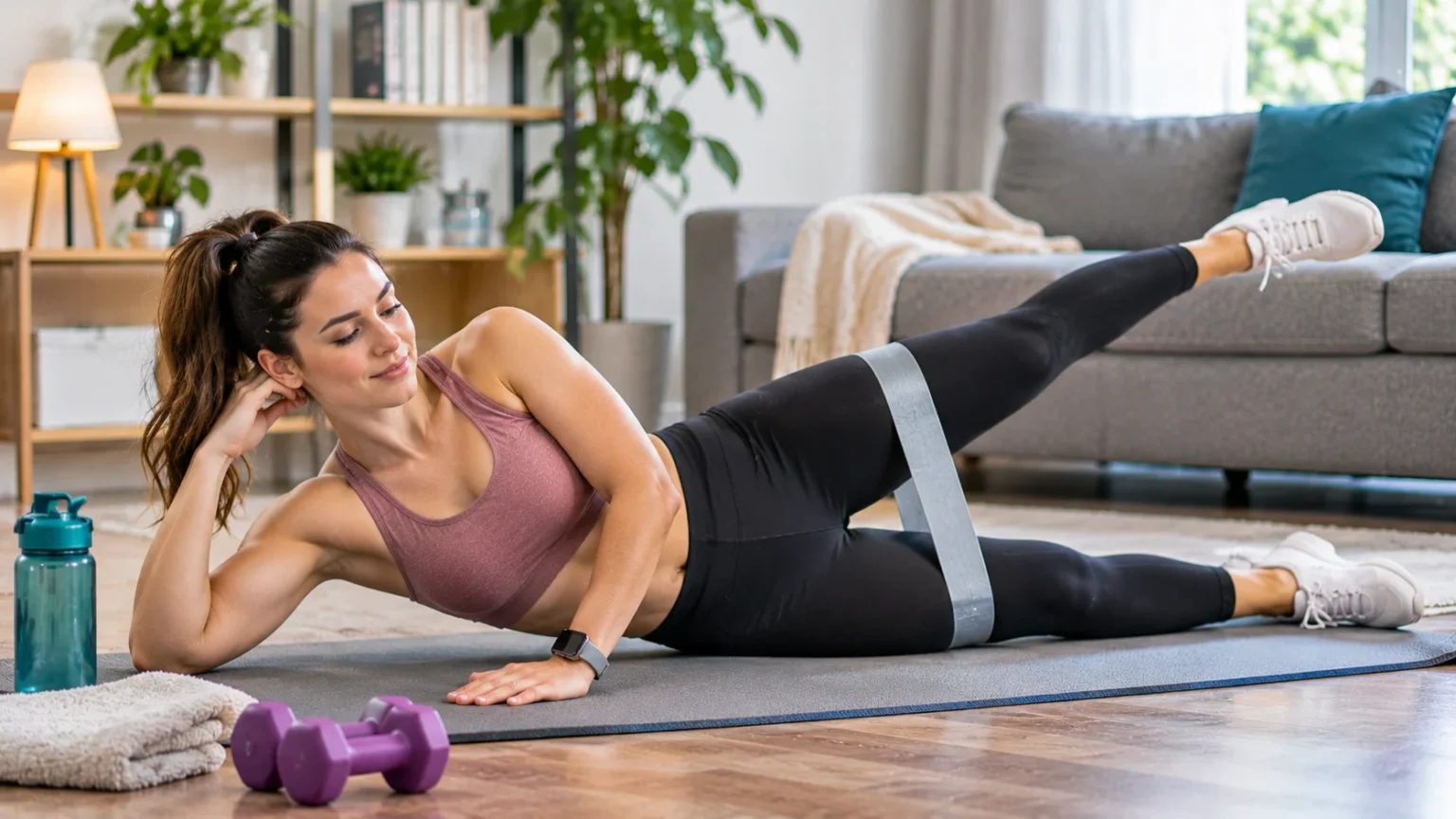
Side-lying leg raises primarily challenge the hip abductor muscles, including the gluteus medius. Lie on one side with your lower leg bent if additional stability is needed. Keep your upper leg relatively straight and your pelvis stacked. Position your head comfortably so your neck remains supported throughout the exercise.
Slowly raise the upper leg a short distance while keeping your toes generally pointed forward. Avoid turning the entire leg outward or rolling your hips backward. Lower the leg with control rather than allowing it to drop quickly. The movement should feel manageable and should not produce sharp discomfort around the hip.
This exercise can help improve strength needed for pelvic stability during walking and standing. It is also convenient because it requires no special equipment. Beginners can start with a small movement range and gradually increase repetitions as tolerated. Consistent control is more important than lifting the leg as high as possible.
Standing Hip Abduction Exercises for Better Balance
Standing hip abduction is a practical exercise that strengthens muscles along the outside of the hip. Stand upright beside a stable chair or countertop and use it for balance if necessary. Keep your body comfortably aligned with your weight supported through one leg. Avoid leaning sideways before beginning the movement.
Slowly move your opposite leg outward without twisting the pelvis or bending your torso. Raise the leg only as far as comfortable while keeping the movement smooth. Return it slowly to the starting position before repeating. Switch legs after completing a manageable number of controlled repetitions on the first side.
Standing hip abduction challenges muscular strength while also involving balance and postural control. It can be particularly useful for practicing movements similar to those required in everyday activities. Resistance bands may increase difficulty when appropriate. People with balance concerns should use sturdy support rather than attempting the exercise without assistance.
Hip Flexor Strengthening Exercises for Leg Control
Hip flexor strengthening helps develop the muscles responsible for lifting the thigh toward the body. These muscles contribute to walking, stepping, and certain athletic movements. One simple beginner exercise is seated marching, which can be performed using a stable chair. It allows controlled hip movement without requiring complicated equipment or positions.
Sit upright with your feet placed comfortably on the floor and your back supported if needed. Slowly lift one knee a small distance while keeping your upper body relatively still. Lower the foot with control and repeat on the opposite side. Avoid leaning backward or using momentum to raise your legs.
Seated marching may be useful for beginners or people seeking a gentle starting point. As strength improves, standing marches or other suitable movements can provide additional challenges. The exercise should remain comfortable and controlled. If lifting your leg causes pinching, sharp groin pain, or persistent discomfort, stop and seek appropriate guidance.
Bodyweight Squats for Stronger Hips and Legs
Bodyweight squats are compound exercises that involve the hips, thighs, and surrounding stabilizing muscles. They strengthen several lower-body muscle groups through coordinated movement. Beginners can start with a chair-supported squat to improve confidence and control. The exercise can be adjusted according to available mobility, strength, and balance.
Stand with your feet comfortably apart in front of a stable chair. Slowly bend your hips and knees as though preparing to sit down. Keep your feet supported and allow your knees to follow a comfortable path over your feet. Lower only as far as you can maintain control, then return to standing.
Squats support activities such as standing from a seated position and lifting objects from lower surfaces. They can also improve coordination between the hips and knees. However, squat depth and stance should accommodate individual anatomy and comfort. Avoid forcing a deep position when it causes pain or makes maintaining balance difficult.
Step-Ups for Functional Hip Strength
Step-ups are functional exercises that strengthen the muscles used when climbing stairs. They involve the glutes, quadriceps, and other lower-body stabilizers. Begin with a low, stable step and position yourself near a secure support if needed. A modest step height makes it easier to focus on controlled movement.
Place one foot fully on the step and slowly transfer your weight onto that leg. Press through the supporting foot to raise your body without jumping or pushing excessively from the opposite leg. Step down carefully while maintaining balance. Complete a comfortable number of repetitions before changing the leading leg.
Step-ups can improve strength and coordination for daily activities that involve changes in height. The exercise can become more demanding by adjusting the step height or repetition count when appropriate. However, higher steps are not automatically better. Start with a level that allows controlled movement without knee, hip, or back discomfort.
Fire Hydrant Exercises for Hip Mobility and Strength
Fire hydrants are bodyweight exercises that challenge the hip muscles responsible for outward movement and rotation. Begin on your hands and knees with your hands beneath your shoulders and knees beneath your hips. Keep your back in a comfortable neutral position. Use a supportive exercise mat if kneeling on a hard surface feels uncomfortable.
Slowly lift one bent knee outward while keeping the rest of your body relatively stable. Avoid twisting your spine or shifting your entire pelvis to increase the movement. Raise the leg only within a comfortable range, then lower it with control. Maintain steady breathing and repeat on the opposite side.
Fire hydrants may help improve hip muscle strength and controlled movement during exercise. They are often included in warm-up and lower-body strengthening routines. Beginners should focus on smooth technique rather than large repetitions or extreme movement. If kneeling or lifting the leg causes pain, choose a more comfortable alternative.
Resistance Band Exercises to Strengthen Hips
Resistance bands can add variety and gradual challenge to hip strengthening routines. They provide resistance during movements such as standing hip abduction, controlled side steps, and certain bridge variations. Bands are available in different resistance levels, allowing exercises to be adjusted. Beginners should choose light resistance that does not interfere with proper technique.
For a basic lateral stepping exercise, place an appropriate resistance band around your legs according to its design. Stand with your knees slightly bent and your feet comfortably apart. Take small controlled steps sideways while keeping your pelvis stable. Avoid dragging your feet or allowing the band to pull your knees inward.
Band exercises can help strengthen muscles involved in hip stability and sideways movement. They are convenient for home workouts because they require relatively little space. However, excessive resistance can encourage poor movement patterns and unnecessary strain. Select a level that allows comfortable repetitions, and inspect bands for damage before use.
How Often Should You Do Hip Strengthening Exercises?
The appropriate frequency of hip strengthening depends on your fitness level, exercise intensity, and recovery needs. For many beginners, two or three nonconsecutive strengthening sessions per week provide a reasonable starting point. This schedule allows time for muscles to recover between workouts. People following rehabilitation programs may receive different recommendations based on their condition.
A basic session might include several exercises that target different muscle groups around the hip. Start with manageable repetitions and focus on controlled movement. As the exercises become easier, you can gradually increase repetitions, resistance, or complexity. There is no need to make every workout exhausting to develop strength.
Recovery is an important part of any strengthening routine. Temporary muscle fatigue may occur, especially when starting unfamiliar exercises. However, sharp joint pain, worsening symptoms, or discomfort that interferes with normal activity should not be ignored. Adjust your training and seek professional advice when necessary to maintain a safe routine.
Common Mistakes to Avoid During Hip Exercises
One common mistake is performing hip strengthening exercises too quickly. Rushing through repetitions can reduce muscular control and make it harder to maintain comfortable joint positioning. Slow, deliberate movements allow you to focus on the intended muscles. Using momentum to complete difficult repetitions may also reduce the effectiveness of the exercise.
Another mistake is progressing to heavy resistance before developing reliable technique. Additional resistance can be helpful, but only when the movement remains comfortable and controlled. Excessive difficulty may encourage compensations involving the lower back, knees, or surrounding muscles. Begin with an appropriate challenge and increase it gradually as your strength improves.
Ignoring pain is another problem that can interfere with progress. Mild muscular effort is expected during strengthening, but sharp or worsening joint discomfort is not a goal. Continuing through persistent pain may aggravate an existing condition. Modify the exercise, reduce the difficulty, or consult a healthcare professional when symptoms do not improve.
Tips for Creating an Effective Hip Strengthening Routine
An effective hip strengthening routine should target several movement patterns instead of repeating one exercise. Include movements that challenge hip extension, abduction, flexion, and overall lower-body coordination. For example, glute bridges, side-lying leg raises, seated marches, and supported squats can provide variety. Choose exercises that suit your current strength and mobility.
Begin each session with several minutes of comfortable activity to prepare your body. Walking, gentle marching, or easy joint movements can help you transition into strengthening exercises. Focus on steady breathing and maintain control throughout each repetition. Rest when necessary rather than forcing yourself to complete a predetermined number of movements.
Monitor progress by noticing whether everyday activities and exercises become easier over time. Gradual increases in strength, balance, or movement confidence can indicate meaningful improvement. However, progress may vary depending on health conditions and activity levels. A sustainable routine that accommodates recovery is generally more useful than an overly demanding workout plan.
When Should You Seek Help for Hip Pain or Weakness?
Although hip strengthening exercises can support muscle function, they are not appropriate for every cause of hip pain. Persistent discomfort, unexplained weakness, or movement restrictions may require professional evaluation. Pain can originate from muscles, tendons, joints, nerves, or surrounding structures. Identifying the cause helps determine which exercises are safe and beneficial.
Seek prompt medical attention if hip pain develops after a significant fall or injury, especially when standing or walking becomes difficult. Fever, severe swelling, or rapidly worsening symptoms also require assessment. Sudden leg weakness or numbness should not be dismissed as ordinary muscle fatigue. These symptoms may indicate conditions that need urgent evaluation.
A physical therapist can assess muscle strength, joint mobility, and movement patterns before recommending suitable exercises. They may also provide modifications for people with arthritis, previous injuries, or persistent hip discomfort. Individualized guidance can make rehabilitation more appropriate and effective. The goal should always be comfortable function rather than pushing through pain.
Conclusion
Exercises to strengthen hips can improve muscular support, movement control, and everyday physical function. Movements such as glute bridges, clamshells, side-lying leg raises, and supported squats target important muscles surrounding the hip joints. These exercises can be adjusted for different ability levels. Consistent practice and appropriate technique are essential for developing strength over time.
A balanced routine should include several hip movement patterns while allowing adequate recovery between challenging sessions. Start with manageable bodyweight exercises before progressing to additional resistance. Focus on smooth, comfortable repetitions rather than speed or excessive intensity. Strength improvements develop gradually, and individual results depend on consistency, exercise selection, and overall health.
Strong hips support walking, standing, climbing stairs, and many recreational activities. However, exercise should not replace medical assessment when pain, weakness, or movement limitations persist. Choose appropriate movements, adjust your routine when necessary, and seek professional guidance for concerning symptoms. A consistent and comfortable approach can help support long-term hip strength and mobility.
Frequently Asked Questions
What are the best exercises to strengthen hips?
Glute bridges, clamshells, side-lying leg raises, standing hip abduction, and supported squats are useful hip strengthening exercises. The best choices depend on your abilities, goals, and whether you experience pain or movement limitations.
How long does it take to strengthen weak hips?
Some people notice exercises becoming easier after several weeks of consistent training. More substantial strength improvements may take longer. Results depend on exercise intensity, recovery, starting strength, and individual health factors.
Can I strengthen my hips at home without equipment?
Yes, many effective hip strengthening exercises require no equipment. Bodyweight bridges, clamshells, standing leg raises, and supported squats can be performed at home when suitable for your mobility and strength.
Should I do hip strengthening exercises every day?
Challenging hip strengthening workouts usually benefit from recovery time between sessions. Many beginners start with two or three sessions weekly. Gentle movements may be performed more frequently when comfortable and professionally recommended.
Can strengthening the hips help with hip pain?
Hip strengthening may help certain conditions involving muscle weakness or movement limitations. However, not all hip pain results from weak muscles. Persistent, severe, or unexplained pain should be evaluated before beginning a strengthening program.