

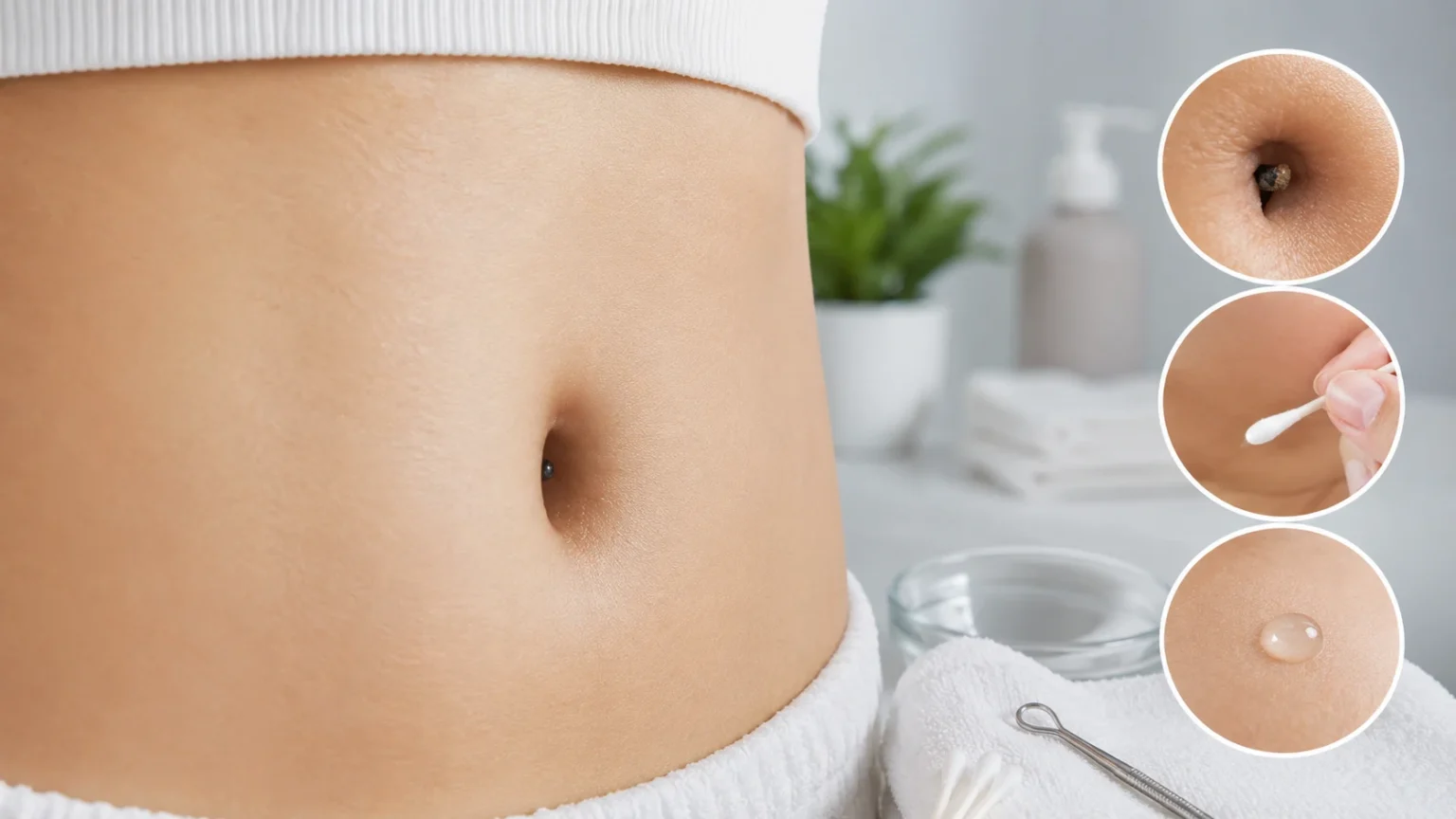

Navel Stone: Causes, Removal and Prevention Tips
A navel stone can be surprising, especially if you notice a hard, dark lump sitting deep inside your belly button and have no idea how it got there. Medically known as an omphalolith, umbolith, or umbilical concretion, a navel stone develops when substances such as dead skin cells and natural skin oils gradually collect and harden inside the navel. These stones are generally uncommon and usually harmless, but they can sometimes cause irritation, odor, discharge, bleeding, or infection when left untreated. Deep belly buttons are particularly good at trapping material because they are harder to see and clean thoroughly. Fortunately, most uncomplicated navel stones can be removed safely with gentle care or by a healthcare professional.
Although a belly button stone is usually benign, not every dark lump in the navel should automatically be assumed to be an omphalolith. Cysts, infections, skin growths, endometriosis, and several other conditions can also produce changes around the umbilicus, making proper evaluation important when the diagnosis is uncertain. Trying to dig out a painful or firmly attached lump may damage delicate skin and increase the risk of infection. Understanding what causes navel stones, what they normally look like, and when medical attention is appropriate can help you deal with the problem without unnecessary worry. This guide explains navel stone symptoms, safe removal methods, possible complications, and practical prevention strategies in simple terms.
What Is a Navel Stone?
A navel stone is a compact mass of material that becomes trapped and hardened inside the belly button over time. Its medical name, omphalolith, comes from words referring to the navel and a stone-like object, although the lump is not actually a mineral stone like a kidney stone. Researchers describe omphaloliths primarily as accumulations of keratin, the protein found in outer skin cells, combined with sebum or natural skin oil. Other trapped materials such as sweat, clothing fibers, tiny hairs, and environmental debris may contribute to the buildup. As these substances remain compressed inside a deep belly button, they can gradually become dry, dense, and surprisingly firm.
Most documented navel stones appear dark brown or black, although their color and texture can vary depending on how long they have been present and what material they contain. The dark surface does not necessarily mean that the tissue itself is damaged, because oxidation of skin oils and accumulated pigment can contribute to the characteristic appearance. Some omphaloliths are small enough to resemble a blackhead, while others grow into a noticeable hard mass protruding from the belly button. Clinical reports have described stones consisting largely of laminated keratin after laboratory examination. Because their appearance may resemble certain pigmented skin lesions, a clinician may examine an unfamiliar umbilical mass carefully before confirming the diagnosis.
The belly button provides an environment where debris can remain unnoticed because it is essentially a scar with folds and crevices rather than a smooth surface. An “innie” belly button that is especially deep or narrow can trap shed skin cells, oils, lint, sweat, and hairs more easily than a shallow navel. Cleveland Clinic notes that belly buttons commonly collect substances including dead skin cells, skin oils, sweat, lint, and hair, and these materials can sometimes harden into belly button stones. Regular washing normally removes much of this material before it becomes compacted. When cleaning is difficult or inconsistent, however, repeated accumulation can eventually create a solid plug.
A navel stone often develops very slowly, which means someone may have one without realizing it for months or even years. Many reported cases involve painless masses that were noticed accidentally rather than because the person experienced obvious symptoms. The stone may sit deeply within the umbilicus until it becomes large enough to be visible or causes irritation in the surrounding skin. This gradual development explains why people are sometimes alarmed when they suddenly discover what appears to be a new black growth. In reality, the material may have been accumulating quietly for a considerable period before becoming noticeable.
It is also important to understand that having an omphalolith does not automatically mean someone has poor overall personal hygiene. Anatomy, mobility, body size, disability, age, and difficulty reaching or seeing the navel can all influence how easily debris becomes trapped. Someone who showers regularly may still overlook the inside of a particularly deep belly button because water flowing over the abdomen does not always clean its deeper folds effectively. For that reason, the most useful response is not embarrassment but careful cleaning and appropriate medical evaluation when needed. Once the stone is removed and the area is kept clean and dry, uncomplicated cases typically have a good outcome.
What Causes Navel Stones to Form?
The main cause of a navel stone is the gradual accumulation of keratin and sebum inside the belly button. Skin constantly sheds microscopic cells as part of its normal renewal process, while sebaceous glands produce oils that help protect the skin surface. In most areas of the body, bathing, friction from clothing, and everyday movement remove these materials naturally. Inside a deep umbilicus, however, shed cells and oils can remain trapped instead of being washed away. Repeated accumulation compresses the material, removes moisture, and produces the dense plug recognized as an omphalolith. Clinical literature consistently describes accumulated sebum and keratin as central components of these stones.
A deep or narrow belly button is one of the most important physical risk factors because its shape creates a small pocket where debris can collect. People with shallow navels generally have better air circulation and can see and clean the area more easily, although they are not completely protected from buildup. A deeply retracted umbilicus may remain moist after bathing while also trapping dead skin, oils, and lint beneath the visible opening. Medical case reports repeatedly identify deep or narrow umbilical anatomy in people diagnosed with omphaloliths. The shape of your belly button is largely determined naturally, so prevention focuses on adapting your hygiene routine rather than trying to change the anatomy itself.
Inadequate cleaning can also contribute, particularly when the inside of the navel is rarely washed rather than simply rinsed during a shower. This does not necessarily represent deliberate neglect, because belly button care is easy to forget and may be physically difficult for some people. Older adults, people with limited mobility, and individuals who rely on others for personal care may have more difficulty inspecting or cleaning deep skin folds. Historical medical literature has associated omphalolith formation with insufficient navel hygiene, although clinicians increasingly recognize that anatomy and accessibility are important contributing factors as well. Gentle routine cleaning removes accumulating material before it becomes dense enough to form a stone.
Higher body weight has also been reported as a predisposing factor, particularly when abdominal folds make the umbilicus deeper or more difficult to access. However, navel stones can occur in people of virtually any body size, including young adults without obesity or significant medical problems. The more meaningful issue is whether the navel remains deep, enclosed, moist, or difficult to clean rather than body weight alone. Sweat can further contribute to the environment by keeping trapped material moist before it eventually dries and hardens. Tight clothing and lint-producing fabrics may add fibers to the mixture, although dead skin and sebum remain the primary components described in medical reports.
Time is another major factor because an omphalolith generally does not form after missing a single shower or cleaning session. Instead, layers of skin debris and oil accumulate slowly and become increasingly compacted in the confined space. The exposed surface may become darker as lipids oxidize and pigment accumulates, explaining the brown or black appearance seen in many cases. Because the process is gradual and may cause no discomfort, the mass can become surprisingly large before being discovered. This slow progression is also why simple preventive habits are effective: regular gentle cleaning interrupts the buildup before it has an opportunity to harden into a persistent umbilical stone.
Navel Stone Symptoms and What It Looks Like
The most recognizable sign of a navel stone is a firm brown, gray, or black lump inside the belly button. It may look like hardened dirt, a large blackhead, a scab, or a dark skin growth, and its surface can appear smooth, dry, crusty, or layered. Some stones remain hidden deep inside the umbilicus, while larger ones may protrude through the opening and become visible without close inspection. The mass generally feels much harder than ordinary belly button debris because the material has been compressed over a long period. Documented omphaloliths are frequently described as firm keratotic masses with brownish-black or black surfaces.
Many navel stones cause no pain at all, especially when they have not irritated the surrounding skin. Someone may first notice one while bathing, changing clothes, cleaning the abdomen, or looking closely at the belly button for another reason. This painless nature can make it difficult to know how long the stone has been present, and several published cases describe people who were completely unaware of their omphalolith beforehand. Lack of pain is reassuring but does not prove that every belly button mass is harmless. A new, unexplained, pigmented, enlarging, or firmly attached lesion should be assessed instead of repeatedly picked or scraped.
When irritation develops, the area around the stone may become red, tender, itchy, swollen, or uncomfortable. Friction between the hard material and surrounding skin can produce small erosions, and bacteria trapped in the area may contribute to secondary infection. A person may then notice discharge or an unpleasant smell coming from the belly button. Cleveland Clinic explains that odor can result from trapped sweat, skin oils, dead cells, lint, hair, or belly button stones themselves, although persistent odor may also accompany infection. Symptoms that worsen rather than improve after gentle cleaning deserve closer attention.
Bleeding can occasionally occur when a stone irritates the delicate tissue inside the umbilicus or when someone tries aggressively to remove it. Published clinical reviews have described complications including irritation, erosion, bleeding, inflammatory tissue growth, abscesses, and cellulitis when an omphalolith remains untreated. These complications appear to be uncommon, so discovering a stone should not automatically cause alarm. Nevertheless, bleeding is a reason to stop digging at the area and determine whether the mass truly is a removable collection of debris. Persistent spontaneous bleeding, especially from a growth that does not move, should be medically assessed rather than treated as routine belly button buildup.
More significant warning signs include increasing abdominal pain, spreading redness, warmth, pus, fever, significant swelling, or a strong persistent discharge. These findings may indicate infection or another underlying problem requiring medical treatment rather than simple home cleaning. Severe complications of omphaloliths are rare, but case literature has documented abscess formation and even extremely uncommon deeper complications. This makes early recognition and gentle removal preferable to leaving a symptomatic stone untouched indefinitely. If you are unsure whether you are looking at a navel stone, getting a professional examination is safer than squeezing, cutting, or repeatedly pulling on an unknown belly button lesion.
Navel Stone or Something Else?
Not every dark object inside the belly button is a navel stone, and appearance alone may sometimes be misleading. An omphalolith is typically dry, firm, and composed of accumulated material that sits within the navel rather than growing directly from normal tissue. However, certain moles, benign skin growths, cysts, scabs, or other dermatologic conditions may also create dark lumps in this location. A healthcare professional can often distinguish these possibilities through inspection and gentle examination, and dermatologists may use dermoscopy when a pigmented lesion is uncertain. Published reports emphasize proper recognition because an omphalolith can visually resemble more serious conditions and cause unnecessary concern.
An infected belly button may also be confused with a navel stone, particularly when dried discharge forms a crust. Infection is more likely when there is significant redness, tenderness, warmth, swelling, pus, persistent unpleasant odor, or pain rather than simply a dry, hard plug. In some situations, an existing navel stone can actually promote irritation and secondary infection by trapping moisture and bacteria underneath it. This means the two problems can occur together rather than being completely separate diagnoses. Removing a suspected stone aggressively when the area is already infected can worsen skin damage, so medical assessment is preferable when inflammatory symptoms are prominent.
An epidermoid cyst or another cystic lesion tends to arise beneath or within the skin rather than behaving like loose compacted debris. It may feel rounded or rubbery and can become tender if inflamed, whereas an uncomplicated omphalolith is commonly hard and relatively dry. Trying to squeeze a cyst as though it were a belly button stone can cause inflammation or infection and may not remove the underlying cyst wall. Similarly, a mole or other pigmented skin lesion should never be cut or scraped simply because it resembles hardened debris. Any mass that appears attached to living tissue deserves greater caution than material that is clearly sitting loosely within the navel.
Umbilical endometriosis is another condition that can produce a nodule around the belly button in some people, although it is very different from an omphalolith. A clue may be pain, swelling, tenderness, discoloration, or bleeding that changes with the menstrual cycle. Medical literature discussing omphaloliths includes endometriosis among important alternative diagnoses for an umbilical lesion. Because these conditions require completely different management, a recurrent painful or bleeding belly button nodule should not simply be treated with cleaning products. Keeping track of when symptoms occur can provide useful information for a healthcare professional evaluating the problem.
Rarely, an umbilical nodule can be associated with more serious disease, which is another reason persistent unexplained lesions should receive appropriate evaluation. Warning features include a mass that continues enlarging, remains firmly attached, ulcerates repeatedly, bleeds without manipulation, or occurs together with unexplained systemic symptoms. These findings do not mean cancer is likely, because benign causes of belly button changes are much more common, but they justify professional assessment. You should also seek care when an attempted “navel stone” does not soften or move despite gentle treatment. The goal is not to become anxious about every belly button lump but to recognize when a simple accumulation of debris does not behave like a typical omphalolith.
How to Remove a Navel Stone Safely
If a suspected navel stone is small, painless, clearly made of hardened debris, and surrounded by normal-looking skin, the first step is usually to soften the material rather than immediately pull it out. A warm shower or warm compress can help loosen dry surface material and make the area easier to clean. Some published clinical cases have used petroleum jelly or other softening agents before gentle extraction, demonstrating that softening the hardened keratin can make removal easier. Apply only a small amount externally and avoid forcing substances deeply into an irritated navel. If touching the area produces significant pain or bleeding, stop rather than continuing with home removal.
After softening, wash your hands thoroughly and clean around the belly button gently with warm water and mild soap. Avoid sharp fingernails, needles, tweezers pushed deeply into the navel, or any attempt to cut the stone because the tissue underneath can be delicate and difficult to see. If the material begins to loosen easily, you may gently wipe away superficial debris with clean gauze or a soft cloth. Never continue pulling against resistance, because a firmly attached mass might not be an omphalolith at all. Home care should feel gentle rather than painful, and successful removal should not require significant force.
Once the stone comes away, the underlying navel may contain softer debris that accumulated around it. Wash the area carefully without scrubbing raw skin, then rinse away soap and pat the belly button completely dry. Inspect the area for redness, sores, bleeding, swelling, or discharge that may have been hidden underneath the stone. Mild temporary sensitivity after manipulating the area can occur, but continuing pain or inflammation should not be ignored. Keeping the navel clean and dry afterward is more important than applying multiple antiseptics, oils, powders, or harsh chemicals that may irritate the skin.
Do not repeatedly pour hydrogen peroxide, rubbing alcohol, concentrated essential oils, or strong disinfectants into the belly button in an effort to “dissolve” the stone. These substances may dry or irritate healthy skin and are generally unnecessary for routine navel hygiene. Similarly, pushing cotton swabs aggressively into a narrow belly button can drive debris deeper or leave fibers behind. The goal is gradual loosening and gentle cleaning rather than sterilizing the area. If the stone remains stuck after reasonable gentle care, a clinician can usually remove a confirmed omphalolith much more safely while seeing the entire area clearly.
Professional removal is particularly appropriate for a large, deeply embedded, painful, or uncertain navel mass. Clinical case reports commonly describe healthcare professionals removing confirmed omphaloliths through gentle traction with appropriate instruments after softening or exposing the stone adequately. If the opening is extremely narrow or complications are present, additional treatment may occasionally be required. Most straightforward cases do not require major procedures and can be managed quickly once the diagnosis is established. Seeking help is therefore preferable to spending days aggressively squeezing or digging at a stone that refuses to move.
When Should You See a Doctor?
You should consider seeing a healthcare professional whenever you are not confident that the lump is actually a navel stone. A typical omphalolith is usually a discrete accumulation of dark, hardened material, but photographs and descriptions online cannot reliably diagnose every belly button lesion. A dermatologist, primary care clinician, or other qualified professional can examine whether the mass is loose debris, inflamed tissue, a cyst, a skin lesion, or another condition. This becomes particularly important if the object seems to grow directly from the skin or will not move at all. Uncertainty itself is a reasonable reason to obtain an examination rather than repeatedly manipulating the area.
Pain, increasing redness, warmth, swelling, and pus are reasons to seek care because they may indicate belly button infection or an abscess. A strong odor alone can sometimes result from accumulated debris, but odor accompanied by discharge and tenderness deserves more attention. Depending on the cause, a healthcare professional may need to remove trapped material, clean the area thoroughly, drain an abscess, or treat an infection. Continuing to squeeze inflamed skin can push bacteria into damaged tissue and increase swelling. Early treatment is usually easier than waiting until redness or pain spreads across the surrounding abdomen.
Bleeding should also influence your decision, particularly when it occurs without vigorous cleaning or continues after gentle pressure. An omphalolith may irritate surrounding skin and occasionally produce erosion or bleeding, but unexplained recurrent bleeding can also occur with other umbilical disorders. Stop home removal if every attempt causes the lesion to bleed or reveals raw tissue underneath. The same advice applies to ulceration, recurrent scabbing, or an abnormal growth emerging from the navel. Clinical literature emphasizes that recognizing an omphalolith correctly helps distinguish it from other conditions that may require a different diagnostic approach.
Urgent medical attention is appropriate if belly button symptoms are accompanied by fever, rapidly spreading redness, severe abdominal pain, significant swelling, or feeling seriously unwell. These symptoms are not typical of an uncomplicated navel stone and may suggest a more extensive infection or another abdominal problem. Severe complications linked with omphaloliths are rare, but reported complications include abscesses and cellulitis, and exceptionally unusual case reports describe deeper infection-related problems. You should not delay necessary care because you believe everything began with simple belly button debris. A clinician can determine whether the symptoms remain confined to the skin or need broader investigation.
You may also want professional help if the navel stone repeatedly returns despite regular cleaning. Recurrence can mean that the belly button is particularly deep or narrow, leaving an area that is difficult to clean effectively on your own. A clinician can confirm that recurrent material truly represents an omphalolith and look for inflammation, anatomical issues, or other causes of persistent discharge. People with reduced mobility or difficulty performing personal care may benefit from incorporating belly button cleaning into regular assisted hygiene. Medical evaluation is not an admission that something serious is wrong; it is simply the safest approach when the problem behaves differently from an uncomplicated buildup.
How Are Navel Stones Treated by Healthcare Professionals?
Professional treatment usually begins with a close visual examination of the belly button and surrounding skin. In a classic uncomplicated case, the doctor may be able to recognize a firm keratinous plug based on its position, texture, color, and relationship with the surrounding tissue. If a pigmented growth is difficult to distinguish from another skin condition, a dermatologist may examine it more closely using dermoscopy. The clinician will also look for redness, discharge, ulceration, bleeding, tenderness, or evidence that the mass originates from living tissue. This assessment helps prevent an unrelated belly button lesion from being mistaken for a removable stone.
When the diagnosis is clearly an omphalolith, gentle extraction is the standard approach described in many clinical reports. The hardened material may first be softened with an emollient such as petroleum jelly or another appropriate preparation, particularly when it is dry or tightly lodged. A healthcare professional can then use suitable instruments to grasp the calculus carefully while protecting surrounding skin. Published cases describe successful extraction through gentle traction, often revealing healthy tissue underneath once the accumulated keratin is removed. This relatively straightforward treatment also provides confirmation of the diagnosis when the entire plug comes away intact.
A large stone or extremely narrow umbilical opening may require additional assistance rather than simple traction. Historically, case reports have described widening access or performing minor procedures when an omphalolith could not be removed easily. These situations appear much less common than straightforward extraction and are determined by the individual’s anatomy and complications. Clinicians avoid unnecessary surgery when a simple approach is sufficient, especially because an uncomplicated omphalolith is a benign accumulation rather than an invasive growth. After removal, the newly exposed skin is examined for inflammation, infection, ulceration, or abnormal tissue that might require additional treatment.
If infection is present, treatment depends on its severity rather than on the stone alone. Removing the trapped material may reduce ongoing irritation and allow the clinician to see whether there is a superficial sore, bacterial infection, or abscess beneath it. More significant infection may require targeted medical treatment, while an abscess may sometimes need drainage. Antibiotics are not automatically necessary for every navel stone and should not be self-started simply because the belly button smells unpleasant. Proper treatment focuses on the actual findings, which is why painful or draining cases are better examined than managed solely through repeated home cleaning.
Laboratory testing or biopsy is generally unnecessary for an obvious uncomplicated navel stone, but testing may be considered when the appearance is unusual or the diagnosis remains uncertain. Published reports have examined removed material and found laminated keratin, supporting the characteristic composition of omphaloliths. In everyday practice, however, the clinician’s examination and easy removal may provide enough information when everything appears typical. Any suspicious tissue attached beneath the mass can be assessed separately rather than assumed to be part of the stone. After treatment, most people primarily need appropriate navel hygiene and monitoring for recurrence rather than extensive follow-up.
How to Prevent Navel Stones From Coming Back
The most effective way to prevent a navel stone is to make gentle belly button cleaning part of your normal bathing routine. You do not need to scrub the area aggressively every day, but the folds of an “innie” navel should be washed regularly enough to prevent visible accumulation. Warm water and a small amount of mild soap are usually sufficient for routine care. Use your fingertip or a soft clean cloth around accessible surfaces instead of inserting sharp objects into a deep umbilicus. Cleveland Clinic specifically notes that navels can collect oils, dead skin, sweat, hair, and lint, making regular hygiene useful for preventing odor and hardened buildup.
Drying the belly button after bathing is almost as important as washing it. A deep navel can hold small amounts of water after a shower, and persistent moisture may encourage odor, skin irritation, or microbial overgrowth. After rinsing away soap, gently pat the opening and accessible folds with a clean towel. People with very deep navels may find it helpful to spend a few extra seconds checking that the area is no longer wet rather than assuming normal towel drying reached it. Keeping the area clean and dry reduces the conditions that allow oily skin debris to remain trapped and become compacted.
Regular self-checks can also prevent a small amount of debris from turning into a firm belly button stone. Every week or two, simply look at the navel in good lighting while getting dressed or after showering, particularly if you know yours is deep and narrow. If you see lint or soft buildup, remove it gently before it becomes densely packed. Do not turn inspection into aggressive daily digging, because excessive manipulation can irritate normal skin. Prevention works best through simple consistency rather than intense cleaning sessions performed only after months of buildup.
If mobility, body shape, vision, or another practical issue makes your navel difficult to reach, consider adapting your routine rather than ignoring the area. A long-handled bathing aid or assistance from a trusted caregiver may make routine skin-fold hygiene easier without requiring uncomfortable twisting. The same principle applies to older adults or anyone dependent on another person for bathing, because small overlooked areas can accumulate debris despite otherwise good hygiene. Medical literature has identified difficulty maintaining hygiene alongside deep umbilical anatomy as a contributor in reported omphalolith cases. Regular accessible care can therefore prevent recurrence without blaming the individual for circumstances that make cleaning challenging.
Finally, avoid trying to prevent navel stones by routinely filling your belly button with oils, powders, antiseptics, or other products unless a healthcare professional has recommended them for a specific reason. Products can themselves mix with shed skin and debris, while fragrances or strong chemicals may irritate sensitive skin. A simple routine of washing, rinsing, drying, and occasionally inspecting the area is usually enough. If hardened material repeatedly develops despite these habits, discuss the problem with a healthcare professional rather than escalating home treatments. Consistent basic hygiene addresses the primary mechanism behind most omphaloliths while protecting the delicate skin inside the navel.
Frequently Asked Questions
Can you remove a navel stone yourself?
A small, painless stone that clearly consists of hardened debris may sometimes loosen after warm water or gentle softening. Stop if it is painful, bleeding, deeply stuck, or difficult to identify, and have a healthcare professional examine it instead.
Are navel stones dangerous?
Most navel stones are benign accumulations of skin debris and oil and do not cause serious health problems. Complications such as irritation, infection, abscess formation, or cellulitis can occur when a stone remains trapped or becomes inflamed.
Why is my navel stone black?
Many omphaloliths become brown or black as accumulated keratin, skin pigment, and oils remain exposed and undergo changes such as lipid oxidation. A black belly button lesion should still be checked if it is attached to the skin, changing appearance, bleeding, or otherwise unusual.
Do navel stones smell?
They can, particularly when the navel also contains sweat, oils, dead skin, hair, bacteria, or other trapped debris. Persistent foul odor accompanied by redness, pain, swelling, or discharge may indicate infection and should be medically evaluated.
How long does it take for a navel stone to form?
There is no fixed timeline because formation depends on belly button anatomy, hygiene, oil and skin-cell accumulation, and individual circumstances. Many omphaloliths develop gradually and may remain unnoticed for months or years before becoming visible.
Can a navel stone come back after removal?
Yes, another stone can form if skin oils and keratin repeatedly accumulate inside a deep or narrow navel. Regular gentle washing, thorough drying, and occasional inspection can significantly reduce the chance of recurrence.
Should I use tweezers to remove a navel stone?
Avoid inserting ordinary tweezers deeply into your belly button because you could pinch or injure skin you cannot clearly see. Medical professionals sometimes use forceps for confirmed omphaloliths, but they do so with appropriate visibility and control.
Is a belly button stone the same as dirt?
Not exactly. Ordinary dirt or debris is usually loose and easy to wash away, while a navel stone is a compacted collection dominated by keratin and sebum that has hardened over time.
Can poor hygiene cause a navel stone?
Infrequent cleaning can increase the risk because it allows dead skin cells and oils to accumulate, but anatomy and accessibility also matter considerably. Deep navels, limited mobility, and difficulty reaching the area can make stones possible even when someone otherwise maintains good personal hygiene.
What should I do if my belly button is bleeding after stone removal?
Stop manipulating the area, clean it gently, and monitor the skin for continued bleeding, redness, pain, swelling, or discharge. Seek medical care if bleeding persists, the tissue looks significantly injured, or you are unsure that the removed material was actually a navel stone.