

Non Hormonal Birth Control: Best Options Compared
Non-hormonal birth control is becoming a more important conversation for people who want reliable pregnancy prevention without using estrogen, progestin, or daily hormone-based methods. Some people explore hormone-free contraception because they have side effects with the pill, patch, ring, shot, implant, or hormonal IUD. Others simply want a method that works with their natural cycle, fits their values, or feels easier to control. The best option depends on your health history, comfort level, relationship situation, budget, and how much effort you want to put into each use. A good comparison should look beyond popularity and ask what actually works in real life.
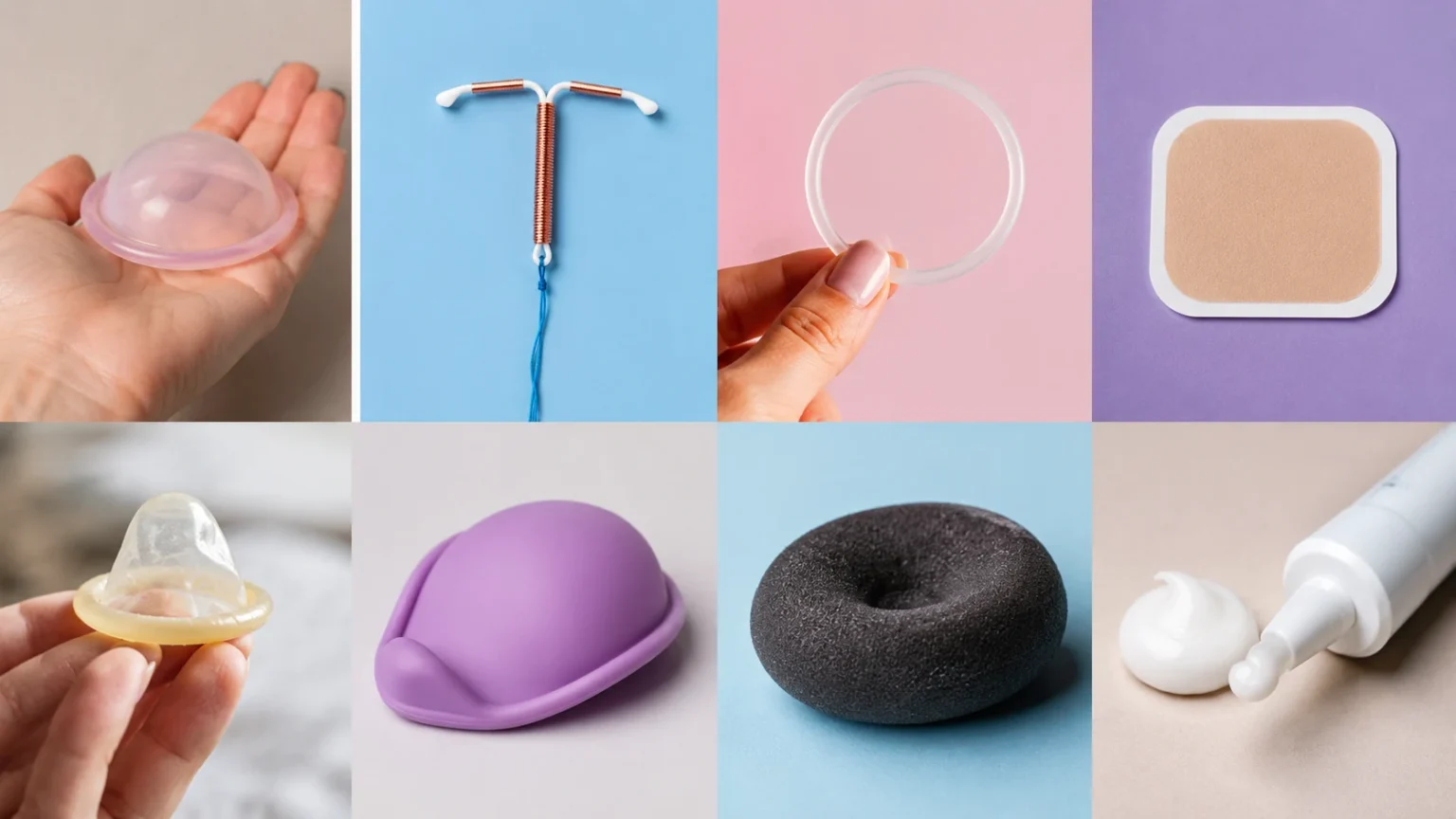
The phrase non-hormonal birth control covers several different categories, and they do not all work the same way. A copper IUD prevents pregnancy for years after placement, while condoms and diaphragms are used only when you have sex. Fertility awareness-based methods rely on tracking fertile days and avoiding unprotected intercourse during that window. Spermicides and vaginal pH gels work inside the vagina before sex, but they require correct timing and repeat use. Permanent methods such as vasectomy and tubal surgery are also hormone-free, but they are intended for people who feel certain they do not want future pregnancies.
One important point is that effectiveness changes a lot between perfect use and typical use. Perfect use means the method is used correctly every single time, which is easier for some methods than others. Typical use reflects missed steps, rushed moments, incorrect timing, broken condoms, forgotten spermicide, or fertile-window mistakes. That is why long-acting options like the copper IUD often look strongest in real-world comparisons. It is also why many people combine methods, such as using condoms with spermicide or condoms with fertility tracking, to add backup protection.
Non-hormonal contraception can also mean fewer hormone-related concerns, but it does not mean every method is free of side effects or tradeoffs. A copper IUD can increase bleeding or cramps for some users, especially early on. Spermicides and vaginal gels may cause burning, itching, irritation, or urinary symptoms in some people. Barrier methods can interrupt sex if they are not part of the routine, and fertility awareness requires consistency and body literacy. The goal is not to find a perfect method on paper but to find one you can actually use confidently.
This guide compares the best non-hormonal birth control options in a practical way, using plain language and real-life decision points. You will see how copper IUDs, condoms, internal condoms, diaphragms, cervical caps, spermicide, contraceptive gel, fertility awareness, withdrawal, breastfeeding-related contraception, and sterilization compare. You will also learn which methods help protect against sexually transmitted infections, which are best for emergency contraception, and which are better for long-term use. By the end, you should have a clearer sense of what to ask a healthcare professional and what option may fit your everyday life.
Why Choose Non-Hormonal Birth Control?
Many people start looking for non-hormonal birth control because they want pregnancy prevention without changing their hormone levels. Hormonal contraception works well for many users, but it can cause unwanted changes such as mood shifts, breast tenderness, irregular bleeding, headaches, acne changes, or lower libido in some people. For others, estrogen-containing methods may not be recommended because of migraine with aura, blood clot risk, smoking after age thirty-five, certain cancers, or other medical factors. Non-hormonal contraception gives these users more choices without forcing them to accept a method that feels wrong for their body. It can be especially appealing when someone wants contraception but wants to keep ovulation and natural cycle patterns in place.
Another reason people choose hormone-free birth control is control and reversibility. Some methods, like condoms, internal condoms, spermicide, and vaginal gel, are used only when needed. Others, like the copper IUD, provide long-term protection but can be removed by a trained clinician when pregnancy is desired or when the user wants to stop. Fertility awareness-based methods can be stopped at any time, though they require careful use to prevent pregnancy. For people who want contraception to feel less like a daily medication and more like a chosen tool, this flexibility can matter.
Non-hormonal options may also feel more aligned with certain personal, cultural, religious, or lifestyle preferences. Some users prefer methods that do not suppress ovulation, while others want to avoid taking a daily pill or receiving injections. Some couples prefer shared responsibility, which makes condoms, fertility tracking, or vasectomy part of the conversation. People who breastfeed, are postpartum, or are between pregnancies may also want options that do not add hormones. These preferences are valid, but they still need to be balanced with effectiveness and safety.
The biggest misunderstanding is that non-hormonal automatically means easier, safer, or more natural for everyone. Each method has its own learning curve, side effects, and failure rate. Condoms can reduce STI risk, but they must be used from start to finish every time. The copper IUD is highly effective, but it requires insertion and may not suit people with certain uterine conditions, unexplained bleeding, active pelvic infection, or copper-related medical issues. Fertility awareness can be empowering, but it becomes less reliable when cycles are irregular or tracking is inconsistent.
Choosing non-hormonal contraception works best when you start with your priorities. If the main goal is maximum pregnancy prevention without hormones, the copper IUD usually rises to the top. If STI protection matters, condoms are essential, even if another birth control method is also used. If you want an on-demand option, condoms, internal condoms, diaphragms, cervical caps, spermicide, or vaginal gel may be more practical. If you are finished having children, permanent birth control may be worth discussing. The best non-hormonal method is the one that matches both your health needs and your real behavior.
Copper IUD: The Most Effective Long-Term Hormone-Free Option
The copper IUD is often considered the strongest non-hormonal birth control option because it offers long-term protection with very little day-to-day effort. It is a small T-shaped device placed inside the uterus by a trained healthcare provider. Unlike hormonal IUDs, it does not release progestin. Instead, copper creates an environment that interferes with sperm movement and fertilization. Once inserted, it works continuously for years and does not require you to remember pills, apply products, pause during sex, or track fertile days.
Effectiveness is the copper IUD’s biggest advantage. It has a very low typical-use failure rate compared with most user-controlled non-hormonal methods. That difference matters because a method that does not depend on timing or behavior is less vulnerable to everyday mistakes. People who want highly effective birth control without hormones often find this appealing. It can also be a good fit for someone who wants privacy, because there is no packaging, prescription refill, or visible routine after placement.
The copper IUD can also be used as emergency contraception when placed within the recommended time after unprotected sex. This makes it different from most other non-hormonal options because it can help after a condom breaks, after sex without contraception, or after a method mistake. After placement, it can continue working as ongoing birth control. That combination of emergency and long-term protection is one reason many clinicians consider it a powerful option. However, access can depend on appointment availability, cost, insurance coverage, and finding a provider who can place it quickly.
The main downside is that the copper IUD can make periods heavier, longer, or more painful for some users, especially in the first months. People who already have heavy bleeding, severe cramps, anemia, or painful periods may need to discuss whether this method is realistic. Insertion can also cause cramping or discomfort, and rare risks include expulsion, perforation, infection, or difficult removal. It does not protect against sexually transmitted infections, so condoms may still be needed. For the right person, it can be excellent, but it is not a side-effect-free device.
The copper IUD is best for someone who wants strong, low-maintenance, reversible, hormone-free pregnancy prevention. It may be less ideal for people who want to avoid pelvic procedures, who cannot tolerate heavier periods, or who need STI protection from their main method. It also requires a clinician for placement and removal, which can be a barrier in some areas. If you are comparing non-hormonal birth control methods by effectiveness alone, this option usually sits at the top. If you are comparing by comfort, period changes, access, and personal preference, the decision becomes more individual.
Condoms and Internal Condoms: Best for STI Protection
External condoms are one of the most familiar non-hormonal birth control methods, and they remain important because they can reduce the risk of both pregnancy and many sexually transmitted infections. They are available without a prescription, easy to carry, and can be used only when needed. Latex, polyurethane, and polyisoprene condoms help create a physical barrier that keeps semen from entering the vagina. They work best when used before any genital contact and kept on until sex is finished. For many people, condoms are the simplest first-line method because they are affordable and accessible.
Internal condoms, sometimes called female condoms, are another hormone-free barrier method. They are worn inside the vagina and can be inserted before sex, which gives the receptive partner more control. Like external condoms, they help block sperm and may reduce STI exposure. Some users like them because they do not depend on an erection in the same way external condoms do. Others need practice before they feel natural or comfortable. They are not as widely stocked in stores as external condoms, but they can be a useful option for people who want more control over barrier protection.
In typical use, condoms are less effective at preventing pregnancy than the copper IUD or permanent methods because they depend on correct use every time. Condoms can tear, slip, be put on late, removed early, or used with the wrong lubricant. Oil-based products can weaken latex condoms, and expired or poorly stored condoms may be more likely to fail. Even so, condoms become much more reliable when used consistently and correctly. They can also be paired with another non-hormonal method, such as fertility awareness or a diaphragm, for extra pregnancy protection.
The biggest advantage of condoms is STI protection, because most other birth control methods do not provide it. A copper IUD, diaphragm, cervical cap, spermicide, fertility awareness, withdrawal, and sterilization may prevent pregnancy, but they do not reliably protect against infections. This matters for new partners, multiple partners, or any situation where STI status is unknown. Condoms can also be used during fertile days when someone practices fertility awareness. For many couples, they are not just birth control but part of a broader sexual health plan.
Condoms are best for people who want a low-cost, on-demand, non-hormonal method that also supports STI prevention. They may be less ideal as the only method for someone who needs maximum pregnancy prevention and knows consistent use will be difficult. Comfort problems, latex allergy, reduced sensation, or partner resistance can also affect real-world use. Trying different sizes, materials, textures, and lubricants can make a major difference. When used thoughtfully, condoms remain one of the most practical and relevant hormone-free contraception choices.
Diaphragm, Cervical Cap, Sponge and Spermicide
Diaphragms, cervical caps, contraceptive sponges, and spermicides are non-hormonal birth control options that work locally rather than systemically. A diaphragm is a reusable dome-shaped cup placed inside the vagina to cover the cervix. A cervical cap is smaller and fits more tightly over the cervix. The sponge contains spermicide and is placed near the cervix before sex. Spermicides come in forms such as gel, foam, cream, film, suppository, or tablet, and they are often used with a barrier method to improve protection.
These methods can appeal to people who want contraception only when they have sex. They do not require daily pills, hormone exposure, injections, implants, or long-term devices. Some users like that a diaphragm or cervical cap can be inserted before sex, giving more privacy and control. A sponge can also be convenient because it is disposable and does not require a prescription in some places. For people who have sex occasionally and want a hormone-free option, this category can feel more flexible than ongoing contraception.
The tradeoff is that effectiveness depends heavily on correct placement, timing, and repeat use. A diaphragm or cervical cap usually needs spermicide and must stay in place for a set period after intercourse. A sponge must also remain in place after sex before removal. Spermicides need to be inserted before sex and may need to be reapplied if more time passes or sex happens again. These steps are manageable for some people, but they can become easy to miss during spontaneous moments.
Side effects are another important part of the comparison. Spermicides, especially those containing nonoxynol-9, can irritate vaginal or penile tissue when used often. Irritation may make sex uncomfortable and may not be suitable for people at higher risk of HIV exposure. Diaphragms and cervical caps need proper fit, and changes after birth, miscarriage, abortion, pelvic surgery, or major weight changes may require refitting. Some users may notice urinary tract infections, vaginal irritation, odor, or discomfort. These issues do not happen to everyone, but they are worth knowing before choosing the method.
Diaphragms, cervical caps, sponges, and spermicide are best for people who want user-controlled, on-demand, hormone-free birth control and are comfortable learning correct technique. They are usually not the best match for someone who wants very high effectiveness with minimal effort. They also do not protect well against STIs, so condoms may still be needed. Their value often comes from flexibility rather than top-tier reliability. For many users, they work best as part of a combined strategy instead of the only line of protection.
Non-Hormonal Vaginal Gel: A Newer On-Demand Choice
Non-hormonal vaginal contraceptive gel is a newer option that adds freshness to the conversation about hormone-free birth control. It is sometimes described as a vaginal pH regulator because it helps maintain an acidic environment that makes it harder for sperm to move effectively. Unlike traditional spermicide, it is not mainly presented as a sperm-killing chemical. It is used before vaginal sex and is available by prescription in places where it is approved. For users who want something on demand and hormone-free, it can be an option to discuss with a clinician.
The appeal of vaginal gel is that it does not require a device to remain in the uterus, does not suppress ovulation, and does not need to be taken every day. It can be used only when sex happens, which may suit people with infrequent intercourse. It may also be used with certain other methods, such as condoms or diaphragms, depending on product guidance. Some people prefer it because it feels less mechanical than a diaphragm or cervical cap. Others like that it gives the receptive partner a method they can initiate.
Its effectiveness is more modest than the copper IUD, vasectomy, or tubal surgery, so expectations matter. It must be used before each act of vaginal intercourse, and it is not designed to work after sex as emergency contraception. If sex happens more than once, another dose may be required based on product directions. That means it depends on planning, access, and correct use. For someone who wants low-effort, highly effective contraception, vaginal gel alone may not be enough.
Possible side effects include vaginal burning, itching, discomfort, discharge, urinary symptoms, or irritation for either partner. People with recurrent urinary tract infections or urinary tract abnormalities may need extra caution. It also does not protect against sexually transmitted infections, so condoms remain important when STI prevention matters. Cost and prescription access can be another barrier. These practical details are important because a method that looks appealing online may not feel convenient or affordable in real life.
Non-hormonal vaginal gel is best for people who want a prescription, on-demand, hormone-free option and are comfortable applying it before sex every time. It may be useful for those who cannot or do not want to use hormonal contraception, but it should be compared honestly with more effective methods. It may also work better when paired with condoms than when used alone, especially for people who want stronger protection. The key is to understand its role: flexible and hormone-free, but not the most powerful option. A clinician can help decide whether it fits your health history and risk tolerance.
Fertility Awareness Methods: Best for Body Tracking and Planning
Fertility awareness-based methods use signs of fertility to identify the days in a cycle when pregnancy is most likely. These signs may include menstrual cycle length, cervical mucus, basal body temperature, ovulation test results, or a combination of patterns. Some people use paper charts, while others use apps, wearable temperature devices, or structured methods taught by trained instructors. The basic idea is to avoid vaginal sex or use a barrier method during fertile days. For people who enjoy learning their cycle, this can feel empowering and deeply personal.
The strength of fertility awareness is that it involves no hormones, no devices inside the body, and no medication side effects. It can help users understand ovulation, cycle changes, fertile windows, and patterns that may be useful for either avoiding or trying for pregnancy. Some people like that it encourages communication with a partner. It can also be inexpensive once the method is learned, although classes, thermometers, tests, or app subscriptions may add cost. For those who are motivated, it can be more than birth control; it can become a way of understanding reproductive health.
The challenge is that fertility awareness requires consistency. Tracking must be accurate, fertile days must be interpreted correctly, and unprotected sex must be avoided during higher-risk days. Illness, stress, postpartum changes, breastfeeding, irregular cycles, travel, poor sleep, and certain medications can make signs harder to interpret. App predictions alone are not the same as a fully learned fertility awareness method. A calendar estimate may be too simplistic for people whose cycles vary.
Effectiveness varies widely because different methods and user habits produce different results. Some people are very careful and use backup protection during fertile days, while others rely on guesses or incomplete tracking. That gap explains why typical-use pregnancy rates can be higher than expected. Fertility awareness may be less suitable for someone who would feel distressed by an unintended pregnancy or cannot avoid unprotected sex during fertile windows. It also does not protect against STIs, so condoms may still be needed with new or non-monogamous partners.
Fertility awareness is best for people who have the patience, stability, and partner cooperation to track consistently. It may be a good fit for those who want a natural birth control approach and are comfortable with daily observation. It may not be ideal for people with unpredictable cycles, high pregnancy avoidance needs, or limited control over when sex happens. Learning from a qualified educator can improve confidence and reduce mistakes. Used thoughtfully, it can be meaningful, but it should not be treated as effortless.
Withdrawal, Breastfeeding and Other Natural Non-Hormonal Methods
Withdrawal, also called the pull-out method, is one of the oldest non-hormonal birth control methods. It means the penis is withdrawn from the vagina before ejaculation. It costs nothing, requires no prescription, and is available in any setting. Because of that, many people use it at least sometimes, even if they do not name it as their main contraception. However, its reliability depends on timing, control, communication, and whether sperm is present before ejaculation or from recent ejaculation.
The biggest issue with withdrawal is that it has little margin for error. If withdrawal happens too late, pregnancy risk increases. If partners are not fully aligned, the method becomes even less reliable. It also does not protect against STIs, and it may create anxiety during sex for people who need stronger pregnancy prevention. Withdrawal may reduce risk compared with no method, but it is usually not the best primary choice for someone strongly avoiding pregnancy.
The lactational amenorrhea method, or LAM, is another natural, hormone-free option, but it only applies under specific postpartum conditions. It relies on the temporary fertility-suppressing effect of exclusive or near-exclusive breastfeeding. For LAM to be considered reliable, the baby is typically under six months old, menstrual periods have not returned, and breastfeeding is frequent enough day and night. Once any of those conditions changes, another birth control method is needed. This makes LAM temporary rather than a long-term plan.
Some people also consider cycle apps, ovulation predictor tests, or period tracking as natural contraception, but these tools are only as useful as the method behind them. An app that predicts fertile days from past cycles is not the same as careful fertility awareness tracking. Ovulation tests can identify hormonal changes but do not always define the entire fertile window. Period tracking can be helpful, but it should not create false confidence. Natural methods work best when users understand their limits.
Withdrawal, LAM, and basic cycle tracking may be best viewed as supportive methods rather than the strongest stand-alone options. They can reduce risk in certain situations, but they require honesty about effectiveness. If pregnancy would be difficult, unsafe, or unwanted, adding condoms or choosing a more reliable method may be wiser. If someone is postpartum, breastfeeding, or newly cycling again, a healthcare professional can help plan the transition. Natural does not mean careless; it means the method depends heavily on behavior and timing.
Permanent Non-Hormonal Birth Control: Vasectomy and Tubal Surgery
Permanent birth control is an important part of the non-hormonal contraception conversation because it can be highly effective without ongoing hormones. Vasectomy blocks sperm from entering semen, while tubal surgery blocks or removes the pathway that allows eggs and sperm to meet. These options are intended for people or couples who feel confident they do not want future pregnancies. They do not require daily action after completion and follow-up. For the right person, permanent contraception can bring enormous peace of mind.
Vasectomy is often simpler, less invasive, and less expensive than tubal surgery. It is usually done in an outpatient setting and recovery is often short. However, it is not immediately effective, because sperm can remain in the reproductive tract for weeks. A backup method is needed until follow-up testing confirms that semen no longer contains sperm. This follow-up step is essential, and skipping it can lead to unexpected pregnancy risk.
Tubal surgery, sometimes called having the tubes tied, is performed on the person with fallopian tubes. Some procedures block or seal the tubes, while others remove them. It may be done after childbirth, during a cesarean delivery, or as a separate procedure. It is effective right away in many cases, depending on the procedure and clinical instructions. Because it is more invasive than vasectomy, recovery, anesthesia, surgical risks, and future regret should be discussed carefully.
Permanent methods do not protect against sexually transmitted infections. This is a common gap in understanding, especially for people who stop using condoms after sterilization. If there is any STI risk, condoms may still be needed even when pregnancy prevention is handled. Another issue is reversibility. Although reversal procedures may exist in some cases, they are not guaranteed, can be expensive, and may not restore fertility. Permanent should be treated as permanent when making the decision.
Vasectomy and tubal surgery are best for people who want long-term, hormone-free contraception and are confident about not wanting biological pregnancy in the future. They may not be right for someone who feels pressured, uncertain, newly postpartum and emotionally overwhelmed, or undecided about family size. A good counseling conversation should include effectiveness, risks, recovery, cost, regret, and alternatives. When chosen freely and carefully, permanent non-hormonal birth control can be one of the most effective options available. The decision deserves time, respect, and clear information.
How to Compare the Best Non-Hormonal Birth Control Options
The best way to compare non-hormonal birth control is to start with pregnancy prevention goals. If avoiding pregnancy is the highest priority, methods with low typical-use failure rates are usually better. The copper IUD, vasectomy, and tubal surgery are strongest because they do not depend on using something correctly every time sex happens. Condoms, diaphragms, spermicide, vaginal gel, fertility awareness, and withdrawal can work, but they rely more on behavior. If your life is busy, unpredictable, or stressful, low-maintenance methods may be more realistic.
The next comparison point is STI protection. Condoms and internal condoms are the main non-hormonal birth control methods that also help reduce STI risk. This makes them important even when another method is used for pregnancy prevention. For example, someone may use a copper IUD for contraception and condoms with new partners for infection protection. This layered approach is common and practical. Pregnancy prevention and STI prevention are related, but they are not the same goal.
Comfort and side effects should also guide the decision. If you already have heavy, painful periods, a copper IUD may require a careful discussion because it can worsen bleeding or cramps. If you are prone to vaginal irritation or urinary symptoms, spermicides or vaginal gels may not feel comfortable. If you dislike interruption during sex, condoms or barrier placement may need extra planning. If tracking daily signs feels stressful, fertility awareness may become more burden than benefit. A method only works well when your body and routine can tolerate it.
Access and cost can quietly shape the best choice. Condoms and spermicide are often easier to buy quickly, while diaphragms, cervical caps, copper IUDs, vaginal gels, vasectomy, and tubal surgery usually require a healthcare visit. Insurance coverage, local clinics, appointment wait times, privacy concerns, and transportation can all affect what is realistic. Emergency contraception access can also vary, especially if you want a copper IUD placed within the recommended time window. The best option on paper is not always the easiest option to obtain.
Finally, compare how much responsibility you want the method to place on you or your partner. Some people prefer user-controlled methods because they feel flexible and private. Others prefer methods they do not have to think about after setup. Some couples want shared responsibility, making condoms or vasectomy part of the conversation. Others need a method they can manage independently. The strongest choice is the one that balances effectiveness, comfort, STI needs, access, and real-life behavior.
Safety Questions to Ask Before Choosing
Before choosing non-hormonal birth control, it helps to ask what health issues could affect your options. Heavy bleeding, severe cramps, anemia, pelvic infections, uterine abnormalities, unexplained vaginal bleeding, copper allergy, or Wilson disease may matter when discussing a copper IUD. Recurrent urinary tract infections may matter when considering some vaginal gels or barrier methods. Latex allergy may affect condom choice, though non-latex options exist. A healthcare professional can help match the method to your health history instead of relying only on general advice.
You should also ask how soon the method starts working and what backup protection is needed. A copper IUD may work immediately when placed correctly, including as emergency contraception in certain situations. Condoms work immediately when used correctly. Diaphragms, cervical caps, spermicide, sponges, and vaginal gels work only when used according to directions around each sex act. Vasectomy requires backup contraception until semen testing confirms success. These timing details are easy to overlook but very important.
Another useful question is what to do if the method fails or is used incorrectly. Condoms can break, diaphragms can shift, spermicide can be forgotten, fertility windows can be misread, and withdrawal can happen too late. Knowing emergency contraception options ahead of time can reduce panic later. The copper IUD is the most effective non-hormonal emergency contraception option, but it requires rapid clinical access. Emergency pills are available too, though most are hormonal and may not fit someone’s preference for non-hormonal contraception.
Ask about warning signs and follow-up needs as well. After copper IUD placement, severe pain, fever, unusual discharge, pregnancy symptoms, missing strings, or very heavy bleeding should be discussed with a clinician. With barrier methods or vaginal products, persistent burning, itching, sores, urinary pain, or repeated infections deserve attention. After vasectomy, semen testing is part of the method, not an optional extra. After tubal surgery, recovery symptoms and surgical follow-up matter. Good birth control care includes knowing when to seek help.
Finally, ask whether your method fits your relationship context. A method that depends on partner cooperation may not be safe or reliable in a relationship where boundaries are not respected. Condom refusal, pressure to avoid contraception, or interference with birth control are serious concerns. In those situations, a more private, clinician-controlled method may be safer, or professional support may be needed. Birth control is not only a medical choice; it is also connected to consent, autonomy, and trust. Your method should support your control over your own body.
Which Non-Hormonal Method Is Best for You?
If you want the most effective reversible non-hormonal birth control, the copper IUD is usually the leading option. It is long-lasting, low-maintenance, and does not rely on remembering something before sex. It may be especially helpful for people who want strong pregnancy prevention without hormones for several years. The main concerns are heavier periods, cramps, insertion discomfort, and the need for a healthcare provider. If those tradeoffs feel acceptable, it may be the best fit.
If you want STI protection, condoms or internal condoms should be part of the plan. They may not be the most effective stand-alone pregnancy prevention method with typical use, but they do something most other birth control methods cannot do. They help reduce exposure to infections and can be combined with another method. For someone dating, starting a new relationship, or unsure of a partner’s STI status, condoms are especially important. In many cases, the best method is a condom plus another form of contraception.
If you want on-demand contraception without hormones, diaphragms, cervical caps, sponges, spermicide, and vaginal gel may be worth comparing. These methods can work for people who have sex occasionally or want control only when needed. They require preparation, correct timing, and comfort with vaginal insertion. They may be less reliable than long-acting methods, especially with typical use. They are best for people who can follow directions consistently and accept a higher chance of pregnancy than with a copper IUD or permanent method.
If you want a natural approach, fertility awareness may fit if you are motivated to track carefully. It works best when you have consistent cycles, good instruction, and a partner who respects fertile-window boundaries. It may be less suitable if your cycles are irregular, you are postpartum, you have unpredictable sleep, or avoiding pregnancy is extremely important. Apps can support tracking, but they should not replace understanding the method. Fertility awareness can be powerful, but it asks for daily attention.
If you are certain you do not want future pregnancies, vasectomy or tubal surgery may be the most effective non-hormonal route. These options are not casual choices, and they deserve careful counseling. Vasectomy is often the simpler procedure, but it requires follow-up testing before relying on it. Tubal surgery is effective but more invasive. The best choice is the one that fits your body, your future plans, your relationship, and your level of certainty.
Final Thoughts: Choose the Method You Can Use Well
Non-hormonal birth control is not one single method; it is a full set of choices with different strengths. The copper IUD offers the strongest reversible pregnancy prevention without hormones. Condoms provide STI protection and accessible on-demand use. Barrier methods and vaginal products offer flexibility but require correct timing. Fertility awareness supports body literacy but depends on consistency. Permanent methods offer long-term protection for people who are sure they do not want future pregnancies.
The most effective method is not always the best personal method. A copper IUD may be excellent for one person and uncomfortable for another. Condoms may be easy for one couple and difficult for another. Fertility tracking may feel empowering to one user and stressful to someone else. A method that causes dread, pain, conflict, or confusion is less likely to be used well. Real-life fit matters as much as the numbers.
It is also normal for your best option to change over time. A method that worked before pregnancy may not feel right postpartum. A method that made sense in a long-term relationship may not be enough with new partners. Heavy periods, new health conditions, medication changes, cost changes, or relationship changes can all shift the decision. Birth control is allowed to evolve with your life. You are not locked into a method simply because it once seemed right.
When comparing non-hormonal contraception, try to think in layers. One method may handle pregnancy prevention, while another handles STI protection. One method may be your everyday plan, while emergency contraception is your backup plan. One method may be right now, while a permanent option may be a future conversation. This layered thinking helps people make safer, calmer choices. It also reduces the pressure to find one perfect solution.
The best next step is to choose two or three realistic options and discuss them with a qualified healthcare professional. Ask about effectiveness, side effects, access, cost, backup needs, and warning signs. Bring your priorities into the conversation, including hormone avoidance, period changes, STI protection, privacy, and future pregnancy plans. A good birth control decision should feel informed, voluntary, and practical. Non-hormonal birth control can work very well when it is chosen with both evidence and real life in mind.
What is the most effective non-hormonal birth control?
The copper IUD is usually the most effective reversible non-hormonal birth control option. Vasectomy and tubal surgery are also highly effective, but they are intended to be permanent.
Do non-hormonal birth control methods protect against STIs?
Most non-hormonal methods do not protect against sexually transmitted infections. Condoms and internal condoms are the main options that help reduce STI risk.
Is the copper IUD better than condoms?
The copper IUD is more effective for pregnancy prevention, but condoms offer STI protection. Many people use condoms with another method when they need both pregnancy and infection protection.
Can I use non-hormonal birth control after giving birth?
Some non-hormonal methods may be used postpartum, but timing depends on the method, breastfeeding, healing, and health history. A clinician can help choose a safe option after delivery.
Is fertility awareness reliable for preventing pregnancy?
Fertility awareness can work for careful, consistent users, but typical-use effectiveness varies widely. It is less reliable when cycles are irregular or tracking is incomplete.