

Back pain can make sitting, walking, working, exercising, and sleeping uncomfortable. A TENS unit is one non-drug option some people use to temporarily reduce pain and make daily movement easier. The device sends mild electrical impulses through adhesive pads placed on the skin near the painful area.
TENS does not treat every cause of back pain, and results can vary considerably from person to person. Some people notice short-term relief, while others experience little change. Understanding how TENS works, where to place the pads, how strong the sensation should feel, and when to avoid using it can help you use the device more safely.
What Is a TENS Unit?
TENS stands for transcutaneous electrical nerve stimulation. A TENS unit is a small electronic device connected to adhesive electrode pads that attach to the skin. The device sends low-voltage electrical impulses through the pads, creating a tingling or buzzing sensation around the area where they are placed.
Portable TENS units are commonly used for muscle and joint discomfort, including some types of lower back pain. Most devices allow users to adjust intensity, pulse pattern, and sometimes frequency. The stimulation should feel noticeable but comfortable rather than painful, sharp, or strong enough to cause significant muscle contraction.
TENS is generally considered a pain-management tool rather than a cure for the underlying problem. It may temporarily change how pain signals are perceived while the device is running or shortly afterward. Back pain still needs appropriate evaluation when symptoms are severe, persistent, or accompanied by warning signs.
How Does TENS Work for Back Pain?
One explanation for TENS is that electrical stimulation may interfere with pain signals traveling toward the brain. The tingling sensation produced by the electrodes may compete with or modify some incoming pain information. This can make discomfort feel less intense for certain users during a treatment session.
Another proposed mechanism involves the body’s natural pain-modulating systems. Certain TENS settings may encourage processes associated with endogenous pain-relieving chemicals such as endorphins. The exact response varies, which helps explain why one person may find TENS useful while another notices very little benefit.
TENS does not repair a strained muscle, reverse arthritis, decompress a nerve, or correct spinal structure. Its role is mainly symptom management. If pain relief allows you to move more comfortably, it may indirectly support walking, exercise, or rehabilitation that addresses the broader cause of the problem.
What Types of Back Pain May Respond to TENS?
TENS may be used for nonspecific muscular back pain, temporary stiffness, chronic aching, and some musculoskeletal conditions. People sometimes try it when their back feels sore after activity or when persistent discomfort makes movement difficult. Effectiveness varies, so it should be treated as a trial rather than a guaranteed solution.
Some people with long-term lower back pain use TENS alongside physical therapy, strengthening, mobility work, or other conservative treatments. It may be particularly useful when the goal is temporary symptom reduction rather than eliminating the pain completely. The device should complement an appropriate treatment plan instead of replacing one.
Pain caused by significant nerve compression, fracture, infection, or another serious condition requires proper medical assessment. TENS may mask discomfort temporarily without addressing the source. New severe back pain, unexplained weakness, bladder or bowel changes, or saddle numbness should never be managed only with electrical stimulation.
How to Place TENS Pads for Lower Back Pain
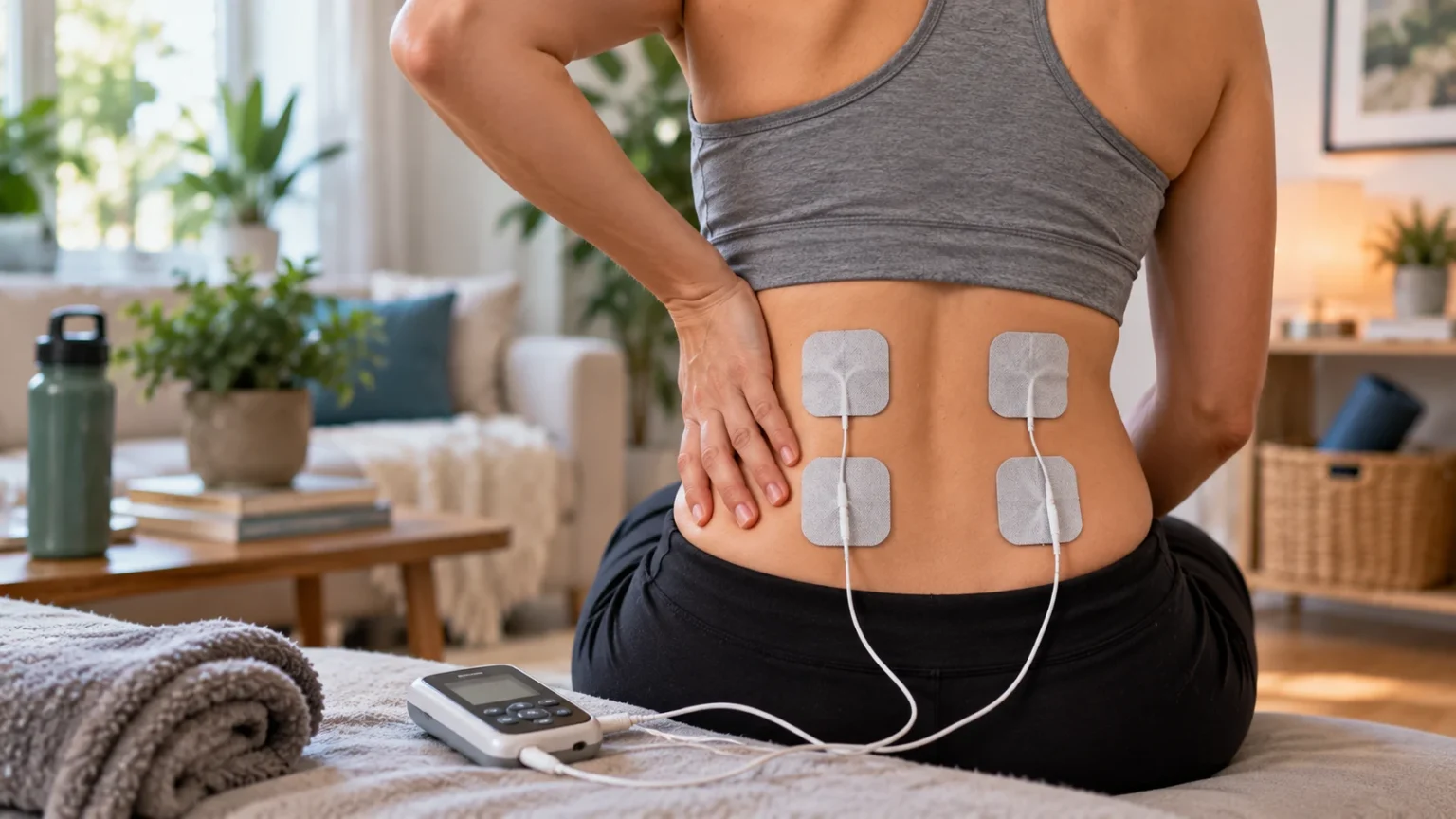
For lower back pain, electrode pads are usually placed around the painful area rather than directly over the spine itself. You might position two or four pads on the muscles on either side of the lower back. The exact arrangement depends on where symptoms are located and how many electrodes your device supports.
Leave enough space between the pads so the electrical current can travel through the intended area. Avoid placing pads on broken, irritated, infected, or numb skin. The skin should be clean and dry so the adhesive sticks properly and the stimulation remains consistent throughout the session.
Do not place electrodes directly across the chest, on the front or sides of the neck, or over areas where your device instructions specifically advise against use. If you are unsure about placement, follow the manufacturer’s guidance or ask a qualified healthcare professional familiar with TENS therapy.
How Strong Should a TENS Unit Feel?
The sensation should normally feel like a comfortable tingling, buzzing, or pulsing under the electrode pads. Start at a low intensity and increase gradually until the stimulation feels clearly noticeable. It should not feel sharp, burning, unpleasant, or strong enough that you immediately want to remove the pads.
More intensity does not automatically mean greater pain relief. Turning the device up too high may irritate the skin or make the session uncomfortable without providing additional benefit. The best setting is generally the strongest comfortable sensation you can tolerate without pain or significant muscle tightening.
You may notice that the sensation seems weaker after several minutes as your body adapts. Some devices allow small adjustments during the session if needed. Increase intensity carefully rather than suddenly making a large change, and stop if you develop unusual pain, dizziness, skin irritation, or another concerning reaction.
How Long Should You Use TENS for Back Pain?
Session length can vary depending on the device, settings, and guidance provided by a healthcare professional or manufacturer. Many people use TENS for short sessions rather than keeping it running continuously. Follow the instructions supplied with your specific unit because different devices may have different recommended usage patterns.
Your skin also needs attention during repeated sessions. Check underneath the pads for persistent redness, itching, blistering, or irritation. Mild temporary redness can occur where the adhesive sits, but significant skin changes are a reason to stop and allow the area to recover.
Using TENS all day is not necessarily better than using it strategically. Consider using it when pain interferes with movement, relaxation, or a rehabilitation session. If you find yourself needing increasingly long sessions just to function normally, it may be time to reassess the underlying cause of the pain.
Benefits of Using a TENS Unit for Back Pain
One potential benefit of TENS is that it offers a drug-free option for temporary pain relief. This can appeal to people who want another way to manage discomfort alongside exercise, physical therapy, or other treatments. It is also portable, so many units can be used at home or during certain daily activities.
TENS is relatively simple once you understand pad placement and intensity controls. You can adjust the sensation according to your comfort level and stop the treatment immediately if you do not like how it feels. This gives users more direct control than many passive clinic-based pain-relief methods.
The main limitation is that relief is often temporary and inconsistent. TENS should not be presented as a permanent fix for back pain. Its greatest value may be helping some people feel comfortable enough to move, exercise, or participate in rehabilitation while the underlying condition is managed separately.
TENS vs Massage and Other Relief Methods
TENS and massage work in different ways. TENS uses electrical stimulation at the skin, while massage applies manual pressure and movement to soft tissues. Both may provide temporary relief for some types of muscular discomfort, but neither approach should automatically be assumed to correct the underlying cause.
People interested in soft-tissue approaches may also explore sports massage alongside exercise and other recovery strategies. Massage can feel relaxing or reduce the sensation of muscular tension, while TENS offers an option that can be used independently once you understand how to operate the device safely.
Heat, gentle walking, mobility exercises, strengthening, and activity modification may also play a role depending on the cause of pain. You do not need to choose only one strategy. A combination of appropriate movement and short-term symptom-relief tools often makes more sense than depending on TENS alone.
When You Should Not Use a TENS Unit
People with certain implanted electrical devices, including some pacemakers or defibrillators, should not use TENS without medical guidance. Electrical stimulation could potentially interfere with device function. If you have an implanted medical device, speak with your healthcare professional before considering TENS.
TENS should also be used cautiously during pregnancy, particularly around the abdomen, pelvis, or lower back, unless a qualified clinician specifically recommends it. Avoid placing electrodes over broken skin, areas with reduced sensation, active infection, or locations where you cannot accurately judge the strength of stimulation.
Do not use TENS while driving, operating machinery, sleeping, bathing, or doing activities where sudden muscle sensation could create a safety risk. You should also stop treatment if you experience chest pain, faintness, severe dizziness, unusual weakness, or any symptom that feels medically concerning.
Common TENS Mistakes to Avoid
One common mistake is placing the pads randomly without considering where the pain is located. Electrodes should usually surround or bracket the painful area while staying on healthy skin. Poor placement can make stimulation uncomfortable or reduce the chance that the session provides useful relief.
Another mistake is assuming maximum intensity is best. Excessive stimulation may make the muscles jump or create an unpleasant sensation. Gradual adjustment is safer and usually more comfortable, especially for beginners who are still learning how their device behaves at different settings.
Some people also rely on TENS while ignoring persistent symptoms that need assessment. If pain repeatedly returns, becomes more severe, or begins affecting strength or sensation, symptom relief alone is not enough. Use TENS as one tool within a broader back-care plan rather than as a substitute for diagnosis.
Combining TENS With Exercise and Rehabilitation
TENS can sometimes make movement more comfortable, which may help people participate in gentle exercise or physical therapy. If the stimulation reduces pain enough to walk or perform prescribed exercises more easily, it may be useful as part of a broader rehabilitation strategy. However, you should still respect pain that becomes sharp or progressively worse.
Strengthening the hips, legs, and trunk may be important for some types of mechanical back pain. Walking and gradual return to normal activity can also help maintain function. The appropriate exercises depend on the cause of symptoms, your current capacity, and whether movement produces nerve-related signs.
Do not use TENS to numb significant pain so you can push through heavy lifting or intense exercise. Pain reduction can change your perception without increasing tissue capacity. Progress activity based on your overall recovery and tolerance, not simply on how comfortable the back feels while the TENS unit is operating.
When Back Pain Needs Medical Attention
Seek urgent medical care if back pain occurs with new bladder or bowel control problems, numbness around the groin or saddle area, or significant weakness in one or both legs. These symptoms may indicate serious nerve involvement and should not be managed with home pain-relief devices alone.
Medical evaluation is also important after major trauma or when pain is accompanied by fever, unexplained weight loss, severe illness, or rapidly worsening symptoms. Persistent pain that repeatedly disrupts sleep, work, or normal walking should also be assessed even if no urgent warning signs are present.
A healthcare professional can evaluate movement, strength, sensation, reflexes, and other features to determine whether additional testing or treatment is needed. TENS may still be included in the plan, but knowing the likely cause of pain helps ensure that symptom relief does not delay more appropriate care.
Best Practices for Using TENS Safely
Read the instructions for your specific device before the first session because settings and electrode recommendations can vary. Start with clean skin, inspect the pads, and use a low intensity initially. Increase gradually until you feel a clear but comfortable stimulation around the painful area.
Remove the pads carefully rather than pulling them quickly from the skin. Store reusable electrodes according to the manufacturer’s instructions so they remain adhesive and clean. Replacing worn pads can improve comfort because damaged electrodes may create uneven stimulation or irritate the skin.
Most importantly, evaluate whether TENS is actually helping. If it consistently reduces pain enough to improve daily function, it may be a useful supportive tool. If you notice no benefit after several appropriate attempts, continuing indefinitely is unlikely to be valuable, and other management strategies may deserve more attention.
Conclusion
A TENS unit uses low-voltage electrical stimulation through adhesive pads placed on the skin to help some people temporarily manage back pain. It may alter how pain signals are perceived and can provide short-term comfort during certain activities. The response varies, so not everyone experiences meaningful relief.
Safe use depends on correct pad placement, comfortable intensity, sensible session duration, and awareness of situations where electrical stimulation should be avoided. TENS works best as a supportive pain-management option rather than as a cure for muscle, joint, disc, or nerve-related conditions.
If back pain is severe, persistent, worsening, or associated with neurological warning signs, seek medical evaluation rather than relying solely on a TENS device. When used appropriately, TENS can complement exercise, rehabilitation, massage, and other strategies aimed at improving comfort and restoring normal movement.
FAQs
Does a TENS unit really help back pain?
A TENS unit may provide temporary pain relief for some people, but results vary. It generally works best as a symptom-management tool alongside appropriate movement, rehabilitation, or medical care.
Where should I place TENS pads for lower back pain?
Pads are commonly placed on the muscles around the painful area, often on both sides of the lower back. Avoid placing them directly on damaged skin or prohibited areas.
How strong should a TENS unit be?
Use a clearly noticeable but comfortable tingling sensation. The intensity should not feel painful, burning, or strong enough to create forceful muscle contractions.
Can I use a TENS unit every day?
Some people use TENS regularly, but frequency should follow the device instructions and professional guidance when applicable. Monitor your skin and stop if repeated use causes irritation or discomfort.
Who should avoid using a TENS unit?
People with certain implanted electrical devices, some pregnant individuals, and anyone with specific medical conditions should seek professional guidance first. TENS should also not be placed over broken or numb skin.