

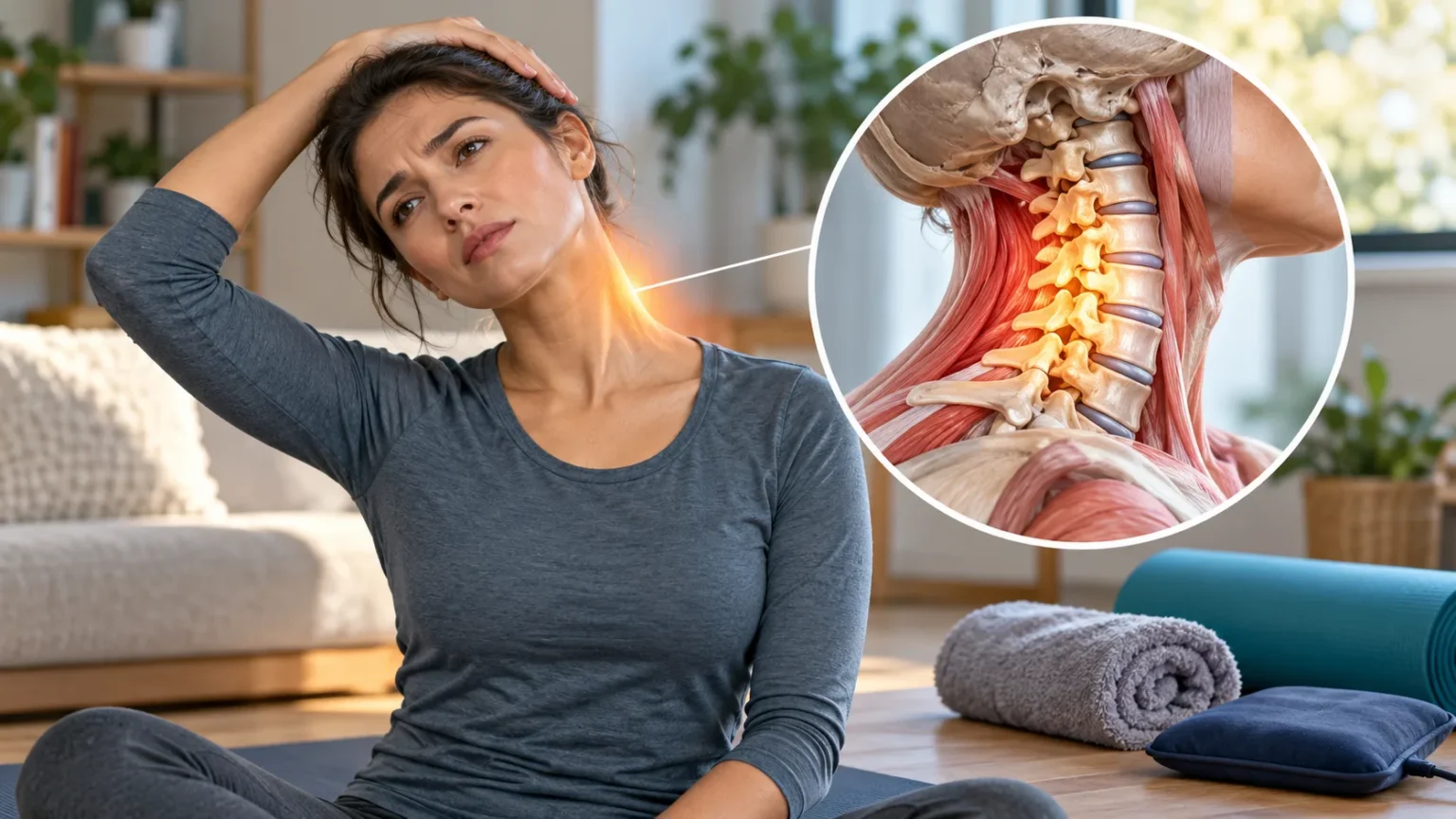

Neck stiffness can make everyday activities uncomfortable, especially when you spend long hours working at a computer, looking at your phone, or sleeping in an awkward position. Sometimes, turning your head produces a popping or cracking sound that seems to provide temporary relief. This experience often leaves people wondering how to pop their neck and whether doing so is safe.
Although occasional neck popping can happen during normal movement, deliberately forcing your neck to crack is not recommended. The cervical spine contains important joints, nerves, and blood vessels that require careful movement. Understanding why neck popping happens, the risks of forceful manipulation, and safer ways to manage stiffness can help you protect your neck health.
What Does It Mean to Pop Your Neck?
Neck popping refers to the clicking, cracking, or popping sounds that sometimes occur when you move your head or neck. These sounds may happen during ordinary activities such as looking over your shoulder or gently stretching. In many cases, occasional painless neck popping is harmless and does not indicate a serious problem with the cervical spine.
The neck contains seven cervical vertebrae connected by joints, ligaments, muscles, and other supporting structures. These components work together to allow movements such as turning, bending, and tilting your head. When the joints move, changes within the joint fluid or movement of surrounding tissues can occasionally create noticeable sounds.
Some people associate neck popping with immediate relief from stiffness or tension. However, the sound itself does not necessarily mean that a joint has been corrected or returned to its proper position. Any temporary relief may relate to movement, changes in muscle tension, or the nervous system’s response rather than a structural adjustment.
Why Does Your Neck Make Cracking or Popping Sounds?
One common explanation for joint popping involves changes in pressure within the fluid-filled spaces of synovial joints. These pressure changes can lead to the formation of a gas-filled cavity, producing a cracking sound. This process, known as joint cavitation, can occur in several parts of the body, including some joints of the cervical spine.
Neck sounds may also originate from tendons, ligaments, or other tissues moving across nearby structures. As your head changes position, these tissues can shift and occasionally produce clicking sensations. The exact mechanism behind every neck sound is not always clear, particularly when several joints and soft tissues are moving together.
Age-related changes in the cervical spine can sometimes contribute to grinding or crackling sensations called crepitus. These sounds may result from changes in joint surfaces or surrounding tissues. While painless crepitus is not always concerning, sounds accompanied by persistent pain, weakness, or reduced movement deserve professional medical evaluation.
How to Pop Your Neck Without Hurting Yourself?
The safest approach is to avoid deliberately forcing your neck to pop. You do not need to produce a cracking sound to improve flexibility or relieve ordinary muscle tension. Instead, allow your neck to move naturally within a comfortable range, without applying sudden pressure or using your hands to twist your head.
If your neck feels stiff, begin with relaxed, gentle movements rather than attempting an adjustment. Slowly look slightly to the left and right, return to the center, and avoid positions that provoke discomfort. Keep the movement controlled, breathe normally, and stop if you experience pain, dizziness, or unusual sensations.
You may occasionally hear a natural pop during comfortable movement, but producing that sound should never be your goal. Avoid forceful twisting, rapid jerking, or asking another person to crack your neck. Gentle mobility exercises are generally a more appropriate starting point for managing uncomplicated stiffness than intentional neck manipulation.
Is Popping Your Neck Dangerous?
Occasional painless cracking during normal neck movement is usually not dangerous. However, repeatedly forcing your neck to pop may irritate sensitive joints, muscles, or surrounding tissues. Sudden twisting or excessive pressure can place unnecessary stress on the cervical spine, particularly when an existing injury or medical condition is present.
Forceful neck manipulation also carries a rare but potentially serious concern involving the arteries supplying blood to the brain. Cervical artery dissection can occur in association with neck trauma or movement, and cases have been reported around manipulation. The precise relationship between neck manipulation and arterial dissection remains complex, but the potential severity warrants caution.
People with osteoporosis, spinal instability, certain connective tissue disorders, or previous neck injuries may face additional concerns with forceful movements. Deliberately cracking the neck is not necessary for maintaining healthy joints. If you frequently feel compelled to manipulate your neck because of discomfort, a healthcare professional can help identify the underlying cause.
Common Reasons Your Neck Feels Stiff
Prolonged periods in one position can contribute to temporary neck stiffness. Working at a computer, reading, or looking downward at a phone may cause the surrounding muscles to feel tired or uncomfortable. Although there is no single perfect posture, remaining relatively still for extended periods can make movement feel less natural.
Sleep position and pillow support may also influence morning neck discomfort. A pillow that leaves your head in an uncomfortable position can contribute to muscular tension overnight. However, neck stiffness has several possible causes, and changing pillows alone may not resolve persistent symptoms, particularly when pain comes from underlying joints or nerves.
Stress, unfamiliar exercise, and muscular strain may also contribute to neck tension. In some cases, arthritis, nerve irritation, or other cervical spine conditions can cause ongoing discomfort. Understanding whether your symptoms relate to temporary muscular fatigue or a medical condition is important before attempting stretches, exercises, or other forms of relief.
Gentle Neck Stretches for Safer Relief
Gentle neck stretches may help improve comfortable movement when stiffness is related to temporary muscular tension. One option is a controlled side-bending movement performed while sitting upright in a supportive chair. Slowly tilt your ear toward the same-side shoulder until you notice a mild stretching sensation, without pulling your head with your hand.
Another option is gentle neck rotation, which involves slowly turning your head from side to side. Keep your shoulders relaxed and move only through a range that feels comfortable. Rather than aiming for maximum rotation, concentrate on maintaining smooth, controlled movement while allowing your neck muscles to remain relatively relaxed.
You can also practice small chin-nod movements to explore comfortable cervical motion. Begin with your head in a neutral position and gently nod as though making a subtle agreement gesture. Avoid deep stretching, rapid movements, and large neck circles if they trigger symptoms, and stop any exercise that produces worsening pain or dizziness.
Chin Tucks for Neck Alignment and Mobility
Chin tucks are commonly used in rehabilitation programs to train controlled head and neck positioning. The movement involves gently drawing your chin backward without tipping your head dramatically upward or downward. It can help activate certain deep neck muscles and improve awareness of cervical positioning during everyday activities.
To begin, sit comfortably with your back supported and your eyes looking forward. Slowly move your head straight backward, creating a small double-chin motion while keeping your gaze level. Hold the position briefly if comfortable, then relax and return to your natural resting position without forcing the movement.
Chin tucks should feel gentle rather than demanding, and you do not need to perform large repetitions to benefit from practicing control. Avoid pressing your head backward aggressively or continuing if symptoms worsen. People with existing cervical conditions may need modifications, so individualized guidance can be helpful when standard movements are uncomfortable.
Using Heat and Cold for Neck Stiffness
Heat therapy may provide temporary relief when neck discomfort involves muscular tension or stiffness. Applying a comfortably warm compress can help create a relaxing sensation and make gentle movement feel easier. Always place a protective layer between your skin and the heat source to avoid irritation or burns.
Cold therapy may be useful for certain recent minor injuries or localized soreness. A wrapped cold pack can temporarily reduce pain sensation, particularly when the affected area feels irritated. Avoid applying ice directly to your skin or leaving a cold pack in place long enough to cause numbness or skin discomfort.
Neither heat nor cold treats every cause of neck pain, and their effects may differ between individuals. Choose whichever approach feels comfortable and appropriate for your symptoms. If neck pain follows significant trauma, becomes severe, or develops alongside neurological symptoms, seek medical assessment instead of relying on home remedies.
How Posture and Desk Habits Affect Neck Comfort
Workstation habits can influence neck comfort, especially when you spend several hours using a computer or digital device. Looking downward for long periods or holding your head in one position may contribute to muscular fatigue. However, ordinary variations in posture are not automatically harmful, and movement variety often matters more than maintaining a rigid position.
Adjust your screen so you can view it comfortably without constantly bending or extending your neck. Keep frequently used items within easy reach and use a chair that provides adequate support. A suitable workstation should encourage comfortable movement rather than forcing your body into an unnatural or excessively upright position.
Taking regular breaks can help reduce discomfort associated with prolonged sitting or screen use. Stand up, walk briefly, and gently change your head and shoulder positions when practical. These small adjustments may improve everyday comfort while reducing the temptation to repeatedly crack your neck for temporary relief.
Neck Strengthening Exercises for Long-Term Support
Strengthening exercises can support the muscles responsible for controlling head and cervical spine movement. Unlike stretching, which focuses primarily on flexibility and movement tolerance, strengthening helps muscles manage physical demands. Appropriate neck and upper-back exercises may be useful for people experiencing recurring discomfort, especially when included in a personalized rehabilitation program.
Gentle isometric exercises are one option sometimes recommended by physical therapists. These involve activating muscles while keeping the neck relatively still, using carefully controlled resistance. However, the appropriate direction and intensity depend on individual symptoms, and people with unexplained neck pain should seek guidance before applying resistance to the head.
Upper-back strengthening may also complement neck-focused exercises because the shoulder girdle and thoracic spine contribute to comfortable movement. Exercises such as gentle shoulder-blade squeezes can be performed without attempting to crack the neck. Progress gradually and avoid movements that create pain, dizziness, headaches, or unusual symptoms.
Why You Should Avoid Repeatedly Cracking Your Neck
Frequently forcing your neck to crack may become a habit when you associate the sound with relief. However, the temporary sensation does not necessarily address the reason your neck feels uncomfortable. Repeated manipulation may irritate sensitive tissues, particularly when it involves forceful twisting or large movements outside your normal comfortable range.
Sometimes, recurring stiffness reflects prolonged inactivity, muscular fatigue, stress, or another underlying problem. Attempting to crack your neck whenever discomfort develops can distract from more useful approaches, such as regular movement breaks, appropriate strengthening, and improved workstation comfort. Identifying the contributing factors may provide a more sustainable way to manage symptoms.
If your neck constantly feels restricted or uncomfortable, consider discussing the problem with a qualified healthcare professional. A physical therapist can assess movement, muscular strength, and related factors before recommending suitable exercises. The goal should be improving comfortable function rather than achieving a particular sound or repeatedly forcing the joints to move.
When to See a Doctor for Neck Pain or Popping
Medical assessment is advisable when neck popping occurs alongside persistent pain, significant stiffness, or difficulty moving your head. Symptoms extending into the shoulders, arms, or hands may suggest nerve involvement, particularly when accompanied by tingling or weakness. A clinician can assess your symptoms and determine whether further evaluation is needed.
Seek urgent medical attention for sudden severe neck pain or an unusual, intense headache, especially after neck trauma or manipulation. Sudden dizziness accompanied by difficulty walking, double vision, slurred speech, facial drooping, or weakness can indicate a serious neurological or vascular problem. These symptoms require emergency care rather than home stretching or massage.
Neck stiffness accompanied by fever, a severe headache, confusion, or significant illness also requires urgent evaluation. Pain following a major accident or fall should be assessed before attempting neck exercises. Recognizing warning signs helps distinguish ordinary muscular discomfort from conditions that require prompt diagnosis and professional treatment.
Conclusion
Neck popping is a common experience that can occur during normal movement of the cervical spine. Occasional painless sounds are often harmless, but deliberately forcing your neck to crack is unnecessary and can involve avoidable risks. Understanding how neck joints and surrounding tissues work helps explain why cracking sounds do not necessarily indicate improved alignment.
Safer relief options include gentle mobility exercises, suitable strengthening activities, comfortable workstation adjustments, and appropriate heat or cold therapy. These approaches focus on managing muscular tension and improving movement without requiring forceful manipulation. Choosing comfortable movements and maintaining regular physical activity may provide more useful long-term benefits than repeatedly attempting to pop your neck.
Persistent pain, recurring stiffness, or symptoms involving weakness, dizziness, or unusual headaches deserve professional medical attention. A qualified healthcare provider can assess possible causes and recommend appropriate treatment. Protecting your cervical spine means prioritizing controlled movement, avoiding unnecessary force, and responding promptly when symptoms suggest something more serious than ordinary tension.
Frequently Asked Questions
Is it safe to pop your own neck?
Occasional painless neck popping during normal movement is usually harmless. However, deliberately forcing your neck to crack through twisting or sudden pressure is not recommended because it can irritate tissues and carries potential risks.
Why does my neck crack when I turn my head?
Neck cracking may result from pressure changes within joints or movement of nearby tissues. Occasional painless sounds are common, but cracking accompanied by persistent pain, weakness, or restricted movement should be evaluated.
Can popping your neck cause a stroke?
Cervical artery dissection, which can lead to stroke, has rarely been reported in association with neck manipulation. The exact causal relationship is complex, but forceful neck twisting should be avoided because of potential serious complications.
How can I relieve neck stiffness without cracking it?
Gentle neck movements, comfortable stretching, regular activity breaks, and appropriate heat therapy may help relieve temporary stiffness. Persistent discomfort may benefit from targeted exercises or assessment by a healthcare professional.
When should I worry about neck popping?
Seek medical assessment if popping occurs with persistent pain, weakness, numbness, or worsening stiffness. Sudden severe headache, unusual neck pain, speech difficulties, or problems with balance require immediate medical attention.