
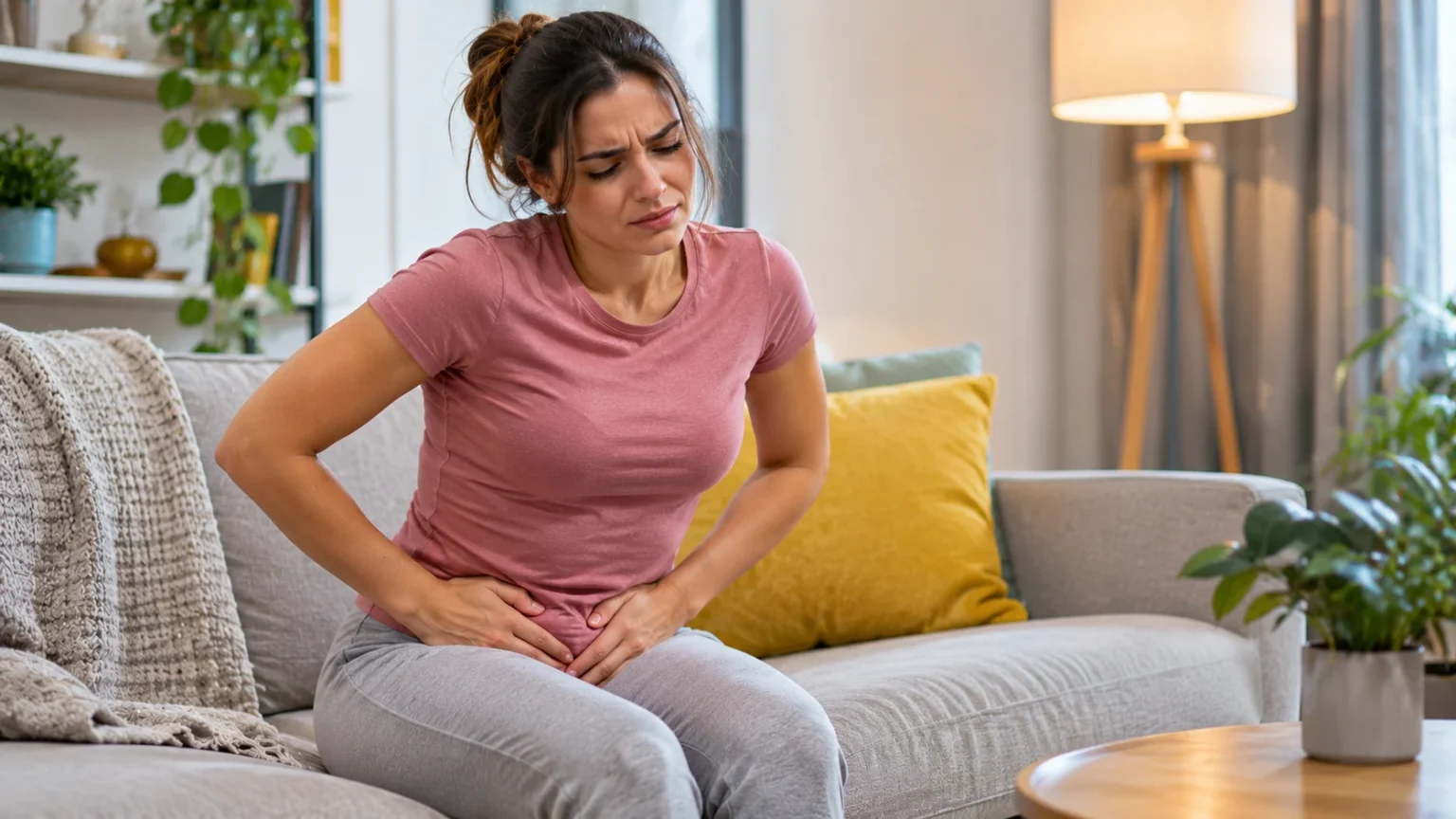

Female groin pain can make everyday activities such as walking, sitting, exercising, or climbing stairs uncomfortable. The pain may appear suddenly after physical activity or develop gradually without an obvious cause. While some cases result from minor muscle strains, others may involve the hip joint, urinary system, reproductive organs, or surrounding nerves.
Understanding the possible causes of groin pain in women can help you recognize symptoms and choose appropriate next steps. The discomfort may feel sharp, dull, burning, or pulling, depending on the affected area. This guide explains common causes of female groin pain, available treatment options, safe home remedies, and warning signs that require medical attention.
What Is Female Groin Pain?
Female groin pain refers to discomfort in the area where the lower abdomen meets the upper inner thigh. This region contains muscles, tendons, ligaments, nerves, and structures connected to the hip and pelvis. Pain can develop when these tissues become irritated, strained, inflamed, or affected by an underlying medical condition requiring further evaluation.
The discomfort may occur on the left side, right side, or both sides of the groin. Some women experience pain only during movement, while others notice symptoms when sitting, resting, or changing positions. The location, intensity, and duration of pain can provide useful clues about its possible cause, although symptoms alone cannot confirm a diagnosis.
Groin pain can also spread toward the lower abdomen, hip, pelvis, or upper thigh. This happens because several structures in these regions share nerves and movement patterns. Although occasional mild discomfort may improve with rest, persistent or worsening pain deserves medical attention to identify the underlying problem and prevent unnecessary complications.
Muscle Strains and Physical Activity Injuries
Muscle strains are among the common causes of groin pain in women, particularly after exercise or sudden movement. The inner thigh muscles, known as adductors, help bring the legs together and stabilize the hips. These muscles may become overstretched during running, dancing, sports, or activities involving rapid changes in direction.
A groin strain may cause tenderness, swelling, weakness, or discomfort when moving the leg inward. Some people experience a sudden pulling sensation during physical activity, while others develop soreness afterward. The pain often becomes more noticeable when walking quickly, climbing stairs, or performing movements that stretch the affected muscles.
Mild strains often improve with temporary activity modification and appropriate home care. Avoid movements that increase pain, and return to exercise gradually as symptoms improve. Severe muscle injuries may require professional assessment and rehabilitation, especially when pain is intense, swelling develops, or normal walking becomes difficult.
Hip Problems That Cause Groin Pain in Women
The hip joint is another important source of female groin pain because discomfort from this area often travels toward the upper inner thigh. Conditions such as hip osteoarthritis, joint inflammation, or labral injuries can affect movement and comfort. Symptoms may develop gradually or appear after an injury, depending on the underlying condition.
Hip osteoarthritis occurs when joint tissues change over time, sometimes leading to stiffness, discomfort, and reduced mobility. Pain may become more noticeable after prolonged activity or when standing up from a seated position. Although more common in older adults, hip pain can also affect younger women because of injuries or other joint conditions.
Another possible cause is hip impingement, where the shape of the hip joint contributes to uncomfortable contact during certain movements. Some people notice groin pain when squatting, sitting deeply, or rotating the hip. Medical assessment can help distinguish joint problems from muscular injuries and identify treatment options that support comfortable movement.
Menstrual and Reproductive Causes of Groin Pain
Female groin pain may sometimes originate from reproductive structures within the pelvis. Menstrual cramps can cause discomfort in the lower abdomen that spreads toward the groin, hips, or thighs. These symptoms often occur before or during menstruation because uterine contractions and inflammatory substances contribute to temporary pelvic discomfort.
Endometriosis is another condition that may cause recurring pelvic or groin-related pain. It occurs when tissue similar to the uterine lining grows outside the uterus, sometimes affecting nearby structures. Symptoms may include painful periods, discomfort during bowel movements, and ongoing pelvic pain, although the severity and location vary between individuals.
Ovarian cysts can also contribute to lower abdominal or pelvic discomfort that extends toward the groin. Many cysts cause no symptoms and resolve naturally, but some may cause pressure or pain. Sudden severe one-sided pelvic pain, especially with nausea or vomiting, requires emergency evaluation because ovarian torsion or other urgent conditions may be present.
Urinary and Digestive Conditions Behind Groin Pain
Urinary tract infections can sometimes cause discomfort around the lower abdomen, pelvis, or groin. Common symptoms include burning during urination, frequent urination, and a persistent need to empty the bladder. Some women also experience pressure around the pelvic region, making it important to consider urinary symptoms when identifying possible causes of groin discomfort.
Kidney stones are another possible cause of pain that spreads toward the groin. When a stone moves through the urinary tract, it may cause intense pain in the back or side that radiates downward. Nausea, urinary discomfort, or blood in the urine may also occur, depending on the stone’s location.
Digestive conditions can sometimes produce discomfort near the groin because abdominal pain may spread into surrounding areas. Constipation, bowel inflammation, and appendicitis are examples of conditions that can cause lower abdominal symptoms. Persistent or severe abdominal pain, especially with fever, vomiting, or increasing tenderness, should receive prompt medical evaluation rather than home treatment alone.
Hernias and Swollen Lymph Nodes in the Groin
A hernia develops when internal tissue pushes through a weakened area of muscle or connective tissue. Inguinal and femoral hernias can occur in women and may cause pain, pressure, or a noticeable lump around the groin. Symptoms sometimes become more obvious when coughing, lifting objects, standing for long periods, or performing strenuous activities.
Femoral hernias deserve particular attention because they have a greater risk of becoming trapped and developing serious complications. A painful groin lump that cannot be pushed back, especially with vomiting or severe abdominal discomfort, needs emergency medical assessment. Hernias do not usually heal through stretching or strengthening exercises and may require surgical treatment.
Swollen lymph nodes can also create tenderness or small lumps in the groin region. These glands may enlarge when the body responds to infections or inflammation affecting nearby areas. Although swelling often improves when the underlying problem resolves, lumps that persist, enlarge, or develop without an obvious explanation should be examined by a healthcare professional.
Female Groin Pain During Pregnancy
Groin pain during pregnancy may occur because of changes in posture, weight distribution, and supporting tissues around the pelvis. As pregnancy progresses, additional pressure can develop around the hips and pelvic joints. Some pregnant women experience discomfort when walking, climbing stairs, turning in bed, or standing on one leg.
Round ligament pain is one possible explanation for sharp or pulling discomfort in the lower abdomen and groin during pregnancy. It occurs as the ligaments supporting the uterus stretch with physical changes. The pain may appear during sudden movements, coughing, or standing up quickly, and it commonly improves with rest or position adjustments.
Pregnancy-related pelvic girdle pain can also affect the groin, hips, and lower back. Gentle movement, supportive positioning, and professional physiotherapy may help manage symptoms. However, severe pain, vaginal bleeding, fainting, or significant one-sided abdominal discomfort during pregnancy requires urgent medical assessment to exclude potentially serious conditions.
Nerve Irritation and Pelvic Floor Muscle Problems
Nerves passing through the pelvis and groin can sometimes become irritated or compressed, leading to discomfort. Depending on the affected nerve, symptoms may include burning, tingling, numbness, or shooting pain. Nerve-related discomfort can be associated with injury, prolonged pressure, certain medical conditions, or changes involving nearby muscles and joints.
The pelvic floor muscles also play an important role in supporting pelvic organs and coordinating bladder and bowel functions. When these muscles remain overly tense or have difficulty relaxing, discomfort may develop in the pelvis, groin, or surrounding areas. Some people also experience urinary urgency, constipation, or pain with certain movements.
Pelvic floor physical therapy may help when muscle tension or coordination problems contribute to symptoms. Treatment can include relaxation techniques, breathing exercises, movement guidance, and individualized muscle training. Importantly, strengthening exercises such as Kegels are not appropriate for everyone, particularly when excessive pelvic floor tension is already contributing to pain.
What Different Groin Pain Symptoms May Indicate
The way groin pain feels can offer useful information about its possible source. Sharp pain after sudden movement may suggest a muscle injury, while stiffness during hip rotation may indicate a joint-related problem. Burning discomfort, tingling, or numbness can sometimes suggest nerve involvement, although several different conditions may produce similar symptoms.
The timing of symptoms is another important detail to consider when discussing groin pain with a healthcare professional. Discomfort connected to menstruation may suggest a pelvic or reproductive condition, while pain during urination could indicate a urinary problem. Pain that develops during physical activity may be associated with muscles, tendons, or hip structures.
Location alone cannot reliably identify the cause of female groin pain. For example, right-sided pain may originate from muscles, the hip, reproductive organs, or abdominal conditions such as appendicitis. Sudden severe pain, fever, vomiting, fainting, or difficulty walking should never be ignored, especially when the symptoms are new or rapidly worsening.
How to Relieve Female Groin Pain at Home
For mild groin pain caused by a suspected muscle strain, temporarily reducing painful activities may provide relief. Avoid heavy lifting, intense exercise, or repetitive movements that worsen symptoms. Gentle everyday movement may still be helpful when comfortable, but prolonged inactivity is not usually necessary for uncomplicated minor muscle injuries.
Applying a cold pack wrapped in a towel for approximately 15 to 20 minutes may help ease discomfort after a recent muscle injury. Never place ice directly against the skin, and allow appropriate breaks between applications. Gentle warmth may feel soothing for some types of muscle stiffness, provided there is no significant swelling or acute injury.
Comfortable sleeping positions and supportive pillows may also reduce unnecessary pressure around the hips and pelvis. Some people benefit from placing a pillow between their knees while resting on their side. Over-the-counter pain relief may be appropriate for certain individuals, but medication choices should follow label directions and professional guidance, particularly during pregnancy.
Medical Treatment and Preventing Recurring Groin Pain
Medical treatment for female groin pain depends on the underlying cause rather than the location of discomfort alone. A healthcare professional may ask about symptoms, perform a physical examination, and recommend tests when necessary. Imaging, urine testing, or other investigations may help identify joint injuries, infections, hernias, or conditions involving the reproductive organs.
Treatment options vary considerably between medical conditions. Muscle injuries may benefit from physiotherapy and gradual rehabilitation, while urinary infections may require prescribed antibiotics. Some hernias and urgent reproductive conditions require surgery, so identifying the actual cause is essential before choosing exercises, medications, or other treatment approaches.
Preventing recurring muscle-related groin pain may involve gradual exercise progression, appropriate warm-ups, and strengthening the hips and surrounding muscles. Maintaining comfortable movement habits and addressing early symptoms can help reduce repeated strain. However, unexplained, persistent, or frequently returning groin discomfort should be assessed medically instead of assuming that exercise or stretching will resolve it.
Conclusion
Female groin pain can develop from several different causes, including muscle strains, hip conditions, urinary problems, hernias, and reproductive disorders. The symptoms may range from mild discomfort to intense pain that affects everyday movement. Understanding the possible sources of pain can help women recognize when simple adjustments may help and when professional evaluation is necessary.
Mild muscular discomfort may improve with temporary activity modification, gentle movement, and appropriate supportive care. However, persistent symptoms, painful swelling, urinary changes, or worsening pelvic discomfort should not be overlooked. Sudden severe pain, especially when accompanied by vomiting, fainting, fever, or pregnancy-related concerns, requires urgent medical attention.
Managing groin pain effectively begins with identifying its underlying cause and choosing treatment that matches the diagnosis. Avoid pushing through significant pain or relying on exercises before understanding the problem. With appropriate medical guidance, practical lifestyle adjustments, and suitable rehabilitation when needed, many women can improve comfort and return to their usual daily activities.
Frequently Asked Questions (FAQs)
What is the most common cause of groin pain in women?
Muscle strains and hip-related problems are common causes, especially after physical activity. However, urinary infections, reproductive conditions, and hernias can also cause groin discomfort, depending on the symptoms.
Why does my groin hurt on one side?
One-sided groin pain may result from a muscle strain, hip condition, ovarian cyst, or urinary problem. Sudden severe pain requires urgent medical evaluation, particularly when accompanied by nausea or vomiting.
Can female groin pain go away on its own?
Mild pain caused by temporary muscle strain may improve with rest and activity adjustments. However, persistent, worsening, or unexplained groin pain should be evaluated because some underlying conditions require medical treatment.
When should I worry about groin pain?
Seek urgent medical attention for sudden severe pain, fainting, vomiting, fever, or a painful groin lump. Pregnancy-related pain with bleeding or severe one-sided discomfort also requires immediate assessment.
What is the best treatment for female groin pain?
The best treatment depends on the underlying cause. Muscle strains may respond to gradual rehabilitation, while infections, hernias, and reproductive conditions can require medication, specialized care, or surgery.