


Blue Poop: What It Means and When to Worry
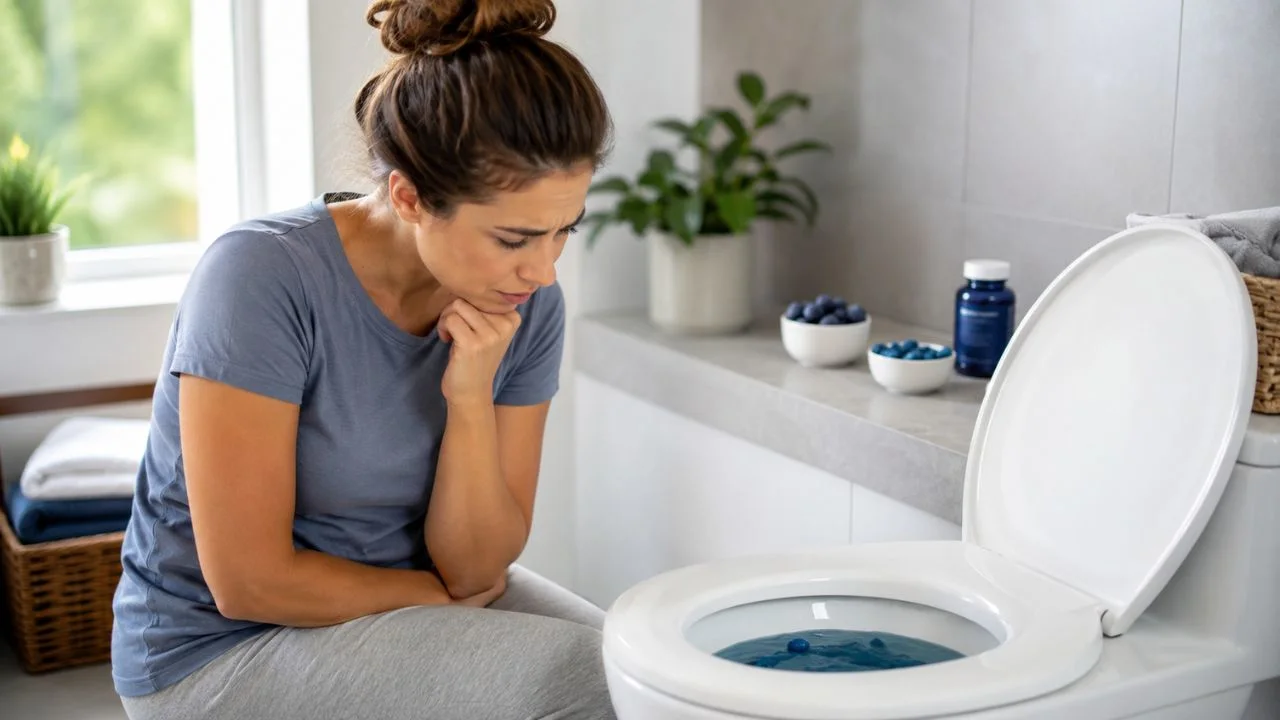
Seeing blue poop in the toilet can be surprising, especially when your bowel movements are normally brown. In most cases, an unusual blue or blue-green stool is connected to something you recently ate or drank. Strong artificial coloring can travel through the digestive system without completely breaking down.
True blue stool is uncommon, and what appears blue may actually be dark green, blue-green or nearly black. Bathroom lighting, toilet water, cleaning products and the color of the bowl can also affect how the stool looks. Checking it under normal lighting may provide a more accurate impression.
Food dyes are the most likely explanation when blue poop appears once and you otherwise feel well. Blue frosting, brightly colored sweets, sports drinks, frozen treats and decorated cakes can temporarily change stool color. Natural dark pigments from certain foods may create a similar effect.
However, stool color should not be considered separately from other symptoms. Persistent color changes, severe diarrhea, abdominal pain, fever, dehydration, blood or black tar-like stool deserve medical attention. Your overall health and bowel pattern matter more than one unusual-looking bowel movement.
Key Takeaways
Blue poop is usually caused by artificial food coloring or strongly pigmented foods. It may appear after eating blue cake icing, candy, cereal, ice pops or colored drinks. The color commonly disappears after the food has moved completely through the digestive system.
Some supposedly blue stool is actually green. Bile naturally begins as a yellow-green digestive fluid and normally changes as it passes through the intestines. When stool moves too quickly, the bile may remain green or combine with blue food dye to create a blue-green appearance.
A single episode is generally less concerning when you feel healthy and can identify a recent dietary cause. It is helpful to remember everything you consumed during the previous two or three days, including snacks, drinks, supplements, medicines and foods with brightly colored icing.
Medical advice is appropriate when the unusual color continues without an obvious cause or occurs with significant symptoms. Bright red blood, black tar-like stool and white or clay-colored bowel movements are more concerning color changes and should not be mistaken for harmless blue dye.
What Does Blue Poop Mean?
Stool gets its normal brown color from bile pigments that change as food moves through the digestive tract. Its final appearance is also influenced by food, medicines, supplements and how quickly the intestines move. A temporary color change does not necessarily mean something is wrong.
Blue stool most commonly means that a strong pigment passed through the digestive system. The body can absorb or break down some coloring, but enough may remain to affect the bowel movement. The result may be bright blue, navy, turquoise or greenish-blue.
The amount of coloring needed to change poop differs from person to person. Children may develop colorful stool after eating a relatively small amount of dyed food, while adults may notice it after consuming several brightly colored products within a short period.
Color alone cannot provide a diagnosis. Consider the consistency, smell, frequency and presence of mucus or blood. A formed blue stool after a decorated birthday cake is different from repeated blue-green watery diarrhea accompanied by fever, vomiting or severe stomach cramps.
Food Coloring Is the Most Common Cause
Artificial food dyes are added to many sweets, baked goods, beverages and processed snacks. Bright blue icing can contain a concentrated amount of pigment, particularly on heavily decorated cakes or cupcakes. That pigment may remain visible after passing through the intestines.
Blue candy, gummies, cereal, gelatin, chewing gum, slush drinks and ice pops are other possible causes. Some products contain several colors that combine during digestion. A purple product, for example, may contain both blue and red dyes that affect the final stool color.
The change may not happen immediately after eating the food. Digestion can take many hours, so the cause may be something consumed the previous day or even earlier. People often forget about a colorful snack because it seemed too small to affect their bowel movements.
Food-related stool discoloration normally fades after the pigment has passed. Depending on your digestion and how much coloring you consumed, this may take one or several bowel movements. Continued blue poop without further exposure deserves a closer look at other possible explanations.
Can Blueberries Make Your Poop Blue?
Blueberries contain dark natural pigments called anthocyanins. Eating a normal serving may not visibly change your stool, but consuming a large quantity can make it appear darker. The result is more likely to look dark green, blue-green or nearly black than bright blue.
The effect can be stronger when blueberries are eaten with other pigmented foods. A smoothie containing blueberries, dark grapes, spinach and artificial coloring may produce a bowel movement with an unusual shade. The mixture can make the original dietary cause difficult to recognise.
Dark berries may also leave small skins or fragments in the stool. These pieces can appear black or blue and may be mistaken for blood. Food fragments usually have an identifiable shape and occur shortly after eating the food, but uncertainty should be discussed with a clinician.
Very dark stool should not automatically be blamed on blueberries, especially when it looks sticky, shiny or tar-like. Black tarry stool may represent bleeding higher in the digestive tract and requires prompt medical attention. Blueberries can darken stool, but they should not delay evaluation of concerning symptoms.
Why Blue Poop May Actually Be Green
Human color perception is not always precise, particularly under artificial bathroom lighting. A dark green bowel movement may appear navy or blue when viewed in toilet water. Taking a clear look before flushing can help you decide whether the stool is truly blue.
Green stool is more common than blue stool. It can result from leafy vegetables, food coloring, iron supplements or rapid movement through the intestines. It may be completely harmless when it occurs briefly and you do not have pain, fever or persistent diarrhea.
Blue dye can also combine visually with naturally yellow-green bile. Just as blue and yellow paint can produce green, food pigment and bile may make stool appear turquoise or blue-green. This explains why a blue drink does not always produce clearly blue poop.
The distinction between blue and green usually does not matter when the cause is dietary and the color quickly returns to brown. It becomes more important when the stool is extremely dark, accompanied by illness or repeatedly abnormal without any identifiable food or medicine.
Rapid Digestion and Green-Blue Diarrhea
Food normally changes color as it travels through the digestive tract. When intestinal contents move too quickly, bile pigments may not have enough time to undergo their usual transformation. The bowel movement can remain green or develop a green-blue appearance when food coloring is also present.
Diarrhea is one reason stool may pass rapidly. A brief episode can occur after a dietary change, anxiety, food intolerance or minor stomach illness. The most important immediate concern is often fluid loss rather than the exact shade of the bowel movement.
An intestinal infection can also cause watery green stool, usually alongside symptoms such as cramps, nausea, vomiting, fever or frequent urgent bowel movements. The color by itself does not identify whether bacteria, a virus, a parasite or a noninfectious trigger is responsible.
Drink appropriate fluids and monitor for dehydration if blue-green poop is loose or watery. Seek medical advice for persistent diarrhea, severe pain, blood, high fever or difficulty keeping fluids down. Young children, older adults and people with weakened immunity can become dehydrated more quickly.
Medicines and Supplements That Change Stool Color
Medicines and dietary supplements can change the appearance of stool, although a clearly blue color is unusual. Iron supplements commonly produce dark green or black bowel movements. This expected effect can still be confusing when seen under lighting that gives the stool a bluish tone.
Medicines containing bismuth, which are sometimes used for indigestion or diarrhea, can turn the tongue and stool black. The color change is generally harmless, but black stool caused by bismuth may be difficult to distinguish from bleeding without considering texture, symptoms and medical history.
Some liquid medicines, vitamins and nutritional products contain blue or green coloring. The active ingredient may not be responsible; the dye added to improve appearance may be the cause. Check the full ingredient list instead of looking only at the medicine’s main ingredient.
Never stop a prescribed medicine simply because your stool changed color. Read the patient information and speak with a pharmacist or healthcare professional. Prompt assessment is needed when the stool is tar-like or bloody or when the color change occurs with weakness, dizziness or abdominal pain.
Can Medical Tests Cause Blue Stool?
Certain medical procedures use dyes or contrast substances to help healthcare professionals examine tissues and organs. Depending on the dye, route of administration and amount used, temporary changes in urine or stool color may occasionally occur after a test or procedure.
A patient may also consume colored liquids as part of a medical preparation. The bowel-cleansing process used before some examinations can make these colors pass rapidly through the intestines. Loose blue-green stool may therefore be related to both the dye and faster intestinal movement.
Your medical team should explain which temporary effects to expect after the procedure. Written discharge instructions may describe color changes, bowel changes and symptoms that require follow-up. Review those instructions before assuming that every unusual effect is normal.
Contact the clinic when the color was not mentioned, persists longer than expected or occurs with significant pain, fever, vomiting, bleeding or an allergic reaction. Do not ignore concerning symptoms merely because you recently underwent a medical procedure.
Could Toilet Cleaner Make Poop Look Blue?
Blue toilet water is a frequently overlooked explanation. Cleaning tablets, gels and liquids can release a concentrated blue pigment into the bowl. Brown or green stool surrounded by this water may appear blue even though the bowel movement itself has not changed color.
To check, observe the stool in a toilet without colored cleaning products, when practical and hygienic. You may also look at the toilet paper after wiping. Avoid touching the stool or attempting to remove it from the water for closer inspection.
Colored bathroom lighting may create a similar illusion. Cool white or blue-toned bulbs can make dark green stool appear bluer. Natural daylight or neutral lighting gives a more reliable view, although appearance alone still cannot rule out a medical problem.
Cleaning chemicals should never be swallowed or handled carelessly. When a person, especially a child, may have ingested a nonfood dye or toilet-cleaning product, contact local emergency services or a poison information service immediately rather than waiting for the stool color to change.
Blue Poop in Babies and Toddlers
Babies and toddlers often eat foods containing bright coloring, making unusual stool shades relatively common after birthday cakes, ice pops or colored snacks. A child who remains active, feeds normally and has no other symptoms can usually be observed while the suspected food passes.
Infant stool naturally varies with age, feeding method and the introduction of solid food. A dark green diaper may sometimes be described as blue. Parents should examine the stool in normal light and consider recent formula, iron intake, foods and medicines.
Contact a pediatrician when an unexplained abnormal color continues or the baby appears unwell. Repeated watery stools, poor feeding, vomiting, fever, unusual sleepiness, fewer wet diapers or a dry mouth may indicate dehydration or another condition requiring assessment.
Red or bloody stool, white or grey stool and black stool after the newborn period are more concerning than a temporary food-related blue shade. These colors should be discussed promptly with a healthcare professional, particularly when they occur without a clear dietary explanation.
Blue Poop During Pregnancy
Pregnancy itself is not a common cause of blue stool. However, dietary changes, food cravings, prenatal vitamins and iron supplements can alter bowel movements. Dark green stool caused by iron may appear blue-black under certain lighting conditions.
Constipation is common during pregnancy and can make stool darker because it remains in the colon longer. Conversely, a stomach infection or food intolerance may cause faster transit and greenish diarrhea. The accompanying symptoms are more useful than color alone when judging urgency.
Do not stop prenatal vitamins or prescribed iron without discussing the change with a healthcare professional. If a supplement repeatedly causes digestive discomfort, a clinician may recommend a different formulation, dose or schedule rather than leaving a deficiency untreated.
Pregnant people should seek advice for ongoing diarrhea, dehydration, severe abdominal pain, fever or blood in the stool. Black tar-like stool also needs assessment unless a healthcare professional has already confirmed that the appearance is an expected effect of a specific medicine.
Is Blue Stool a Sign of a Digestive Disease?
Blue poop is not a typical defining symptom of a particular digestive disease. Conditions affecting the stomach, intestines, liver, gallbladder or pancreas usually produce additional symptoms or different color changes. Blue food coloring remains a more likely explanation for isolated blue stool.
Digestive disorders can still influence how pigments appear by changing intestinal speed. Irritable bowel syndrome, food intolerance or a temporary infection may cause faster bowel movements, allowing green bile and blue food dye to remain more visible.
Liver and bile-flow problems are more often associated with unusually pale, clay-colored or white stool than with blue poop. Persistent pale stool, particularly with yellow skin or eyes and dark urine, should be assessed because it may indicate reduced bile reaching the intestine.
A person with long-lasting bowel changes should not focus only on color. Ongoing diarrhea or constipation, unexplained weight loss, fatigue, bleeding, reduced appetite or persistent abdominal pain provides more meaningful information and should be discussed with a qualified healthcare professional.
How Long Should Food-Related Blue Poop Last?
A temporary dietary color change often disappears within one to three days, although digestion varies. People with slower bowel movements may notice the color later, while those with diarrhea may see it only hours after consuming the dyed product.
The amount of pigment also affects the duration. A small piece of blue candy may produce no visible change, whereas several servings of heavily dyed icing may affect multiple bowel movements. Continuing to eat the same food can make the discoloration last longer.
Once you stop consuming the suspected pigment, the stool should gradually return to its usual brown shade. It may pass through green or dark shades during this transition. The consistency and your overall comfort should also return to normal.
Contact a healthcare professional when the unusual color persists for several days without further exposure or repeatedly returns. You should seek earlier advice when the change accompanies fever, pain, vomiting, diarrhea, bleeding, dehydration or unexplained weight loss.
How to Identify the Cause at Home
Think back over everything you ate and drank during the previous 48 to 72 hours. Look for blue, purple, black or green products, including icing, beverages, cereal, gelatin and candy. Check ingredient labels because the dye may not be obvious from the product’s final color.
Review any medicines, vitamins or supplements you recently started. Iron and bismuth are particularly relevant when the stool appears very dark rather than bright blue. A pharmacist can help determine whether discoloration is a known effect of a product.
Consider the toilet environment. Blue cleaning tablets and cool lighting may alter the apparent color. Observe whether the toilet paper, diaper or stool before entering colored water has the same shade. Do not repeatedly handle or closely inspect fecal material.
Record other symptoms and the number of affected bowel movements. Note diarrhea, constipation, pain, fever, nausea, weakness or blood. A short food and symptom diary can help a healthcare professional evaluate persistent stool discoloration more efficiently.
What Should You Do About Blue Poop?
When you feel well and remember eating a heavily dyed food, observation is usually reasonable. Stop consuming the suspected product for a few days and watch whether your stool returns to brown. There is generally no need for a special cleanse or detox.
Maintain your normal balanced diet and drink enough fluid. Do not attempt to flush the color out using laxatives, herbal cleanses or excessive water. These approaches can cause diarrhea, electrolyte problems or dehydration without addressing the reason for the color.
If diarrhea is present, focus on replacing fluids and eating foods you can tolerate. Avoid preparing food for others when an infection may be responsible, and wash your hands carefully after using the bathroom. Seek advice if the diarrhea is frequent or persistent.
Take a photo for your doctor only when doing so can be done privately and hygienically. A picture may help show the original color and consistency, but it cannot replace an examination or laboratory testing when symptoms suggest bleeding, infection or another health problem.
When Should You Contact a Doctor?
Contact a healthcare professional when blue or blue-green poop continues for several days and you cannot identify any food, medicine or environmental cause. Persistent unexplained changes deserve evaluation even when they are not accompanied by severe pain.
Arrange an appointment if the color repeatedly returns or occurs alongside ongoing diarrhea, constipation or abdominal discomfort. A continuing change in bowel habits can have many causes and should not be diagnosed solely through online descriptions or color charts.
Children, older adults and people with weakened immune systems should receive earlier advice when unusual stool is accompanied by illness. These groups may develop complications such as dehydration more quickly and may have less typical symptoms.
Medical attention is also appropriate when you are unsure whether the stool is blue, black or bloody. A clinician can review your medicines, examine your symptoms and, when necessary, test the stool for blood or signs of infection.
Warning Signs That Need Urgent Care
Seek urgent medical help for black, sticky or tar-like stool, particularly when it has a strong unusual smell. This can indicate bleeding from the stomach or upper digestive tract, although medicines and certain foods can also darken stool.
Bright red blood, dark red stool or bloody diarrhea also requires prompt attention. The cause may be minor or serious, but the amount and source of bleeding cannot be safely determined from color alone. Dizziness, weakness or fainting increases the urgency.
Severe or worsening abdominal pain, repeated vomiting, high fever or a swollen abdomen should not be managed only at home. These symptoms may signal an infection, inflammation, obstruction or another problem unrelated to the food dye that changed the stool color.
Emergency care is needed for confusion, fainting, rapid breathing, very little urination or an inability to keep fluids down. These can be signs of severe dehydration, blood loss or shock. Call local emergency services rather than driving yourself when you feel faint or seriously unwell.
How Doctors Evaluate Unusual Stool Color
A healthcare professional will begin by asking about food, drinks, medicines, supplements and recent medical procedures. They will also ask when the color started, how many bowel movements were affected and whether anyone else in the household has digestive symptoms.
The clinician may examine your abdomen and check for dehydration, fever, tenderness or jaundice. A rectal examination is sometimes needed when bleeding is suspected. The exact assessment depends on your age, symptoms, health history and the appearance of the stool.
Testing is often unnecessary when a clear dietary trigger exists and the color resolves. When symptoms persist, a stool sample may be checked for blood, bacteria, parasites or inflammation. Blood tests may be used to look for anemia, infection or liver problems.
More detailed examinations are reserved for symptoms suggesting an underlying digestive disorder. The purpose is not simply to name the color but to determine whether there is bleeding, infection, altered bile flow or another medical explanation for the broader bowel changes.
How to Prevent Future Stool-Color Surprises
Read ingredient labels on brightly colored foods, especially when you or your child is sensitive to artificial dyes. A product may contain blue coloring even when it looks purple, black or green because manufacturers often combine several pigments.
Limit heavily dyed foods when they repeatedly cause alarming color changes or digestive discomfort. This does not require avoiding every food that contains coloring. The goal is to understand your individual response and prevent unnecessary concern.
Keep medicines and cleaning chemicals safely stored, particularly around children. Blue toilet tablets should remain in their intended location and never be handled as toys. Any suspected ingestion of a household chemical needs immediate professional guidance.
Pay attention to your normal bowel pattern without becoming overly focused on small daily differences. Stool naturally varies with diet and digestion. Changes become more meaningful when they persist, repeatedly occur without explanation or appear alongside symptoms affecting your general health.
Final Thoughts
Blue poop is unusual, but it is most often explained by blue food coloring, darkly pigmented foods or a green bowel movement viewed under misleading lighting. A single episode after a colorful meal is usually not a reason to panic.
Review your recent diet, drinks, supplements, medicines and toilet-cleaning products. When you feel well, stop the suspected source and monitor the next few bowel movements. The color should return to its normal shade once the pigment has passed.
Do not assume every very dark stool is caused by food. Black tar-like bowel movements, visible blood, pale stool and persistent unexplained changes require greater attention. Symptoms such as pain, fever, vomiting, weakness or dehydration also change the level of concern.
When you cannot confidently explain the color, a healthcare professional can help. A simple discussion of your diet and symptoms may be enough, while ongoing or concerning changes may require examination and testing to identify the real cause.
Frequently Asked Questions
Why is my poop blue?
Blue poop is usually caused by artificial food coloring in icing, candy, drinks or other processed foods. It may also be dark green stool that looks blue because of lighting or toilet water.
Can blue food dye change stool color?
Yes. Concentrated blue food dye may pass through the digestive system and color one or several bowel movements. The effect should fade after you stop consuming the dyed product.
How long does blue poop last?
Food-related blue stool commonly clears within one to three days, depending on digestion and the amount of coloring consumed. Persistent changes without further exposure should be discussed with a doctor.
Is blue-green poop caused by an infection?
Sometimes rapid diarrhea from an infection can leave stool green, but blue-green color alone does not prove an infection. Fever, vomiting, cramps and frequent watery stools make medical assessment more important.
When should I worry about blue poop?
Seek advice when the color persists, repeatedly returns or accompanies pain, fever, diarrhea, vomiting or dehydration. Urgent help is needed when the stool may actually be bloody or black and tar-like.