

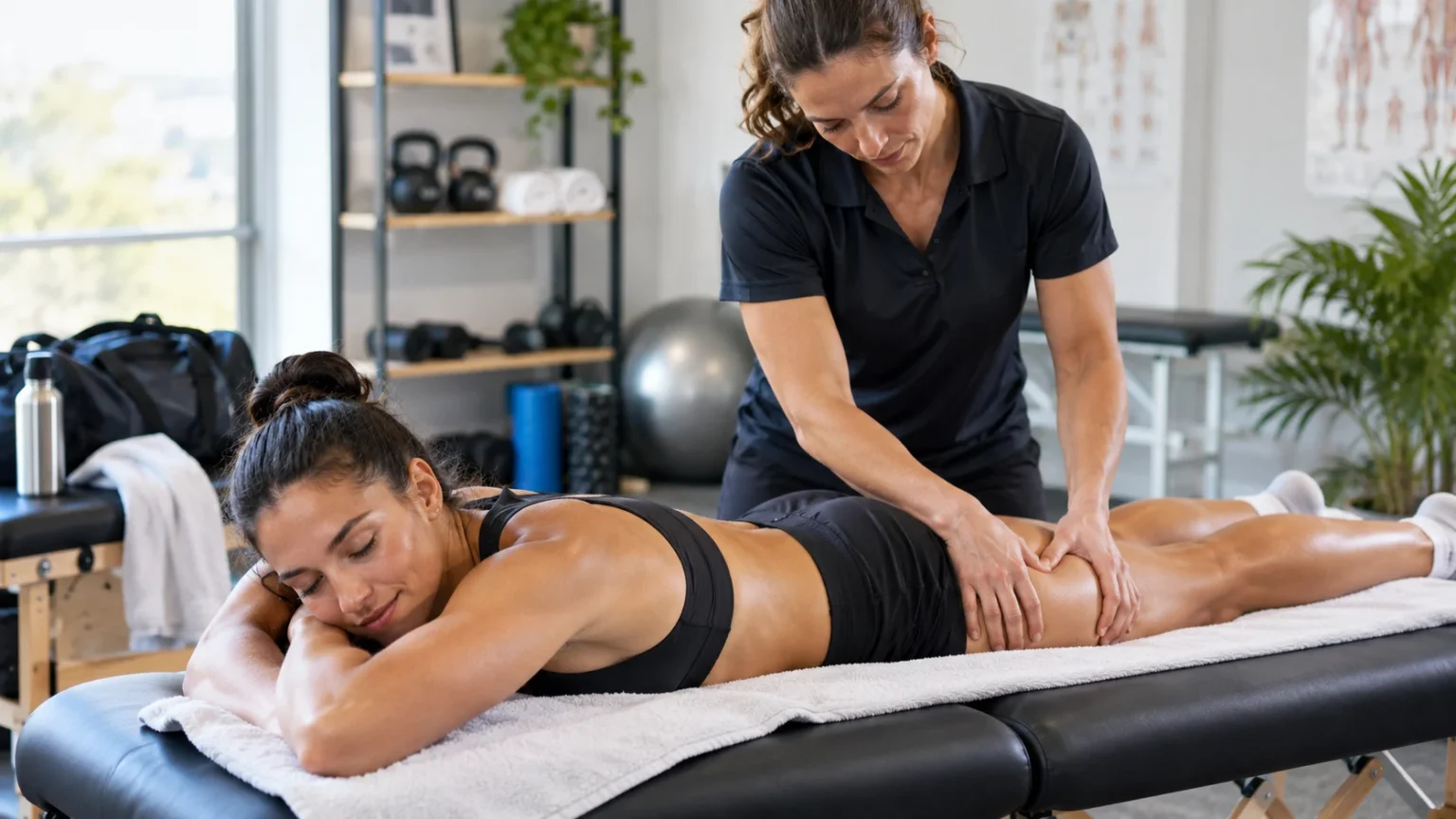

Sports massage is a hands-on therapy designed to support muscles, connective tissues, and movement patterns that are stressed by exercise or repetitive physical activity. Although it is strongly associated with athletes, you do not need to compete professionally to benefit from it. Recreational runners, gym users, cyclists, dancers, and physically active workers may also use sports massage as part of their recovery routine.
Unlike a general relaxation massage, sports massage is usually more targeted and goal-focused. A therapist may concentrate on tight calves, sore shoulders, restricted hips, or other areas that affect movement and performance. Understanding how sports massage works, what techniques are used, and when it may be helpful can make it easier to decide whether it fits your needs.
What Is Sports Massage?
Sports massage is a form of massage therapy that focuses on muscles and soft tissues affected by physical activity. Therapists typically work on specific areas rather than treating the entire body in the same way. The goal may be to reduce muscle tension, support mobility, improve comfort, or help someone prepare for or recover from demanding exercise.
Despite the name, sports massage is not limited to competitive athletes. Someone who runs several times per week, regularly lifts weights, spends long hours performing repetitive movements, or plays recreational sports may experience similar muscular demands. Treatment can therefore be adapted to different activity levels, body types, training routines, and personal recovery goals.
The exact approach varies depending on why someone is receiving treatment. A massage before competition may be faster and more stimulating, while a recovery session after intense training may use slower pressure and more focused soft-tissue work. Sports massage is therefore better viewed as a flexible treatment approach rather than one single massage technique.
How Does Sports Massage Work?
Sports massage works primarily by applying controlled pressure and movement to muscles, fascia, tendons, and surrounding soft tissues. Techniques may involve gliding strokes, kneading, compression, stretching, and targeted pressure. These movements can temporarily change how tense or sensitive an area feels and may make movement feel easier after demanding physical activity.
Massage also provides sensory input to the nervous system. Pressure, movement, and touch can influence how the body perceives muscle tightness, discomfort, and relaxation. This is one reason people may feel looser or more comfortable after treatment even when the massage has not physically changed the structure of the muscle itself.
A therapist may also use massage to identify areas that feel unusually tense or tender. However, sports massage is not a diagnostic test, and therapists should not assume that every painful spot represents an injury. Persistent, severe, or unexplained pain may require assessment by an appropriate healthcare professional before massage becomes part of the recovery plan.
Common Sports Massage Techniques
Effleurage is one of the most common techniques used during sports massage. It involves smooth, flowing strokes across the skin and muscles and is often used at the beginning or end of a session. These movements can help warm the tissues, introduce pressure gradually, and allow the therapist to assess how sensitive or tense an area feels.
Petrissage involves kneading, lifting, squeezing, or rolling soft tissues. A therapist may use this technique on larger muscle groups such as the thighs, calves, back, or shoulders. It can feel deeper than effleurage and is often used when someone wants focused work on areas that feel stiff after training or repeated physical activity.
Other methods may include compression, friction, assisted stretching, trigger-point pressure, and movement-based techniques. The therapist should select techniques based on the person’s comfort level and goals rather than simply applying the deepest possible pressure. Effective sports massage does not need to be extremely painful, and excessive force can leave an area more irritated afterward.
Benefits of Sports Massage for Muscle Recovery
One of the main reasons people choose sports massage is to feel less stiff after demanding exercise. A challenging workout may leave muscles sore, tight, or heavy for several days. Massage can provide temporary relief from these sensations and may make everyday movement feel more comfortable while the body naturally recovers from training.
Some athletes also use sports massage as part of a broader recovery routine that includes sleep, hydration, balanced nutrition, and appropriate rest between training sessions. Massage should not replace these basic recovery habits. Instead, it may complement them by helping someone relax and manage muscular discomfort during periods of higher physical workload.
Recovery needs vary significantly between individuals, so sports massage does not produce the same response for everyone. Some people enjoy noticeable short-term improvements in soreness or flexibility, while others mainly value the relaxing effect. Paying attention to how your body responds can help determine whether massage deserves a regular place in your recovery strategy.
Can Sports Massage Improve Flexibility and Mobility?
Muscle tightness can sometimes make movement feel restricted, particularly after heavy training or repetitive activities. Sports massage may temporarily reduce the feeling of stiffness around areas such as the hips, hamstrings, calves, shoulders, and upper back. This can make stretching or normal movement feel easier immediately after a treatment session.
However, massage alone does not permanently create flexibility. Long-term mobility usually depends on regular movement, strength through an appropriate range of motion, activity-specific practice, and consistent stretching where needed. Sports massage can support this process, but it should generally complement active mobility work rather than replace it completely.
A therapist may sometimes include gentle assisted stretches during treatment to address specific movement limitations. These stretches should remain controlled and comfortable rather than forcing the body into extreme positions. When reduced mobility continues for weeks or is accompanied by significant pain, weakness, or joint instability, professional assessment may be more useful than repeated massage alone.
Sports Massage Before Exercise or Competition
Pre-event sports massage is usually designed to prepare the body for activity rather than create deep relaxation. Therapists often use quicker movements, moderate compression, and short periods of targeted massage. The goal is generally to help the athlete feel physically ready without leaving muscles overly relaxed, tender, or fatigued immediately before performance.
Timing matters because aggressive deep-tissue techniques shortly before competition may not feel comfortable. A lengthy, intense massage can occasionally leave muscles sensitive, especially when a therapist works deeply into already stressed tissue. Pre-event treatment therefore tends to be shorter and less intense than massage used during a dedicated recovery session.
Sports massage should also be combined with a proper warm-up rather than used as a replacement for one. Dynamic movements, progressive activity, and sport-specific drills help prepare muscles and joints for the demands ahead. Massage may add to the preparation routine, but athletes still need to warm up in ways that closely resemble their upcoming activity.
Sports Massage After Exercise
Post-exercise sports massage is usually focused more on comfort and recovery than preparation. After a demanding workout, muscles may feel stiff, heavy, or sensitive, particularly when training volume has recently increased. A therapist may use moderate pressure and slower techniques to help someone relax without unnecessarily aggravating tissues that are already fatigued.
People sometimes schedule massage immediately after an event, while others prefer treatment the following day. The best timing depends on how physically demanding the activity was and how sensitive the body feels afterward. If muscles are extremely tender, bruised, or injured, strong pressure may be uncomfortable and should generally be avoided.
Massage can be one part of post-workout recovery, but basic habits still matter more. Adequate sleep, sufficient fluids, appropriate nutrition, and reasonable training progression all influence how effectively the body recovers. Treating massage as an additional recovery tool instead of a cure for poor training habits tends to create more realistic expectations.
Does Sports Massage Help With Muscle Soreness?
Delayed onset muscle soreness, commonly called DOMS, often appears after unfamiliar or intense exercise. It usually becomes noticeable several hours after activity and may feel strongest one or two days later. People often experience tenderness, stiffness, or reduced comfort when using the affected muscles during normal movement.
Sports massage may help some people feel less sore or stiff while DOMS naturally improves. The effect is generally about symptom relief rather than instantly repairing exercised muscles. Gentle or moderate pressure is often more comfortable when soreness is significant, while extremely deep massage may make already sensitive tissues feel more irritated.
Severe soreness should also be distinguished from injury. Sharp pain, major swelling, bruising, sudden weakness, or inability to use a limb normally is not typical everyday post-workout soreness. When symptoms appear unusually intense or follow a specific injury during exercise, seeking appropriate medical or rehabilitation advice may be more important than booking a massage.
Who Can Benefit From Sports Massage?
Athletes who train frequently may use sports massage to manage the physical demands of their sport. Runners might focus on calves and thighs, swimmers may need more attention around the shoulders, while strength athletes may experience tightness through the hips, back, or chest. Treatment can be adjusted according to the movement patterns involved in each activity.
Sports massage may also benefit physically active people who are not athletes. Recreational gym users, hikers, cyclists, dancers, and workers performing repetitive physical tasks can all develop muscular tension. Someone who spends hours sitting and then trains intensely may also notice stiffness around the hips, shoulders, or lower back that benefits from targeted soft-tissue work.
The best candidates are usually people who have a clear reason for treatment and realistic expectations about what massage can accomplish. Sports massage may improve comfort and support recovery, but it cannot correct every source of pain. Persistent symptoms often require looking beyond tight muscles and considering training technique, workload, posture, injury, or another health condition.
When Should You Avoid Sports Massage?
Sports massage is not appropriate for every situation. Areas with open wounds, significant bruising, acute injuries, skin infections, or severe inflammation should generally not receive strong direct massage. A therapist should also know about recent surgery, fractures, blood-clotting concerns, medications, or medical conditions that may affect whether massage is safe.
Unexplained pain should be approached carefully as well. Not every ache comes from tight muscles, and massage should not be used to delay medical assessment when symptoms are severe or unusual. For example, unexplained abdominal or pelvic cramping may involve causes that have little to do with sports-related muscle tension and may require a different type of evaluation.
Stop a massage if pressure causes sharp, burning, electric, or increasingly severe pain. Mild tenderness can occur during focused soft-tissue work, but extreme discomfort is not proof that treatment is more effective. A qualified therapist should communicate throughout the session, adjust techniques when necessary, and work within a level of pressure that feels manageable.
How Often Should You Get a Sports Massage?
There is no universal schedule that works for everyone. A competitive athlete training almost every day may choose massage more frequently than someone who exercises casually twice per week. Training intensity, recovery needs, budget, personal preference, and how your body responds should all influence how often sessions are scheduled.
Some people book sports massage weekly or every few weeks during periods of intense training. Others use it occasionally when they experience unusual stiffness after competitions, long runs, or demanding workouts. A session does not have to follow a strict calendar if you are recovering well and moving comfortably without frequent massage.
Regular treatment should also produce a clear benefit rather than becoming something you feel dependent on. If the same area constantly becomes painful between sessions, it may be useful to investigate why the problem keeps returning. Strength, movement habits, workload, technique, recovery, or an untreated injury may require more attention than simply increasing massage frequency.
Conclusion
Sports massage is a targeted form of massage therapy designed to support muscles and soft tissues affected by exercise and repetitive physical activity. It can include techniques such as kneading, compression, gliding strokes, stretching, and focused pressure. Sessions may be adapted for preparation, recovery, mobility, or temporary relief from muscular tightness.
Its most useful role is usually as part of a broader approach to physical recovery. Good sleep, balanced nutrition, gradual training progression, mobility work, and appropriate rest remain important whether or not massage is included. Sports massage can complement these habits by helping some people feel more relaxed, mobile, and comfortable between demanding activities.
Massage should not be treated as a solution for every type of pain. Persistent, severe, or unexplained symptoms deserve appropriate assessment, especially when pain follows an injury or appears with swelling, weakness, or other concerning signs. When used appropriately and performed by a qualified professional, sports massage can be a practical addition to an active lifestyle.
FAQs
What is sports massage mainly used for?
Sports massage is mainly used to address muscle tightness, stiffness, and discomfort related to physical activity. It can also support recovery, preparation for exercise, relaxation, and temporary improvements in mobility.
Is sports massage supposed to hurt?
Sports massage may feel firm or mildly tender, but it should not cause extreme pain. Pressure should remain manageable, and the therapist should reduce intensity if you experience sharp, burning, or worsening discomfort.
How long does a sports massage session last?
Sessions commonly vary according to the treatment goal and areas being addressed. A focused massage may be relatively short, while a broader recovery session may require more time to work on several muscle groups.
Should I get a sports massage before or after exercise?
Sports massage can be used both before and after exercise, but the techniques usually differ. Pre-event massage tends to be lighter and stimulating, while post-exercise sessions generally focus more on relaxation and recovery.
Do you need to be an athlete to get a sports massage?
No. Anyone experiencing muscle tension or stiffness related to exercise, repetitive movement, or an active lifestyle may consider sports massage. Treatment can be adapted for beginners, recreational exercisers, and competitive athletes alike.