
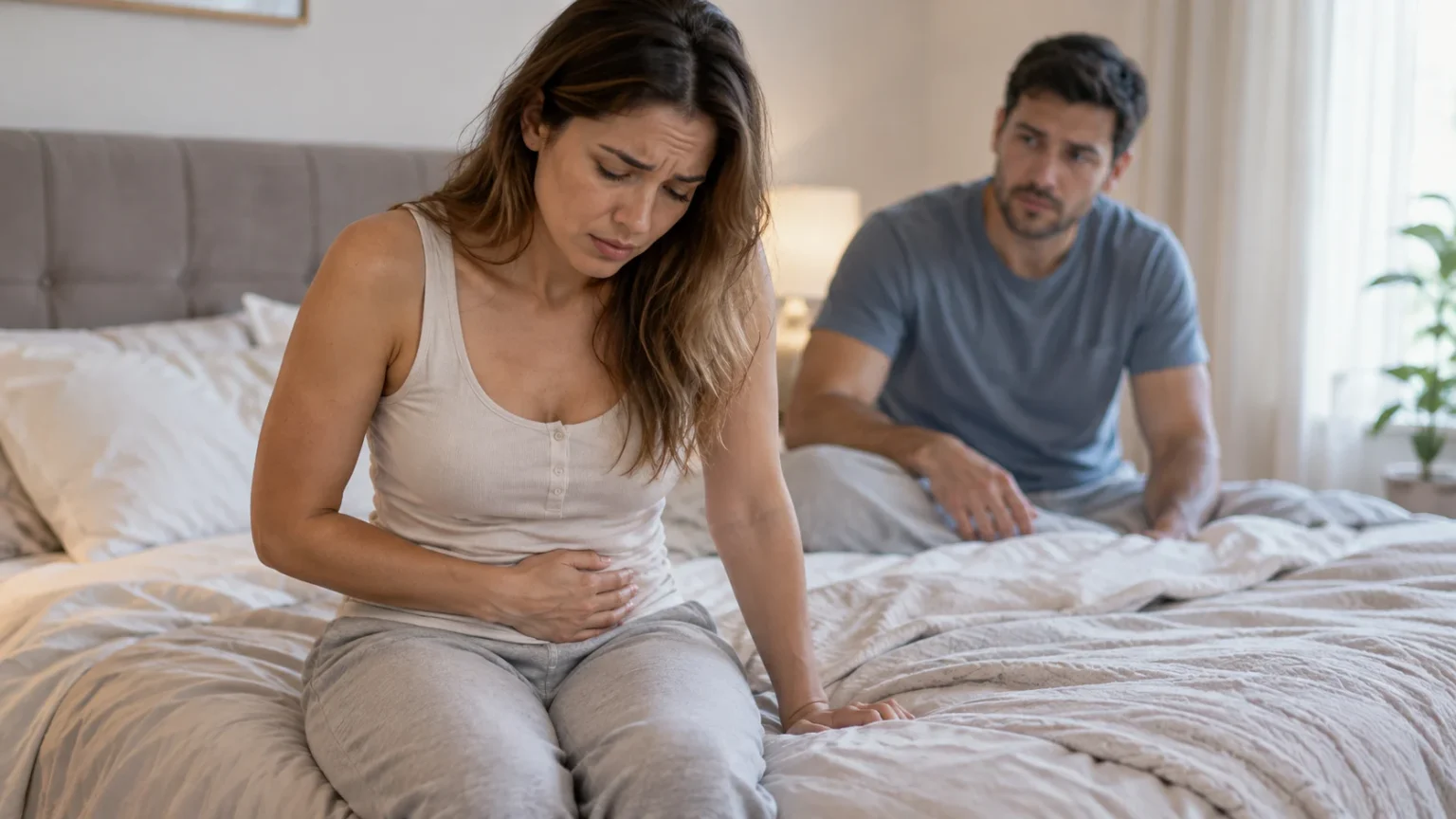

Cramping after sex can be uncomfortable, confusing, and sometimes worrying, especially when it happens unexpectedly. Some people feel a mild ache low in the abdomen, while others experience sharper pelvic cramps immediately after intercourse or several hours later. In many cases, temporary cramping is linked to normal muscle contractions, sexual activity, or the menstrual cycle rather than a serious medical problem.
However, recurring or severe cramps after sex should not automatically be ignored. Pelvic floor tension, infections, endometriosis, ovarian cysts, digestive problems, and other conditions can sometimes contribute to pain after intercourse. Understanding where the discomfort comes from, how long it lasts, and whether other symptoms appear can help you decide what steps to take next.
Why Can Cramping Happen After Sex?
Sexual activity involves muscles throughout the pelvis, abdomen, hips, and pelvic floor. These muscles repeatedly contract and relax during arousal and orgasm, which can leave temporary soreness or cramping afterward. Similar to exercising another muscle group, discomfort may be more noticeable when the muscles were already tense, overworked, or sensitive before intercourse.
The reproductive organs can also respond to sexual stimulation. During orgasm, the uterus and surrounding pelvic muscles may contract rhythmically, producing sensations that sometimes continue after sexual activity ends. These contractions are normally mild and short-lived, but some people experience stronger abdominal or pelvic cramps depending on hormonal changes and individual sensitivity.
The intensity of sexual activity may also matter. Longer sessions, certain positions, deeper penetration, or repeated orgasms can place additional pressure on pelvic tissues and muscles. Occasional mild cramping that improves quickly is often less concerning than pain that becomes increasingly severe, occurs every time you have sex, or interferes with normal activities afterward.
Orgasm and Uterine Contractions Can Trigger Cramps
An orgasm causes involuntary contractions of the pelvic floor muscles and, for people with a uterus, contractions within the uterus itself. These movements are a normal part of sexual response and usually cause pleasurable sensations. However, stronger contractions may occasionally feel similar to menstrual cramps and continue for several minutes after orgasm.
Hormones and naturally occurring chemicals involved in sexual activity may influence these contractions as well. Prostaglandins, which are also involved in menstrual cramping, can affect smooth muscle activity in the reproductive system. People who already experience strong period cramps may therefore notice pelvic discomfort more easily after sexual activity or orgasm.
Cramping caused primarily by orgasm usually settles without treatment. Resting for a short period, changing position, applying gentle warmth, or relaxing the abdominal muscles may help the sensation fade. If orgasm consistently causes intense pelvic pain, however, it may be worth discussing the pattern with a healthcare professional to rule out an underlying pelvic condition.
Tight Pelvic Floor and Hip Muscles May Be Involved
The pelvic floor is a group of muscles supporting the bladder, bowel, uterus, and other pelvic structures. These muscles naturally tighten during sexual activity, but they can sometimes remain tense afterward. An overactive or hypertonic pelvic floor may cause pelvic aching, vaginal discomfort, pressure, painful intercourse, urinary symptoms, or cramping after sex.
Hip and glute muscles can contribute to pelvic tension as well because these muscle groups work closely together. Spending long periods sitting, exercising intensely, or regularly holding tension through the hips may make certain sexual positions uncomfortable. Gentle mobility exercises such as a figure 4 stretch may help loosen the hips when muscle tightness contributes to discomfort.
Stretching should always feel comfortable rather than painful. Forcing deep stretches when pelvic pain is already severe may make symptoms worse instead of improving them. If tightness repeatedly causes pain during or after intercourse, a pelvic floor physical therapist can assess muscle coordination and determine whether relaxation, strengthening, mobility work, or another approach is appropriate.
Deep Penetration Can Cause Temporary Pelvic Pain
Certain sexual positions allow deeper penetration, which may create pressure around the cervix or deeper pelvic structures. Some people describe the resulting sensation as a dull ache, pressure, or cramping in the lower abdomen. It may begin during intercourse or become more noticeable shortly after sexual activity ends.
The cervix can also be more sensitive at certain points in the menstrual cycle. Hormonal fluctuations change the position and sensitivity of reproductive tissues, which means a position that normally feels comfortable may occasionally cause discomfort. Changing the depth, angle, speed, or sexual position may reduce pressure and make intercourse more comfortable.
Communication during sex is particularly important when penetration feels painful. Pain does not have to be tolerated simply because a specific position normally feels pleasurable. If deep pelvic pain keeps occurring even with gentler penetration or different positions, a medical assessment can help determine whether another condition is making the pelvic area unusually sensitive.
Your Menstrual Cycle May Affect Cramping After Sex
Hormonal changes throughout the menstrual cycle can influence how sensitive the uterus and pelvic region feel. Sex shortly before or during menstruation may sometimes trigger period-like cramps because the uterus is already contracting. These sensations may feel stronger in people who normally experience significant menstrual pain.
Ovulation can also produce temporary discomfort known as mittelschmerz, which commonly occurs around the middle of the menstrual cycle. Ovulation pain often affects one side of the lower abdomen and may last from a short time to a day or longer. Sexual activity around this time can occasionally make existing pelvic sensitivity more noticeable.
Tracking your cycle alongside episodes of post-sex cramping can reveal useful patterns. If discomfort repeatedly happens near ovulation or menstruation and remains mild, hormonal changes may be contributing. Persistent severe pain, very heavy bleeding, irregular periods, or worsening cramps should still be evaluated rather than assumed to be a normal part of the menstrual cycle.
Digestive and Bladder Problems Can Feel Like Pelvic Cramps
Not every cramp felt after sex comes from the reproductive organs. The bowel, bladder, uterus, and pelvic muscles are located close together, so discomfort from one area may be difficult to distinguish from another. Gas, constipation, bloating, or bowel spasms can sometimes produce lower abdominal pain that becomes more noticeable following intercourse.
Pressure during certain sexual positions may temporarily compress the bowel or bladder. If you already feel bloated or constipated, this pressure may contribute to cramping afterward. Eating large meals immediately before sex or having digestive conditions such as irritable bowel syndrome may also make abdominal discomfort more likely in some people.
Bladder irritation can create similar symptoms, particularly when accompanied by burning during urination, urinary urgency, or frequent urination. Urinating after intercourse may help reduce some urinary concerns, although it will not treat an existing infection. Persistent bladder or bowel symptoms alongside pelvic pain deserve medical attention so the actual source can be identified.
Infections Can Sometimes Cause Pain After Sex
Pelvic or vaginal infections can make tissues inflamed and sensitive, causing pain during intercourse and cramping afterward. Sexually transmitted infections such as chlamydia or gonorrhea can sometimes cause pelvic discomfort, abnormal discharge, bleeding between periods, or pain when urinating. Importantly, some sexually transmitted infections produce few or no noticeable symptoms initially.
Pelvic inflammatory disease, commonly called PID, can develop when certain infections spread into the upper reproductive organs. Symptoms can include lower abdominal pain, painful intercourse, abnormal vaginal discharge, fever, unusual bleeding, or discomfort when urinating. The symptoms vary considerably, which means pelvic pain should be evaluated when infection is a realistic possibility.
Testing is the only reliable way to confirm many sexually transmitted infections. Anyone experiencing new pelvic pain after unprotected sex, exposure to a new sexual partner, abnormal discharge, unusual bleeding, or other infection symptoms should consider professional evaluation. Early diagnosis and appropriate treatment can reduce the risk of complications associated with untreated reproductive tract infections.
Endometriosis, Adenomyosis, or Fibroids May Cause Cramping
Endometriosis occurs when tissue similar to the uterine lining grows outside the uterus. It can cause painful periods, chronic pelvic pain, discomfort with bowel movements, and deep pain during or after intercourse. Some people experience pain immediately during penetration, while others notice aching or cramping that continues after sex.
Adenomyosis may cause similar symptoms because tissue resembling the uterine lining grows within the muscular wall of the uterus. People with adenomyosis may experience heavy periods, significant menstrual cramps, pelvic pressure, or painful intercourse. Symptoms often overlap with other pelvic disorders, making medical evaluation important for determining the underlying cause.
Uterine fibroids can also contribute to pelvic pressure or cramping depending on their location and size. These noncancerous growths may cause heavy menstrual bleeding, abdominal fullness, frequent urination, or discomfort during intercourse. Having one episode of cramping does not mean you have these conditions, but recurring symptoms should be properly investigated.
Ovarian Cysts Can Sometimes Cause Pain During or After Sex
Ovarian cysts are fluid-filled sacs that develop on or within an ovary. Many are related to normal ovulation and disappear without treatment, but some may cause pressure or pain. Sexual activity can occasionally make discomfort from an existing cyst more noticeable, particularly when penetration places pressure on the affected area.
Pain associated with an ovarian cyst may occur mainly on one side of the lower abdomen. Some people also experience bloating, pelvic fullness, irregular bleeding, or discomfort during exercise. Symptoms alone cannot confirm an ovarian cyst because several digestive, muscular, urinary, and reproductive conditions can cause similar sensations.
Sudden severe pelvic pain requires more caution, especially if it occurs with nausea, vomiting, weakness, dizziness, or fainting. Rare complications such as ovarian torsion or a ruptured cyst can cause intense symptoms requiring urgent assessment. Severe or rapidly worsening pain should therefore not be managed only with stretching, heat, or home remedies.
Cramping After Sex During Pregnancy Deserves Attention
Pregnancy can make the uterus and pelvic area more sensitive, and mild cramping may occasionally happen following sex or orgasm. Increased blood flow to the pelvis and uterine contractions associated with orgasm can create temporary tightening or period-like sensations. In uncomplicated pregnancies, mild cramps that quickly disappear are often different from severe or persistent abdominal pain.
However, pregnancy changes how pelvic symptoms should be evaluated. Cramping accompanied by significant bleeding, dizziness, fainting, shoulder pain, fluid leakage, fever, or severe one-sided abdominal pain should not be ignored. Early pregnancy pain may have several possible causes, and some require urgent medical assessment.
Pregnant individuals who are unsure whether post-sex cramps are expected should contact their maternity care professional, particularly when symptoms are new or worsening. Personal pregnancy history, gestational age, complications, and other symptoms all matter. Medical advice tailored to the pregnancy is safer than assuming that every episode of pelvic cramping after intercourse is harmless.
What Can Help Relieve Mild Cramping After Sex?
When cramping is mild and temporary, giving the body time to relax may be enough. Rest in a comfortable position and try slow breathing that allows the abdomen and pelvic floor to soften. A warm shower or heating pad placed over the lower abdomen may also help muscles relax and reduce temporary aching.
Gentle movement can sometimes relieve muscular tension around the hips and pelvis. Avoid aggressive stretching, intense exercise, or movements that clearly increase the pain. If certain sexual positions repeatedly trigger discomfort, experimenting with shallower penetration, slower movement, additional lubrication, or positions that give you greater control over depth may help.
Keeping track of symptoms can also be useful when cramping occurs repeatedly. Note when the pain begins, how long it lasts, where you feel it, where you are in your menstrual cycle, and whether bleeding, discharge, urinary symptoms, or digestive changes occur. These details can make a future medical evaluation more informative and efficient.
When Should You See a Doctor for Cramping After Sex?
Occasional mild cramping that disappears quickly may not require medical treatment. An appointment becomes more appropriate when pain repeatedly occurs after intercourse, grows more intense, lasts for many hours, or makes you avoid sexual activity. Persistent pain deserves investigation because effective treatment depends on identifying whether the source is muscular, reproductive, urinary, digestive, or something else.
You should also seek medical advice when cramping occurs with abnormal vaginal discharge, unusual bleeding, fever, painful urination, missed periods, worsening menstrual pain, or ongoing pain during intercourse. These additional symptoms can provide important clues about possible infections or pelvic conditions. A healthcare professional may recommend an examination, pregnancy test, infection testing, imaging, or other evaluation depending on your symptoms.
Urgent medical attention is appropriate for sudden severe abdominal or pelvic pain, especially when accompanied by fainting, severe dizziness, heavy bleeding, vomiting, high fever, or significant weakness. Severe pain during pregnancy also requires prompt assessment. When symptoms feel dramatically different from your usual cramps, it is safer to seek professional help rather than waiting for them to disappear.
Conclusion
Cramping after sex has many possible explanations, ranging from ordinary muscle contractions and menstrual-cycle changes to pelvic floor tension or pressure from deep penetration. Mild discomfort that occurs occasionally and resolves quickly is often less concerning. Paying attention to timing, location, severity, and additional symptoms can help you understand what may be triggering the cramps.
Recurring post-sex pelvic pain should not simply become something you learn to tolerate. Conditions involving the pelvic floor, reproductive organs, urinary system, or digestive tract may produce similar symptoms and require different treatment approaches. A healthcare professional can help investigate persistent discomfort and recommend care based on its actual cause.
Seek prompt medical attention when cramping becomes severe, suddenly worsens, or occurs alongside heavy bleeding, fainting, fever, vomiting, or concerning pregnancy symptoms. Otherwise, gentle relaxation, warmth, comfortable sexual positions, and symptom tracking may help with temporary discomfort. The goal is not only to reduce pain but also to make sexual activity comfortable and safe.
FAQs
Is it normal to cramp after sex?
Mild, short-lived cramping can happen because orgasm and sexual activity cause pelvic floor and uterine muscle contractions. Frequent, severe, or persistent cramps should be evaluated to identify another possible cause.
Why do I get period-like cramps after sex?
Orgasm can trigger uterine contractions that feel similar to menstrual cramps. The sensation may be more noticeable near your period, during ovulation, or when the pelvic area is already sensitive.
Can deep penetration cause cramps afterward?
Yes. Deep penetration can place pressure around the cervix and deeper pelvic tissues, sometimes producing aching or cramping afterward. Changing positions, depth, or speed may reduce this type of discomfort.
Can an infection cause cramping after intercourse?
Yes. Some vaginal infections, sexually transmitted infections, and pelvic inflammatory disease can cause pelvic pain during or after sex. Abnormal discharge, fever, bleeding, or painful urination make medical evaluation especially important.
When should cramping after sex be concerning?
Seek medical advice when cramps are frequent, severe, worsening, or accompanied by unusual bleeding, discharge, fever, or urinary symptoms. Sudden intense pain, fainting, heavy bleeding, or severe pregnancy-related pain requires urgent evaluation.