

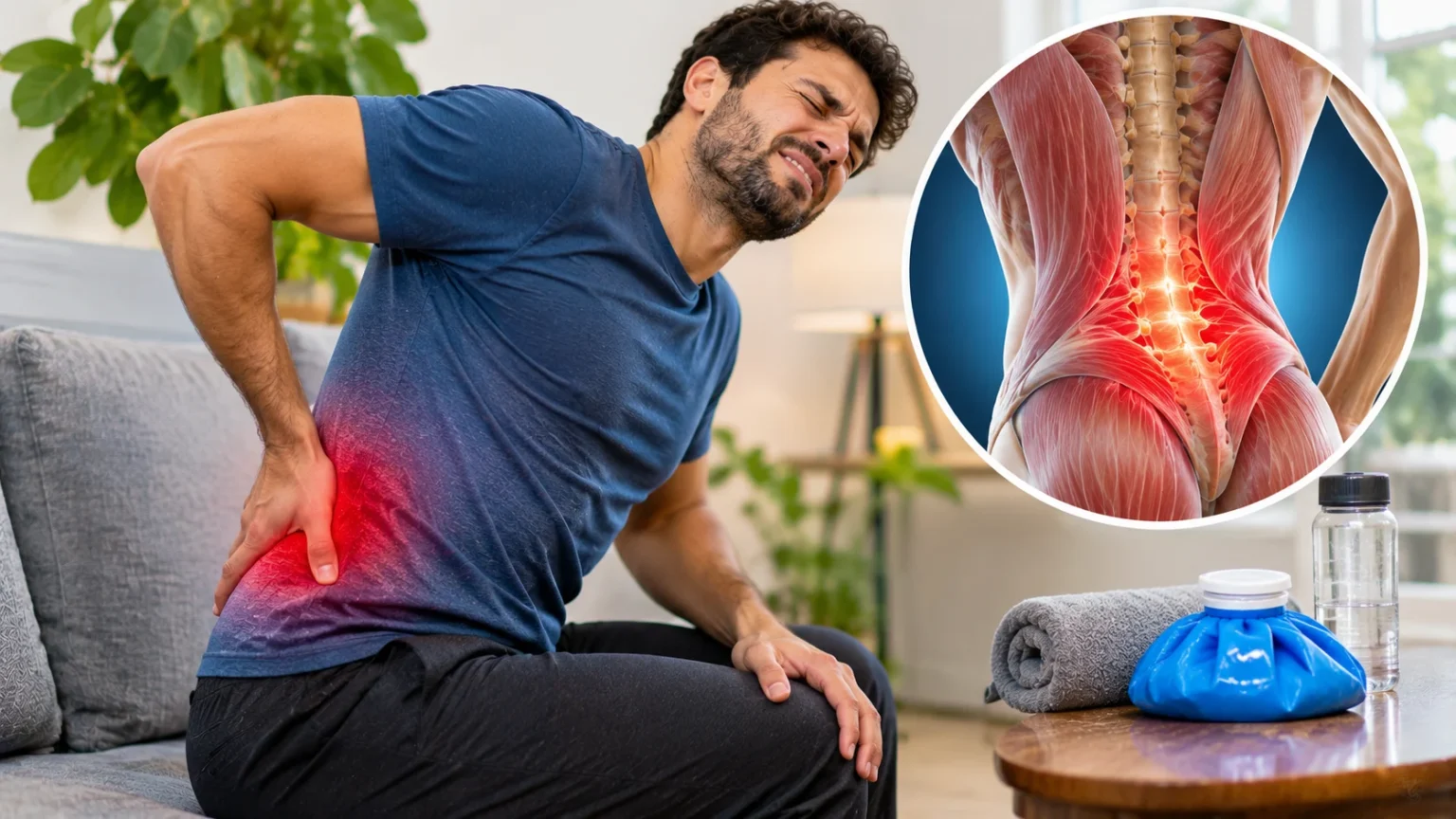

Back spasms can cause sudden pain, tightness, and difficulty moving comfortably. They happen when muscles in the back contract involuntarily, sometimes creating a sharp or gripping sensation. These contractions may last only a few seconds or continue intermittently for longer periods. Understanding back spasm relief can help you manage mild discomfort, recognize possible causes, and determine when medical attention is necessary.
Many people experience back muscle spasms after physical activity, prolonged sitting, lifting, or an awkward movement. However, the cause is not always obvious. Muscle strain, fatigue, spinal conditions, and certain medical problems may contribute to these painful contractions. Symptoms can affect the upper, middle, or lower back, depending on which muscles and surrounding structures are involved.
Finding appropriate relief begins with identifying the likely cause and avoiding activities that worsen symptoms. Gentle movement, comfortable positioning, and temperature therapy may help some people recover. However, sudden severe pain or neurological symptoms require medical assessment. This guide explains common causes, practical relief methods, prevention strategies, and warning signs to help you better understand back spasms.
What Is a Back Spasm?
A back spasm is an involuntary contraction or tightening of one or more muscles in the back. It may happen suddenly and produce discomfort that ranges from mild stiffness to intense pain. During a spasm, the affected muscles can feel unusually firm or difficult to relax. The sensation may temporarily limit normal movement.
Back spasms commonly affect muscles surrounding the spine, including those responsible for maintaining posture and supporting everyday movement. They may develop after physical strain or occur alongside an existing back condition. Some people notice a brief tightening sensation, while others experience repeated contractions. The duration and severity vary considerably between individuals.
Although back spasms can feel alarming, many episodes are related to musculoskeletal problems that improve with conservative care. However, a spasm is a symptom rather than a complete diagnosis. Pain can also arise from joints, nerves, discs, or other structures. Understanding this distinction is important when choosing appropriate treatment and deciding whether further evaluation is needed.
Common Causes of Back Muscle Spasms
Muscle strain is one of the most common reasons for back spasms. It can develop after lifting something awkwardly, making a sudden movement, or performing unfamiliar physical activity. The surrounding muscles may tighten in response to discomfort or irritation. This can create a cycle of muscle guarding, stiffness, and reduced movement.
Prolonged sitting, repetitive bending, and physically demanding activities may also contribute to back discomfort. Muscles can become fatigued when they repeatedly perform tasks without sufficient recovery. However, posture alone does not explain every episode of back pain. Individual strength, activity tolerance, sleep, and previous injuries can influence how symptoms develop.
Sometimes back spasms occur alongside conditions involving spinal joints, discs, or nearby nerves. Inflammatory disorders and other medical problems may also contribute to back pain. The presence of muscle tightness does not automatically establish the underlying cause. Persistent, recurring, or unexplained symptoms deserve professional assessment, particularly when they interfere with everyday activities.
What Does a Back Spasm Feel Like?
A back spasm often feels like sudden tightening, cramping, or gripping within the affected muscles. Some people describe a sharp pain that makes it difficult to straighten their back or change position. Others notice a persistent ache with occasional painful contractions. The sensation may remain localized or occur alongside discomfort in surrounding areas.
Muscle spasms can also produce stiffness and temporary movement limitations. Turning, bending, standing, or walking may feel uncomfortable during an episode. The affected region may become tender when touched. However, pain intensity does not always indicate how serious the underlying condition is, and symptoms should be considered alongside medical history and other findings.
Some people notice that the discomfort improves when they find a comfortable position or move gently. Others experience repeated tightening after certain activities. Pain accompanied by numbness, weakness, fever, or other concerning symptoms may indicate a problem beyond ordinary muscle strain. Recognizing these differences helps determine whether home care is reasonable or medical evaluation is necessary.
Lower Back Spasms and Their Possible Causes
Lower back spasms are common because the lumbar region supports movement and experiences substantial mechanical demands. Muscles in this area help stabilize the spine during walking, bending, and lifting. Sudden increases in activity or awkward movements can sometimes trigger discomfort. The resulting muscle tightening may make ordinary activities difficult for a short period.
Lumbar spasms may occur alongside strains involving the muscles and connective tissues surrounding the lower spine. Some individuals also have discomfort related to spinal joints or intervertebral discs. However, a painful lower back does not automatically mean a disc has slipped or a nerve is damaged. Most episodes require assessment based on symptoms rather than assumptions about spinal structures.
Pain may occasionally extend toward the buttocks or legs. This can occur with several musculoskeletal conditions, although radiating pain accompanied by tingling or weakness may suggest nerve involvement. Persistent or progressive neurological symptoms require medical attention. Identifying the likely cause helps guide appropriate rehabilitation and reduces the risk of relying on unsuitable treatment methods.
Upper Back Spasms and Muscle Tightness
Upper back spasms can affect muscles around the shoulder blades, upper spine, and neck. These muscles help support shoulder movement and maintain comfortable positions during everyday activities. Repetitive tasks, prolonged desk work, and sudden physical exertion may contribute to discomfort. Tightness may become more noticeable when turning the head or moving the shoulders.
Some upper back muscle discomfort develops after activities involving the arms or shoulders. Carrying heavy objects, unfamiliar exercise, or sustained muscle tension may increase symptoms. However, upper back pain can also arise from joints, nerves, or other structures. A careful assessment is important when symptoms persist or appear unrelated to ordinary muscular activity.
Gentle movement and temporary adjustments to aggravating activities may help mild upper back spasms. Changing positions regularly can also reduce sustained muscle loading during desk work. However, sudden upper back pain accompanied by chest discomfort, breathing difficulty, or faintness requires urgent medical attention. These symptoms should not automatically be attributed to muscle tension.
How to Get Back Spasm Relief at Home
Home care for mild back spasms usually focuses on reducing discomfort while maintaining comfortable movement. Avoiding activities that clearly aggravate symptoms may help during the initial recovery period. However, prolonged bed rest is generally not recommended for uncomplicated back pain. Gentle daily activities can support mobility when performed within comfortable limits.
A warm compress or cold pack may provide temporary symptom relief. The preferred option often depends on personal comfort and the circumstances surrounding the pain. Both should be applied with a protective layer between the skin and the temperature source. Avoid prolonged application, particularly when sensation is reduced or skin problems are present.
Comfortable positioning may also reduce strain around the affected muscles. Some people feel better lying on their side with support between the knees or resting on their back with the knees supported. These positions are not treatments for every cause of pain. If symptoms remain severe, worsen, or fail to improve, professional evaluation is more appropriate than repeated home remedies.
Heat Therapy for Back Muscle Spasms
Heat therapy may help relieve muscle tightness and reduce discomfort associated with certain back spasms. Warmth can create a soothing sensation and may temporarily improve movement tolerance. Options include a warm shower or a comfortably warm heating pad. The temperature should never be high enough to cause burning or skin irritation.
For safe use, follow the heating device instructions and place a protective layer between the heat source and skin when appropriate. Avoid sleeping with an electric heating pad turned on. Heat may be unsuitable over areas with reduced sensation, damaged skin, or certain medical conditions. People with circulation or nerve problems should seek advice before using temperature therapy.
Heat therapy can provide temporary comfort, but it does not necessarily address the underlying cause of repeated spasms. If pain returns frequently, other factors may need assessment. Combining appropriate symptom relief with gradual movement and rehabilitation may be more useful. Persistent or worsening symptoms should be evaluated instead of relying exclusively on heating products.
Ice Therapy for Sudden Back Spasms
Cold therapy may provide temporary pain relief after certain acute muscle injuries. It can reduce pain sensation and may help some people tolerate gentle movement. A wrapped cold pack is commonly used for short periods. However, research does not establish that ice is necessary or superior for every episode of back spasm.
When applying cold, place a towel or suitable covering between the pack and your skin. A brief application of approximately 10 to 15 minutes may be sufficient, depending on comfort and individual circumstances. Stop if the skin becomes excessively uncomfortable or numb. Avoid applying ice directly to damaged skin or areas with impaired sensation.
You can choose heat or cold according to which feels more comfortable, unless a healthcare professional recommends otherwise. Neither method should be expected to cure the underlying cause. Temperature therapy is primarily a supportive measure for temporary symptom management. If pain continues to interfere with movement or daily activities, further assessment may be beneficial.
Gentle Exercises for Back Spasm Relief
Gentle exercises may help restore comfortable movement after a mild back spasm. The goal is to reduce unnecessary stiffness without forcing painful ranges of motion. Simple movements may include short walks, controlled pelvic tilts, or gentle changes in position. However, exercise selection should reflect symptoms and any known underlying conditions.
Walking at a comfortable pace can provide a practical starting point for many people with uncomplicated back discomfort. Begin with a manageable amount of movement and observe how symptoms respond. Avoid suddenly increasing activity intensity or pushing through sharp pain. Some people may find that shorter periods of movement throughout the day feel more comfortable.
A physical therapist may recommend additional mobility or strengthening exercises after evaluating the affected region. These movements can be adjusted according to flexibility, strength, and functional needs. Aggressive stretching during a painful spasm is not always helpful. The safest rehabilitation approach encourages gradual progress while avoiding exercises that consistently worsen symptoms.
Best Sleeping Positions for Back Spasms
Back spasms can make it difficult to find a comfortable sleeping position. There is no single sleeping posture that works for everyone, but supportive positioning may reduce unnecessary strain. Some people prefer lying on their side with a pillow between the knees. Others feel comfortable sleeping on their back with support beneath the knees.
The purpose of supportive positioning is to maintain a comfortable resting posture rather than force the spine into a particular alignment. Pillows can help reduce pressure around sensitive areas. However, using too many cushions may create discomfort for some individuals. Experimenting with simple adjustments can help identify a position that supports more restful sleep.
If pain repeatedly interrupts sleep, consider discussing the problem with a healthcare professional. Persistent nighttime pain, especially when accompanied by fever, unexplained illness, or worsening symptoms, may require further investigation. A comfortable mattress and regular sleep habits can support general well-being. However, bedding changes alone cannot correct every cause of back spasms.
Back Spasm Relief While Sitting or Working
Prolonged sitting may increase discomfort when the back muscles are already sensitive. Remaining in one position for extended periods can contribute to stiffness and make movement feel more difficult. Regular position changes may help reduce sustained loading. The goal is to find comfortable working habits rather than maintain one supposedly perfect posture.
Adjusting chair height, screen position, and desk arrangement can make everyday tasks more comfortable. Keep frequently used objects within easy reach and avoid repeated awkward movements when possible. A supportive chair may help, but no single seating position guarantees freedom from back pain. Movement variety is often more practical than rigid posture rules.
Short standing or walking breaks may help some people manage discomfort during desk work. Returning to activity gradually is generally preferable to avoiding all movement. However, repeated spasms during work may indicate a need to review physical demands or existing health conditions. Professional assessment can help identify suitable modifications when symptoms continue.
Can Dehydration Cause Back Muscle Spasms?
Dehydration can contribute to muscle problems, particularly during prolonged physical activity, heavy sweating, or illness. However, there is limited evidence that ordinary back spasms are usually caused by dehydration alone. Muscle cramps and back pain have several possible explanations. Drinking excessive water does not necessarily prevent or relieve these symptoms.
Electrolytes such as sodium, potassium, and calcium contribute to normal nerve and muscle function. Significant imbalances can affect muscle activity and may produce additional symptoms. However, most people do not need electrolyte supplements simply because they experience back discomfort. The need for medical testing depends on symptoms, health history, and possible contributing factors.
Maintaining adequate hydration remains important for general health, especially during exercise or hot weather. Drink according to normal needs and consider increased fluid losses when appropriate. Persistent muscle spasms should not automatically be blamed on low water intake. A healthcare professional can investigate possible underlying causes when symptoms are frequent, severe, or unexplained.
Stress and Back Muscle Spasms
Stress may contribute to back discomfort by influencing muscle tension, sleep quality, and pain sensitivity. Some people notice increased tightness around the shoulders or lower back during demanding periods. Emotional stress can also affect how strongly the nervous system responds to discomfort. However, stress is not the only explanation for back spasms.
Persistent muscle guarding may develop when someone anticipates pain during movement. This can make ordinary activities feel uncomfortable and contribute to reduced confidence in movement. Relaxation strategies may help address some of these responses. Nevertheless, physical symptoms should receive appropriate medical evaluation rather than automatically being attributed to emotional tension.
Gentle breathing exercises, manageable physical activity, and regular sleep habits may support overall comfort. Some people also benefit from mindfulness-based approaches or guided relaxation. These methods can complement appropriate treatment for musculoskeletal pain. If symptoms persist, a clinician can help determine whether additional physical or psychological support would be useful.
Medications Commonly Used for Back Spasms
Some people use over-the-counter pain medicines to manage discomfort associated with back spasms. Nonsteroidal anti-inflammatory drugs may provide short-term relief for certain types of acute back pain. However, they are not suitable for everyone. Medical conditions, age, pregnancy, and interactions with other medications can affect whether these medicines are appropriate.
Prescription muscle relaxants are sometimes considered for selected adults experiencing acute muscle-related back pain. These medications can cause side effects such as drowsiness and dizziness. They are not appropriate for every patient and should not be used without professional guidance. Their potential benefits must be weighed against risks and the underlying cause of symptoms.
Medication should not replace an appropriate diagnosis when pain is severe or persistent. Avoid combining pain medicines or increasing doses without advice from a healthcare professional. Children and teenagers should consult a qualified clinician or pharmacist before using medication for back spasms. A treatment plan may also include activity modification, physical therapy, and other non-drug approaches.
Physical Therapy for Recurring Back Spasms
Physical therapy may help people who experience recurring back spasms or persistent movement difficulties. A physical therapist can assess mobility, strength, activity tolerance, and possible contributing factors. Treatment may involve gradually progressing exercises and improving confidence in normal movement. The program should be individualized rather than based on a single standard routine.
Strengthening exercises may target muscles around the trunk, hips, and back according to functional needs. Mobility training can also help when stiffness limits comfortable movement. However, no single exercise or muscle group is responsible for preventing every episode of back pain. Effective rehabilitation usually considers the person’s overall physical capacity and symptoms.
Education is another important part of physical therapy. Understanding that many episodes of musculoskeletal back pain improve can reduce unnecessary fear of movement. A therapist may also help modify activities that repeatedly trigger discomfort. Persistent or unusual symptoms may require additional medical assessment to rule out conditions that need different treatment.
How Long Do Back Spasms Usually Last?
The duration of a back spasm varies depending on its cause and severity. An individual muscle contraction may last only seconds or minutes, while associated pain and stiffness can continue for days. Some episodes improve with conservative care and gradual return to normal activities. However, recovery does not follow an identical timeline for everyone.
Mild muscle-related back pain often begins improving within days to a few weeks. Symptoms may fluctuate during recovery, particularly when certain movements remain uncomfortable. Gradual improvement is generally more reassuring than pain that steadily becomes worse. The presence of repeated spasms does not automatically indicate serious spinal damage.
If symptoms continue without meaningful improvement, medical assessment may help identify contributing factors. Persistent pain, recurring episodes, or difficulty performing daily tasks can justify further investigation. Severe neurological symptoms require urgent attention regardless of how long the pain has been present. Recovery expectations should be based on individual circumstances rather than a fixed deadline.
How to Prevent Future Back Muscle Spasms
Preventing every back spasm is not possible, but certain habits may help reduce recurring musculoskeletal discomfort. Regular physical activity supports muscle conditioning and movement tolerance. Gradually increasing activity intensity can help the body adapt to changing physical demands. Sudden increases in unfamiliar exercise may contribute to soreness and strain.
Strengthening the trunk, hips, and surrounding muscles may support general physical function. Comfortable movement patterns and reasonable activity pacing are also useful. However, there is no single perfect posture or exercise routine that guarantees prevention. A balanced approach is generally more practical than avoiding normal bending or movement out of fear.
Adequate rest, regular movement, and appropriate recovery after demanding activities may also support muscle health. If certain tasks repeatedly trigger spasms, consider whether workload or technique adjustments could help. Recurrent unexplained symptoms should be discussed with a healthcare professional. Preventive strategies work best when they address individual needs and underlying conditions.
When to Seek Medical Attention for Back Spasms
Medical evaluation is appropriate when back spasms are severe, repeatedly return, or interfere with normal daily activities. Pain that persists despite reasonable home care may require further assessment. Symptoms following a significant fall or injury also deserve attention. A healthcare professional can examine possible musculoskeletal and non-musculoskeletal causes.
Seek urgent medical advice if back pain occurs with fever, unexplained illness, or progressive weakness. Pain accompanied by numbness, tingling, or increasing difficulty walking may suggest nerve involvement. Sudden severe back pain associated with chest symptoms or breathing difficulty requires emergency assessment. These warning signs should not be dismissed as ordinary muscle tightness.
Emergency evaluation is necessary if back pain occurs with new loss of bladder or bowel control, numbness around the groin, or significant new leg weakness. These symptoms can indicate serious pressure on spinal nerves. Although uncommon, prompt treatment may be essential. Recognizing warning signs helps prevent delays in care for conditions that require urgent medical intervention.
Conclusion
Back spasms can cause painful muscle tightening, stiffness, and temporary movement limitations. Common contributing factors include muscle strain, unfamiliar activity, and certain musculoskeletal conditions. Many uncomplicated episodes improve with time and conservative care. However, the exact cause cannot always be determined from symptoms alone, especially when spasms are severe or recurring.
Back spasm relief may involve comfortable movement, temporary activity adjustments, supportive positioning, and cautious use of heat or cold therapy. Physical therapy can help when symptoms persist or repeatedly interfere with daily activities. Medication may be appropriate in selected circumstances under professional guidance. Treatment should focus on safe recovery rather than forcing painful movements or relying on quick fixes.
Understanding the warning signs is equally important. Sudden weakness, new bladder or bowel problems, significant neurological symptoms, or severe pain with other concerning features requires urgent medical attention. For milder episodes, gradual activity and appropriate care may support recovery. Recognizing your symptoms and seeking help when necessary provides a safer approach to managing back spasms.
Frequently Asked Questions (FAQs)
What is the fastest way to relieve a back spasm?
Gentle movement, a comfortable resting position, and a warm or cold compress may provide temporary relief. However, the most effective approach depends on the cause, and severe or persistent symptoms require medical assessment.
Is heat or ice better for back spasms?
Both heat and cold may temporarily reduce discomfort. Heat often feels soothing for muscle tightness, while cold may help after certain acute injuries. Choose the option that feels comfortable and use it safely.
How long does a back muscle spasm last?
An individual spasm may last seconds or minutes, but associated soreness can continue for several days or longer. Recovery varies according to the cause, severity, and individual health circumstances.
Can back spasms be caused by stress?
Stress can contribute to muscle tension and increased pain sensitivity, potentially worsening back discomfort. However, repeated or unexplained spasms may have physical causes and should not automatically be attributed to stress.
When should I worry about back spasms?
Seek emergency care for new bladder or bowel control problems, groin numbness, or significant leg weakness. Severe pain following injury, fever, or worsening neurological symptoms also requires prompt medical evaluation.