

Gluteus medius pain can make walking, climbing stairs, sleeping on your side, and even standing for long periods uncomfortable. Because this muscle plays an important role in stabilizing the pelvis and controlling hip movement, irritation or weakness around the area can affect how the entire lower body moves during everyday activity.
Pain around the outer hip or upper buttock does not always come directly from the gluteus medius, so identifying the pattern matters. Overuse, muscle strain, tendon irritation, altered movement, or nearby hip conditions may produce similar symptoms. Understanding common causes and sensible relief strategies can help you decide what to try and when professional evaluation is appropriate.
What Is the Gluteus Medius?
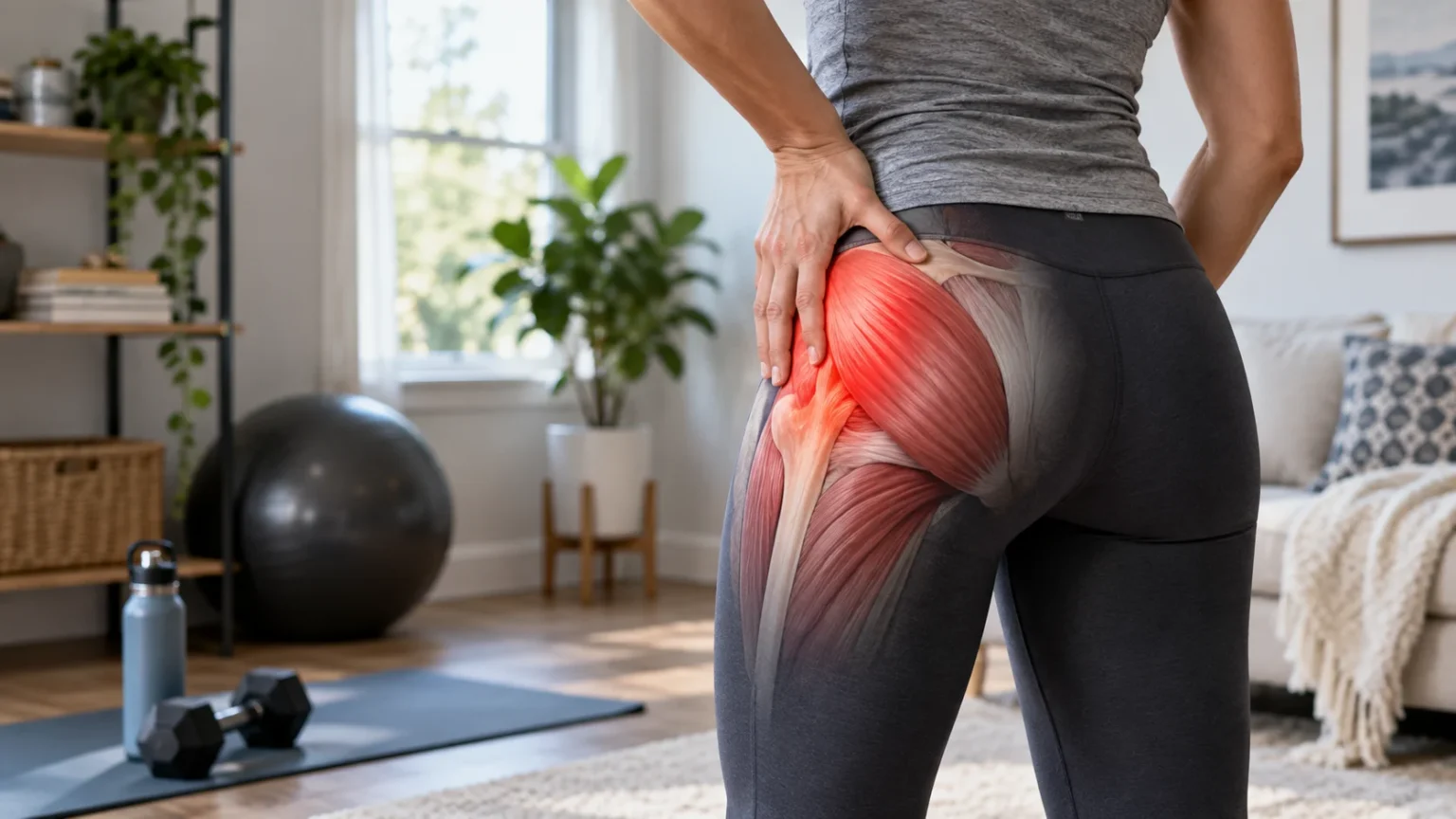
The gluteus medius is a broad muscle located on the outer side of the hip, underneath part of the larger gluteus maximus. It attaches around the pelvis and the upper part of the thigh bone. Its position allows it to control important movements involving the hip and pelvis during walking, running, standing, and exercise.
One of its main jobs is moving the leg away from the body, a movement called hip abduction. It also contributes to hip rotation and helps keep the pelvis relatively level when you stand on one leg. Every step briefly requires this stabilizing role because your body weight shifts from one leg to the other.
When the muscle or its tendon becomes irritated, pain may appear around the outside of the hip or upper buttock. Some people notice weakness more than soreness, while others experience pain mainly during walking or side-lying. The exact symptoms depend on which tissue is involved and how much load it is currently tolerating.
What Does Gluteus Medius Pain Feel Like?
Gluteus medius pain often feels like aching, tenderness, or soreness around the outer hip or upper side of the buttock. The discomfort may become more noticeable while walking, climbing stairs, standing on one leg, or getting up from a chair. Some people also feel pain after longer periods of physical activity.
Sleeping on the painful side can be uncomfortable because body weight directly compresses tissues around the outer hip. Lying on the opposite side may also hurt if the upper leg drops inward and stretches or compresses sensitive tissues. Using pillows for support can sometimes make nighttime positioning more comfortable.
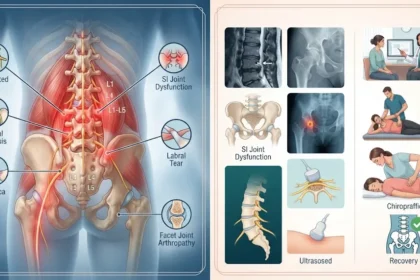
Symptoms should not automatically be assumed to come from the gluteus medius simply because they are near the hip. Hip joint problems, lower back conditions, nerve irritation, and other tendon problems can create overlapping pain patterns. Persistent symptoms are easier to treat when the underlying source is identified correctly.
Common Causes of Gluteus Medius Pain
Overuse is a common contributor, especially after suddenly increasing walking, running, hiking, or lower-body training. Muscles and tendons adapt to repeated load, but symptoms may appear when activity increases faster than the tissues can recover. The problem may develop gradually rather than beginning with one dramatic injury.
A muscle strain can occur when the gluteus medius is overloaded during a sudden movement, fall, sprint, or demanding exercise. Strains may cause localized tenderness, pain during contraction, and discomfort when stretching the area. More significant injuries may also produce weakness or difficulty using the hip normally.
Tendon irritation around the gluteus medius attachment can also cause lateral hip pain. This may be associated with repeated compression, high training loads, or reduced strength and movement capacity. The pain may persist longer than simple post-exercise soreness and can require a more gradual rehabilitation approach.
Gluteus Medius Weakness and Hip Pain
Weakness in the gluteus medius can change how the pelvis and leg are controlled during movement. When the muscle cannot manage the demands placed on it, other tissues may contribute more during walking, running, or single-leg tasks. This does not guarantee pain, but it can make certain activities feel less stable or more tiring.
You may notice the pelvis dropping slightly when standing on one leg or the knee moving inward during squats and stairs. These patterns can have several causes, so they should not be treated as proof of gluteus medius weakness by themselves. Strength testing and movement assessment provide a clearer picture.
Strengthening can help when reduced capacity contributes to symptoms. Exercises should begin at a level that feels manageable and progress gradually. Performing very high numbers of side-leg exercises immediately is not necessarily better, because irritated muscles and tendons still need appropriate recovery between training sessions.
Exercises That May Help Gluteus Medius Pain
Side-lying hip abduction is a simple exercise that can target the gluteus medius. Lie on one side, keep the upper leg relatively straight, and raise it slightly without rolling the pelvis backward. The movement does not need to be large, and controlled repetitions are generally more useful than lifting as high as possible.
Side steps with a resistance band can strengthen the outer hip while involving both legs. Keep the knees slightly bent and take controlled steps without allowing the feet to snap back together. Start with light resistance and a small number of repetitions, especially if the hip is already sensitive.
Single-leg balance, step-ups, and controlled squats can later help build strength in more functional positions. Progress should depend on symptoms and control rather than following a fixed timetable. Mild effort is expected, but sharp pain or symptoms that worsen significantly after exercise suggest the current load may be too high.
Can Stretching Help Gluteus Medius Pain?
Stretching can feel relieving when the muscles around the hip are generally stiff, but it is not always the best solution for outer hip pain. Some gluteal tendon conditions can become irritated by prolonged positions that compress tissues around the side of the hip. More stretching may therefore increase symptoms in certain cases.
Gentle mobility work is usually safer than forcing deep stretches into a painful position. Hip rotations, comfortable range-of-motion exercises, and light movement can help maintain mobility without creating excessive stress. The goal should be comfortable movement rather than trying to create the strongest stretch possible.
If stretching repeatedly makes the outer hip more painful, stop treating tightness as the only problem. Strength, load management, sleep position, and movement habits may matter more. A physical therapist can help determine whether a mobility restriction actually needs attention or whether the area mainly requires gradual strengthening.
Massage, Heat, and Other Relief Options
Massage can temporarily reduce the feeling of muscular tension around the hip and buttock. Gentle self-massage or professional treatment may feel helpful when soreness involves surrounding muscles. Learning how sports massage works can also help you understand where soft-tissue treatment may fit within a broader recovery plan rather than viewing it as a complete cure.
Heat may feel comfortable when the area is stiff or achy, while cold packs may help after a recent flare-up or strenuous activity. Use whichever feels more soothing and protect the skin from direct exposure to extreme temperatures. Neither method corrects the underlying cause, so treat them mainly as short-term symptom-relief options.
Activity modification can be even more important than passive treatments. Reduce movements that clearly aggravate symptoms, but avoid becoming completely inactive unless advised otherwise. Continuing comfortable walking and exercise at an appropriate level can help maintain strength while irritated tissues gradually regain their ability to tolerate load.
Sleeping With Gluteus Medius Pain
Side sleeping often becomes difficult because pressure falls directly on the painful outer hip. If possible, try sleeping on your back temporarily or use additional cushioning to reduce pressure. A softer mattress topper may also improve comfort if the sleeping surface feels particularly firm against the hip.
If you sleep on the opposite side, place a pillow between your knees and thighs. This can help prevent the upper leg from dropping inward and placing additional compression around the painful hip. Choose a pillow thick enough to keep the legs relatively aligned without forcing them apart excessively.
Night pain that remains severe regardless of position deserves more attention, especially if it is worsening or accompanied by other unusual symptoms. Ordinary muscle and tendon discomfort can certainly affect sleep, but persistent unexplained nighttime pain should not simply be assumed to be a minor overuse problem.
When Should You See a Healthcare Professional?
Seek professional assessment when pain persists for several weeks, repeatedly returns, or limits normal walking, exercise, or sleep. A clinician can examine hip strength, movement, tenderness, gait, and surrounding structures. This helps distinguish gluteus medius involvement from other causes of lateral hip or buttock pain.
Medical evaluation is more urgent after significant trauma, particularly if you cannot put normal weight through the leg. Severe swelling, deformity, rapidly worsening pain, or major weakness also deserves prompt attention. These symptoms may indicate an injury that needs more than simple home management.
You should also seek medical care if hip pain comes with fever, unexplained weight loss, significant numbness, progressive weakness, or loss of bladder or bowel control. These symptoms are not typical of ordinary gluteus medius soreness and may suggest another condition requiring timely assessment.
How to Prevent Gluteus Medius Pain From Returning
Gradual training progression is one of the most useful prevention strategies. Avoid suddenly doubling running distance, hiking volume, or lower-body workout intensity. Muscles and tendons become stronger through appropriate loading, but they need enough time to adapt between increases in exercise demand.
Include exercises that strengthen the outer hip, glutes, and surrounding lower-body muscles. Side steps, step-ups, split squats, and controlled single-leg movements can all build useful capacity when performed correctly. A balanced program is generally more effective than relying on one isolation exercise indefinitely.
Movement variety and recovery matter as well. Avoid spending every day repeating the same demanding activity without adequate rest, especially when soreness is already increasing. Sleep, appropriate nutrition, strength training, and sensible workload management can help the hips tolerate everyday and athletic demands more consistently over time.
Conclusion
Gluteus medius pain commonly appears around the outer hip or upper buttock and may become more noticeable during walking, climbing stairs, standing on one leg, or side sleeping. Overuse, strains, reduced strength, and tendon irritation are among the possible causes, although nearby conditions can create similar symptoms.
Relief often involves adjusting aggravating activities, maintaining comfortable movement, and gradually rebuilding hip strength. Stretching, massage, heat, or cold may provide temporary comfort, but they should not replace progressive rehabilitation when the problem involves reduced tissue capacity or persistent tendon irritation.
Seek professional help when symptoms are severe, persistent, worsening, or associated with major weakness, trauma, numbness, fever, or other concerning signs. For straightforward overuse problems, gradual strengthening and sensible load management can often help restore comfortable hip movement and reduce future flare-ups.
FAQs
Where is gluteus medius pain usually felt?
Gluteus medius pain is commonly felt around the outer hip or upper outer buttock. It may worsen during walking, stair climbing, single-leg standing, running, or lying on the affected side.
Can a weak gluteus medius cause hip pain?
Reduced gluteus medius strength can contribute to poor hip and pelvic control during movement. However, weakness is only one possible factor, and pain should not automatically be blamed on one muscle.
Should I stretch a painful gluteus medius?
Gentle mobility may help some people, but aggressive stretching can worsen certain outer hip tendon problems. Stop stretches that increase pain and focus on comfortable movement and gradual strengthening instead.
How long does gluteus medius pain take to heal?
Recovery depends on the cause and severity. Mild overuse may improve within weeks, while persistent tendon problems can require a longer period of gradual strengthening and activity modification.
Is walking good for gluteus medius pain?
Walking can be helpful if it remains comfortable and does not significantly worsen symptoms afterward. Reduce distance or intensity if pain increases, limping develops, or the hip becomes progressively more irritated.