
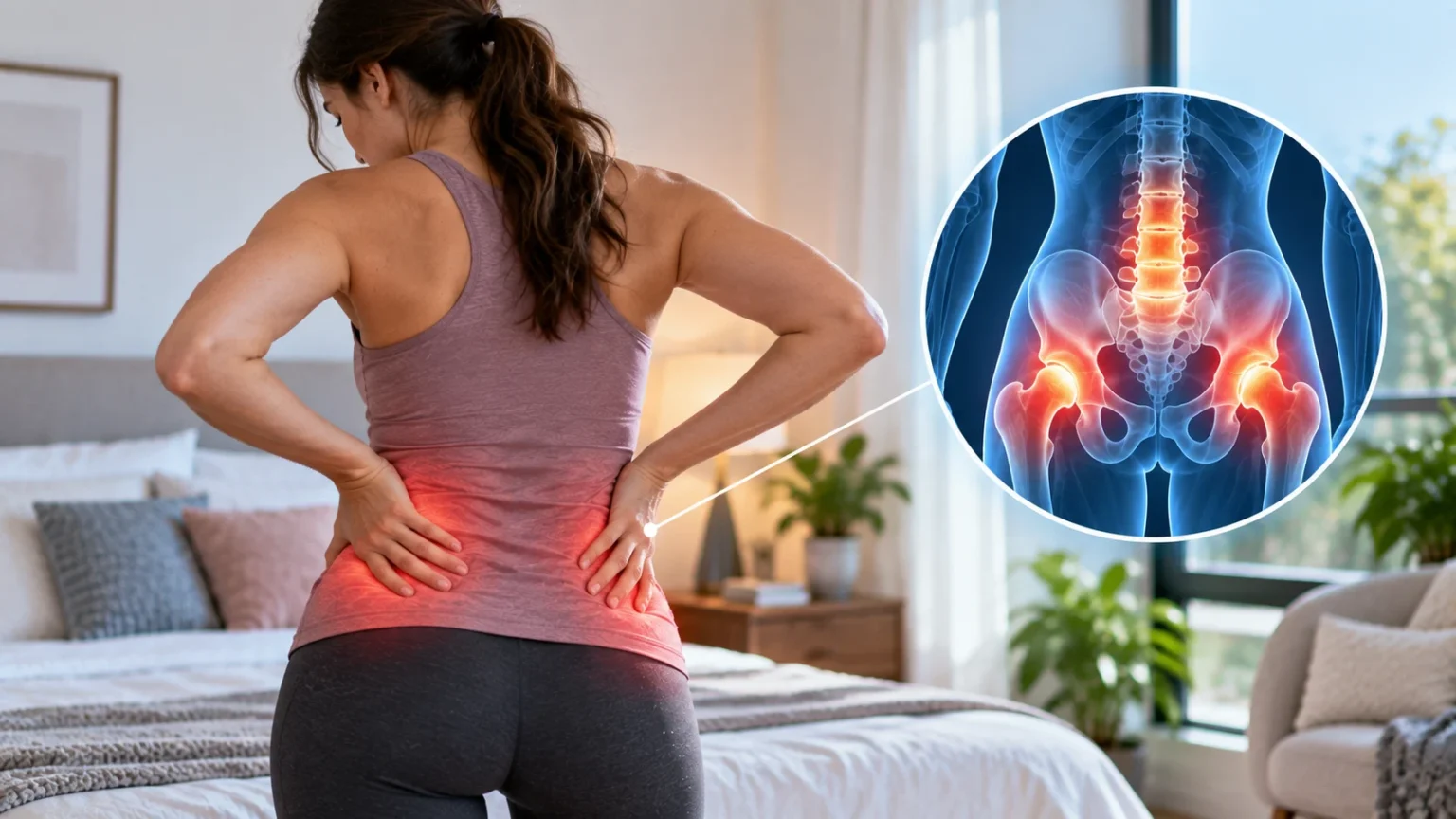

Pain in the lower back and hips is common in women and can range from a mild ache to discomfort that makes walking, sitting, sleeping, or exercising difficult. The source may involve muscles, joints, nerves, the pelvic region, or reproductive and urinary organs. Because several conditions can produce similar symptoms, understanding the pattern of pain is often more helpful than focusing on one location alone.
Some causes are related to everyday habits such as prolonged sitting, muscle strain, poor lifting technique, or changes in physical activity. Others may be influenced by menstruation, pregnancy, menopause, pelvic floor problems, or gynecological conditions. The pain may stay around the lower back and hips or spread toward the buttocks, abdomen, groin, or legs.
Mild muscular pain often improves with gentle movement, heat, rest from aggravating activities, and gradual strengthening. However, persistent, severe, or unusual pain should not automatically be treated as a simple strain. This guide explains common causes of lower back and hip pain in women, practical relief options, and warning signs that deserve medical attention.
Muscle Strain and Overuse
Muscle strain is one of the most common causes of lower back and hip discomfort. It can develop after lifting something heavy, performing unfamiliar exercise, sitting for long periods, or suddenly increasing physical activity. Muscles around the lumbar spine, buttocks, and hips may become sore, stiff, or tender when they are overloaded.
Pain from a muscle strain often feels achy and may become worse with certain movements or prolonged positions. You might notice stiffness after waking, difficulty bending, or discomfort after standing for a long time. Muscle soreness can affect one side or both sides depending on the movement or activity that triggered the problem.
Gentle walking, temporary activity modification, and gradual movement can often help uncomplicated muscle pain settle. Heat may also feel soothing when the area is tight. If you are unfamiliar with the term, this explanation of myalgia can help clarify what muscular pain means and how it may feel.
Pelvic Floor Muscle Tension
The pelvic floor muscles sit at the bottom of the pelvis and support organs such as the bladder, bowel, and uterus. When these muscles remain overly tense or do not coordinate normally, discomfort can sometimes be felt in the pelvis, lower back, hips, buttocks, or tailbone. Symptoms may vary depending on activity and body position.
Some women with pelvic floor tension also experience urinary urgency, discomfort during intercourse, constipation, or a feeling of pelvic pressure. Sitting for long periods may worsen symptoms for certain people. Because pelvic floor muscles work with the abdominal, hip, and back muscles, dysfunction in one area can influence how another area feels.
Treatment depends on whether the muscles are tight, weak, poorly coordinated, or affected by another condition. Repeatedly performing Kegel exercises is not appropriate for everyone, particularly when the pelvic floor is already overactive. A pelvic health professional can evaluate muscle function and recommend suitable relaxation, mobility, or strengthening strategies.
Menstrual Cramps and Period-Related Pain
Menstrual cramps can cause aching in the lower abdomen that spreads into the lower back and hips. Hormonal changes and uterine contractions around menstruation may produce discomfort that begins shortly before or during a period. Some women experience mild aching, while others have pain that significantly affects normal daily activities.
Period-related discomfort may also occur alongside bloating, fatigue, headaches, bowel changes, or pelvic heaviness. The lower back can feel particularly sore during the first days of menstruation. Gentle heat, light movement, comfortable stretching, and appropriate over-the-counter pain relief may help some people manage ordinary menstrual cramps.
Severe or progressively worsening period pain should not simply be dismissed as normal. Pain that causes fainting, prevents usual activities, appears between periods, or changes significantly from your typical pattern may deserve medical evaluation. Conditions such as endometriosis or other pelvic disorders can sometimes produce symptoms that resemble unusually intense menstrual cramps.
Endometriosis and Pelvic Pain
Endometriosis is a condition in which tissue similar to the lining of the uterus grows outside the uterus. It can cause pelvic pain that may extend into the lower back, hips, abdomen, or legs. Symptoms can vary greatly, and the intensity of pain does not always correspond to the amount of endometriosis present.
Pain may become worse around menstruation, but symptoms can also appear at other times of the month. Some women experience painful intercourse, painful bowel movements, urinary discomfort, heavy periods, or difficulty becoming pregnant. Others may have relatively mild symptoms despite having the condition.
Endometriosis cannot be diagnosed based on lower back and hip pain alone. Many other conditions produce similar discomfort, so a healthcare professional may need to review the full symptom pattern. Treatment options vary and can include pain management, hormonal approaches, physical therapy, or surgical evaluation depending on individual circumstances.
Pregnancy-Related Lower Back and Hip Pain
Pregnancy can place additional demands on the lower back, hips, and pelvis. As the body changes, weight distribution shifts and tissues around the pelvis become more flexible. These changes can increase stress on muscles and joints, especially later in pregnancy when the abdomen becomes larger.
Some pregnant women experience pain around the sacroiliac joints, pubic region, lower back, or outer hips. Sleeping positions and prolonged standing may make symptoms more noticeable. Gentle movement, supportive positioning, appropriate exercise, and guidance from a pregnancy-trained healthcare or rehabilitation professional may help manage discomfort.
Not all pain during pregnancy should be treated as ordinary musculoskeletal discomfort. Severe abdominal or back pain, bleeding, fever, painful urination, contractions, sudden swelling, or other concerning symptoms require medical advice. Pregnant individuals should also discuss medications and new exercise programs with an appropriate healthcare professional before using them for pain relief.
Sacroiliac Joint Pain
The sacroiliac joints connect the lower spine to the pelvis and sit on either side of the sacrum. Irritation around these joints may cause pain near the lower back, upper buttock, or side of the hip. The discomfort may be stronger on one side and can sometimes spread into the thigh.
Certain movements may aggravate sacroiliac joint pain, including climbing stairs, standing from a chair, turning in bed, or staying on one leg. Pregnancy and postpartum changes can also influence pelvic stability in some women. However, symptoms around this region can resemble several other back and hip conditions.
Treatment may involve activity modification, mobility work, strengthening, and improving control around the hips and trunk. A physical therapist can help determine whether the sacroiliac region is actually contributing to the pain. Self-diagnosing based only on where discomfort is located can be misleading because nearby structures frequently produce overlapping symptoms.
Sciatica and Nerve Irritation
Sciatica describes symptoms related to irritation of the sciatic nerve or nerve roots that contribute to it. Pain may begin in the lower back or buttock and travel down the back or side of the leg. Some people experience burning, tingling, numbness, or an electric sensation rather than a simple muscular ache.
Certain spinal movements, prolonged sitting, coughing, or bending may increase symptoms depending on the underlying cause. Sciatica can result from several problems, including a disc-related condition or narrowing around a nerve. Hip and buttock discomfort alone does not necessarily mean that the sciatic nerve is involved.
Gentle activity is often preferable to prolonged bed rest, but the right exercises depend on how symptoms behave. Seek medical evaluation if you develop significant leg weakness, worsening numbness, loss of bladder or bowel control, or numbness around the groin or inner thighs. These signs require urgent attention.
Hip Joint and Tendon Problems
Pain that feels like it comes from the hip may involve the joint itself or the muscles and tendons surrounding it. Hip osteoarthritis, tendon irritation, bursae-related pain, and other musculoskeletal conditions can create aching around the groin, outer hip, buttock, or thigh. Symptoms often change with walking, stairs, or prolonged standing.
Outer hip pain may become especially noticeable when lying on the affected side. Some people also feel discomfort after walking longer distances or repeatedly climbing stairs. Groin pain and reduced hip rotation may suggest a different pattern than pain focused mainly around the outer hip or buttocks.
Treatment depends on which structure is involved. Strengthening the hip muscles, adjusting aggravating activities, improving mobility, and gradually increasing exercise tolerance can help many musculoskeletal problems. Persistent hip pain, significant stiffness, or difficulty bearing weight should be assessed rather than managed indefinitely with stretching alone.
Urinary and Kidney-Related Causes
Some urinary conditions can produce pain around the lower back, side, or pelvis. A urinary tract infection may cause burning with urination, frequent urination, urgency, or lower abdominal discomfort. If infection spreads toward the kidneys, pain may be felt higher in the back or side and can occur with fever or feeling unwell.
Kidney stones may also cause severe pain that can move from the back or side toward the lower abdomen or groin. The pain is often intense and may come in waves. Nausea, vomiting, urinary changes, or blood in the urine can sometimes occur alongside the pain.
These conditions require a different approach from muscle or joint problems. Stretching and heat alone will not address an infection or obstructing kidney stone. Back or side pain accompanied by fever, painful urination, vomiting, blood in the urine, or significant illness should prompt medical evaluation.
Simple Relief for Mild Lower Back and Hip Pain
Gentle movement is often useful when symptoms appear to come from uncomplicated muscular stiffness or prolonged inactivity. Short walks, comfortable hip movements, and changing positions regularly can prevent the body from becoming increasingly stiff. Complete bed rest is usually not necessary for routine musculoskeletal pain unless a clinician has advised otherwise.
Heat may help relax tight muscles around the lower back and hips. A warm shower or heating pad can be used for short periods at a comfortable temperature. Avoid putting excessive heat directly on sensitive skin, and stop if warmth causes symptoms to feel worse rather than better.
Temporarily reduce activities that clearly aggravate the pain, but try to maintain normal movement within a comfortable range. Once symptoms begin settling, gradual strengthening for the hips, glutes, trunk, and back can support everyday function. Exercises should be progressed according to tolerance rather than pushed aggressively through pain.
When to Seek Medical Help
Seek urgent medical attention for lower back or hip pain following major trauma, especially if you cannot walk or bear weight normally. Severe pain that appears suddenly or rapidly worsens also deserves prompt evaluation. Significant weakness or loss of coordination can suggest a problem that should not be managed only with home remedies.
Urgent assessment is especially important if back pain occurs with loss of bladder or bowel control, numbness around the groin, or progressive weakness in the legs. Fever, unexplained weight loss, severe abdominal symptoms, heavy bleeding, or feeling seriously unwell can also indicate that another condition needs investigation.
Even without emergency warning signs, schedule an evaluation when pain continues for several weeks, repeatedly returns, interrupts sleep, or significantly limits normal activities. Women with severe period-related pain, urinary symptoms, pelvic pressure, or pain during intercourse should also mention these symptoms because they may help identify a pelvic or gynecological cause.
Conclusion
Pain in the lower back and hips in women can come from many different sources. Muscle strain, pelvic floor tension, menstrual changes, endometriosis, pregnancy, sacroiliac irritation, sciatica, hip problems, and urinary conditions can all create overlapping symptoms. Looking at the timing, location, and associated symptoms can help narrow down possible causes.
For mild musculoskeletal pain, gentle activity, comfortable mobility exercises, heat, posture changes, and gradual strengthening may provide relief. Avoid repeatedly forcing stretches or assuming every painful area needs aggressive exercise. Your response to movement can offer useful clues about whether an activity is helping or irritating the problem.
Persistent or severe pain deserves proper assessment, particularly when it occurs alongside neurological symptoms, fever, urinary changes, unusual bleeding, or significant pelvic symptoms. Getting the underlying cause right is more important than simply trying to suppress discomfort. Appropriate treatment becomes much easier once the source of the symptoms is better understood.
FAQs
What causes lower back and hip pain in females?
Common causes include muscle strain, pelvic floor dysfunction, menstrual pain, pregnancy-related changes, sacroiliac irritation, sciatica, hip conditions, and some gynecological or urinary problems.
Can period pain cause lower back and hip pain?
Yes. Menstrual cramps can produce aching that spreads from the pelvis into the lower back and hips. Severe or worsening menstrual pain should be discussed with a healthcare professional.
Can tight pelvic floor muscles cause hip and back pain?
They can contribute to pain around the pelvis, hips, buttocks, and lower back in some people. Pelvic floor dysfunction may also occur with urinary, bowel, or sexual symptoms.
What helps mild lower back and hip pain at home?
Gentle walking, regular position changes, comfortable mobility exercises, and short periods of heat may help uncomplicated muscular pain. Avoid movements that consistently make symptoms significantly worse.
When should a woman worry about lower back and hip pain?
Seek medical care for severe or worsening pain, significant weakness, numbness, bladder or bowel changes, fever, unusual bleeding, urinary symptoms, major trauma, or pain that does not improve.